How Heavy Is a Toyota Solara And Why It Really Matters
The Toyota Solara weighs between 3,200 and 3,500 pounds depending on the generation and trim level. Understanding the Solara curb weight helps you make smarter decisions about towing, fuel economy, and long-term ownership. Whether you own a first-gen or second-gen model, knowing your vehicle weight specs is essential for proper maintenance and safe driving.
If you have ever stood next to a Toyota Solara and wondered just how much it weighs, you are not alone. The question “how heavy is a Toyota Solara” comes up more often than you might think, especially among buyers, owners, and anyone planning to tow or transport one. Vehicle weight is not just a number on a spec sheet. It affects everything from fuel economy to how the car handles on the road.
In this guide, we will break down the Toyota Solara weight across every generation, every trim, and every engine option. By the end, you will know exactly what your Solara weighs and why that number really matters in day-to-day driving.
The Toyota Solara was Toyota’s sporty mid-size coupe that rolled off the assembly line from 1998 to 2008. Built on the same platform as the Toyota Camry, the Solara offered a blend of comfort, style, and performance. But beneath its sleek exterior sat a machine whose weight varied quite a bit depending on the year, engine, and trim level.
Understanding the weight of your Solara is not just trivia. It plays a real role in how the car drives, how much fuel it burns, and even how long the brakes and suspension last. Many owners overlook this detail until they need to tow something or replace worn-out parts. That is where this guide comes in handy.
Key Takeaways
- Weight Range: A Toyota Solara typically weighs between 3,200 and 3,500 pounds depending on the model year and trim.
- Generation Matters: The first-generation Solara (1999-2003) is lighter than the second generation (2004-2008).
- Engine Choice Affects Weight: V6 models weigh more than four-cylinder versions due to the heavier engine.
- Why Weight Matters: Vehicle weight directly impacts fuel economy, towing capacity, brake wear, and overall performance.
- Maintenance Tips: Knowing your Solara’s weight helps you choose the right tires, fluids, and towing equipment.
- Resale Value: Heavier models with more features may hold value differently than lighter base trims.
📑 Table of Contents
- Toyota Solara Weight By Generation
- Why Vehicle Weight Matters
- Toyota Solara Weight By Trim Level
- How To Find Your Solara’s Exact Weight
- Impact Of Weight On Toyota Solara Performance
- Common Mistakes Owners Make With Weight Considerations
- Quick Tips For Managing Your Solara’s Weight
- How The Toyota Solara Compares To Similar Models
- Final Thoughts On Toyota Solara Weight
Toyota Solara Weight By Generation
The Solara went through two distinct generations during its production run. Each generation had its own weight characteristics shaped by design changes, added features, and evolving safety standards.
First Generation (1999-2003)
The first-generation Toyota Solara was introduced in 1998 as a 1999 model. It was a bit lighter than its successor, with most models falling in the 3,200 to 3,350 pound range. The base four-cylinder engine models sat at the lower end, while the V6 trims crept closer to 3,350 pounds.
The first-gen Solara was praised for being nimble and easy to handle. Its relatively light weight made it a fun cruiser, and it also contributed to decent fuel economy for the time. If you are looking at a used first-gen Solara, keep in mind that the curb weight will affect how you maintain it. Lighter vehicles tend to wear brake pads and rotors a bit faster because they have less mass to manage during stops.
Second Generation (2004-2008)
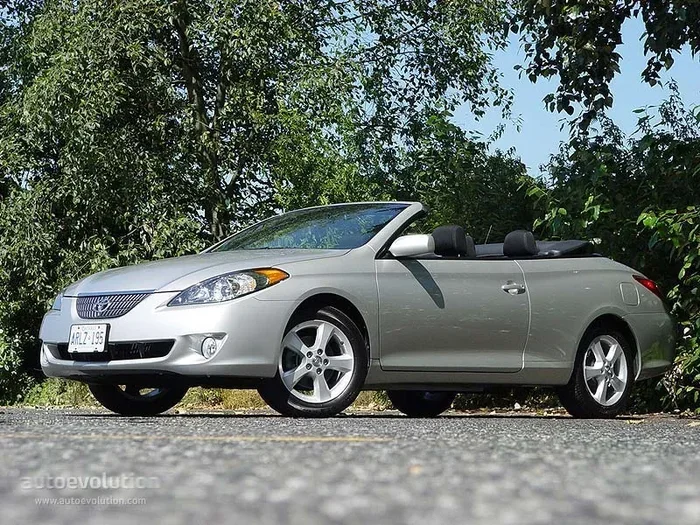
The second-generation Solara arrived in 2004 with a more refined design and added features. All of that extra equipment added pounds. The second-gen Solara weight ranged from about 3,300 to 3,500 pounds, depending on the trim and engine configuration.
The V6 models in this generation were noticeably heavier. The 3.3-liter V6 engine brought more power but also more heft. Owners of second-gen V6 models often noticed the difference in fuel economy compared to the lighter four-cylinder versions. If you are considering a used second-gen Solara, always check the vehicle weight specs before making a decision. This information helps you plan for things like tire replacements and suspension upgrades.
Why Vehicle Weight Matters
You might be thinking, “Does a few hundred pounds really make a difference?” The answer is yes, and it matters more than most people realize. Let us look at the key areas where car weight plays a big role.
Fuel Economy
Heavier vehicles need more energy to move. This is basic physics, and it applies to every car on the road. A heavier Toyota Solara will burn more fuel than a lighter one, all else being equal. The difference might not be dramatic, but over thousands of miles, it adds up at the pump.
For example, a first-gen Solara with the four-cylinder engine could achieve around 21 miles per gallon in the city. The heavier V6 models of the same generation might drop to 19 or 20 mpg. Over a year of regular driving, that difference can mean filling up an extra tank or two.
Towing and Hauling
If you plan to tow anything with a Solara, weight is a critical factor. The towing capacity of a vehicle is directly tied to its own weight. A heavier car has a different towing profile than a lighter one. The Toyota Solara towing capacity was modest, as the Solara was never designed as a truck or SUV. But knowing your car’s weight helps you stay within safe limits.
Always check your owner’s manual for the exact towing specifications. Exceeding the recommended weight limit can damage the engine, transmission, and brakes. It is simply not worth the risk.
Brake and Suspension Wear
Heavier cars put more stress on brakes and suspension components. If your Solara is on the heavier end of the spectrum, you may find yourself replacing brake pads more frequently. The same goes for shock absorbers and struts. Regular maintenance becomes even more important for heavier models.
A quick tip here: keep an eye on your brake fluid and have your brakes inspected at least once a year. This is especially true for second-gen V6 models that carry extra weight.
Toyota Solara Weight By Trim Level
Trim levels also play a role in how much a Solara weighs. Higher trims come with more features, and more features mean more weight. Here is a general breakdown of what to expect.
Base Trim (SE)
The base SE trim was the entry-level Solara. It came with the four-cylinder engine and fewer luxury features. The SE trim weight was typically around 3,200 to 3,250 pounds for the first generation. This made it the lightest and most fuel-efficient option in the Solara lineup.
Mid-Level Trim (SE V6)
The SE V6 added the 3.0-liter V6 engine and a few extra comfort features. The added engine pushed the weight up to around 3,350 pounds. This trim struck a nice balance between performance and practicality.
Top Trim (XLE)
The XLE was the luxury-oriented trim. It came loaded with leather seats, upgraded sound systems, and other comfort features. The XLE trim weight could reach 3,400 to 3,500 pounds, especially in the second generation. All of those extra features and the heavier V6 engine contributed to the higher number.
| Trim Level | Generation | Engine | Approximate Weight |
|---|---|---|---|
| SE | First Gen (1999-2003) | 2.4L 4-Cylinder | 3,200 – 3,250 lbs |
| SE V6 | First Gen (1999-2003) | 3.0L V6 | 3,300 – 3,350 lbs |
| SE | Second Gen (2004-2008) | 2.4L 4-Cylinder | 3,300 – 3,350 lbs |
| SE V6 | Second Gen (2004-2008) | 3.3L V6 | 3,400 – 3,500 lbs |
| XLE | Second Gen (2004-2008) | 3.3L V6 | 3,450 – 3,500 lbs |
These numbers are approximate and can vary based on optional equipment and individual vehicle condition. Always refer to the driver-side door jamb sticker for the exact curb weight of your specific vehicle.
How To Find Your Solara’s Exact Weight
Not sure what your specific Solara weighs? There are a few reliable ways to find out.
- Check the Door Jamb Sticker: Every car has a sticker on the driver’s side door frame. It lists the vehicle gross weight and curb weight. This is the most accurate source for your specific car.
- Consult the Owner’s Manual: The manual often includes weight specifications in the technical section.
- Use Online Databases: Websites like the NHTSA or Toyota’s official site archive can provide weight data by model year and trim.
- Visit a Local Scale: If you want the exact current weight, you can take your Solara to a truck scale or weigh station. This accounts for any modifications or added weight over the years.
Knowing your exact weight is important for several reasons. It helps you choose the right tires, estimate fuel costs, and determine whether your car is within safe limits for any towing you plan to do.
Impact Of Weight On Toyota Solara Performance
Weight is not just a number to look at. It shapes the driving experience in tangible ways.
Acceleration and Handling
A lighter Solara will accelerate faster and handle more responsively. This is why the first-gen four-cylinder SE models feel so nimble on the road. The heavier V6 models trade some of that agility for raw power. If you enjoy spirited driving, a lighter trim might be more your style.
Braking Distance
Physics tells us that heavier objects take longer to stop. A Solara weighing 3,500 pounds will need a slightly longer braking distance than one weighing 3,200 pounds. This is a small difference in everyday driving, but it becomes more noticeable in emergency situations.
Tire Wear
Heavier vehicles wear out tires faster, especially if you do a lot of city driving with frequent stops and starts. Keeping your Solara curb weight in mind when shopping for tires can help you choose the right rated tires for your model.
Common Mistakes Owners Make With Weight Considerations
There are a few mistakes that Solara owners commonly make when it comes to understanding and managing vehicle weight.
- Ignoring the curb weight when buying tires: Tires rated for a lighter vehicle may not handle the weight of a heavier V6 model safely.
- Overloading the car: Many owners forget that the gross vehicle weight rating includes passengers and cargo. Overloading puts stress on the suspension and brakes.
- Not factoring weight into fuel budget: A heavier Solara will cost more to fuel over time. Planning for this can save you money in the long run.
- Skipping brake maintenance on heavier models: The extra weight wears brakes faster. Skipping inspections is a safety risk.
Quick Tips For Managing Your Solara’s Weight
- Remove unnecessary items from the trunk and cabin to keep your car as light as possible.
- Upgrade to lighter aftermarket wheels if you want to reduce unsprung weight.
- Check tire pressure regularly. Proper inflation helps distribute weight evenly.
- Follow the maintenance schedule in your owner’s manual to keep all weight-bearing components in good shape.
- If you are towing, always stay well below the maximum towing limit listed in your manual.
How The Toyota Solara Compares To Similar Models
Curious how the Solara’s weight stacks up against other Toyota models? The Solara shares its platform with the Toyota Camry, so the weights are fairly similar. The Camry 000 miles a lot for a Toyota Camry discussion often touches on weight-related wear and tear, and the same principles apply to the Solara.
Compared to the Toyota Sequoia, the Solara is significantly lighter. The Sequoia is a full-size SUV that weighs well over 5,000 pounds. The Solara’s lighter weight makes it more fuel-efficient and easier to maneuver, but it also means it has less towing and hauling capability.
When compared to compact SUVs and crossovers of the same era, the Solara holds its own in terms of weight. It is lighter than most SUVs, which is one reason it was such a popular choice for buyers who wanted a sporty coupe without the bulk of an SUV.
If you are curious about how the Solara’s weight affects its long-term reliability, it is worth noting that many owners have driven their Solaras well past 200,000 miles. The relatively moderate weight of the car means less stress on the engine and drivetrain over time, which contributes to its longevity.
Final Thoughts On Toyota Solara Weight
The Toyota Solara is a car whose weight tells a story. From the lightweight first-gen four-cylinder models to the heavier second-gen V6 trims, every pound matters. Understanding your Solara’s weight helps you make better decisions about maintenance, fuel, towing, and even resale value.
Whether you are buying a used Solara, planning a road trip, or just curious about your daily driver, knowing the weight gives you a practical advantage. It is one of those details that seems small but has a real impact on how you live with the car every day.
Take a moment to check your Solara’s exact weight using the door jamb sticker or owner’s manual. Use that information to make smarter choices about tires, maintenance schedules, and driving habits. Your Solara will thank you with better performance and a longer life on the road.
And if you ever wonder about how much a Solara is worth on the used market, understanding its weight and condition together gives you a clearer picture of its overall value. Weight is just one piece of the puzzle, but it is an important one.
Frequently Asked Questions
What is the curb weight of a Toyota Solara?
The curb weight of a Toyota Solara ranges from about 3,200 pounds for the first-generation base model to around 3,500 pounds for the second-generation V6 top trim. The exact weight depends on the model year, engine type, and trim level.
Does the engine type affect the Toyota Solara’s weight?
Yes, it does. The V6 models weigh more than the four-cylinder versions because the V6 engine is heavier. On average, a V6 Solara weighs about 100 to 150 pounds more than its four-cylinder counterpart.
How does the Solara’s weight affect fuel economy?
Heavier vehicles require more fuel to move. The lighter four-cylinder Solara models typically achieved better fuel economy than the heavier V6 versions. Over time, this difference can add up to noticeable savings at the pump.
Can I tow with a Toyota Solara?
Yes, but the Solara’s towing capacity is limited. Its relatively light weight means it is not designed for heavy towing. Always check your owner’s manual for the exact towing limits and stay well within those guidelines.
Is the second-generation Solara heavier than the first?
Yes, the second-generation Solara is generally heavier. Added features, updated safety equipment, and the larger 3.3-liter V6 engine contributed to the increase in weight compared to the first generation.
Where can I find the exact weight of my Toyota Solara?
The most accurate source is the sticker on your driver’s side door jamb. It lists the curb weight and gross vehicle weight rating. Your owner’s manual and online Toyota databases are also reliable sources for this information.
=== CONCLUSION ===
The Toyota Solara is a car that balances sportiness and practicality, and its weight plays a bigger role in that balance than many owners realize. From the first generation to the second, the Solara curb weight varied based on engine choice, trim level, and added features. Understanding these numbers helps you take better care of your car, plan for fuel costs, and make safe towing decisions.
Whether your Solara weighs 3,200 pounds or 3,500 pounds, every pound has an impact. Keep your vehicle weight specs in mind, stay on top of maintenance, and enjoy the ride. The Toyota Solara is a car that rewards owners who pay attention to the details, and weight is one of the most important details of all.