How Long Can a Corolla Actually Go Without an Oil Change
How long can a Corolla go without an oil change? Most Toyota Corollas can travel between 10,000 and 15,000 miles or 12 months before needing fresh oil, but driving habits and oil type matter. This guide reveals the truth about Corolla oil change intervals and helps you avoid engine damage.
Many Toyota Corolla owners ask the same question: how long can a Corolla go without an oil change. The short answer is that most Corollas can run between 10,000 and 15,000 miles before needing fresh oil. But that number can shift based on your driving habits, the type of oil you use, and your vehicle’s age.
Oil is the lifeblood of your engine. It reduces friction, cleans away debris, and keeps metal parts from grinding together. When oil breaks down, it loses its ability to protect. That means engine wear accelerates. So, knowing your Corolla oil change interval is one of the simplest ways to protect your investment.
In this guide, we break down everything you need to know. From factory-recommended intervals to warning signs that your engine is crying for help, we cover it all. You will also learn whether a DIY oil change makes sense and what mechanics actually check during a service. Let us keep your Corolla running strong for miles to come.
Key Takeaways
- Most Corollas can go 10,000–15,000 miles between oil changes when using synthetic oil.
- Toyota’s oil life system monitors driving conditions and alerts you when service is due.
- Skipping oil changes can lead to engine sludge, reduced performance, and costly repairs.
- You can DIY the oil change if you have basic tools and the right oil.
- Warning signs like dark oil, engine noise, and the oil change light mean you need service soon.
- Resetting the oil life system after a change is essential for accurate tracking.
- Check your owner’s manual for the exact interval, as it varies by model year.
📑 Table of Contents
How Long Can a Corolla Actually Go Without an Oil Change?
The honest answer depends on a few factors. Toyota used to recommend an oil change every 3,000 miles or 3 months. Those days are mostly gone. Modern Corollas with synthetic oil can go much longer. But “much longer” does not mean “forever.”
Here is a quick look at the general guidelines:
- Normal driving: 10,000 to 15,000 miles or 12 months.
- Severe driving: 5,000 to 7,500 miles or 6 months.
- Older models (pre-2015): 5,000 miles or 6 months with conventional oil.
Severe driving includes short trips, extreme heat, towing, or stop-and-go traffic. If you live in a hot climate like Phoenix or Dubai, your engine works harder. Oil degrades faster under these conditions. So, if you ask how long can a Corolla go without an oil change in the desert, the answer is shorter than the manual suggests.
Toyota engineers designed the oil life system to account for this. The system tracks engine revolutions, temperature, and driving patterns. It does not just count miles. It watches how hard your engine works. When the system determines the oil is spent, it triggers a warning light. That light is your best friend.
Normal Service vs. Severe Service
Your Corolla owner’s manual splits driving conditions into two categories. Normal service means mostly highway driving at moderate speeds. Severe service means frequent short trips, dusty roads, or heavy loads.
| Driving Condition | Recommended Interval | Oil Type |
|---|---|---|
| Normal | 10,000–15,000 miles | Synthetic |
| Severe | 5,000–7,500 miles | Synthetic or Conventional |
Most daily commuters actually fall into the severe category. If you drive less than 5 miles to work in cold weather, your engine never fully warms up. Moisture builds up in the oil. That moisture causes sludge. Sludge clogs oil passages and starves the engine of lubrication. So, even if your odometer shows few miles, time matters.
Quick Tips for Extending Oil Life
- Warm up the engine gently before hard driving.
- Avoid short trips when possible.
- Use high-quality synthetic oil rated for Toyota engines.
- Check the oil level every two weeks.
- Keep the oil filter clean and replace it with every oil change.
What Happens If You Skip an Oil Change?
Skipping an oil change is like skipping a meal for your engine. At first, nothing obvious happens. But over time, the oil loses its additives. It becomes gritty and thick. Instead of flowing smoothly, it starts to trap contaminants.
Here is what can go wrong:
- Engine sludge builds up. Old oil turns into a dark, tar-like substance. It coats internal components and restricts oil flow.
- Increased friction and heat. Without clean oil, metal parts grind against each other. This accelerates wear on bearings and cylinder walls.
- Reduced fuel economy. A strained engine works harder. You will notice fewer miles per gallon.
- Costly repairs. A seized engine can cost thousands of dollars to fix. A simple oil change costs a fraction of that.
Some owners wonder if they can push the limit just a little. The answer is yes, but only if the oil life system has not triggered and the oil still looks amber. Once the oil turns dark brown or black, it is past its prime. Do not wait for the check engine light to come on. By then, damage may already be done.
When you do take your car in for service, a good shop will check more than just the oil. They often inspect transmission fluid, coolant levels, and brake pads. To learn more about what happens during a full service, read Do Mechanics Check Transmission Fluid During An Oil Change.
Common Mistakes That Shorten Oil Life
- Ignoring the oil change light. The light is there for a reason. Reset it only after you actually change the oil.
- Using the wrong oil viscosity. Always follow Toyota’s recommendation in the manual. Using 10W-40 instead of 0W-20 can cause poor lubrication.
- Overfilling the oil. Too much oil can foam and lose its lubricating properties. It can also damage the crankshaft.
- Forgetting to replace the oil filter. A clogged filter traps contaminants and recirculates them through the engine.
The Truth About Toyota Corolla Oil Change Intervals
Toyota does not use a one-size-fits-all interval anymore. The oil life system is the real guide. It uses algorithms to determine when your specific driving patterns require service. So, even if you have driven only 7,000 miles, the system might say it is time for a change if those miles were in heavy traffic.
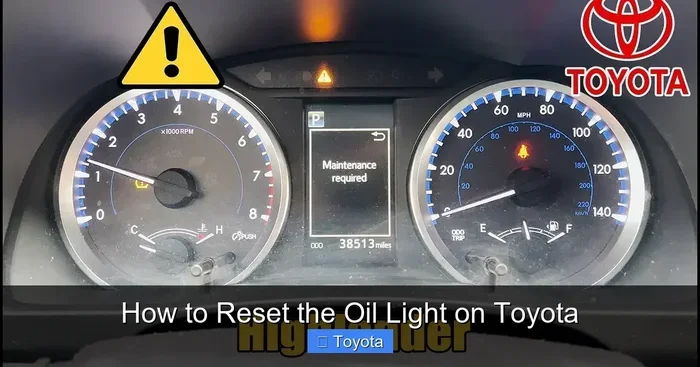
Your Corolla might have an oil life monitor that tells you when service is due. Learn how it works in Does Your Car Say When You Need An Oil Change. The system typically displays a percentage or a simple “Oil Life: 15%” message. When it hits zero, you are overdue.
What does the system actually monitor?
- Engine revolutions per minute (RPM)
- Coolant temperature
- Ambient temperature
- Driving time vs. idle time
- Number of cold starts
If you drive mostly on the highway in moderate weather, the system will give you a longer interval. If you sit in stop-and-go traffic every day, it will shorten the interval. This smart approach prevents both premature changes and overdue services.
What Toyota Mechanics Say About Oil Changes
We asked a certified Toyota technician about common questions. He shared a few insights:
- “Most Corolla owners can safely go 10,000 miles with synthetic oil. But if they tow a trailer, we recommend cutting that in half.”
- “The oil life system is reliable, but it does not measure the oil’s physical condition. A visual check never hurts.”
- “After an oil change, always reset the oil life system. Here is why you should never skip that step: Do You Reset After An Oil Change.”
Resetting the system ensures the computer starts tracking from zero again. If you forget to reset, the light may stay off even when the oil is old. Then you lose the benefit of the monitoring system entirely.
Can You Change a Corolla’s Oil Yourself?
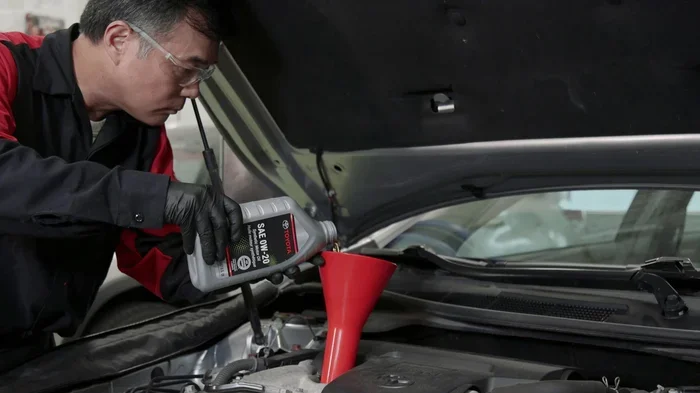
Yes, you can. Changing the oil in a Corolla is one of the simplest DIY jobs. It requires basic tools, a lift or jack stands, and about 30 minutes. If you are handy, you can save money by doing it yourself. Check out our step-by-step guide: Can I Change My Corolla S Oil Myself.
Here is what you will need:
- The correct amount of synthetic oil (usually 4 to 5 quarts for a Corolla)
- A new oil filter (Toyota OEM or a quality aftermarket filter)
- A socket wrench and oil filter wrench
- A drain pan
- Jack stands or a ramp
- Gloves and safety glasses
Follow these steps for a clean, safe oil change:
- Warm up the engine for 2–3 minutes. This helps the oil flow out faster.
- Lift the car securely with jack stands.
- Place the drain pan under the oil pan.
- Remove the drain plug and let the old oil drain completely.
- Replace the oil filter. Lightly coat the new gasket with fresh oil first.
- Reinstall the drain plug and tighten it to the proper torque.
- Add the new oil through the valve cover filler tube.
- Check the level with the dipstick. Add more if needed.
- Run the engine for 1 minute, then check for leaks.
- Reset the oil life system using the steering wheel controls.
One of the biggest advantages of a DIY oil change is that you control the quality of the parts. You can choose a high-mileage synthetic blend if your Corolla has over 100,000 miles. You also avoid the upsell that sometimes happens at quick-lube shops.
DIY Oil Change vs. Professional Oil Change
| Factor | DIY Oil Change | Professional Oil Change |
|---|---|---|
| Cost | $30–$50 (oil and filter only) | $50–$100 (including labor and fluids check) |
| Time | 30–45 minutes | 15–30 minutes |
| Convenience | Requires tools and a safe workspace | Drive in, wait, drive out |
| Additional Checks | None unless you do them | Transmission fluid, coolant, brake inspection |
| Warranty Impact | Keep receipts to prove maintenance | Service records are automatically logged |
If you are not comfortable under the car, a professional service is a perfectly fine choice. Just make sure the shop uses the oil spec recommended by Toyota. You can also ask them to reset the oil life system for you.
Warning Signs Your Corolla Needs an Oil Change
Your Corolla will give you clues long before the oil turns to sludge. Pay attention to these warning signs:
- Dark, gritty oil on the dipstick. Fresh oil is amber and translucent. Old oil turns dark brown or black and feels gritty between your fingers.
- Engine noise or knocking. Old oil loses its ability to cushion metal parts. You may hear a ticking or knocking sound, especially on cold starts.
- Oil change light is on. This is the most obvious sign. Do not ignore it. The light means the oil life system has determined the oil is spent.
- Decreased fuel economy. If you are filling up more often, dirty oil could be the culprit. A strained engine burns more fuel.
- Exhaust smoke. Blue or gray smoke from the tailpipe can indicate oil burning in the combustion chamber.
- Oil smell inside the car. If you smell burning oil, check the level immediately. You may have a leak or excessive oil consumption.
If you notice any of these signs, do not wait. Schedule an oil change right away. Driving with old oil is like running a marathon with a sprained ankle. You can do it, but you will cause more damage than necessary.
Quick Tip: The Paper Towel Test
Pull out your dipstick and wipe the oil on a white paper towel. If the oil leaves a dark, thick smear with tiny metal particles, it is time for a change. Clean oil will leave a thin, amber stain that spreads evenly.
Final Thoughts on Corolla Oil Change Frequency
So, how long can a Corolla go without an oil change? The answer is that it depends on your driving style, the oil you choose, and the condition of your engine. For most modern Corollas, 10,000 to 15,000 miles with synthetic oil is a safe range. But if you drive in severe conditions, cut that interval in half.
Regular oil changes are the cheapest form of engine insurance. A few dollars spent on fresh oil and a new filter can prevent a $5,000 engine rebuild. Do not wait for the check engine light or strange noises. Stay ahead of the problem.
Remember to reset the oil life system after every change. Keep a log of your oil changes, including the date, mileage, and oil type. If you ever sell the car, a complete maintenance record boosts its resale value. And if you ever wonder whether you can do it yourself, revisit our guide on DIY Corolla oil changes for confidence and clear instructions.
Your Toyota Corolla is built to last. Treat its oil right, and it will reward you with years of reliable, smooth driving. Start today by checking your oil level and scheduling your next change before the oil life system reminds you.
Frequently Asked Questions
How often should I change the oil in my Toyota Corolla?
Most Toyota Corollas can go 10,000 to 15,000 miles or 12 months between oil changes when using synthetic oil. If you drive in severe conditions, such as frequent short trips or extreme heat, cut that interval to 5,000–7,500 miles. Always refer to your owner’s manual for the exact recommendation.
Can I use synthetic oil in my Corolla?
Yes, synthetic oil is not only safe but actually recommended for most modern Corollas. It provides better protection at extreme temperatures and lasts longer than conventional oil. Check your owner’s manual to confirm the correct viscosity, usually 0W-20 or 5W-30.
What happens if I go too long without an oil change?
Going too long without an oil change causes the oil to break down and form sludge. Sludge restricts oil flow, leading to increased friction, overheating, and accelerated engine wear. In severe cases, it can cause a seized engine, which requires a very expensive repair.
How do I reset the oil change light on a Corolla?
Resetting the oil change light varies by model year. Most Corollas allow you to reset it through the steering wheel controls on the instrument cluster. Turn the ignition to ON, scroll to the maintenance menu, and select “Reset.” If you are unsure, the owner’s manual has step-by-step instructions.
Is it safe to drive a Corolla with low oil?
No, driving with low oil is dangerous. The engine will not receive proper lubrication, which causes metal parts to grind together. Even a few minutes of driving with critically low oil can cause permanent damage. Check the level immediately and top up with the correct oil type.
Can I change my Corolla’s oil myself?
Yes, changing the oil in a Corolla is a straightforward DIY job. You need basic tools, a jack or ramps, the correct oil, and a new filter. It takes about 30 minutes and can save you money. If you are new to it, watch a tutorial or ask a friend to guide you through the first time.