How Do I Turn Cruise Control Off Without Stressing
Learning how do I turn cruise control off is one of the most important driving skills you can master. Whether you drive a sedan, SUV, or truck, knowing the exact buttons and levers to use keeps you safe on every trip. This guide walks you through every method, from the brake pedal trick to the steering wheel switch, so you never feel stuck or confused behind the wheel. We also cover common problems, expert tips, and mistakes to avoid. By the end, you will feel confident and in full control every time.
You are cruising down the highway. The road stretches out ahead of you. Your foot rests comfortably off the pedal. Everything feels smooth and easy. Then suddenly, traffic slows down. A car cuts in front of you. Or maybe you need to take an exit right now. In moments like these, you need to know exactly how do I turn cruise control off.
This question might seem simple. But many drivers freeze up when they need to deactivate cruise control the most. The good news is that turning it off is usually quick and easy. Every vehicle has a method designed for safety. Once you learn the basics, you will never feel stressed behind the wheel again.
In this guide, we break down every way to turn cruise control off. We cover older cars with a throttle stalk. We cover new cars with buttons on the steering wheel. We also talk about adaptive cruise control systems, which work a bit differently. By the time you finish reading, you will have all the answers you need.
Key Takeaways
- Brake Pedal Method: Tapping the brake pedal is the fastest and most universal way to cancel cruise control on any vehicle.
- Steering Wheel Controls: Most modern cars have a dedicated button on the steering wheel or stalk to turn cruise control off.
- Adaptive Cruise Control Works Differently: ACC systems use sensors and may require a different shutoff process than traditional cruise control.
- Common Mistakes Cause Stress: Pressing the wrong button or not knowing your specific system leads to confusion and unsafe driving moments.
- Reset Is Simple: Restarting cruise control after turning it off takes just a few seconds once you know the steps.
- Safety First: Always disengage cruise control in heavy traffic, rain, or winding roads to stay fully alert.
📑 Table of Contents
- Why Knowing How to Turn Cruise Control Off Matters
- How Adaptive Cruise Control Turn Off Works
- Step-by-Step: How to Turn Cruise Control Off in Different Cars
- Common Problems When Cruise Control Will Not Turn Off
- When You Should Turn Cruise Control Off
- Expert Tips to Avoid Cruise Control Stress
- Quick Comparison: Traditional vs. Adaptive Cruise Control
- How to Reset Cruise Control After Turning It Off
- Key Takeaways
- Final Thoughts
Why Knowing How to Turn Cruise Control Off Matters
Cruise control is a great feature. It saves your foot from tiring on long drives. It helps you maintain a steady speed. It even improves fuel economy on highways. But this system is not perfect. Situations change fast when you drive. You need to react quickly and safely.
When cruise control stays engaged too long, it can create problems. Your car keeps accelerating even when traffic slows. You might not notice the speed creeping up. This is why every driver should know exactly how do I turn cruise control off without thinking twice.
Understanding your vehicle’s system builds confidence. Confidence makes you a safer driver. Safety always comes first on the road. Let us dive into the different methods you can use.
The Most Common Way: Hit the Brake Pedal
Here is the simplest and most universal method. In almost every car ever made, pressing the brake pedal turns off cruise control. The brake pedal sends an instant signal to the system. It tells the car to stop maintaining speed. This is by design. Safety engineers made it this way on purpose.
You do not need to press the brake hard. A light tap is enough. The moment you feel the brake pedal engage, cruise control cancels. You will usually hear a click or see a light turn off on your dashboard.
Quick Tip: Always keep your right foot near the brake pedal when cruise control is active. This habit keeps you ready to react at any moment. It takes just a second to tap the brake and regain full control.
Using the Cruise Control Button on the Steering Wheel
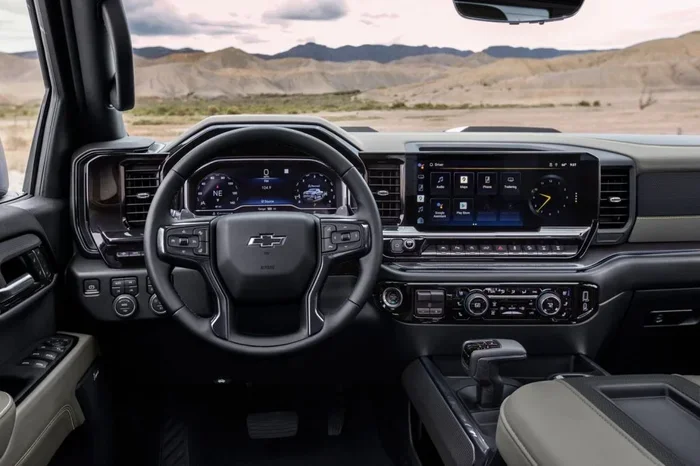
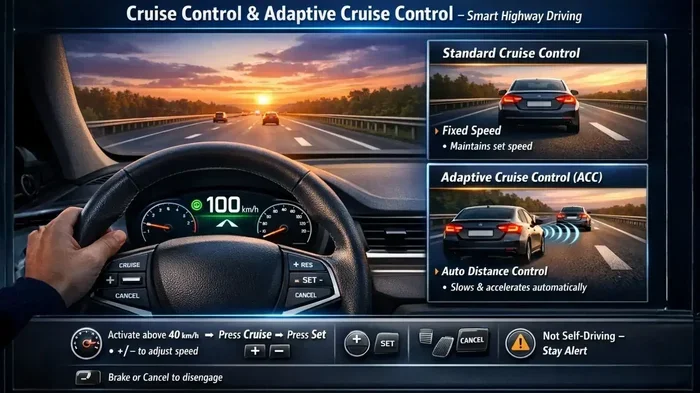
Many modern vehicles have a dedicated cancel button right on the steering wheel. This button is often labeled “Cancel” or “CC.” It sits among other controls for your audio, phone, and vehicle settings.
Pressing this button shuts off cruise control without slowing the car down. Your vehicle will coast at whatever speed it was going. You then take over with your foot on the accelerator or brake.
Some cars also have an “Off” switch that completely disables the cruise control system. This switch is usually found on the steering column or near the dashboard. It turns the entire system off until you choose to activate it again.
Quick Tip: Take a moment to locate your cruise control buttons before you hit the road. Every car layout is different. Knowing where the buttons are ahead of time saves precious seconds when you need them most.
The Throttle Stalk Method for Older Vehicles
If you drive an older car, you might have a throttle stalk on the steering column. This is the lever that controls cruise control. It is usually on the right side of the steering column.
To turn cruise control off with a stalk, you simply pull the lever toward you or push it in a specific direction. The exact motion depends on your vehicle make and model. Some stalks have a release button you need to press first.
Older vehicles from the 1990s and early 2000s relied heavily on this method. If your car has a manual throttle lever, check your owner manual for the exact instructions. The manual will show you the correct way to cancel and reset the system.
How Adaptive Cruise Control Turn Off Works
Adaptive cruise control, often called ACC, is a more advanced system. It uses radar, cameras, or sensors to keep a safe distance from the car ahead of you. This technology is amazing. But it also means the shutoff process can be slightly different.
Most ACC systems still respond to the brake pedal. Tapping the brake will cancel adaptive cruise control just like regular cruise control. However, some systems also have a dedicated button on the steering wheel.
What Happens When ACC Cancels
When you cancel adaptive cruise control, your car returns to normal driving mode. You are now responsible for maintaining your speed and distance from other vehicles. The sensors turn off temporarily. They will not resume automatic braking or acceleration until you restart the system.
Some vehicles will flash a warning light on the dashboard when ACC disengages. This light reminds you that the system is no longer active. Always pay attention to these visual cues. They help you stay aware of what your car is doing at all times.
Quick Tip: If your adaptive cruise control turns off unexpectedly, do not panic. Check your dashboard lights. Make sure nothing is blocking the sensors. Sometimes dirt, snow, or debris on the front bumper can cause the system to shut down on its own.
Step-by-Step: How to Turn Cruise Control Off in Different Cars
Every vehicle brand handles cruise control a little differently. Here is a look at how some popular brands approach the cancel process.
Toyota and Honda
Toyota and Honda vehicles typically use a combination of the brake pedal and steering wheel buttons. On most Toyota models, you press the “Cancel” button on the steering wheel or simply tap the brake. Honda vehicles work similarly. The brake pedal is the primary method. The cruise control lever on the steering column also has a cancel position.
Ford and Chevrolet
Ford trucks and cars often have a dedicated “Cruise” button on the steering wheel. Pressing it toggles the system off. Chevrolet vehicles use a mix of steering wheel buttons and the brake pedal. On older Chevy models, the throttle stalk is the main way to control cruise control.
Luxury Brands like BMW and Mercedes-Benz
Luxury vehicles often have more sophisticated systems. BMW uses a combination of steering wheel buttons and the brake pedal. Mercedes-Benz vehicles typically feature a cruise control lever on the steering column. These systems may also include speed limiter functions that work separately from cruise control.
No matter what brand you drive, the brake pedal method always works as a backup. If you cannot find the cancel button, just tap the brake. That is the one rule that applies to every single vehicle on the road.
Common Problems When Cruise Control Will Not Turn Off
Sometimes cruise control does not respond the way it should. This can be frustrating and even stressful. Here are the most common issues drivers face.
The Brake Pedal Does Not Cancel Cruise Control
If pressing the brake does not turn off cruise control, there may be a deeper problem. A faulty brake light switch is one common cause. This switch tells the car when you are pressing the brake. If it fails, the system does not receive the signal to cancel.
Another possibility is a problem with the cruise control module. This computer component manages the entire system. If it malfunctions, cruise control might not respond to any input. A qualified mechanic can diagnose and fix this issue quickly.
Dashboard Warning Lights Stay On
After you cancel cruise control, the indicator light on your dashboard should turn off. If it stays on, the system may still be active even if the car is not maintaining speed. This is a warning sign. Check your owner manual for the specific light meaning. You may need a professional inspection to resolve the issue.
Quick Tip: If cruise control refuses to turn off, pull over safely. Turn off the engine. Wait a few minutes. Restart the car. This simple reset often clears minor electronic glitches. It is the easiest first step before visiting a mechanic.
When You Should Turn Cruise Control Off
Cruise control is wonderful on open highways. But it is not always the right choice. Knowing when to turn it off is just as important as knowing how.
In Heavy Traffic
Stop-and-go traffic is no place for cruise control. You need full control of your speed at all times. Traffic changes direction quickly. Cars brake and accelerate constantly. Keeping cruise control on in these conditions is dangerous.
On Wet or Icy Roads
Rain, snow, and ice change how your car handles. Cruise control can cause your wheels to spin if the system tries to maintain speed on a slippery surface. Always turn it off when road conditions are less than perfect.
On Winding or Mountain Roads
Curves and steep grades require constant speed adjustments. Cruise control works best on flat, straight roads. On mountain passes or winding highways, manual control keeps you safer.
When You Are Tired
Cruise control can make you less alert over time. Without actively controlling speed, your attention may drift. If you feel drowsy, turn cruise control off. Stay fully engaged with the road. Your safety depends on it.
Expert Tips to Avoid Cruise Control Stress
Even experienced drivers sometimes feel confused by cruise control systems. Here are some expert-backed tips to keep things simple and stress-free.
- Read Your Owner Manual: Spend 10 minutes reading the cruise control section. Every vehicle has unique features. Understanding yours takes the guesswork out of driving.
- Practice in Safe Areas: Find an empty highway or open road. Practice turning cruise control on and off several times. Building muscle memory makes the process automatic when you really need it.
- Use the “Resume” Button Wisely: After canceling cruise control, you can often press “Resume” to return to your set speed. But only do this when conditions are safe and appropriate.
- Keep the System Clean: For adaptive cruise control, keep the sensors on your front bumper clean. Wipe them regularly. Dirty sensors cause false shutdowns and warning lights.
- Know Your Fuse Box: If cruise control stops working entirely, a blown fuse could be the cause. Check your fuse box. Replace any blown fuses related to the cruise control system.
Quick Comparison: Traditional vs. Adaptive Cruise Control
| Feature | Traditional Cruise Control | Adaptive Cruise Control |
|---|---|---|
| Maintains Speed | Yes | Yes |
| Maintains Distance | No | Yes |
| Uses Sensors | No | Yes |
| Cancel Method | Brake pedal or button | Brake pedal or button |
| Best For | Open highways | Highways with traffic |
| Works in Traffic | No | Yes (with limitations) |
Both systems share one thing in common. You can always cancel them by pressing the brake pedal. That is the universal safety feature built into every cruise control system ever made.
How to Reset Cruise Control After Turning It Off
Once you have turned cruise control off, you might want to turn it back on again. The reset process is simple and fast.
- Press the brake pedal to ensure the car is at a safe speed.
- Locate the “Set” or “Resume” button on your steering wheel or stalk.
- Press the button to reactivate the system.
- Choose your desired speed using the “Set” or “+” button.
- Confirm the system is active by checking the dashboard indicator light.
That is all it takes. The entire process takes less than five seconds. Once you practice it a few times, it becomes second nature.
Quick Tip: Always set your cruise control at a speed that is safe and legal for current road conditions. Just because the system allows a certain speed does not mean you should use it. Use good judgment every time.
Key Takeaways
- Brake Pedal Is Universal: Tapping the brake pedal cancels cruise control on every vehicle, regardless of make or model.
- Steering Wheel Buttons Offer Precision: Dedicated cancel and off buttons give you quick control without touching the brake.
- Older Vehicles Use Stalks: Throttle levers on the steering column are the standard method for vintage cruise control systems.
- Adaptive Systems Have Extra Features: ACC adds distance sensing but still cancels the same way as traditional cruise control.
- Know When to Turn It Off: Wet roads, heavy traffic, winding routes, and fatigue all call for disabling cruise control.
- Reset Is Effortless: Turning cruise control back on takes just a few button presses once you know the steps.
- Stay Calm and Practice: Confidence comes from familiarity. Practice the system in safe conditions so you are prepared for real-world moments.
Final Thoughts
Now you know exactly how do I turn cruise control off. You have all the methods, tips, and expert advice you need. The brake pedal works every time. The steering wheel button gives you a quick alternative. And for older vehicles, the throttle stalk is your go-to tool.
Remember that cruise control is a helper, not a replacement for your attention. Use it wisely. Turn it off when conditions demand it. And never hesitate to take manual control whenever you feel unsure.
The road is always changing. Your ability to adapt is what keeps you safe. With the knowledge from this guide, you are better prepared for every driving situation. Cruise control should make your life easier. Now it will, without any stress or confusion.
Take a moment today to review your vehicle’s cruise control system. Locate the buttons. Read the manual section. Practice the cancel process. This small effort pays off every time you get behind the wheel. Drive safe, stay alert, and enjoy the journey.
Frequently Asked Questions
Can I turn off cruise control without pressing the brake?
Yes, most vehicles have a cancel button on the steering wheel or a switch on the steering column that turns off cruise control without touching the brake. However, the brake pedal remains the fastest and most universal method across all car brands and models.
Why does my cruise control keep turning off by itself?
This can happen for several reasons. A faulty brake light switch, a blown fuse, or a malfunctioning cruise control module are common causes. Dirt or moisture on the sensors can also trigger automatic shutdowns in adaptive cruise control systems. If the problem persists, have a mechanic inspect your vehicle.
Does pressing the clutch turn off cruise control?
In manual transmission vehicles, pressing the clutch pedal usually cancels cruise control. The clutch sends a signal similar to the brake pedal, telling the system to disengage. This is a standard safety feature in cars with manual gearboxes.
Is it safe to use cruise control in the rain?
No, it is generally not safe. Wet roads reduce tire traction, and cruise control can cause your wheels to spin if the system tries to maintain speed. Always turn off cruise control when driving on wet, icy, or slippery surfaces to maintain full vehicle control.
How do I know if my cruise control is active?
Most vehicles display a cruise control indicator light on the dashboard when the system is active. The light is usually green or white when engaged and turns off or changes color when the system is canceled. Check your owner manual to identify the specific light for your vehicle.
Can a dead battery affect my cruise control system?
Yes, a weak or dead battery can disrupt electronic systems including cruise control. If your battery is failing, you may notice multiple electrical issues at once. Replacing the battery usually resolves cruise control problems caused by electrical failures.
=== CONCLUSION ===
Understanding how do I turn cruise control off is a fundamental driving skill. It keeps you safe, builds confidence, and removes stress from every journey. Whether you tap the brake, press a steering wheel button, or pull a throttle stalk, the method is always within reach. Use the tips from this guide every time you drive. Stay alert, stay prepared, and enjoy the open road with complete control over your vehicle.