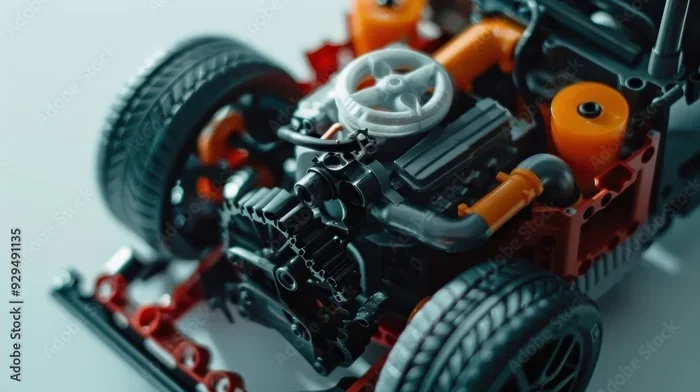
12v DC Motor for Toy Car How to Choose the Right One
Choosing the right 12v DC motor for your toy car can make or break the entire build experience. This guide walks you through everything you need to know about motor types, specifications, and performance factors. You will learn how to match motor specs to your toy car project for the best speed, torque, and durability every time.
Building or upgrading a toy car is one of the most fun projects you can take on. Whether you are a hobbyist, a parent helping your kid, or someone who just loves tinkering, the motor is the heart of the whole build. A 12v DC motor for toy car projects is one of the most popular choices out there. It offers a great balance of power, size, and affordability. But with so many options on the market, how do you pick the right one?
This guide breaks everything down in simple terms. You will learn about the different types of motors, what specs really matter, and how to avoid costly mistakes. By the end, you will feel confident choosing the perfect 12v DC motor for your next toy car build. Let us get started.
Key Takeaways
- Match motor type to your project: Brushed and brushless motors each have unique benefits for toy cars.
- Check key specs carefully: Voltage, RPM, torque, and wattage determine how your motor will perform.
- Consider the gearbox: The right gear ratio boosts speed or power depending on your needs.
- Installation matters: Proper mounting and wiring prevent damage and extend motor life.
- Maintenance keeps it running: Regular cleaning and lubrication help your motor last for years.
- Avoid common pitfalls: Overloading, wrong voltage, and poor wiring are the top mistakes toy makers make.
📑 Table of Contents
- What Is a 12v DC Motor for Toy Car Use?
- Types of 12v DC Motors for Toy Cars
- Key Specifications to Consider
- How to Choose the Right Motor for Your Toy Car
- Installing and Maintaining Your 12v DC Motor
- Common Mistakes to Avoid When Choosing a Toy Car Motor
- Final Thoughts on Choosing a 12v DC Motor for Toy Car Projects
What Is a 12v DC Motor for Toy Car Use?
A 12v DC motor is a small electric motor that runs on 12 volts of direct current. “DC” stands for direct current, which means the electricity flows in one direction. This is different from AC motors, which alternate the current direction many times per second.
These motors are used in a huge range of applications. You will find them in remote control cars, educational science kits, DIY hobby projects, and even some household appliances. For toy cars specifically, a 12v DC motor gives enough power to move a small vehicle at a fun speed without being too bulky or expensive.
The basic idea is simple. Electricity goes into the motor, and the motor spins an axle. That axle connects to the wheels through a gearbox. The gearbox helps control speed and pulling power, which we will talk about soon.
Why 12 Volts?
Twelve volts is a sweet spot for toy car projects. Here is why it works so well:
- Safe voltage level: 12v is low enough to be safe for kids and beginners. You do not need high-voltage wiring or special safety gear.
- Easy power source: Most toy car battery packs are 12v. You can also use a standard 12v car battery or a power supply adapter.
- Good power-to-size ratio: A 12v motor gives strong performance without being oversized for a small toy car.
- Affordable and widely available: These motors are mass-produced, so they cost less and are easy to find online or at hobby shops.
If you are just starting out, a 12v DC motor for toy car builds is the best place to begin. It is simple, reliable, and versatile.
Types of 12v DC Motors for Toy Cars
Not all motors are the same. Different types work better for different projects. Let us look at the main kinds you will run into when shopping for a 12v DC motor for toy car builds.
Brushed DC Motors
Brushed motors are the most common type you will find in toy cars. They use carbon brushes that touch a spinning commutator to switch the direction of current. This creates a rotating magnetic field that turns the motor.
Pros of brushed motors:
- They are inexpensive and easy to find.
- Simple to control with basic speed regulators.
- Good for beginners and simple projects.
- Easy to replace when they wear out.
Cons of brushed motors:
- The brushes wear down over time and need replacement.
- They produce more friction and heat.
- Less efficient than brushless options.
- They can create electrical noise that interferes with remote controls.
For most toy car projects, a brushed 12v DC motor works perfectly fine. They are the go-to choice for hobbyists and parents alike.
Brushless DC Motors
Brushless motors do not use physical brushes. Instead, they use an electronic controller to manage the current. This design has several advantages.
Pros of brushless motors:
- Longer lifespan because there are no brushes to wear out.
- More efficient and run cooler.
- Higher power-to-weight ratio.
- Smoother and quieter operation.
Cons of brushless motors:
- More expensive than brushed motors.
- Require a special electronic speed controller (ESC).
- A bit more complex for beginners to set up.
If you are building a high-performance toy car or want a longer-lasting motor, a brushless 12v DC motor for toy car project is worth the extra investment.
Gearbox Motors (Gear Motors)
A gearbox motor is a standard DC motor paired with a gear reduction system. The gears slow down the motor’s spinning speed but increase the torque. This is perfect for toy cars that need to pull weight or climb slight inclines.
Many toy car kits come with a gearbox motor already attached. If you are building from scratch, you can buy a motor and a separate gearbox, or buy a combo unit.
Key Specifications to Consider
When shopping for a 12v DC motor for toy car projects, the specifications can be confusing. Here is what each number means and why it matters.
Voltage Rating
The voltage rating tells you how much electrical power the motor needs to run. A 12v DC motor is designed to operate at 12 volts. Running it at a lower voltage will make it spin slower. Running it at a higher voltage can burn it out.
Always match your motor voltage to your battery pack. If you use a 12v battery, use a 12v motor. Simple as that.
RPM (Revolutions Per Minute)
RPM measures how fast the motor shaft spins. A higher RPM means the wheels turn faster. Most toy car motors fall between 1,000 and 10,000 RPM.
For a fast toy car, look for a motor with 5,000 RPM or higher. For a car that pulls heavy loads or climbs hills, a lower RPM with higher torque is better.
Torque
Torque is the twisting force the motor produces. It is what gets your toy car moving from a standstill and helps it climb over obstacles.
Torque is measured in kilogram-centimeters (kg-cm) or ounce-inches (oz-in). Higher torque means more pulling power. If your toy car is heavy or needs to go off-road, prioritize torque over top speed.
Wattage and Power
Wattage tells you the overall power output of the motor. You can calculate it by multiplying voltage by current (amps). A typical 12v DC motor for toy car use draws between 1 and 5 amps, giving you 12 to 60 watts of power.
More wattage means more speed and pulling force. But it also means more battery drain. Find a balance that fits your project goals.
Shaft Size and Type
The shaft is the part that connects to the wheels or gearbox. Shaft sizes vary, so you need to match the motor shaft to your toy car’s wheels or drivetrain. Common shaft diameters for toy motors are 2mm, 3mm, and 4mm.
Some motors come with a pre-attached gearbox and a smaller output shaft. Others have a bare shaft that you need to connect to your wheels directly.
How to Choose the Right Motor for Your Toy Car
Now that you know the specs, let us talk about how to actually pick the right motor. The right choice depends on what kind of toy car you are building or upgrading.
Match the Motor to the Car Type
Different toy cars need different motor setups. Here is a quick guide:
- Fast RC cars: Choose a high-RPM brushed or brushless motor. Look for 8,000 RPM or more.
- Heavy-duty haulers: Prioritize torque. A gearbox motor with a low RPM and high kg-cm rating works best.
- Educational robots: A standard 12v brushed motor is simple, reliable, and easy to control.
- Off-road crawlers: Go for a high-torque motor with a planetary gearbox for maximum grip and climbing ability.
Consider the Power Source
Your battery choice affects motor performance. A 12v lead-acid battery gives steady power but is heavy. A 12v lithium-ion pack is lighter and lasts longer but costs more. NiMH (nickel-metal hydride) batteries are a good middle-ground option for toy cars.
Make sure your battery can deliver enough current. If the motor draws 3 amps and your battery can only supply 2 amps, the motor will struggle and overheat.
Think About Speed Control
Do you want your toy car to go fast all the time, or do you need variable speed? A simple on-off switch works for basic builds. But if you want speed control, you need a motor driver or electronic speed controller (ESC).
A PWM (pulse width modulation) controller is a popular choice for 12v DC motor for toy car projects. It lets you smoothly adjust the speed without wasting power.
Budget Considerations
Brushed 12v DC motors are the most affordable, usually costing between $5 and $15. Brushless motors range from $15 to $40 or more, depending on quality. Gearbox motors with pre-built gear ratios cost a bit more but save you the hassle of assembly.
You do not need to spend a lot to get good performance. A well-chosen budget motor can outperform an expensive one if you match it correctly to your car.
Quick Tips for Choosing the Right Motor
- Always check the motor datasheet before buying. It lists all the key specs you need.
- Buy a motor with a slightly higher torque rating than you think you need. It gives you a safety margin.
- Read customer reviews to learn about real-world performance and durability.
- If you are a beginner, stick with a brushed motor. They are simpler and more forgiving.
- Measure your toy car chassis before buying. Make sure the motor fits in the available space.
Installing and Maintaining Your 12v DC Motor
Getting the right motor is only half the battle. Proper installation and regular maintenance make a huge difference in how well your toy car performs and how long the motor lasts.
Installation Steps
Installing a 12v DC motor for toy car use is straightforward if you follow these steps:
- Mount the motor securely: Use screws or mounting brackets to hold the motor in place. A loose motor will vibrate, make noise, and wear out faster.
- Connect the gearbox (if separate): Attach the gearbox to the motor shaft. Make sure the gears mesh properly. Misaligned gears cause grinding and wear.
- Wire the motor to the battery: Connect the positive wire to the battery positive terminal and the negative wire to the negative terminal. If using a speed controller, wire it between the battery and motor.
- Test before full assembly: Power on the motor briefly before putting everything together. Check that it spins in the right direction and sounds smooth.
- Secure all wiring: Use zip ties or adhesive clips to keep wires out of the way. Loose wires can get caught in moving parts.
Common Installation Mistakes
- Forgetting to check the motor spin direction before final assembly.
- Using wires that are too thin, which causes overheating and voltage drop.
- Not securing the motor mount tightly enough, leading to vibration and damage.
- Over-tightening the gearbox screws, which can warp the housing and bind the gears.
Maintenance Tips for Longevity
A well-maintained motor can last for years. Here is what you should do:
- Clean the motor regularly: Dust and debris can build up on the motor body and inside the gearbox. Use a soft brush or compressed air to clean it out.
- Lubricate the gears: A small drop of silicone or petroleum-based gear oil keeps the gearbox running smooth. Do not use too much, as excess oil can attract dirt.
- Check the brushes (for brushed motors): If you notice the motor running rough or sparking, the brushes may be worn. Replace them before they damage the commutator.
- Avoid running the motor when stalled: Stalling (running the motor without letting it spin) causes excessive heat and can burn out the windings.
- Store properly: When not in use, keep the motor in a dry place away from moisture and extreme temperatures.
Expert Insight: How to Get the Most Out of Your Motor
Experienced hobbyists recommend a simple trick: run your motor at 80% of its rated voltage for extended use. This reduces heat buildup and significantly extends the motor lifespan. So if you have a 12v motor, running it at around 10v during long play sessions can make it last much longer.
Another tip is to keep spare motors on hand. Motors are small and inexpensive, and having a backup means you are never stuck waiting for a replacement to arrive.
Common Mistakes to Avoid When Choosing a Toy Car Motor
Even experienced builders make mistakes when picking a motor. Here are the most common ones and how to avoid them.
Mismatching Voltage
This is the number one mistake people make. Putting a 12v motor on a 24v power supply will burn it out almost instantly. Always double-check your voltage match before connecting anything.
Ignoring Torque Requirements
Some people focus only on speed and forget about torque. A fast motor with low torque will struggle on heavy or uneven surfaces. Always consider both speed and pulling power for your specific toy car design.
Skipping the Gearbox
A bare motor spins too fast for most toy car wheels. Without a gearbox, the car will spin its wheels on the ground without moving forward. A proper gear reduction slows the output speed and increases usable torque.
Buying the Cheapest Option
It is tempting to grab the cheapest motor you can find. But ultra-budget motors often have poor build quality, inconsistent performance, and short lifespans. Spending a little more on a reputable brand saves money in the long run.
Overloading the Motor
Every motor has a maximum current rating. If you attach too much weight to your toy car or use wheels that create too much friction, you push the motor beyond its limits. This causes overheating and premature failure.
Key Takeaways for Motor Selection
- Always match your motor voltage to your battery voltage.
- Balance RPM and torque based on your toy car’s purpose.
- Use a gearbox to convert raw motor speed into usable wheel power.
- Do not skip the speed controller if you want smooth operation.
- Invest in quality over price for the best long-term results.
Final Thoughts on Choosing a 12v DC Motor for Toy Car Projects
Choosing the right 12v DC motor for toy car projects does not have to be complicated. Start by understanding what kind of car you are building and what performance you want from it. Then match the motor type, voltage, RPM, and torque to those goals.
Brushed motors are the best choice for beginners and simple builds. Brushless motors offer more power and durability for advanced projects. Gearbox motors give you the best all-around performance for most toy cars.
Take your time reading the specs and comparing options. A few extra minutes of research can save you from buying the wrong motor and starting over. And remember, the best motor is the one that fits your specific project, your budget, and your skill level.
With the right 12v DC motor and a little care during installation, your toy car will run smoothly, fast, and reliably for a long time. Happy building!
Frequently Asked Questions
Can I use a 12v DC motor for a toy car with a 6v battery?
Yes, but the motor will run at about half its normal speed. It will also produce less torque. This can work for slow-moving toy cars, but it is not ideal for performance builds. Always try to match the motor voltage to the battery voltage for the best results.
How long does a 12v DC motor for a toy car last?
A brushed motor typically lasts 500 to 2,000 hours of use. A brushless motor can last 5,000 hours or more with proper care. Regular maintenance like cleaning and lubrication significantly extends the lifespan of any motor type.
What is the difference between a 12v DC motor and a 12v AC motor?
A DC motor runs on direct current, which flows in one direction. An AC motor runs on alternating current, which switches direction rapidly. For toy car projects, DC motors are the standard because they are simpler, safer, and easier to control with batteries.
Do I need an electronic speed controller for a 12v DC toy car motor?
You do not need one for basic on-off operation. But if you want to control the speed of your toy car, an ESC or PWM controller is highly recommended. It gives you smooth speed adjustments and protects the motor from sudden power surges.
Can I upgrade my toy car with a more powerful 12v DC motor?
Absolutely. Upgrading to a higher-torque or higher-RPM motor can dramatically improve your toy car’s performance. Just make sure the new motor fits the chassis, matches the voltage, and does not draw more current than your battery can handle.
What battery is best for a 12v DC toy car motor?
Lithium-ion packs are the best choice for performance and weight. NiMH batteries are a good budget-friendly alternative. Lead-acid batteries work but are too heavy for most toy cars. Always make sure the battery can deliver the current your motor requires.