Connecticut Window Tint Law Everything You Need to Know
Connecticut window tint law sets specific rules for how dark or reflective your car windows can be. The state regulates VLT (Visible Light Transmission) percentages for every window, including the windshield and side/rear windows. Understanding these tint darkness levels helps you avoid fines and stay road-legal. Drivers can also apply for a medical exemption if they have a qualifying condition. This guide covers every rule, penalty, and tip you need to know.
This is a comprehensive guide about Connecticut Window Tint Law.
Key Takeaways
- Front side windows must allow more than 35% VLT: This is the strictest rule for passenger vehicles in Connecticut.
- Windshield tint is limited to the top 5 inches: You can only apply a non-reflective strip along the very top of the glass.
- Rear windows have more flexibility: Any darkness level is allowed on rear side and rear windows.
- Medical exemptions are available: Drivers with certain conditions can get a permit for darker tint.
- Illegal tint can cost $150 or more: First-time offenders face fines and may be ordered to remove the tint.
- Tint certification matters: Films must meet state standards, and installers should provide certification.
- Reflective tint is restricted: Metallic or mirrored finishes are not allowed on front side windows.
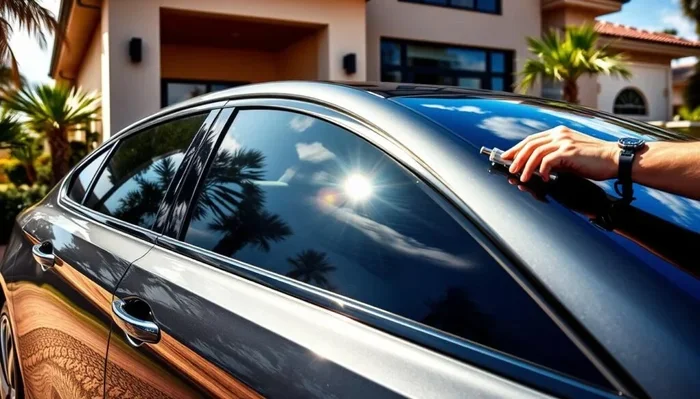
[FEATURED_IMAGE_PLACEHOLDER]
Connecticut window tint law can feel confusing at first glance. The state has clear rules about how dark your windows can be, which windows are affected, and what happens if you break the rules. Whether you are a new car owner or planning to tint your existing vehicle, understanding these regulations saves you time, money, and headaches.
The Connecticut window tint law covers everything from visible light transmission (VLT) percentages to reflective tint limits and medical exemptions. This guide breaks down every rule in plain language so you can make informed decisions. You will learn what is legal, what is not, and how to stay compliant with Connecticut tint regulations.
Window tinting is popular for many reasons. It reduces glare, blocks harmful UV rays, keeps your car cooler, and adds a sleek look. But in Connecticut, the rules are specific and enforced. Illegal window tint can lead to tickets, fines, and even the requirement to remove your tint entirely. That is why knowing the law before you tint your windows is so important.
This article covers every aspect of the Connecticut window tint law in detail. From legal darkness levels to penalties and exemptions, you will find everything you need right here. Let us dive in and make sure your car stays within the rules.
What Is the Connecticut Window Tint Law?
The Connecticut window tint law is a set of state regulations that governs how much tint can be applied to vehicle windows. These rules are enforced by the Connecticut Department of Motor Vehicles (DMV) and local law enforcement. The law specifies the minimum VLT percentage allowed for each window on your vehicle.
VLT stands for Visible Light Transmission. It measures how much light passes through your window tint. A higher VLT means more light comes through, making the tint lighter. A lower VLT means less light passes through, resulting in a darker tint. Connecticut tint law uses VLT percentages to set clear limits for every window type.
The law applies to all passenger vehicles, including sedans, SUVs, and vans. Different rules may apply to other vehicle types, but for most drivers, the passenger vehicle rules are what matter. Understanding these basics helps you choose the right window tint film for your car.
Why Does Connecticut Regulate Window Tint?
Connecticut regulates window tint for several important reasons. Safety is the top concern. Dark tint can reduce a driver’s visibility, especially at night or in poor weather. It can also make it harder for police officers to see inside your vehicle during traffic stops.
Law enforcement safety is another key factor. Officers need to see into vehicles to assess threats and identify occupants. Excessively dark tint can obstruct this visibility and create dangerous situations. The state also considers driver visibility and the ability to read road signs and signals clearly.
Medical reasons also play a role. Some drivers need darker tint to protect their skin or eyes from sunlight sensitivity. Connecticut allows medical exemptions for these cases, which we will cover in detail later in this article.
Legal Tint Darkness Levels by Window
The Connecticut window tint law sets different VLT requirements for each window on your vehicle. Let us break down the legal limits for every window, so you know exactly what is allowed.
Windshield Tint Rules
Connecticut law allows tinting on the top portion of the windshield only. The permitted tint strip must be no more than 5 inches from the top edge of the glass. This strip must be non-reflective in nature. Any tint below this line or on the rest of the windshield is illegal.
The windshield tint rule is designed to keep the driver’s line of sight clear. The top strip helps reduce glare from the sun without blocking your view of the road. This is a common rule across many states, but Connecticut is strict about enforcing it.
Front Side Window Tint Rules
For the front side windows on passenger vehicles, the legal tint limit in Connecticut is a minimum of 35% VLT. This means your front side windows must allow at least 35% of outside light to pass through the glass. Tint that blocks more than 65% of light is considered illegal on these windows.
This rule applies to both the driver and passenger front side windows. Connecticut tint law does not allow any exceptions for front side windows unless you have a valid medical exemption. The 35% VLT requirement is one of the stricter rules in the United States, so it is important to pay close attention to this limit.
Rear Side Window and Rear Window Tint Rules
Here is where things get more flexible. Connecticut law allows any level of darkness on rear side windows and the rear window. There is no minimum VLT requirement for these windows. You can apply very dark tint to the back of your vehicle without breaking the law.
However, there is one important condition. If your rear windows are tinted, your vehicle must have dual side mirrors. This ensures that the driver still has adequate visibility despite the darker rear windows. This rule helps maintain safety while allowing more flexibility for back window tinting.
Comparison Table: Legal Tint Levels by Window
| Window | Legal VLT Minimum | Reflective Tint Allowed? |
|---|---|---|
| Windshield | Non-reflective strip only (top 5 inches) | No |
| Front Side Windows | More than 35% VLT | No |
| Rear Side Windows | No restriction | No |
| Rear Window | No restriction | No |
As you can see from the table, Connecticut window tint law is most restrictive on the front side windows and windshield. The rear windows offer much more freedom. If you want a uniformly dark look, you can achieve it by tinting only the rear windows and keeping the front windows within the 35% VLT limit.
Medical Exemptions and Special Permits
Not everyone can tolerate standard tint darkness levels. Some individuals have medical conditions that make them extremely sensitive to sunlight. Connecticut recognizes this and offers a medical exemption for window tinting.
Who Qualifies for a Medical Exemption?
You may qualify for a Connecticut medical tint exemption if you have a condition that makes you sensitive to sunlight. Common qualifying conditions include:
- Lupus or other autoimmune disorders that cause severe sun sensitivity
- Photodermatitis or skin conditions aggravated by UV exposure
- Albinism or other conditions that reduce natural skin protection
- Severe eye conditions that require reduced light exposure
- Previous skin cancer or a history of skin conditions worsened by sun exposure
How to Apply for a Medical Exemption
To get a medical exemption for window tint in Connecticut, you need a signed letter from a licensed physician. The letter must explain your condition and why darker tint is medically necessary. You then submit this documentation to the Connecticut DMV for review.
If approved, you will receive a special permit that allows you to tint your windows beyond the standard legal limits. Keep this permit in your vehicle at all times. If you are stopped by law enforcement, you must present the exemption documentation to avoid a window tint ticket.
Important Notes on Medical Exemptions
Even with a medical exemption, there are still some limits. The exemption applies to the driver and front passenger windows but may have specific VLT requirements set by the DMV. It is always best to confirm the exact terms of your exemption before having your windows tinted.
Exemptions are reviewed periodically. If your condition changes or your permit expires, you may need to reapply. Stay on top of your documentation to ensure you remain compliant with Connecticut tint regulations.
Penalties for Illegal Window Tint in Connecticut
Getting caught with illegal window tint in Connecticut comes with real consequences. The state takes these violations seriously, and the penalties can add up quickly.
Fines and Penalties
The Connecticut window tint ticket fine typically starts at around $150 for a first offense. However, the exact amount can vary depending on the severity of the violation and the jurisdiction. Repeat offenses can result in higher fines and additional legal trouble.
Here is what you can expect if you are caught with illegal tint:
- First offense: A fine of approximately $150 to $200
- Second offense: Higher fines and potential court appearances
- Repeated violations: Possible vehicle inspection failure and ongoing fines
What Happens During a Traffic Stop?
If a police officer pulls you over and determines your tint is too dark, you will likely receive a citation on the spot. The officer will measure your window tint using a VLT meter to determine the exact darkness level. This reading serves as evidence in court.
In some cases, you may be given a deadline to remove the illegal tint. Failure to comply can result in additional fines or complications with your vehicle registration. The Connecticut DMV may also flag your vehicle record for tint violations.
How to Fight a Tint Ticket
If you believe your tint is legal, you have the right to contest the ticket. Common defenses include:
- Providing proof of a valid medical exemption
- Showing that your tint film meets the required VLT percentage
- Demonstrating that the tint was applied by a certified professional with proper documentation
Keep all receipts and documentation from your tint installation. These records can help you prove that your tint is compliant if you ever receive a ticket.
How to Keep Your Tint Compliant
Staying on the right side of Connecticut window tint law is easier than you might think. A few simple steps can help you avoid fines and keep your tint legal.
Choose the Right VLT Film
Before you have your windows tinted, check the VLT rating of the film you plan to use. For front side windows, make sure the film allows at least 35% of light to pass through. Many reputable tint shops will provide VLT information on their film products.
Ask your installer for a tint certification sticker. This sticker should be placed on the driver’s side window and shows the VLT level and certification details. Connecticut law requires that tint certification be visible and accurate.
Work with a Reputable Installer
Choosing the right tint installer Connecticut makes a big difference. A professional installer will know the state regulations and help you select a legal film. They should also provide you with documentation of the tint VLT and certification.
Look for installers who are familiar with Connecticut automotive tint laws. Ask them directly about the legal limits and whether their films meet state standards. A good installer will be upfront about what is legal and what is not.
Keep Your Documentation Organized
Always keep copies of your tint certification, medical exemption (if applicable), and purchase receipts in your vehicle. These documents can protect you if you are ever stopped by law enforcement.
Store your paperwork in the glove compartment or a folder in your car. Having everything organized and accessible shows that you are a responsible vehicle owner who takes window tint compliance seriously.
Regularly Check Your Tint Condition
Over time, tint can bubble, fade, or peel. Damaged tint can change its VLT level and become non-compliant. Inspect your windows regularly and replace any tint that shows signs of wear or damage.
If you notice bubbling or discoloration, visit a professional to assess the situation. Sometimes a simple repair can bring your tint back into compliance. Other times, a full replacement may be necessary.
Expert Tips for Choosing Legal Window Tint
Choosing the right window tint involves more than just picking a dark shade. Here are some expert tips to help you make the best decision for your vehicle and stay within the law.
Understand VLT Ratings Before You Buy
Not all tint films are the same. VLT ratings vary widely between products. A 50% VLT film is lighter and allows more light through, while a 5% VLT film is very dark and allows almost no light in. For Connecticut, you need a front side window film rated above 35% VLT.
When shopping for tint, always ask the installer for the exact VLT rating. Do not assume that a film looks light enough to be legal. Only a VLT measurement can confirm compliance with Connecticut tint darkness regulations.
Consider Ceramic and Carbon Films
Ceramic and carbon window films are excellent choices for Connecticut drivers. They offer great heat rejection and UV protection without the metallic look that can interfere with electronic signals. These films are also available in VLT ratings that meet the 35% minimum for front side windows.
Reflective tint is a different story. Connecticut law prohibits reflective or metallic finishes on front side windows. Stick with non-reflective films to stay compliant. Ceramic and carbon films are naturally non-reflective, making them ideal choices.
Think About Your Driving Habits
Consider how and when you drive most often. If you drive frequently at night, a lighter tint on your front windows may be a better choice for safety. If you spend a lot of time parked in direct sunlight, you might prioritize UV protection and heat rejection.
The best tint for your vehicle balances legal compliance, safety, and your personal needs. A knowledgeable installer can help you find the right film for your situation.
Get a Professional Installation
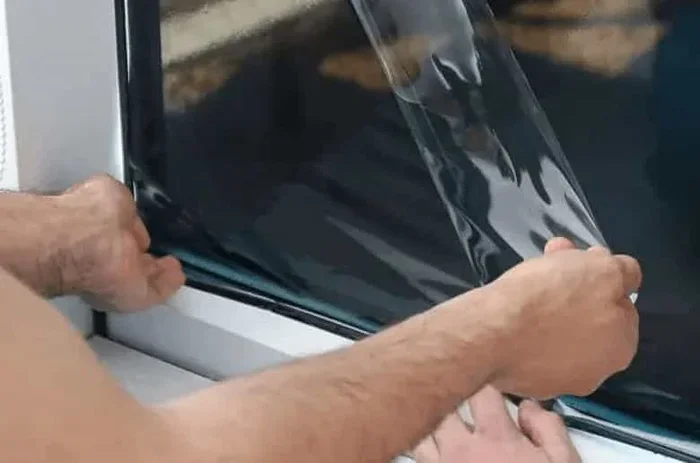
DIY tint kits may seem tempting, but professional installation offers several advantages. A professional will ensure the film is applied correctly, free of bubbles and wrinkles, and that it meets the required VLT standard.
Professional installers also provide warranties on their work. If the tint peels or bubbles over time, you can have it fixed at no additional cost. This peace of mind is well worth the investment when it comes to legal window tinting.
Common Mistakes to Avoid
Many drivers run into trouble with Connecticut window tint law because of common mistakes. Here are some pitfalls to avoid.
- Assuming all tint shops know the law: Always verify VLT ratings yourself and confirm that your installer understands Connecticut regulations.
- Buying tint online without checking VLT: Online tint kits may not meet Connecticut standards. Always check the VLT before purchasing.
- Forgetting about dual side mirrors: If you tint your rear windows, you need dual side mirrors. This is an easy requirement to overlook.
- Ignoring the certification sticker: Without a proper certification sticker, you have no proof that your tint is legal during a traffic stop.
- Tinting the windshield below the 5-inch line: This is one of the most common violations. Only tint the top 5 inches of the windshield.
Avoiding these mistakes keeps you compliant and saves you from the hassle of dealing with illegal tint penalties in Connecticut.
Quick Tips Summary
- Always check the VLT rating before purchasing or installing window tint.
- Keep your certification sticker on the driver’s side window at all times.
- Apply for a medical exemption if you have a qualifying condition.
- Use non-reflective tint on front side windows and the windshield.
- Install dual side mirrors if you tint your rear windows.
- Keep documentation in your vehicle for easy access during traffic stops.
- Inspect your tint regularly and replace it if it becomes damaged.
Final Thoughts
Understanding the Connecticut window tint law is essential for every vehicle owner in the state. The rules are clear but strict, especially when it comes to front side window darkness and windshield tinting. By following the legal VLT limits, obtaining proper certifications, and respecting medical exemption requirements, you can enjoy the benefits of window tint without the risk of fines.
Remember that Connecticut tint regulations exist for safety and enforcement reasons. They help ensure that drivers maintain good visibility and that law enforcement can do their jobs effectively. Complying with these rules is not just about avoiding tickets. It is about being a responsible driver who respects the law and other road users.
If you are planning to tint your windows, take the time to research your options, choose a reputable installer, and verify that your chosen film meets all legal requirements. The small effort you put in upfront can save you significant trouble down the road. Stay informed, stay compliant, and enjoy the benefits of a properly tinted vehicle in Connecticut.
Window tinting is a great investment for your vehicle. It adds comfort, protection, and style. Just make sure your tint meets the standards set by Connecticut window tint law. With the right information and a little care, you can have legal, beautiful tint that enhances your driving experience for years to come.
Frequently Asked Questions
What is the legal tint darkness for front side windows in Connecticut?
The legal tint darkness for front side windows in Connecticut requires a minimum VLT of more than 35%. This means your front side windows must allow at least 35% of outside light to pass through. Any tint darker than this is considered illegal unless you have a valid medical exemption.
Can I tint my windshield in Connecticut?
Yes, but only the top 5 inches of the windshield can be tinted. This strip must be non-reflective and cannot extend below the 5-inch mark. Tinting any other part of the windshield is illegal under Connecticut window tint law.
Are there any medical exemptions for window tint in Connecticut?
Yes, Connecticut offers medical exemptions for drivers with qualifying conditions that cause extreme sunlight sensitivity. You need a signed letter from a licensed physician and must submit it to the Connecticut DMV for approval. Once approved, you may tint your windows beyond the standard legal limits.
What happens if I get caught with illegal window tint in Connecticut?
If you are caught with illegal window tint, you will likely receive a fine of approximately $150 or more for a first offense. You may also be ordered to remove the illegal tint. Repeat offenses can result in higher fines and additional legal consequences.
Do I need dual side mirrors if my rear windows are tinted?
Yes, Connecticut law requires dual side mirrors if your rear side windows and rear window are tinted. This ensures the driver has adequate visibility despite the darker tint on the back windows. Without dual mirrors, tinted rear windows would be considered a violation.
Can I use reflective or metallic tint on my windows in Connecticut?
No, Connecticut law prohibits reflective or metallic tint on front side windows. The windshield tint strip must also be non-reflective. Stick with non-reflective ceramic or carbon films to stay compliant with state regulations.
Frequently Asked Questions
What is Connecticut Window Tint Law?
Connecticut Window Tint Law is an important topic with many practical applications.