Can I Drive with One Headlight and What You Need to Know
Driving with one headlight is risky and may violate traffic laws in most states. Your vehicle needs both headlights working for proper road visibility and safety. This guide covers everything you need to know about driving with one headlight, including legal rules, safety risks, and how to fix the problem fast.
Have you ever started your car, glanced at the dashboard, and noticed that only one headlight is glowing? It happens to a lot of drivers. You might think, “Can I drive with one headlight?” The short answer is yes, but the full answer comes with a lot of important details. Driving with a single working headlight puts you at risk. It can also get you in trouble with the law. In this article, we will walk you through everything you need to know about driving with one headlight. We will cover the legal side, safety risks, common causes, and how to fix the problem quickly.
Your headlights are one of the most important safety features on your vehicle. They help you see the road at night. They also let other drivers know you are there. When one headlight goes out, your vehicle safety drops significantly. Many people underestimate how dangerous this can be. A faulty headlight is not just a minor annoyance. It is a real road safety issue that deserves your attention right away.
Key Takeaways
- It may be illegal: Most states require both headlights to work while driving at night or in low-light conditions.
- Safety is a big concern: One headlight reduces your visibility and makes it harder for other drivers to see you.
- Common causes include: Blown bulbs, bad fuses, wiring issues, and faulty headlight switches.
- Fix it quickly: Replacing a headlight bulb is often simple and affordable.
- You could get pulled over: Police may stop you for a faulty headlight and issue a warning or fine.
- Pass inspection with both lights: A vehicle inspection will likely fail with only one working headlight.
- Temporary fixes exist: You can use safe driving tips while you wait for a proper repair.
📑 Table of Contents
- Is It Legal to Drive with One Headlight?
- What Are the Risks of Driving with One Headlight?
- Common Reasons Why a Headlight Goes Out
- How to Fix a Failed Headlight
- Driving Safety Tips When a Headlight Goes Out
- When Should You See a Mechanic?
- Can I Drive with One Headlight on the Highway?
- How Much Does It Cost to Replace a Headlight?
- Key Takeaways
- Conclusion
Is It Legal to Drive with One Headlight?
The short answer depends on where you live. Most states in the U.S. have laws requiring vehicles to have two working headlights. These laws usually apply when driving at night or in low-visibility conditions. But the rules can vary from state to state. Let us break this down so you know exactly where you stand.
State Traffic Laws and Headlight Requirements
Almost every state requires vehicles to have at least two headlights that are functioning. These traffic laws are in place for a reason. They help keep roads safe for everyone. When you drive with only one headlight, you may be breaking the law. Here are some key points to keep in mind:
- Most states require two working headlights from sunset to sunrise.
- Some states also require headlights during bad weather like rain or fog.
- Police officers can pull you over for a burned-out headlight.
- Fines vary by state but can range from $50 to $200 or more.
- Points on your license may apply depending on your location.
So when you ask, “Can I drive with one headlight?” the legal answer is usually no, at least not for long. Even if a police officer gives you a warning the first time, it is not worth the risk. A headlight violation can lead to a ticket, fine, or even a citation on your driving record.
What About Vehicle Inspections?
If you live in a state that requires vehicle inspections, a burned-out headlight will likely cause your car to fail. The vehicle inspection process checks all lights, including headlights, taillights, and turn signals. A failed inspection means you cannot register your car until the problem is fixed. This adds time and cost to your day. It is much easier to just replace the bulb and move on.
What Are the Risks of Driving with One Headlight?
Beyond the legal issues, there are real safety risks involved. Driving with a single headlight affects both you and other drivers on the road. Let us look at the main risks in detail.
Reduced Road Visibility
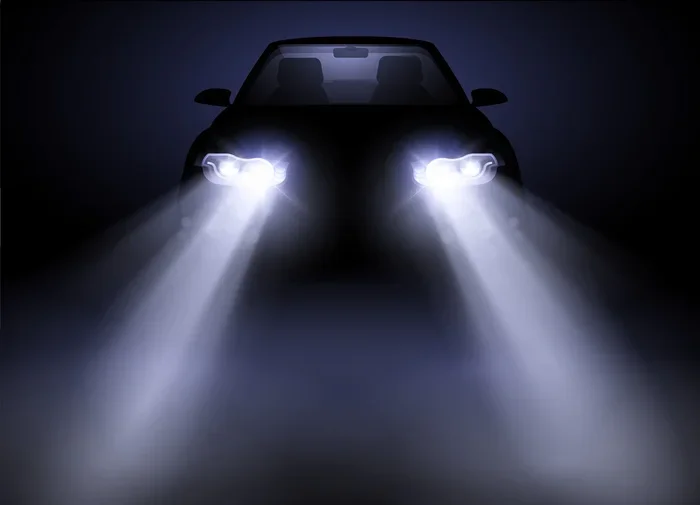
When you have only one headlight bulb working, your view of the road is cut in half. Headlights are designed to work as a pair. They light up the road evenly on both sides. With one light out, you lose depth perception and side coverage. This is especially dangerous when you are driving at night or on poorly lit roads. You may not see a deer, a pothole, or a stalled car ahead of you.
Other Drivers May Not See You
Headlights do more than help you see. They help others see you too. A car with one dark headlight can look like a motorcycle from a distance. This confusion can lead to serious accidents. Other drivers might misjudge your speed or your position on the road. During driving at night or in fog, this risk becomes even greater. Road visibility depends on both lights working properly.
Increased Chance of a Crash
Studies show that vehicles with burned-out lights are more likely to be involved in nighttime accidents. When your headlight assembly is not working right, you are a bigger risk on the road. Even a short drive home with one dead headlight can be dangerous. Do not take chances with your safety or the safety of others.
Common Reasons Why a Headlight Goes Out
Understanding why a headlight fails can help you prevent it from happening again. A headlight replacement is often easy, but finding the root cause is even better. Here are the most common reasons one headlight stops working.
Blown Headlight Bulb
The most common reason is a simple blown bulb. Headlight bulbs have a limited lifespan. Over time, the filament inside the bulb wears out and breaks. When this happens, one side goes dark. Replacing a halogen bulb or LED headlight is usually quick and affordable. Most drivers can do it at home in under 15 minutes.
Bad Fuse or Wiring Issue
Sometimes the problem is not the bulb at all. A headlight fuse may have blown, cutting power to one side. Wiring problems can also cause a single headlight to fail. Corroded connectors, loose plugs, or damaged wires can all lead to the same issue. If you replace the bulb and it still does not work, check the fuse box next.
Faulty Headlight Switch
In rare cases, the headlight switch itself may be the problem. This switch controls both headlights. If it fails on one side, only one light will turn on. This is less common but worth checking if both bulbs and fuses are fine.
Moisture Inside the Headlight Housing
Moisture can build up inside the headlight assembly over time. This causes fogging or condensation that dims the light. In some cases, water damage can kill the bulb or the socket. Sealing the housing properly can prevent this issue from coming back.
How to Fix a Failed Headlight
The good news is that fixing a dead headlight is usually simple. You do not need to be a mechanic to handle most headlight replacement jobs. Here is a step-by-step guide to get both lights working again.
Step 1: Check the Bulb
Open the hood and locate the back of the headlight assembly. Unplug the wiring connector and pull out the old bulb. Look for a broken filament or dark spots on the glass. If the bulb looks damaged, that is your answer. Buy a replacement bulb that matches your vehicle’s specifications. Most auto parts stores can help you find the right match.
Step 2: Check the Fuse
Locate your fuse box using the owner’s manual. Find the fuse for the headlights. Pull it out and look for a broken metal strip inside. If the fuse is blown, replace it with one of the same rating. This is a free fix that takes about two minutes.
Step 3: Check the Socket and Wiring
If the bulb and fuse are fine, inspect the socket and wiring. Look for corrosion, melted plastic, or loose connections. Clean the contacts with a cloth or replace the socket if needed. A dimming headlights issue can also point to a wiring problem rather than a dead bulb.
Step 4: Replace and Test
Once you have fixed the issue, install the new bulb or replace the fuse. Turn on your headlights and check both sides. Make sure the low beam and high beam work on both sides. If one side still does not work, you may need to dig deeper into the wiring or consult a mechanic.
Quick Tips for Headlight Replacement
- Always buy bulbs that match your vehicle’s year, make, and model.
- Wear gloves when handling bulbs to avoid oil from your skin on the glass.
- Never touch the glass part of a halogen bulb with bare hands.
- Keep spare bulbs in your glove box for emergencies.
- Replace both bulbs at the same time for even lighting.
Driving Safety Tips When a Headlight Goes Out
If your headlight dies while you are already on the road, stay calm. There are steps you can take to stay safe until you can fix the problem. These driving safety tips will help you get home without trouble.
- Pull over safely: If you notice a headlight is out, find a safe place to stop as soon as you can.
- Use your brights carefully: If your high beams still work, you can use them briefly on empty roads. But dim them when other cars approach.
- Slow down: Reduce your speed to give yourself more time to react to obstacles on the road.
- Stay on well-lit roads: Stick to streets with streetlights whenever possible.
- Use hazard lights: Turn on your hazards to make your vehicle more visible to others.
- Avoid night driving: If you can, wait until morning to drive with a dead headlight.
- Call for help: If you are unsure or unsafe, call a roadside assistance service or a friend for a ride.
These steps are not permanent fixes. They are temporary measures to keep you safe. As soon as you can, get the headlight repaired or replaced. A roadside safety plan always includes working lights on your vehicle.
When Should You See a Mechanic?
Some headlight problems are easy to fix at home. But others need professional attention. Knowing when to see a mechanic can save you time and money. Here are some signs that it is time to visit a shop.
- You replaced the bulb but it still does not work: The problem may be in the socket or wiring.
- Both headlights flicker or dim: This could point to an electrical issue in the vehicle.
- You notice moisture inside the headlight housing: This requires sealing or replacing the assembly.
- The headlight switch feels loose or unresponsive: A mechanic can diagnose and replace the switch.
- You are not comfortable doing the repair yourself: There is no shame in asking for help. A professional can get the job done right.
Regular car maintenance can prevent headlight problems before they start. Make it a habit to check your lights every few weeks. A quick walk around your car before each drive can catch issues early. This simple habit can save you from a stressful situation on the road.
Can I Drive with One Headlight on the Highway?
This is one of the most common questions drivers ask. The answer is a firm no. Highways are high-speed roads that require full visibility. Driving with one headlight bulb on the highway is both dangerous and illegal in most places. Other drivers may not see your vehicle in time, especially at higher speeds. The risk of a serious accident increases significantly. Always make sure both headlights are working before hitting the highway. If a light goes out while you are already on the road, exit at the next safe opportunity and address the problem.
How Much Does It Cost to Replace a Headlight?
The cost depends on your vehicle and the type of bulb you need. A standard halogen bulb can cost as little as $15 to $30. LED headlights may cost more, sometimes $50 to $100 per bulb. If you replace the bulb yourself, you only pay for the part. If you go to a mechanic, labor costs may add $20 to $50. Overall, fixing a dead headlight is one of the most affordable repairs you can make. It is a small price to pay for vehicle safety and peace of mind.
Key Takeaways
- It may be illegal: Most states require both headlights to work while driving at night or in low-light conditions.
- Safety is a big concern: One headlight reduces your visibility and makes it harder for other drivers to see you.
- Common causes include: Blown bulbs, bad fuses, wiring issues, and faulty headlight switches.
- Fix it quickly: Replacing a headlight bulb is often simple and affordable.
- You could get pulled over: Police may stop you for a faulty headlight and issue a warning or fine.
- Pass inspection with both lights: A vehicle inspection will likely fail with only one working headlight.
- Temporary fixes exist: You can use safe driving tips while you wait for a proper repair.
Conclusion
So, can I drive with one headlight? The answer is technically yes, but you really should not. Driving with a single working headlight is risky, and in most places, it is against the law. Your headlight bulb is one of the simplest and most important safety features on your car. When it goes out, take it seriously. Check the bulb, the fuse, and the wiring. Replace what needs replacing and get both lights working again as fast as you can.
Staying safe on the road starts with small habits. Checking your lights regularly, fixing problems quickly, and never ignoring a burned-out headlight can make a huge difference. Your safety and the safety of others depend on it. Do not wait until a small problem turns into a big one. Take action today, and drive with confidence knowing your vehicle is fully lit and road-ready.
Frequently Asked Questions
Can you drive with one headlight on temporarily?
You can, but only for a short distance and in an emergency. It is not safe and may be illegal depending on your state. Replace the bulb or fix the issue as soon as possible to stay safe and avoid a traffic violation.
Will I get pulled over for driving with one headlight?
Yes, police officers can and do pull over drivers for a burned-out headlight. Depending on your location, you may receive a warning or a fine. It is always better to fix the issue before you get stopped on the road.
How much does it cost to replace a headlight bulb?
A standard headlight bulb costs between $15 and $100 depending on the type. If you replace it yourself, you only pay for the bulb. If a mechanic does it, labor may add $20 to $50. It is one of the least expensive car repairs you can do.
What causes one headlight to go out but not the other?
The most common cause is a blown bulb. Other reasons include a bad fuse, corroded wiring, a faulty socket, or a failing headlight switch. Check the bulb first, then move on to the fuse and wiring if the new bulb does not work.
Does a failed headlight affect my car inspection?
Yes, in most states a vehicle will fail inspection if one headlight is not working. You will need to fix the issue and pass a re-inspection before you can register your car. Always ensure both headlights are working before an inspection.
Should I replace both headlight bulbs at the same time?
Yes, this is a great practice. If one bulb has burned out, the other is likely close to the end of its life. Replacing both at once ensures even lighting and saves you from coming back for a second repair. It is a small step that makes a big difference in driving safety.