Can You Get Smoke Smell Out of a Car With These Tips
Yes, you can get smoke smell out of a car with the right approach. Whether the odor comes from cigarettes, cigars, or wildfire smoke, this guide covers effective smoke smell removal methods that really work. You will learn step-by-step techniques, DIY remedies, and when to call a professional for complete car odor removal.
Have you ever gotten into your car and been hit with that unmistakable smoky smell? It lingers on the seats, clings to the dashboard, and makes every drive uncomfortable. The good news is that getting smoke smell out of a car is absolutely possible. You do not need to live with it forever.
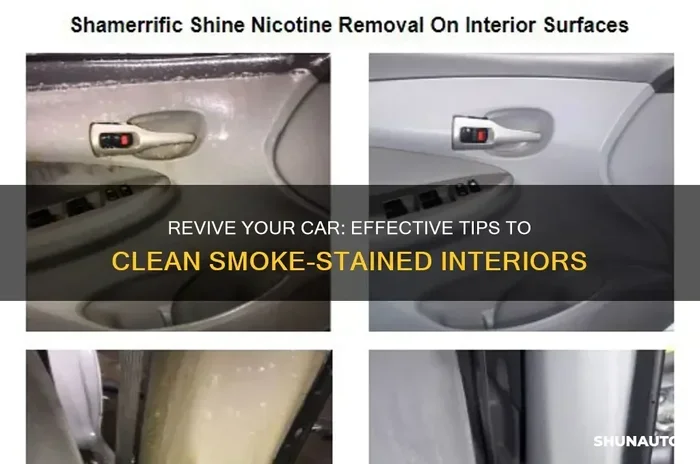
Whether someone smoked in your vehicle for months or you simply parked near a campfire, smoke odor finds its way into every nook and cranny. The fibers in your seats, the carpet on the floor, and even the headliner above your head soak up smoke particles like a sponge. But with the right car odor removal strategy, you can restore your vehicle to smelling fresh and clean.
This guide walks you through every method that works. We cover simple household remedies, professional options, and prevention tips. By the end, you will know exactly how to tackle smoke odor elimination in your own vehicle. Let us get started.
Key Takeaways
- Multiple methods work: Baking soda, vinegar, activated charcoal, and steam cleaning all help remove smoke smell from your car.
- Start with the basics: Cleaning surfaces, replacing filters, and washing fabric are the foundation of any odor removal plan.
- Be patient: Stubborn smoke odor may need several treatments over a few days for full elimination.
- Prevention matters: Regular cleaning and good ventilation stop smoke smell from settling in your car interior.
- Professional help works: For severe cases, a professional detailer can deep clean areas you cannot reach easily.
- Avoid masking odors: Air fresheners cover up smell but do not remove the source. Always clean first.
📑 Table of Contents
- Why Smoke Smell Stays So Long in Your Car
- How to Get Smoke Smell Out of a Car: Step-by-Step Guide
- Best DIY Methods for Smoke Odor Removal
- Professional Cleaning Options for Stubborn Smoke Odor
- Comparison of Smoke Odor Removal Methods
- Prevention Tips to Keep Your Car Smelling Fresh
- Common Mistakes People Make When Removing Smoke Smell
- Expert Insight: What Professional Detailers Want You to Know
- How Long Does It Take to Fully Remove Smoke Smell?
- Final Thoughts on Removing Smoke Smell From Your Car
Why Smoke Smell Stays So Long in Your Car
Understanding why smoke odor sticks around helps you fight it more effectively. Smoke particles are tiny and sticky. They attach to hard surfaces, soft fabrics, and even metal parts inside your vehicle. Over time, these particles build up and create a deep, persistent smell.
Your car interior is a closed environment. Unlike your home, it has limited airflow and smaller spaces where smoke residue collects. The car ventilation system plays a big role too. When smoke enters through the vents, it coats the interior of your HVAC system. This means every time you turn on the air, you breathe in those old particles again.
Several factors make smoke smell worse in cars:
- Enclosed space: Smoke has nowhere to go, so it saturates every surface.
- Fabric and upholstery: Cloth seats and carpet trap smoke particles deep in their fibers.
- Leather and plastic: Even hard surfaces absorb smoke residue over time.
- Headliner material: The fabric on your car ceiling is especially porous and holds odor strongly.
- Old smoke damage: The longer smoke sits, the deeper it penetrates and the harder it is to remove.
Knowing this helps you understand why a quick spray of air freshener never works. You need to actually clean the source of the smell, not just cover it up. That is where the real smoke odor elimination methods come in.
How to Get Smoke Smell Out of a Car: Step-by-Step Guide
The best approach to removing smoke smell from a car involves a systematic process. You clean from top to bottom, treat fabrics, and address hidden areas. Here is a proven sequence that works.
Step One: Open Everything and Ventilate
Before you clean anything, let your car breathe. Open all the doors and windows. If weather permits, leave them open for several hours. Fresh air circulation helps release trapped smoke particles naturally. This simple step alone can make a noticeable difference.
Turn on your car fan with the windows open to push stale air out. Do this for at least 30 minutes before you start cleaning. Good ventilation sets the stage for everything that follows.
Step Two: Remove and Shake Out Floor Mats
Take out your floor mats and give them a good shake. Smoke particles settle heavily in carpet and mat fibers. If your mats are washable, throw them in the laundry with a cup of white vinegar. The vinegar helps neutralize odors during the wash cycle.
While the mats are out, vacuum the bare floor underneath thoroughly. Use a handheld vacuum or your shop vac to reach into every crevice. Pay special attention to seams and corners where particles hide.
Step Three: Clean All Hard Surfaces
Wipe down every hard surface in your car. Use a microfiber cloth with a gentle all-purpose cleaner. Dashboards, center console, door panels, and steering wheel all collect smoke residue.
For stubborn residue, mix a small amount of dish soap with warm water. Dip your cloth, wring it out well, and wipe surfaces gently. Avoid soaking any surfaces because moisture can damage electronics and cause mold.
Do not forget the cup holders and storage compartments. These small spaces trap a surprising amount of smoke odor. Use a cotton swab dipped in cleaner to reach tight spots.
Step Four: Deep Clean the Upholstery
Your seats are the biggest source of smoke smell. Whether you have cloth or leather, deep cleaning is essential. For cloth seats, use a fabric cleaner designed for automotive interiors. Spray lightly, scrub gently with a soft brush, and blot with a clean cloth.
For leather seats, use a dedicated leather cleaner. Avoid harsh chemicals that can dry out or crack leather. After cleaning, apply a leather conditioner to keep the material supple and protected.
Let everything dry completely with the doors open. Moisture left behind can create a musty smell that makes the problem worse.
Step Five: Treat the Carpet and Headliner
The carpet and headliner are often the worst culprits for trapped smoke odor. Use a carpet cleaner for car or a portable steam cleaner. Work in small sections and blot rather than rubbing, which pushes particles deeper into the fibers.
For the headliner, use a fabric cleaner in a spray bottle. Mist lightly and blot with a clean towel. The headliner material is delicate, so be gentle. You may need to repeat this process a few times for heavy smoke damage.
Sprinkle baking soda deodorizer generously on the carpet and seats after cleaning. Let it sit overnight, then vacuum thoroughly in the morning. Baking soda absorbs remaining odor molecules naturally and effectively.
Step Six: Replace the Cabin Air Filter
This step is often overlooked but extremely important. Your cabin air filter traps dust, pollen, and yes, smoke particles. If it has been filtering smoke-contaminated air, it is now a source of ongoing odor. Replace it with a fresh filter. This costs only a few dollars and makes a real difference in air quality.
Check your owner’s manual for the filter location. Most cars have the cabin air filter behind the glove box or under the hood. A clean filter helps your car ventilation system deliver fresh, odor-free air every time you drive.
Best DIY Methods for Smoke Odor Removal
You do not need expensive products to fight smoke smell. Many household items work surprisingly well for car odor removal. Here are the most effective DIY methods.
Baking Soda: The Natural Odor Absorber
Baking soda is one of the best odor absorbers available. It works by neutralizing acidic odor molecules rather than just masking them. For car smoke smell, baking soda is a go-to solution.
Here is how to use it:
- Clean your interior surfaces first.
- Sprinkle baking soda generously on all fabric surfaces.
- Let it sit for at least 8 hours or overnight.
- Vacuum thoroughly with a HEPA-filter vacuum.
- Repeat if the smell persists.
You can also place an open box of baking soda in your car overnight. Leave it on the dashboard or floor. This method works slowly but steadily to pull odor from the air.
White Vinegar Solution
White vinegar is a natural acid that neutralizes alkaline odor compounds. It is safe for most car surfaces and leaves no lingering smell of its own once dried.
Mix equal parts white vinegar and water in a spray bottle. Lightly mist your fabric seats and carpet. Do not soak them. Let the solution air dry with the windows down. The vinegar smell will fade within a few hours, taking the smoke odor with it.
You can also place a shallow bowl of white vinegar in your car overnight. This allows the vinegar to absorb odor from the air passively.
Activated Charcoal Bags
Activated charcoal is a powerful odor neutralizer spray alternative. It works through adsorption, which means it traps odor molecules inside its porous structure. Activated charcoal bags are safe, non-toxic, and reusable.
Place several charcoal bags around your car. Leave them for 24 to 48 hours. For best results, use them consistently over a week. You can also place them under your seats where odor tends to be strongest. These bags work well as a long-term solution too.
Steam Cleaning for Deep Penetration
A handheld steam cleaner is one of the most effective tools for interior detailing and smoke odor removal. Steam penetrates deep into fabric fibers and loosens trapped smoke particles. The heat also kills bacteria that contribute to bad smells.
You can rent a steam cleaner or buy an affordable handheld unit. Use it on your seats, carpet, and headliner. Follow up with blotting to remove moisture. Steam cleaning works best when combined with baking soda treatment afterward.
Coffee Grounds as a Natural Deodorizer
Used coffee grounds are another excellent car air freshener alternative that actually removes odor. Place dried coffee grounds in a shallow bowl and leave it in your car overnight. The grounds absorb smoke particles naturally.
Some people also place coffee grounds in a small mesh bag and tuck it under a seat. This provides continuous odor absorption over several days. Just replace the grounds every few days for best results.
Professional Cleaning Options for Stubborn Smoke Odor
Sometimes DIY methods are not enough. Heavy or long-term smoke exposure may require professional help. A professional interior detailing service has specialized tools and products that reach deeper than household methods.
When to Call a Professional
Consider professional help if:
- The smoke smell has been in your car for months or years.
- DIY methods have not worked after multiple attempts.
- You notice visible yellowing or staining on interior surfaces.
- The smell returns quickly after you clean it.
- You are selling or trading in your car and need it to smell perfect.
Professional detailers use industrial-grade steam cleaning car equipment, ozone generators, and specialized chemical cleaners. These tools reach deep into materials that home methods cannot access.
What Professional Detailers Do
A quality interior detailing service typically includes:
- Full steam cleaning of all fabric and carpet surfaces.
- Enzymatic cleaner treatment that breaks down smoke residue at a molecular level.
- Ozone treatment that eliminates odor-causing particles throughout the entire cabin.
- Headliner deep cleaning using specialized fabric-safe products.
- Duct cleaning to remove smoke buildup from your HVAC system.
Professional detailing costs between $100 and $300 depending on your location and the level of service. For severe smoke damage cleanup, it is often worth the investment. Your car will smell like new again.
Comparison of Smoke Odor Removal Methods
Not all methods work the same way. Some are quick fixes, while others provide long-term results. Here is a comparison of the most popular smoke smell out of a car methods.
| Method | Effectiveness | Cost | Time Required | Best For |
|---|---|---|---|---|
| Baking Soda | High for light odor | Very Low ($2-5) | Overnight | Mild smoke smell, regular maintenance |
| White Vinegar | Medium-High | Very Low ($3-5) | Overnight | Light to moderate odor |
| Activated Charcoal | High | Low ($10-20) | 24-48 hours | Ongoing odor control, mild to moderate |
| Steam Cleaning | Very High | Medium ($50-150) | 2-4 hours | Moderate to heavy smoke smell |
| Enzymatic Cleaner | Very High | Medium ($15-30) | 24-48 hours | Stubborn, embedded smoke odor |
| Ozone Treatment | Highest | High ($100-300) | 1-2 hours | Severe or long-term smoke damage |
| Professional Detailing | Highest | High ($100-300) | 2-4 hours | Complete restoration, selling vehicle |
The best approach often combines several methods. Start with baking soda and vinegar for a basic treatment. If the smell persists, move to steam cleaning or activated charcoal. For the most stubborn cases, professional ozone treatment or detailing delivers the best results.
Prevention Tips to Keep Your Car Smelling Fresh
Once you have successfully removed smoke odor, you want to keep it gone. Prevention is just as important as treatment. A few simple habits go a long way toward maintaining a fresh-smelling vehicle interior.
Establish a No-Smoking Rule
The most effective prevention is simply not smoking inside your car. If you have passengers who smoke, politely ask them to step outside. A single cigarette can undo hours of cleaning work. A clear no-smoking policy keeps your interior fresh and protects your resale value.
Clean Regularly
Regular vehicle interior cleaning prevents odor buildup before it starts. Vacuum your car weekly and wipe down surfaces with a mild cleaner. Wash your floor mats regularly. These small habits make a big difference over time.
Use Quality Air Fresheners Wisely
Not all air fresheners are created equal. Many simply mask odors with stronger chemicals. Look for odor absorbers rather than fragrance-based products. Bamboo charcoal bags, vent clips with activated carbon, and gel-based absorbers work without just covering up the problem.
Replace Your Cabin Air Filter Seasonally
Change your cabin air filter every 12,000 to 15,000 miles or at least twice a year. A clean filter keeps your air quality high and prevents old odors from cycling through your ventilation system. This is one of the cheapest and easiest maintenance tasks you can do.
Keep Windows Cracked When Parked
If you park your car outside, leave the windows slightly cracked open. This allows air circulation and prevents stale air from becoming trapped. Just make sure it is not raining and that your car is in a safe location.
Common Mistakes People Make When Removing Smoke Smell
Avoid these common smoke damage cleanup mistakes that waste your time and money:
- Relying only on air fresheners: They mask the problem but do not solve it. The smoke smell always comes back.
- Using too much water: Excess moisture can lead to mold growth, which creates a whole new set of problems.
- Skipping the HVAC system: If you do not clean your vents and replace your filter, smoke particles keep circulating.
- Not being patient: One treatment rarely works for heavy smoke odor. Multiple treatments over several days are usually needed.
- Using harsh chemicals: Strong solvents can damage your car’s interior surfaces. Always test cleaners in a hidden spot first.
Learning what not to do saves you time and frustration. Follow the proven methods in this guide and you will see real results.
Expert Insight: What Professional Detailers Want You to Know
Professional detailers who specialize in smoke odor elimination share a few insider tips:
First, always clean before you deodorize. If you spray an odor neutralizer on dirty surfaces, you just trap the dirt and smell together. Clean first, then treat the odor second.
Second, patience is everything. Smoke particles are deeply embedded and they release slowly. Even after the first treatment, you may still notice a faint smell. Give it 48 to 72 hours between treatments to let each method fully work.
Third, do not ignore hidden areas. The space between your seat and console, under the dashboard, and inside door panels can harbor smoke residue. Use compressed air to blow out particles from tight spaces.
Finally, if you are trying to sell your car, invest in professional detailing. A fresh interior dramatically increases buyer confidence and can even improve your trade-in value. Clean cars sell faster and for more money.
How Long Does It Take to Fully Remove Smoke Smell?
The timeline depends on how heavy the smoke exposure is. For light smoke smell, you can see results within 24 to 48 hours using the DIY methods in this guide. Moderate odor may take 3 to 5 days of consistent treatment. Heavy or long-term smoke damage can take 1 to 2 weeks of repeated cleaning, or a single professional ozone treatment.
The key is consistency. Do one treatment method each day and build on the progress. Most people notice a significant improvement after the first 48 hours of combined cleaning and deodorizing.
Final Thoughts on Removing Smoke Smell From Your Car
Getting smoke smell out of a car is absolutely doable with the right approach and a little patience. You have many powerful options at your fingertips, from simple household items like baking soda and vinegar to professional ozone treatments for the most stubborn cases.
The most important thing to remember is this: clean the source, do not just mask the smell. Address every surface, treat your fabrics, replace your cabin air filter, and give each method time to work. Whether you handle it yourself or hire a professional, complete car odor removal is within reach.
Start with the steps that fit your budget and time. Even the simplest method, when done consistently, can make a dramatic difference. Your car can smell fresh and clean again. You just need to take action and stick with the process.
Now that you have all the tools and knowledge, it is time to put them to work. Open your car doors, grab your supplies, and start breathing easy again. Your vehicle deserves to smell as good as it looks.
Frequently Asked Questions
Can smoke smell be completely removed from a car?
Yes, in most cases smoke smell can be completely removed from a car. Light to moderate odor responds well to DIY methods like baking soda, vinegar, and steam cleaning. Heavy or long-term smoke damage may require professional ozone treatment or detailing. The key is to clean the source rather than just masking the odor with air fresheners.
How long does it take to get smoke smell out of a car?
The timeline depends on how severe the smoke exposure is. For light odor, you may see results within 24 to 48 hours. Moderate smoke smell typically takes 3 to 5 days of consistent treatment. Heavy or old smoke damage can take 1 to 2 weeks of repeated cleaning or a single professional treatment session.
What household items remove smoke smell from car interiors?
Several household items work well for smoke odor removal. Baking soda is a powerful natural odor absorber. White vinegar neutralizes smoke particles. Activated charcoal bags trap odor molecules. Coffee grounds also absorb smoke smell naturally. White vinegar mixed with water makes an effective cleaning spray for fabric surfaces.
Does steam cleaning remove smoke smell from car seats and carpet?
Yes, steam cleaning is one of the most effective methods for removing smoke smell from car seats and carpet. The high-temperature steam penetrates deep into fabric fibers and loosens trapped smoke particles. It also kills bacteria that contribute to bad odors. For best results, follow steam cleaning with a baking soda treatment and thorough vacuuming.
Is it safe to use vinegar inside a car?
Yes, white vinegar is safe to use inside a car when diluted properly. Mix equal parts white vinegar and water in a spray bottle. Lightly mist fabric surfaces and let it air dry with the windows open. The vinegar smell will fade completely within a few hours. Vinegar is non-toxic and works as a natural odor neutralizer without leaving harmful residue.
How much does professional smoke odor removal cost for a car?
Professional smoke odor removal typically costs between $100 and $300, depending on your location and the severity of the problem. Basic interior detailing with steam cleaning falls on the lower end. Ozone treatment and full detailing with HVAC cleaning cost more but deliver the most thorough results for severe smoke damage.
=== CONCLUSION ===
Getting smoke smell out of a car is a process, not a single event. The methods in this guide give you a complete toolkit to tackle the problem from every angle. Start with ventilation and basic cleaning, move to targeted treatments like baking soda and vinegar, and escalate to professional help if needed. Every car responds differently, so do not give up if the first treatment is not perfect. Stick with it, combine methods, and you will win the fight against smoke odor. Your car interior can be fresh, clean, and welcoming again.