Can You Insure a Salvage Car Everything You Need to Know
Yes, you can insure a salvage car, but it is not as simple as insuring a standard vehicle. A salvage title means the car was declared a total loss, and most insurance companies treat it as a higher risk. This guide covers everything from coverage types and costs to tips for finding the right policy for your salvage car insurance needs.
Have you ever wondered about salvage car insurance? Maybe you bought a car with a salvage title and now you need coverage. Or perhaps you are thinking about buying one and want to know what you are getting into. Either way, you are not alone.
Insuring a salvage car is different from insuring a regular vehicle. The process is not always straightforward. But here is the good news. You can still get a policy. Let us walk through everything you need to know about salvage car insurance in simple, clear terms.
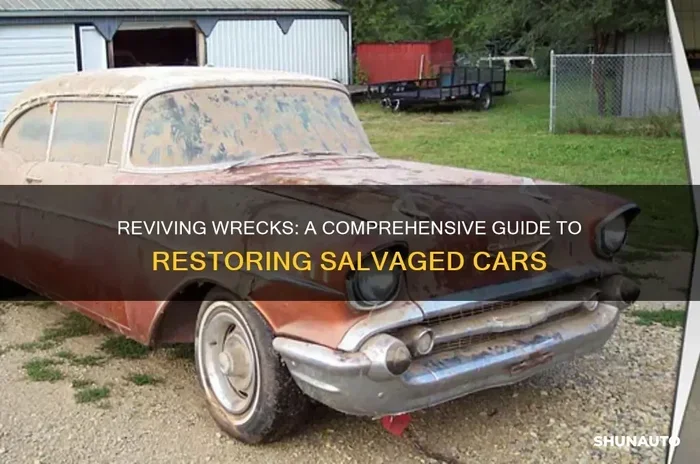
A salvage car is a vehicle that an insurance company declared a total loss. This usually happens after a serious accident, flood damage, or fire. The cost to repair the car exceeded its actual value. So the insurer labeled it a total loss vehicle and gave it a salvage title.
From there, the car might be sold at auction. A buyer could then repair it. Once repaired, the car might get a rebuilt title. But even then, getting insurance is not always easy. That is why we created this guide. We want to help you understand your options.
Key Takeaways
- Salvage cars can be insured: Many insurers offer policies, but options are limited compared to standard vehicles.
- Coverage is often limited: You may only qualify for liability insurance, not full coverage.
- Rebuilt title status matters: Once a salvage car is rebuilt and inspected, it becomes easier to insure.
- Expect higher premiums: Insurers charge more due to the increased risk associated with salvage vehicles.
- Compare quotes: Shopping around helps you find the best rates and coverage for your situation.
- Document everything: Keep repair records and inspection reports to strengthen your insurance application.
📑 Table of Contents
- What Is a Salvage Car?
- Can You Insure a Salvage Car?
- Types of Coverage Available
- How Much Does Salvage Car Insurance Cost?
- Tips for Getting the Best Salvage Car Insurance
- Common Mistakes to Avoid
- Expert Insights on Salvage Car Insurance
- Can You Finance a Salvage Car?
- How to Lower Your Insurance Costs for a Salvage Vehicle
- Key Takeaways
- Conclusion
What Is a Salvage Car?
Before we dive into insurance, let us clarify what a salvage car actually is. A salvage vehicle is one that an insurance company decided was not worth repairing. They paid out a claim and took ownership of the car.
Here are the most common reasons a car gets a salvage title:
- Accident damage: The repair costs exceeded the car’s market value.
- Flood damage: Water ruined the engine, electronics, or interior.
- Fire damage: Flames or smoke caused extensive harm.
- Theft recovery: The car was stolen and found damaged.
- Odometer rollback: The mileage was tampered with.
Once a car gets a salvage title, it cannot legally drive on public roads. It must be towed or transported. This is important because it affects how insurers view the vehicle.
Salvage Title vs. Rebuilt Title
These two terms often get confused. A salvage title means the car is not roadworthy. A rebuilt title means someone repaired the car and passed a state inspection. The rebuilt title makes a big difference when shopping for insurance.
Most insurers prefer to cover rebuilt title vehicles over salvage title vehicles. The reason is simple. A rebuilt car has been inspected. It is presumed to be safe. A salvage car has not been fixed yet. That is a much bigger risk for the insurance company.
Can You Insure a Salvage Car?
The short answer is yes. But the long answer is more complicated. Not all insurance companies will cover a salvage car. And those that do often limit what they will pay out.
Here is what you need to know about salvage car insurance. Most major insurers will not write a policy for a car with a salvage title. They consider it too risky. However, some smaller or specialty insurers will take it on.
If your car has a rebuilt title, your chances improve significantly. Many standard insurance companies will cover rebuilt title vehicles. They just may charge higher insurance premiums.
Why Is Salvage Car Insurance So Hard to Get?
Insurance companies base their decisions on risk. A salvage car has unknown damage. Even after repairs, the quality might be questionable. Insurers worry about safety issues and hidden problems.
Here are the main reasons insurers hesitate:
- Unknown damage history: You may not know what was actually fixed.
- Aftermarket parts: Rebuilt cars often use non-OEM parts, which can affect safety.
- Lower resale value: The car is worth less, making claims harder to settle.
- Safety concerns: Structural damage might not be fully repaired.
- Fraud risk: Some salvage cars have hidden issues that are hard to detect.
Because of these concerns, many insurers treat salvage and rebuilt cars as high-risk vehicles. This directly impacts your ability to get coverage and how much you pay.
Types of Coverage Available
When you insure a salvage car, you will not have the same options as a regular car owner. Here are the most common types of coverage available for salvage and rebuilt vehicles.
Liability Insurance
This is the most basic type of car insurance. It covers damage you cause to other people or their property. Almost all states require liability insurance by law.
Good news. Most insurers will offer liability coverage for salvage cars. This is often the only option available for cars with a salvage title. It is also the cheapest type of coverage.
Comprehensive and Collision Coverage
These two types of coverage pay for damage to your own car. Comprehensive covers non-accident damage like theft or weather. Collision covers damage from crashes.
Getting both for a salvage car is tough. Many insurers will not offer them. If they do, the coverage limits are usually low. You may also face a higher deductible. A deductible is the amount you pay out of pocket before insurance kicks in.
Gap Insurance
If you still owe money on a car loan, gap insurance helps. It covers the difference between what you owe and the car’s actual value. For salvage cars, gap insurance is rare. The low value of the vehicle makes it less useful.
Uninsured and Underinsured Motorist Coverage
This coverage protects you if the other driver has no insurance or not enough. It is often required alongside liability insurance. Most insurers will include this for rebuilt title vehicles.
How Much Does Salvage Car Insurance Cost?
One of the biggest questions people ask is about cost. The truth is, salvage car insurance costs more than standard policies. On average, you can expect to pay 20% to 40% more in premiums.
Several factors affect your rate:
- Type of title: Salvage titles cost more than rebuilt titles.
- Repair quality: Well-documented repairs lower your risk.
- Car make and model: Popular models with available parts cost less to insure.
- Your driving record: A clean record helps lower premiums.
- Location: Rates vary by state and even zip code.
- Coverage limits: More coverage means higher costs.
To get an accurate price, you should request an insurance quote. Most companies offer free online quotes. Compare at least three or four quotes before deciding.
Average Annual Premiums for Salvage and Rebuilt Cars
Exact numbers vary widely. But here is a general idea of what to expect:
- Liability only: $800 to $1,500 per year.
- Liability plus comprehensive: $1,500 to $3,000 per year.
- Full coverage on a rebuilt title: $1,800 to $4,000 per year.
Compare this to a standard car, which might cost $1,000 to $2,000 per year for full coverage. As you can see, the price difference is significant.
Tips for Getting the Best Salvage Car Insurance
Finding the right policy takes effort. But these tips will make the process smoother and help you save money.
1. Get a Vehicle History Report
Before applying for insurance, get a vehicle history report. Services like Carfax or AutoCheck can show you the car’s past. This includes accident history, title status, and ownership records.
Insurers love transparency. If you can show a clean history, they may offer better rates. This is especially important for rebuilt title vehicles.
2. Provide Detailed Repair Records
If the car was repaired, gather all receipts and invoices. Show exactly what was fixed and who did the work. If the repairs were done by a certified shop, that helps a lot.
Insurance adjusters want to see proof of quality work. Detailed records build trust and can lower your premium.
3. Get a Safety Inspection
Many states require a safety inspection for rebuilt title vehicles. Even if yours does not, get one anyway. A clean inspection report shows the car is safe to drive.
This document can be a powerful tool when negotiating with insurers. It reduces their perceived risk and may lead to lower rates.
4. Shop Around
Do not settle for the first quote you receive. Different insurers have different risk tolerances. One company might decline your application while another offers great coverage.
Use online comparison tools to speed up the process. You can compare rates from dozens of companies in minutes. This is the fastest way to find affordable salvage car insurance.
5. Consider a Specialty Insurer
Some insurers specialize in high-risk or non-standard vehicles. They understand salvage and rebuilt cars better than mainstream companies. They may offer more flexible terms and better coverage options.
Look for insurers that specifically mention salvage or rebuilt titles on their websites. These companies are more likely to work with your situation.
6. Increase Your Deductible
Choosing a higher deductible lowers your monthly premium. This is a common strategy for any car insurance policy. But it is especially useful for salvage cars where premiums are already high.
Just make sure you can afford the deductible if you ever need to file a claim. Do not choose an amount that would strain your budget.
Common Mistakes to Avoid
Buying insurance for a salvage car comes with pitfalls. Here are the most common mistakes people make.
- Lying about the title status: Never hide the salvage title from your insurer. If they find out, they can deny your claim and cancel your policy.
- Skipping inspections: Skipping the safety inspection saves time now but causes problems later.
- Buying only minimum coverage: Minimum coverage might not be enough. Consider your actual needs and budget.
- Not reading the policy carefully: Some policies have exclusions for salvage vehicles. Read every detail before signing.
- Waiting too long to get coverage: Do not drive an uninsured salvage car. It is illegal and risky.
Avoiding these mistakes saves you money, stress, and legal trouble. Take your time and do things right.
Expert Insights on Salvage Car Insurance
We spoke with insurance professionals to get their perspective on covering salvage vehicles. Here is what they had to say.
Insurance agents agree that rebuilt title vehicles are much easier to insure than salvage title vehicles. The inspection process gives insurers confidence in the vehicle’s condition. For salvage title cars, they recommend completing all repairs and obtaining a rebuilt title before applying for coverage.
Experts also stress the importance of using quality parts during repairs. Aftermarket or used parts are common in salvage car repairs. But insurers may dispute claims if they find low-quality parts were used. Always keep receipts for every part and repair job.
One agent shared this advice. “Treat your salvage car like you would any other vehicle. Document everything. Get proper inspections. And always be honest with your insurer. Transparency builds trust and leads to better coverage options.”
Another key insight from industry professionals is that car insurance rates for rebuilt vehicles are dropping. As more cars receive rebuilt titles and as repair standards improve, insurers are becoming more willing to offer competitive rates.
Can You Finance a Salvage Car?
This question often comes up alongside insurance. The answer is rarely. Most lenders will not finance a salvage title vehicle. The car’s value is too uncertain. And the risk of default is too high.
Some lenders may finance a rebuilt title car. But they will charge higher interest rates. You might also need a larger down payment. Expect to pay 10% to 20% more than you would for a standard car loan.
If you are paying cash for the vehicle, financing is not an issue. But if you need a loan, be prepared for limited options and higher costs.
How to Lower Your Insurance Costs for a Salvage Vehicle
While salvage car insurance is expensive, there are ways to bring the cost down.
- Maintain a clean driving record: Avoid accidents and traffic tickets.
- Bundle your policies: Combine auto and home insurance with the same company.
- Ask about discounts: Safe driver discounts, multi-car discounts, and loyalty discounts all help.
- Pay annually instead of monthly: Many insurers offer a discount for paying the full premium upfront.
- Install safety features: Anti-theft devices, backup cameras, and alarm systems can lower rates.
Every little bit helps. Over time, these savings can add up to hundreds of dollars.
Key Takeaways
- Salvage cars can be insured: Many insurers offer policies, but options are limited compared to standard vehicles.
- Coverage is often limited: You may only qualify for liability insurance, not full coverage.
- Rebuilt title status matters: Once a salvage car is rebuilt and inspected, it becomes easier to insure.
- Expect higher premiums: Insurers charge more due to the increased risk associated with salvage vehicles.
- Compare quotes: Shopping around helps you find the best rates and coverage for your situation.
- Document everything: Keep repair records and inspection reports to strengthen your insurance application.
Conclusion
The answer to the question “can you insure a salvage car” is a clear yes. But the journey requires patience, research, and honesty. You will face higher premiums and limited coverage options. However, with the right approach, you can find a policy that fits your needs and budget.
Start by understanding your vehicle’s title status. A rebuilt title opens more doors than a salvage title. Next, gather all your documentation. Repair records, inspection reports, and vehicle history reports all strengthen your application.
Then, shop around. Compare quotes from multiple insurers. Look for companies that specialize in high-risk or non-standard vehicles. And never be afraid to ask questions. A good insurance agent will explain every detail clearly.
Salvage car insurance does not have to be overwhelming. With the right knowledge and preparation, you can protect your investment and drive with confidence. Take action today. Get your quotes, compare your options, and find the policy that works for you.
Frequently Asked Questions
Is it legal to drive a salvage car?
No, you cannot legally drive a car with a salvage title on public roads. The vehicle must be repaired, inspected, and re-titled with a rebuilt title before it can be driven. Always check your state’s specific laws, as regulations vary by location.
Will any insurance company cover a salvage car?
Not all companies will cover a salvage title vehicle. Many major insurers decline these policies due to the high risk involved. However, specialty insurers and some regional companies do offer coverage. Your best bet is to shop around and compare multiple quotes.
How much more does salvage car insurance cost?
On average, premiums for salvage and rebuilt cars are 20% to 40% higher than standard policies. The exact cost depends on factors like the vehicle’s condition, repair history, your driving record, and the coverage limits you choose.
Can I get full coverage for a salvage car?
Full coverage, which includes comprehensive and collision, is difficult to obtain for salvage title cars. Most insurers only offer liability coverage for vehicles with a salvage title. Once the car receives a rebuilt title after repairs and inspection, full coverage becomes more available.
What documents do I need to insure a salvage car?
You will typically need the salvage title, a vehicle history report, detailed repair records, and a safety inspection certificate. Having all these documents ready makes the application process smoother and may help you qualify for better rates.
Does a salvage car have any resale value?
Yes, salvage cars do have resale value, but it is significantly lower than a clean title vehicle. Most salvage cars sell for 40% to 60% less than their undamaged counterparts. Insurance companies use the car’s actual cash value when settling claims, which is based on this reduced value.