How Dark Is a 15 Tint on a Car See It for Yourself
A 15% tint on a car is a very dark shade that blocks about 85% of light from entering through your windows. This level of window tint darkness gives your car a sleek, moody look while offering serious UV protection and heat rejection. Keep reading to see exactly what a 15 tint looks like and decide if it is the right choice for your ride.
Key Takeaways
- 15% tint is very dark: It only lets 15% of visible light pass through your car windows.
- You get serious privacy: People outside cannot easily see into your vehicle, especially at night.
- Heat and UV protection are top-notch: A 15% tint blocks a large portion of solar energy and harmful rays.
- Legality varies by state: Some states allow 15% tint on certain windows, while others do not.
- Visibility can be tricky at night: Driving after dark requires extra caution with such a dark shade.
- Professional installation matters: A 15% tint looks best when applied by experienced technicians.
- It enhances your car’s look: A 15% shade gives any vehicle a bold, polished, and custom appearance.
📑 Table of Contents
What Does a 15% Tint on a Car Actually Look Like?
Have you ever driven past a car and thought, “Wow, those windows look really dark”? There is a good chance that vehicle had a 15% tint on it. A 15 tint on a car is one of the darkest shades you can get for your windows. It creates a bold, sleek look that turns heads on the road.
But what does it really mean when we say “15%”? And how dark is it in real life? Let us break it down in simple terms so you can picture exactly what you are getting.
Understanding the 15% Shade
When we talk about window tint darkness, we refer to something called Visible Light Transmission, or VLT for short. VLT measures how much light passes through the tint film and into your car. A 15% tint means only 15% of visible light gets through. The other 85% gets blocked.
Think of it like sunglasses for your car. Just as very dark sunglasses let in very little light, a 15% tint shade keeps most of the brightness outside. The result is a deep, dark appearance that gives your vehicle a stylish and private feel.
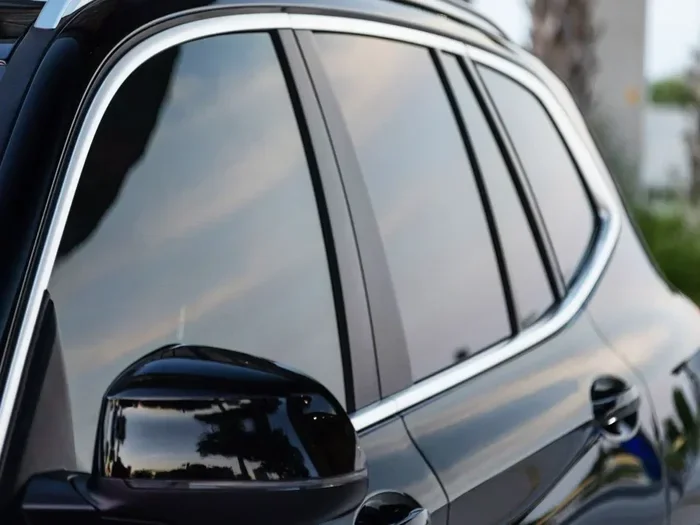
In person, a 15 tint looks almost like a mirror from the outside during the day. You can barely see through it. Inside the car, the view outward is dim but still visible during daylight hours. At night or in low-light conditions, though, it becomes much harder to see through the windows.
Real-World Look and Feel
Imagine sitting inside your car on a sunny afternoon. The interior feels noticeably cooler. The harsh glare from the sun is reduced significantly. The windows look like a dark, smooth layer covering the glass. That is what a 15% tint delivers.
From the outside, the car looks polished and customized. The dark windows give it a premium, almost luxury appearance. Many car enthusiasts choose this shade because it makes any vehicle look more refined and put-together.
How Is Tint Darkness Measured?
Before you dive deeper into the world of car window tinting, it helps to understand how darkness levels are measured. The system is straightforward once you know the basics.
Visible Light Transmission (VLT)
VLT percentage is the standard way to measure tint shade. The lower the number, the darker the tint. Here is a quick breakdown:
- 50% VLT: Lets in half the light. A light, subtle tint.
- 35% VLT: Medium darkness. Popular for a balanced look.
- 20% VLT: Quite dark. Hard to see through from outside.
- 15% VLT: Very dark. Only 15% of light passes through.
- 5% VLT: Nearly black. Often called “limo tint.”
A 15% tint sits in the darker range. It is darker than most factory tints and even darker than many aftermarket options. If you want a truly dark look, 15% is a popular choice.
What Affects How Dark It Looks?
Several factors can change how a 15% tint appears on your car:
- Film type: Dyed, carbon, ceramic, and metallic tints all look slightly different even at the same VLT.
- Window shape: Curved windows may show the tint differently than flat glass panels.
- Lighting conditions: The tint looks darker in bright sunlight and lighter at night or indoors.
- Color of the film: Some tints have a slight color tint, like blue or green, that affects the overall appearance.
Benefits of Choosing a 15% Tint for Your Car
Why do so many car owners choose a 15 tint on a car? There are some really solid reasons beyond just the looks. Let us explore the benefits.
Superior Heat Rejection
One of the biggest advantages of a dark tint film is heat rejection. A 15% tint blocks a large portion of solar energy from entering your car. On a hot summer day, this makes a huge difference.
Your car interior stays cooler. The dashboard and seats do not get scorching hot. And your air conditioning does not have to work as hard. Over time, this can even improve your fuel efficiency.
UV Protection for You and Your Interior
UV rays from the sun can cause serious damage. They fade your dashboard, crack your seats, and harm your skin. A quality 15% tint blocks up to 99% of harmful UV radiation.
This means your car interior lasts longer. Your skin stays safer during long drives. It is one of those benefits that people often overlook but truly appreciate over time.
Enhanced Privacy and Security
A 15% privacy tint makes it very difficult for people outside to see into your car. This gives you peace of mind when you leave valuables in your vehicle. It also adds a layer of security since passersby cannot easily see what is inside.
For families, this is especially helpful. You can keep your children and personal items out of sight without any effort.
Glare Reduction
Driving with too much sun glare is dangerous and uncomfortable. A 15 tint significantly reduces the amount of light and glare that enters through your side and rear windows. This helps you focus on the road and reduces eye strain during long trips.
Legal Considerations for 15% Tint
Before you rush out and get a 15% tint on your car, you need to know the legal rules. Tint laws vary widely from state to state and country to country.
Understanding Local Tint Laws
In many places, there are specific rules about how dark you can tint your windows. These rules usually focus on which windows can be tinted and what VLT percentage is allowed.
Some states allow a 15% tint on rear windows but require a lighter shade on the front side windows. Other states have very strict limits and may not allow 15% tint at all on any window. Here are some common patterns:
- Front side windows: Often must be above 20% or 35% VLT.
- Rear side windows: May allow 15% or even darker in many states.
- Windshield: Usually only a small strip at the top is allowed.
Why You Must Check Your Local Laws
Getting caught with an illegal tint can lead to fines and even having to remove the tint. It is not worth the risk. Always check your local tint regulations before choosing a shade. A reputable tint shop will also know the laws in your area and can guide you accordingly.
Common Mistakes People Make With 15% Tint
- Assuming it is legal everywhere: Just because it is allowed in one state does not mean it is legal in another.
- Ignoring reflective tint rules: Some areas also regulate how reflective the tint can be.
- Skipping the tint sticker: Many states require a legal tint sticker on the window. Forgetting this can lead to a ticket.
15% Tint vs Other Popular Tint Shades
Not sure if 15% is right for you? Let us compare it with other common tint levels so you can make an informed choice.
| Tint Shade | VLT % | Darkness Level | Best For |
|---|---|---|---|
| 50% Tint | 50% | Light | Subtle look and mild glare reduction |
| 35% Tint | 35% | Medium | Balanced style and function |
| 20% Tint | 20% | Dark | Enhanced privacy and heat rejection |
| 15% Tint | 15% | Very Dark | Bold look, maximum privacy, and UV protection |
| 5% Tint | 5% | Nearly Black | Maximum darkness, often used on limousines |
As you can see, a 15% tint is on the darker end of the spectrum. It is darker than 20%, 35%, and 50% tints but not as extreme as 5%. It strikes a nice balance between a bold appearance and practical functionality.
Which Shade Should You Pick?
Your choice depends on what matters most to you. If you want a subtle upgrade, go with 35% or 50%. If you want maximum darkness and privacy, a 15% tint or even 5% might be your best bet. Consider your climate, your driving habits, and your local laws when deciding.
How to Get the Best Results With a 15% Tint
Getting a 15% tint is not just about picking a shade. The quality of the tint film and the installation process both matter a lot.
Choose the Right Film Type
Not all tint films are created equal. Here are the most common types:
- Dyed film: Affordable but fades over time. Good basic option.
- Metallic film: Better heat rejection and durability. May interfere with signals.
- Carbon film: No signal interference. Fade-resistant. Great mid-range option.
- Ceramic film: Top-of-the-line performance. Best heat rejection and UV protection. Most expensive.
For a 15% tint, carbon or ceramic films are excellent choices. They look great, last long, and perform well.
Professional Installation Tips
While some people try to apply tint themselves, a professional tint shop will almost always deliver better results. Here is why:
- Professionals have the right tools and experience.
- They can handle curved windows without bubbles or wrinkles.
- They know how to prepare the glass properly for a clean finish.
- Most shops offer warranties on their work.
Expert Insight
“When applying a 15% tint, the smallest dust particle or bubble stands out more than with lighter tints. That is why a clean, professional environment and experienced hands make all the difference.”
Quick Tips for Maintaining Your 15% Tint
Once your 15 tint is installed, proper care helps it last longer and look better:
- Wait 3-7 days before rolling down your windows after installation.
- Clean with a soft cloth and ammonia-free cleaner.
- Avoid harsh chemicals that can degrade the film.
- Park in shaded areas when possible to reduce early fading.
- Inspect edges regularly for peeling or lifting.
Is a 15% Tint Right for You?
A 15 tint on a car is not for everyone. It is a bold choice that comes with real benefits and a few trade-offs. Consider your needs carefully before committing.
If you live in a hot, sunny climate and want maximum heat and UV protection, a 15% tint is a fantastic option. If you value privacy and want your car to look sleek and customized, this shade delivers. But if you do a lot of night driving or need maximum visibility through your windows, you might want to consider a slightly lighter shade.
The best approach is to visit a trusted tint shop in your area. Ask to see sample films. Ask about legal limits. Get a professional recommendation based on your specific vehicle and needs. A good installer will help you find the perfect balance of style, function, and legality.
Ultimately, a 15% tint is a popular choice for a reason. It looks incredible, performs well, and gives your car that customized, premium feel. Just make sure you go into it with your eyes open about the visibility trade-offs and local regulations.
Conclusion
A 15 tint on a car is a very dark, stylish, and functional choice for anyone looking to upgrade their vehicle’s appearance and performance. It blocks 85% of visible light, provides excellent UV protection, and keeps your car cooler in hot weather. The deep shade gives you enhanced privacy and gives any car a bold, polished look.
Just remember to check your local laws, choose a quality film, and invest in professional installation. With the right approach, a 15% tint can transform your driving experience for years to come. Take your time, do your research, and enjoy the ride with a tint that looks as great as it performs.
Frequently Asked Questions
Can you see through a 15% tint at night?
It is very difficult to see through a 15% tint at night, especially from the outside looking in. From the driver’s seat, you can still see outward but with reduced clarity. You should use your headlights and drive cautiously in low-light conditions when your windows are this dark.
Is a 15% tint legal in all states?
No, tint laws vary by state. Some states allow 15% tint on rear windows but require lighter shades on front side windows. Others restrict tint darkness more strictly. Always check your local regulations before getting any tint installed.
How much does a 15% tint cost?
The cost depends on the film type, your vehicle size, and whether you choose ceramic, carbon, or dyed film. On average, a full car window tint job with 15% film ranges from $200 to $500. Ceramic films tend to be on the higher end of that range.
Does a 15% tint block UV rays?
Yes, a quality 15% tint blocks up to 99% of harmful UV rays. This protects your skin and prevents your car interior from fading and cracking. It is one of the most practical benefits of choosing a dark tint shade.
Can I tint all my windows with 15% film?
In most states, you cannot tint the windshield or front side windows with a 15% shade. The legal limits usually require a lighter VLT on front windows. The rear side windows and back windshield are often where 15% tint is permitted.
How long does a 15% tint last?
With proper care, a good quality 15% tint can last 5 to 10 years or even longer. Ceramic and carbon films tend to outlast dyed films. Avoiding harsh cleaners and waiting to roll down windows after installation helps extend its lifespan.