How Do Car Lights Turn On Everything You Need to Know
How Do Car Lights Turn On is a question many drivers ask, and the answer is simpler than you think. Your vehicle’s lighting system relies on a few key parts working together, including the ignition switch, headlight relay, and wiring harness. This guide breaks down every component so you understand exactly how your lights come to life each time you turn the key.
Have you ever wondered what happens the moment you turn your car key and the lights spring to life? It feels like magic, but it is really just a clever chain of electrical parts working together. How Do Car Lights Turn On is a question that many drivers never think to ask. Yet understanding this simple process can save you time, money, and a lot of frustration on the road.
Your vehicle lighting system is one of the most important safety features you have. It helps you see at night. It lets other drivers see you. And it signals your intentions when you turn or brake. But how does it all work? The answer lies in a few key components that most people never think about until something goes wrong.
In this guide, we will walk through every part of the process. You will learn about the ignition switch, the headlight relay, the wiring harness, and much more. By the end, you will have a clear picture of how your car lights come on every single time you flip that switch.
Key Takeaways
- The ignition switch sends power to your lighting system when you turn the key
- The headlight relay acts as a switch that controls the flow of electricity to your bulbs
- Automatic headlights use a light sensor to detect ambient light and turn lights on or off
- Blown fuses and burned out bulbs are the most common reasons lights stop working
- LED headlights and halogen headlights work differently but follow the same basic electrical path
- Regular maintenance of your wiring harness and ground wire keeps your lights shining bright
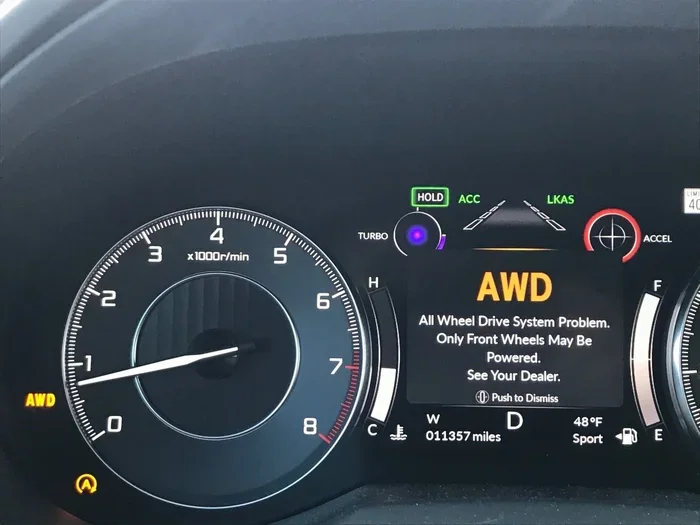
- Dashboard warning lights can alert you to problems in your electrical system before they become serious
📑 Table of Contents
- How Do Car Lights Turn On: A Simple Breakdown
- The Key Components Behind Your Car Lights
- Automatic vs Manual Headlight Systems
- Common Problems That Stop Car Lights from Working
- How to Maintain Your Car Lights for Long Life
- Upgrading Your Vehicle Lighting System
- Final Thoughts on How Do Car Lights Turn On
How Do Car Lights Turn On: A Simple Breakdown
At its core, the process of turning on your car lights is an electrical circuit completing itself. When you turn the key in the ignition switch, you are doing more than starting the engine. You are also powering up the entire electrical system of your vehicle. This includes the dashboard lights, the radio, and of course, the headlights.
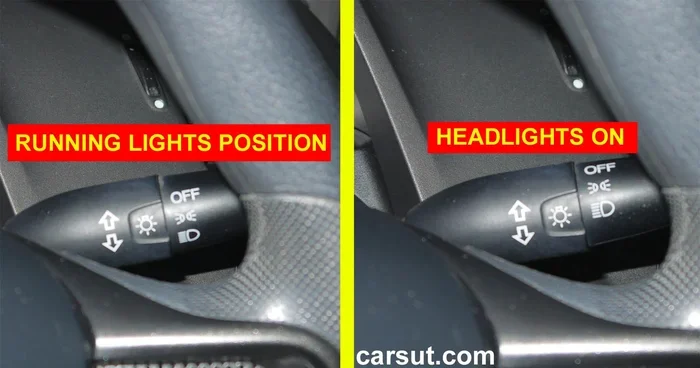
The light switch assembly sits on your steering column or dashboard. When you move it from the off position to the on position, it sends a signal through the wiring harness. That signal tells the headlight relay to close the circuit. Once the circuit is closed, electricity flows from the battery to the headlight bulb, and your lights come on.
The Role of the Ignition Switch
The ignition switch is the starting point of the whole process. Without it, nothing else works. When you insert your key and turn it to the “on” or “run” position, the switch completes a circuit that sends power to various systems in your car. The electrical system gets energized. The dashboard lights up. And the path to your headlights is now live.
Think of the ignition switch as the gatekeeper. It controls which systems get power at any given time. In older vehicles, turning the key all the way to the “start” position also engaged the starter motor. In modern cars, the ignition switch is often electronic. A push-button start does the same job with sensors and computer signals.
What Happens When You Flip the Switch
When you move the light switch assembly to the headlight position, here is exactly what happens in simple steps:
- You move the switch to the “on” or “auto” position.
- The switch sends a small electrical signal through the wiring harness.
- The headlight relay receives the signal and closes its internal contacts.
- Power flows from the battery through the closed relay to the headlight bulb.
- The filament inside the bulb heats up and produces light.
This whole process takes less than a second. It is fast, efficient, and reliable. But it depends on every single part in the chain working correctly. If even one component fails, your lights will not turn on.
The Key Components Behind Your Car Lights
Your car lights do not just turn on by magic. They rely on several important parts that work together as a team. Let us take a closer look at each one so you know exactly what is happening under the hood.
The Headlight Relay
The headlight relay is one of the most important parts of the entire lighting system. It acts as an electrical switch that controls the flow of power to your headlights. Instead of running a heavy electrical current directly from the ignition switch to the bulbs, the relay handles the load.
Why is this important? Because headlight bulbs draw a lot of power. If you ran that much current through a simple switch, the switch would wear out quickly or even melt. The relay solves this problem. It uses a small control signal to open or close a much heavier circuit. This keeps everything safe and extends the life of your electrical system.
The Wiring Harness and Ground Wire
The wiring harness is the network of cables that carries electricity throughout your vehicle. Think of it as the highway system for electrical power. Without it, no component could communicate with any other part of the car.
One critical part of this network is the ground wire. The ground wire completes the electrical circuit by providing a path back to the battery. If your ground wire is corroded or loose, the circuit cannot close. And if the circuit cannot close, your lights will not work. This is one of the most common causes of lighting problems, and it is often overlooked.
The Light Control Module
In modern vehicles, a light control module manages many of the lighting functions. This small computer receives inputs from various sensors and controls the automatic headlights, daytime running lights, and even the dashboard warning lights. It is the brain behind the brawn.
The light control module can detect when it is getting dark outside. It can also sense when you are turning a corner and adjust the low beam high beam pattern accordingly. This technology makes driving safer and more convenient. But it also means there are more parts that can potentially fail.
Automatic vs Manual Headlight Systems
Not all cars handle their lights the same way. Some vehicles have automatic headlights that turn on and off by themselves. Others require you to flip a switch manually. Both systems achieve the same goal, but they use different methods to get there.
How Automatic Headlights Work
Automatic headlights rely on a light sensor usually mounted on the dashboard or near the windshield. This sensor detects the amount of ambient light outside the vehicle. When the light level drops below a certain threshold, the sensor sends a signal to the light control module. The module then activates the headlights automatically.
This is incredibly convenient. You never have to remember to turn your lights on at dusk. And you never have to worry about leaving them on when you park. The light sensor handles everything for you. Many modern cars come with this feature as standard equipment.
The Benefits of Manual Control
Manual headlight systems give you full control. You decide when the lights come on and when they go off. Some drivers prefer this because they can use their parking lights or fog lights independently. Manual systems also tend to be simpler, which means there are fewer parts that can break.
However, manual systems require more attention from the driver. You need to remember to turn the lights on when it gets dark. And you need to turn them off when you park to avoid draining the battery.
| Feature | Automatic Headlights | Manual Headlights |
|---|---|---|
| Convenience | Very high | Lower |
| Sensors Required | Yes (light sensor) | No |
| Complexity | Higher | Lower |
| Battery Drain Risk | Low (auto-off) | Higher if forgotten |
| Driver Control | Limited | Full |
| Common in New Cars | Yes | Older models |
Quick Tips
- Check your automatic headlights setting regularly to make sure the sensor is not blocked by a sticker or tint.
- If your manual lights keep staying on after you park, check the light switch assembly for wear.
- Use your fog lights only in low-visibility conditions to avoid blinding other drivers.
Common Problems That Stop Car Lights from Working
Even the best electrical system can develop problems over time. When your lights fail to turn on, it can be scary and dangerous. The good news is that most common issues are easy to diagnose and fix.
Blown Fuses and Faulty Relays
A blown fuse is the most common reason car lights stop working. The fuse box contains small fuses that protect each circuit from power surges. If too much current flows through the headlight circuit, the fuse blows and breaks the circuit. No power reaches the bulbs, and your lights stay dark.
A faulty headlight relay can cause the same problem. If the relay’s internal contacts wear out or get corroded, it cannot close the circuit properly. You may notice your lights flicker or fail to come on at all. Replacing a relay is usually inexpensive and straightforward.
Burned Out Headlight Bulbs
Headlight bulbs have a limited lifespan. Over time, the filament inside the bulb wears thin and eventually breaks. When this happens, the circuit is incomplete, and no light is produced. Halogen headlights typically last between 450 and 1,000 hours. LED headlights can last much longer, sometimes up to 30,000 hours.
If only one headlight is out, it is almost always a burned-out bulb. Replacing a bulb is one of the easiest maintenance tasks you can do at home. Most vehicles use standard bulb sizes that are widely available and affordable.
Wiring and Ground Issues
Corroded or damaged wiring can interrupt the flow of electricity to your headlights. This is especially common in older vehicles or cars that have been exposed to road salt and moisture. A loose or corroded ground wire is often the culprit behind flickering or dim lights.
To check for ground wire issues, locate the ground wire connection on the back of the headlight assembly. Clean the contact point with a wire brush and tighten the connection. This simple fix resolves many lighting problems without any expensive parts.
Common Mistakes
- Replacing bulbs without checking the fuse box first
- Ignoring dashboard warning lights that signal electrical problems
- Using the wrong bulb type for your vehicle’s headlight bulb socket
- Forgetting to check the ground wire when diagnosing lighting issues
- Assuming a relay is bad when it is actually just a loose connection
How to Maintain Your Car Lights for Long Life
Taking care of your vehicle’s lighting system is easier than most people think. A little regular maintenance can keep your lights bright and your electrical system healthy for years to come.
Regular Bulb Checks
Make it a habit to check all your lights once a month. Walk around your car and look at the headlights, taillights, turn signals, and brake lights. Ask a friend to press the brake pedal while you check from behind. Replace any burned-out bulbs right away.
When replacing bulbs, always match the bulb type to your vehicle’s specifications. Using the wrong headlight bulb can cause poor light output or even damage the electrical system. Check your owner’s manual for the correct bulb type and wattage.
Cleaning and Protecting the Lenses
Dirty or foggy headlight lenses can reduce your visibility by up to 50 percent. Over time, UV exposure and road debris cause the plastic to oxidize and turn cloudy. Cleaning your headlight lenses regularly with a dedicated restoration kit can restore clarity and brightness.
You can also apply a UV protectant coating to prevent future damage. This simple step keeps your halogen headlights and LED headlights performing at their best. Clear lenses mean better light output and safer nighttime driving.
Expert Insights
Automotive electricians recommend checking your wiring harness connections every 2 to 3 years. Vibration from driving can loosen connections over time. A loose connection in the wiring harness can cause intermittent lighting problems that are hard to diagnose. A quick visual inspection can catch these issues early before they become bigger problems.
Also, pay attention to your dashboard warning lights. If you see a battery or electrical warning on your dash, do not ignore it. Early detection of electrical system issues can prevent a dead battery or a complete lighting failure when you need it most.
Upgrading Your Vehicle Lighting System
If you are tired of dim or unreliable lights, upgrading your vehicle’s lighting system is a great option. Modern upgrades can significantly improve visibility and add a sleek look to your car.
LED Headlights vs Halogen Headlights
LED headlights and halogen headlights are the two most common types on the road today. Each has its own advantages and trade-offs.
Halogen headlights have been the standard for decades. They are affordable and easy to replace. They produce a warm, yellowish light that works well in most conditions. However, they are not very energy-efficient and have a shorter lifespan.
LED headlights are becoming increasingly popular. They use less energy, last much longer, and produce a brighter, whiter light. This improves nighttime visibility significantly. The upfront cost is higher, but the long-term savings on replacement bulbs make them a smart investment.
| Feature | Halogen Headlights | LED Headlights |
|---|---|---|
| Lifespan | 450-1,000 hours | Up to 30,000 hours |
| Energy Efficiency | Lower | Higher |
| Light Color | Warm yellow | Bright white |
| Replacement Cost | Low | Moderate to high |
| Brightness | Standard | Excellent |
| Heat Output | High | Low |
Adding Daytime Running Lights
Daytime running lights (DRLs) are a great safety upgrade. They keep your headlights on at low power during the day so other drivers can always see your vehicle. Many new cars come with DRLs built in. If your older vehicle does not have them, aftermarket kits are widely available and easy to install.
DRLs use very little power and do not drain your battery. They simply run the headlight bulb at a reduced voltage through the voltage regulator. This keeps the lights dim enough to not distract other drivers but bright enough to be clearly visible.
Final Thoughts on How Do Car Lights Turn On
How Do Car Lights Turn On is really about understanding a simple electrical circuit that has been refined over decades of automotive engineering. From the ignition switch to the headlight relay, from the wiring harness to the headlight bulb, every part plays a vital role. When all the components work together, you get reliable lighting that keeps you safe on the road.
Regular maintenance goes a long way. Check your fuses, clean your lenses, and pay attention to any dashboard warning lights. If you notice flickering or dimming, do not wait to investigate. Catching problems early saves you from being stranded with no lights on a dark road.
Whether your car uses automatic headlights or a manual light switch assembly, understanding how the system works empowers you as a driver. You can make smarter decisions about upgrades, repairs, and daily care. Your lights are your first line of defense at night and in bad weather. Treat them well, and they will keep you seeing clearly for miles to come.
Frequently Asked Questions
What causes car headlights to turn on and off by themselves?
This is usually caused by a faulty light control module or a loose ground wire. The automatic headlights system may also malfunction if the light sensor is dirty or blocked. Check the sensor and the ground connection first before replacing any parts.
How long do headlight bulbs typically last?
Halogen headlights last about 450 to 1,000 hours, while LED headlights can last up to 30,000 hours. Driving habits, road conditions, and vibration all affect the lifespan. Replacing bulbs before they burn out completely helps maintain consistent visibility.
Can a dead battery cause headlights not to turn on?
Yes. A dead or weak battery cannot provide enough power to the electrical system. If your lights are dim or do not come on at all, check the battery voltage first. A fully charged battery should read around 12.6 volts when the engine is off.
What is the difference between low beam and high beam headlights?
Low beam high beam settings control the direction and spread of light. Low beams point downward and are used for normal driving. High beams point straight ahead and provide maximum visibility on dark, open roads. The headlight relay switches between these two modes when you toggle the lever on your steering column.
Are daytime running lights the same as headlights?
No. Daytime running lights operate at a lower power level and are designed only to make your vehicle visible during the day. They do not provide illumination for the driver. Your full headlights are still needed at night or in low-visibility conditions like rain or fog.
How do I know if my headlight relay is bad?
Signs of a bad headlight relay include lights that do not turn on, lights that flicker, or lights that only work on one setting. You can test the relay by swapping it with a similar relay in the fuse box. If the lights work after the swap, the relay was the problem.