Can I Drive If My AWD Light Is On and What It Means
The AWD light on your dashboard is a warning that something is wrong with your all-wheel drive system. You can usually drive a short distance carefully, but ignoring it may cause serious damage or unsafe driving conditions. This guide explains exactly what the AWD light means, why it turns on, and what you should do next.
That little warning light on your dashboard just popped up, and it says AWD. You are probably wondering, can I drive if my AWD light is on? It is a scary moment when any warning light comes on, especially one tied to how your car moves and grips the road. The short answer is yes, you can drive a short distance, but you need to understand what is happening under the hood before you do.
Your vehicle’s all-wheel drive system sends power to all four wheels for better grip and stability. When the AWD light comes on, it means the system has detected a problem. This could be something simple like low fluid, or something more serious like a failed sensor or a damaged transfer case. Either way, you should not ignore it. In this article, we will break down everything you need to know about the AWD warning light, what causes it, and what steps to take right now.
Key Takeaways
- Short drives are possible: You can drive carefully to a safe location or mechanic, but avoid long distances.
- It signals a problem: The AWD light means your all-wheel drive system has detected a fault or malfunction.
- Common causes include: Low fluid, bad sensors, transfer case issues, or electrical problems.
- Ignoring it is risky: Driving with a faulty AWD system can reduce traction and lead to costly repairs.
- Quick fixes exist: Some causes like a blown fuse or low fluid are easy and cheap to repair.
- Get a diagnostic scan: A mechanic can read the error codes to pinpoint the exact issue fast.
- Prevention matters: Regular maintenance keeps your AWD system healthy and your drives safe.
📑 Table of Contents
- What Does the AWD Light Mean?
- Can You Still Drive With the AWD Light On?
- Common Reasons the AWD Light Comes On
- What Happens If You Ignore the AWD Light?
- How to Fix the AWD Light Problem
- Quick Tips for AWD System Health
- Common Mistakes People Make When the AWD Light Comes On
- Expert Insights on AWD System Maintenance
- How to Prevent the AWD Light From Coming Back
- Final Thoughts
What Does the AWD Light Mean?
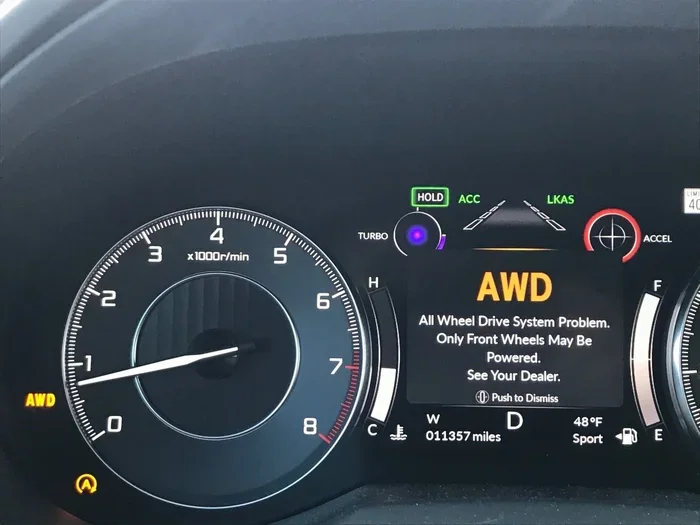
The AWD light on your dashboard is part of your vehicle’s drivetrain warning system. It uses a symbol that looks like a car with all four wheels marked. When this light stays on or flashes, your car is telling you that the all-wheel drive system is not working as it should.
Your AWD system relies on many parts working together. These include the transfer case, front differential, rear differential, wheel speed sensors, and the electronic control module. When one of these parts fails, the system triggers the warning light. The light may show up as a solid yellow icon or a flashing red one. A solid yellow light usually means a less urgent issue, while a flashing red light often signals a more serious problem that needs immediate attention.
AWD Light vs. Check Engine Light
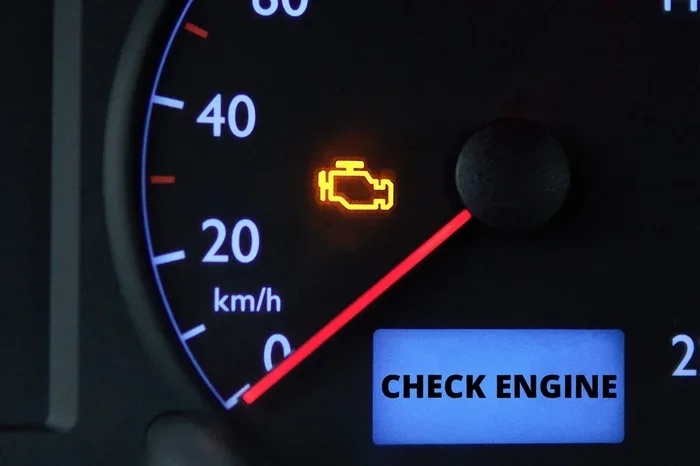
Sometimes the AWD light comes on at the same time as the check engine light. This happens because many modern vehicles share a central electronic control module that monitors multiple systems. When the AWD system detects a fault, it can also trigger the check engine light. A diagnostic scan tool can read the specific error codes stored in your car’s computer, which helps pinpoint the exact problem.
Can You Still Drive With the AWD Light On?
The big question everyone wants answered: can I drive if my AWD light is on? The honest answer is yes, but with important caveats. You should treat it like a yellow flag, not a green light. Short, careful drives to a nearby repair shop are usually fine. Long highway trips or off-road driving are not recommended.
Here is why this matters. When your AWD system is not working properly, your vehicle may lose traction control on slippery roads. You might notice the car sliding more in rain or snow. In some cases, the vehicle may revert to two-wheel drive mode automatically, which reduces stability. If you live in an area with harsh winters or frequent rain, driving with a faulty AWD system can be genuinely dangerous.
When Driving Is Safe
You can drive safely in these situations:
- The light is solid yellow and steady.
- You are on dry, flat roads.
- You are heading to the nearest mechanic.
- Your car drives normally with no strange noises.
- You keep your speed low and your distance from other cars greater than normal.
When You Should Stop Driving
Stop driving immediately if you notice any of these signs:
- The light is flashing red.
- You hear grinding or clunking noises from the drivetrain.
- The car pulls to one side.
- You feel a loss of power or jerking while accelerating.
- Fluid is leaking underneath your vehicle.
These symptoms suggest a serious drivetrain malfunction that could cause further damage or put you at risk on the road.
Common Reasons the AWD Light Comes On
Understanding what triggers the AWD warning light helps you act faster. Here are the most common causes, listed from simplest to most complex.
Low AWD Fluid Level
Your AWD system uses special fluid to lubricate gears and transfer power smoothly. Over time, this fluid can leak or burn off. When the fluid level drops too low, the system cannot operate correctly, and the warning light turns on. This is one of the easiest and cheapest problems to fix. A fluid top-off or replacement often solves the issue completely.
Faulty Wheel Speed Sensors
Wheel speed sensors monitor how fast each wheel is spinning. The electronic control module uses this data to distribute torque distribution evenly across all four wheels. When a sensor fails or gets dirty, it sends wrong signals, and the AWD system shuts down as a safety measure. These sensors are small and relatively inexpensive to replace.
Bad ABS Sensor or ABS Ring
The ABS sensor works closely with the AWD system. If your ABS sensor malfunctions, it can also trigger the AWD light. The ABS ring, which is a toothed ring attached to the wheel hub, can also wear out or collect metal debris, causing inaccurate readings.
Transfer Case Problems
The transfer case is the heart of your AWD system. It splits engine power between the front and rear axles. When the transfer case fails, you lose AWD functionality entirely. Transfer case issues can stem from worn gears, a broken chain, or internal electrical failure. Repair costs can range from moderate to very expensive depending on the damage.
Blown Fuse or Wiring Issues
Sometimes the cause is surprisingly simple. A blown AWD fuse or damaged wiring harness can cut power to the system and light up the dashboard. Corroded connectors or frayed wires are common in older vehicles or those exposed to road salt and moisture.
Software or Module Glitch
Modern vehicles rely heavily on software. Occasionally, the electronic control module simply needs a reset. A diagnostic scan can reveal if the issue is a software error rather than a hardware failure. In some cases, a simple update or reset clears the light entirely.
What Happens If You Ignore the AWD Light?
It is tempting to just keep driving and hope the light goes away. But ignoring the AWD light almost always makes things worse. Here is what can happen over time.
First, the underlying problem does not fix itself. A low fluid level will lead to gear wear. A bad sensor will give wrong data, which can affect your traction control and vehicle stability systems. Second, small problems become big expensive ones. A $50 sensor fix can turn into a $1,500 transfer case replacement if you wait too long. Third, your safety is at risk. AWD systems are designed to keep you stable on tricky roads. Without a working AWD system, you lose that extra layer of protection.
Some drivers also wonder about fuel economy. They think disabling AWD saves gas. But a malfunctioning AWD system often causes the engine to work harder, which can actually reduce fuel efficiency rather than improve it.
Cost of Ignoring the Light
Here is a quick look at how repair costs can escalate when you ignore the AWD light:
- Early stage (fluid top-off): $50 to $150
- Mid stage (sensor replacement): $100 to $400
- Late stage (transfer case repair): $800 to $2,500
- Worst case (full drivetrain overhaul): $2,500 to $5,000+
As you can see, early action saves a lot of money and a lot of stress.
How to Fix the AWD Light Problem
Once the light comes on, you have a few options. Here is a step-by-step approach to getting it resolved.
Step 1: Check the Fluid
Open your hood and locate the AWD fluid reservoir. Check the level against the min and max marks. If it is low, top it off with the correct fluid type listed in your owner’s manual. Sometimes this alone turns the light off.
Step 2: Inspect for Leaks
Look under your car for any fresh fluid puddles. AWD fluid is usually reddish or brownish. If you see a leak, you need to find the source and fix it before refilling. Common leak points include the front and rear differential seals and transfer case gaskets.
Step 3: Get a Diagnostic Scan
Visit a mechanic or auto parts store that offers free diagnostic scanning. The scan tool reads error codes from your car’s computer. These codes tell you exactly which component or sensor is causing the problem. This step saves time and money by avoiding guesswork.
Step 4: Replace Faulty Components
Based on the diagnostic results, replace the faulty part. Whether it is a wheel speed sensor, a blown fuse, or something more complex, getting the right part installed quickly resolves the issue.
Step 5: Reset the System
After repairs, the mechanic can reset the AWD system. In some vehicles, you can also reset it yourself by disconnecting the battery for a few minutes. Once reset, drive gently and see if the light stays off.
Quick Tips for AWD System Health
Taking care of your AWD system prevents problems before they start. Here are some practical tips:
- Check fluid levels regularly: Every oil change is a good time to inspect AWD fluid.
- Watch for unusual noises: Grinding, whining, or clunking sounds are early warning signs.
- Keep sensors clean: Road grime and dirt can clog wheel speed sensors. A quick wipe during car washes helps.
- Don’t skip tire rotations: Uneven tire wear puts extra strain on the AWD system.
- Address warning lights early: The sooner you act, the cheaper and safer the fix.
Common Mistakes People Make When the AWD Light Comes On
Many drivers make avoidable mistakes when the AWD light appears. Here are the most common ones and how to avoid them.
Mistake 1: Assuming it will go away on its own. Warning lights rarely turn off without fixing the root cause. Even if the light flickers off, the problem still exists and will likely return.
Mistake 2: Driving long distances. Some people drive hours with the AWD light on to reach their destination. This puts unnecessary strain on the drivetrain and can turn a minor issue into a major repair.
Mistake 3: Using the wrong fluid. Not all AWD fluids are the same. Using the wrong type can damage seals and internal components. Always use the fluid specified by your vehicle manufacturer.
Mistake 4: Ignoring paired warning lights. If the AWD light comes on with the ABS light or check engine light, the issues are likely connected. Treat all warning lights as a related system, not separate problems.
Mistake 5: Skipping the diagnostic scan. Guessing what is wrong leads to wasted money on unnecessary parts. A proper diagnostic scan takes minutes and gives you clear answers.
Expert Insights on AWD System Maintenance
We spoke with certified automotive technicians about the most overlooked aspects of AWD system care. Here is what they had to say.
Regular fluid changes are non-negotiable. AWD fluid breaks down over time and loses its lubricating properties. Most manufacturers recommend changing AWD fluid every 30,000 to 60,000 miles. Skipping this service is the number one cause of premature AWD wear.
Tire condition matters more than people think. If your tires have different tread depths or sizes, the AWD system works overtime to compensate. This extra strain wears out components faster. Keeping all four tires matched in size and tread depth is one of the simplest ways to protect your drivetrain.
Winter driving demands extra attention. Cold temperatures make AWD fluid thicker and less responsive. If you live in a cold climate, consider using a winter-grade AWD fluid and let your car warm up for a minute or two before driving aggressively.
Listen to your car. Technicians emphasize that drivers should pay attention to subtle changes. A slight vibration in the steering wheel or a faint humming noise from the front end can signal AWD problems weeks before the light comes on. Catching these early signs gives you time to address issues before they become expensive repairs.
How to Prevent the AWD Light From Coming Back
Once you have fixed the problem, you want to keep the AWD light off for good. Prevention is always better than repair. Here is how to maintain a healthy AWD system long-term.
- Follow the manufacturer’s maintenance schedule: Stick to the service intervals in your owner’s manual.
- Use genuine or OEM parts: Aftermarket parts vary in quality. OEM parts are designed specifically for your vehicle.
- Keep up with tire maintenance: Rotate tires every 5,000 to 7,500 miles and check pressure monthly.
- Drive gently when the system is warming up: Avoid sudden acceleration in cold weather.
- Address small issues immediately: A minor fluid leak today can become a major failure next month.
Taking these simple steps dramatically reduces the chances of the AWD warning light returning. Your all-wheel drive system will last longer, perform better, and keep you safer on the road.
Final Thoughts
So, can you drive if your AWD light is on? Yes, but only carefully and for a short distance. The AWD warning light is your car’s way of telling you something needs attention. The best thing you can do is take it seriously, get a diagnostic scan, and address the problem quickly. Ignoring it risks your safety and your wallet. On the other hand, fixing it early is usually simple and affordable. Your all-wheel drive system works hard every time you drive, especially on wet or uneven roads. Give it the care it deserves, and it will keep you safe for miles to come. Take action today, and you will thank yourself tomorrow.
Frequently Asked Questions
What does it mean when the AWD light comes on?
The AWD light means your all-wheel drive system has detected a fault. This could be caused by low fluid, a bad sensor, a wiring issue, or a problem with the transfer case. It is your vehicle’s way of alerting you to get the system checked.
Is it safe to drive with the AWD light on?
You can drive a short distance carefully, especially on dry roads. However, long drives or driving in bad weather is not safe because the AWD system may not provide proper traction. Head to a mechanic as soon as possible.
How much does it cost to fix the AWD light?
Costs vary widely depending on the cause. A fluid top-off might cost under $100, while a sensor replacement could be $100 to $400. Transfer case repairs can range from $800 to $2,500. Getting a diagnostic scan first helps you know the exact cost.
Can a blown fuse cause the AWD light to come on?
Yes, a blown AWD fuse can cut power to the system and trigger the warning light. This is one of the simplest and cheapest fixes. A mechanic can check your fuses quickly as part of a diagnostic process.
Will the AWD light turn off by itself?
Sometimes the light may turn off if the issue is minor and temporary, like a momentary sensor glitch. But in most cases, the underlying problem remains and the light will return. It is best to get the system checked rather than hoping it resolves on its own.
How often should I change AWD fluid?
Most manufacturers recommend changing AWD fluid every 30,000 to 60,000 miles. Check your owner’s manual for the exact interval. Regular fluid changes keep the system lubricated and prevent premature wear that can trigger the warning light.