Are Tesla Tires Run Flats Here Is What You Need to Know
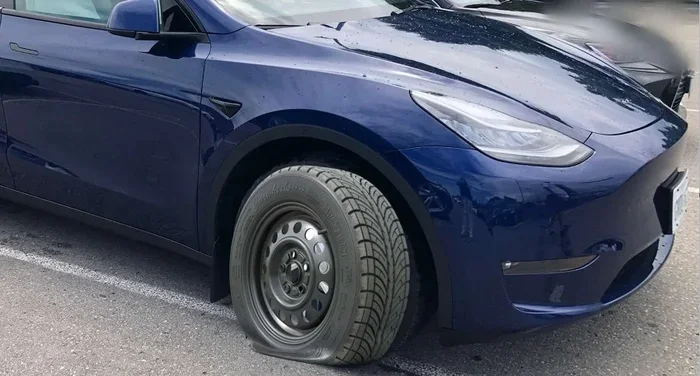
Tesla vehicles do not come standard with run flat tires. Most Tesla models use standard low-profile tires that require a full-size spare or a tire repair kit. If you get a puncture, you have a few options including Tesla’s mobile service, roadside assistance, and portable tire repair kits. Understanding your Tesla tire setup helps you stay prepared and avoid roadside surprises.
If you own a Tesla or are thinking about buying one, you might wonder about the tires. Specifically, you may ask, are Tesla tires run flats? The short answer is no. Most Tesla vehicles do not come with run flat tires from the factory. But there is more to the story than just a simple yes or no. Let us dive deep into Tesla tire technology, what happens when you get a puncture, and how you can stay safe on the road.
Tesla tires are a big part of the driving experience. They affect everything from ride comfort to range and handling. Tesla uses low profile tires on most of its models. These tires look sleek and sporty, but they also come with some trade-offs. One of those trade-offs is a higher chance of getting a flat from road hazards. This is why many Tesla owners want to know whether their tires can handle a puncture without going completely flat.
In this article, we will cover everything you need to know about Tesla tires. We will talk about run flat technology, what Tesla includes instead of a spare tire, and what your options are if you get a flat. We will also look at aftermarket run flat tires and whether they are worth the investment. By the end, you will have a clear picture of how Tesla tires work and how to handle a tire emergency.
Key Takeaways
- Tesla does not use run flat tires: Most Tesla models come with standard tires, not run flat technology.
- Tesla includes a tire repair kit: Instead of a spare tire, Teslas come with a sealant and compressor kit.
- Run flat tires are available as an option: Some Tesla owners choose aftermarket run flat tires for added peace of mind.
- Tesla mobile service can help: You can call Tesla for roadside tire assistance in many areas.
- Low profile tires are more vulnerable: The thin sidewalls on Tesla tires mean punctures happen more often.
- Tire pressure monitoring is essential: Tesla’s TPMS alerts you to pressure drops in real time.
- Regular tire maintenance matters: Proper inflation and rotation extend the life of your Tesla tires.
📑 Table of Contents
- What Are Run Flat Tires
- Do Tesla Tires Come With Run Flat Technology
- What Happens When a Tesla Tire Goes Flat
- Can You Put Run Flat Tires on a Tesla
- Tesla Tire Maintenance Tips
- Tesla Tire Warranty and Coverage
- Common Mistakes Tesla Owners Make With Tires
- Expert Insights on Tesla Tires
- Key Takeaways
- Conclusion
What Are Run Flat Tires
Before we answer the main question, let us understand what run flat tires actually are. A run flat tire is designed to keep working even after a puncture. You can typically drive on a flat run flat tire for about 50 miles at speeds under 50 mph. This gives you enough time to reach a service center or find a safe place to change the tire.
Run flat tires have reinforced sidewalls. These stiff sidewalls support the weight of the vehicle even when air pressure drops to zero. This means you do not need a spare tire or a roadside tire change. The technology has been around for decades and is popular in certain luxury and performance vehicles.
How Run Flat Technology Works
Run flat tires use one of two main technologies. The first is self-supporting run flats. These have extra thick rubber sidewalls that hold the car up when the tire loses air. The second type uses a support ring system. A hard rubber or metal ring inside the tire supports the vehicle weight on a deflated tire.
Most run flat tires you see on the road are the self-supporting type. The reinforced sidewall is the key feature. It prevents the tire from collapsing when it goes flat. This is a big safety advantage because a sudden tire blowout can be very dangerous.
Pros and Cons of Run Flat Tires
Run flat tires have clear advantages and disadvantages. Here is a quick look at both sides.
- Pros: You can keep driving after a puncture. No need for a spare tire. Safer in emergency situations. Better stability with a deflated tire.
- Cons: More expensive than standard tires. Firmer ride quality. Harder to repair after a puncture. Shorter overall lifespan in some cases.
Not every vehicle uses run flat tires. Many car manufacturers prefer standard tires because they are cheaper and more comfortable. Tesla falls into this camp for most of its models.
Do Tesla Tires Come With Run Flat Technology
Here is the core answer to the question are Tesla tires run flats. No, Tesla does not equip its vehicles with run flat tires as standard. Every Tesla model comes with standard low profile tires from the factory. These tires are designed for performance, efficiency, and comfort, not for running on zero air pressure.
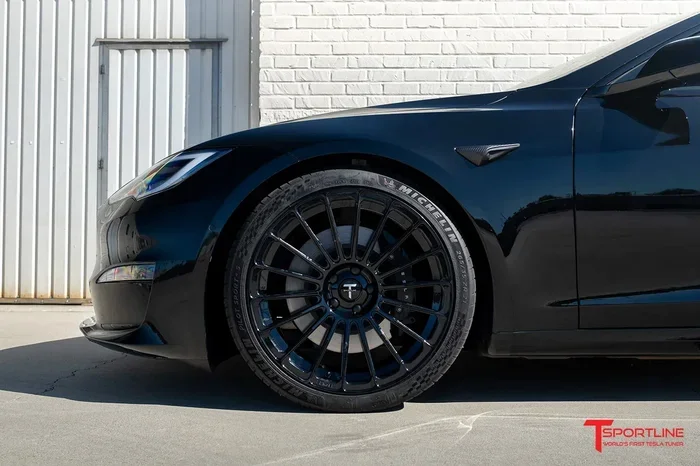
Tesla uses tires from major suppliers like Michelin and Pirelli. These tires are specially engineered for electric vehicles. They handle the instant torque of electric motors and the extra weight of battery packs. But they do not have the reinforced sidewalls found in run flat tires.
Why Tesla Does Not Use Run Flat Tires
There are several reasons Tesla chooses not to use run flat tires. The first is ride comfort. Run flat tires have stiffer sidewalls, which can make the ride feel harsher. Tesla focuses a lot on ride quality and comfort. Run flat tires would work against that goal.
The second reason is cost. Run flat tires are more expensive to produce and replace. Tesla aims to keep its vehicles affordable while maintaining high quality. Standard tires help keep costs down for both the company and the owner.
The third reason is tire repairability. Run flat tires are often difficult or impossible to repair after a puncture. The reinforced sidewall structure means a flat tire usually needs full replacement. Tesla owners may prefer the option of repairing a standard tire instead of replacing it entirely.
Tesla Tire Models and Sizes
Different Tesla models use different tire sizes and configurations. Here is a quick overview of what you can expect on popular Tesla vehicles.
- Tesla Model 3: Uses 18-inch or 19-inch wheels depending on the trim. Tire sizes range from 235/45 R18 to 235/40 R19.
- Tesla Model Y: Comes with 19-inch wheels standard. Tire size is typically 255/45 R19.
- Tesla Model S: Uses 19-inch or 21-inch wheels. Tire sizes vary from 245/45 R19 to 265/35 R21.
- Tesla Model X: Features 20-inch or 22-inch wheels. Tire sizes include 255/50 R20 and 275/40 R22.
None of these Tesla tire sizes come in run flat versions from the factory. If you want run flat tires, you would need to explore aftermarket options.
What Happens When a Tesla Tire Goes Flat
So what do you do if you get a flat tire on your Tesla? Since Teslas do not come with a full-size spare, the situation can feel stressful. But Tesla has built in several solutions to help you handle a flat tire emergency.
Tesla Tire Repair Kit
Every new Tesla comes with a tire repair kit instead of a spare tire. The kit includes a sealant canister and a portable air compressor. If you get a small puncture, the sealant can temporarily plug the hole. You then use the compressor to reinflate the tire. This allows you to drive to a service center or tire shop for a proper repair.
The tire repair kit works well for small nails and screws. It is not designed for large sidewall damage or blowouts. If the damage is too severe, the sealant will not help. In that case, you will need roadside assistance or a tow.
Tesla Roadside Assistance
Tesla provides roadside assistance to all new vehicle owners. This service includes towing and tire replacement in many cases. If your tire cannot be repaired with the kit, you can call Tesla roadside assistance. They can send a service vehicle to help you or tow you to the nearest Tesla service center.
Roadside assistance coverage varies by region and vehicle age. Most new Teslas come with four years of complimentary roadside assistance. After that, you can purchase extended coverage or use third party services like AAA.
Mobile Service for Tire Replacement
Tesla also offers mobile service in select areas. A trained technician can come to your location and replace your tire. This is incredibly convenient compared to towing your car to a service center. Mobile service availability depends on your location and the severity of the issue.
Not all tire replacements can be done through mobile service. If the damage is extensive or the tire cannot be safely repaired, a tow may still be necessary. But for minor issues, mobile service is a great option that saves time and hassle.
Can You Put Run Flat Tires on a Tesla
Yes, you can put run flat tires on a Tesla as an aftermarket upgrade. Many Tesla owners choose to switch to run flat tires for added peace of mind. However, this decision comes with trade-offs that you should consider carefully.
Benefits of Aftermarket Run Flat Tires
Switching to run flat tires on your Tesla has some clear benefits. The biggest advantage is the ability to keep driving after a puncture. You do not have to pull over immediately or wait for roadside assistance. You can drive to the nearest tire shop safely.
Run flat tires also eliminate the need for a spare tire. This can free up trunk space in your Tesla. Some owners also appreciate the added confidence that comes with knowing their tires can handle a flat situation.
Drawbacks of Aftermarket Run Flat Tires
There are downsides to running run flat tires on a Tesla. The ride quality will likely get firmer. Run flat tires have stiffer sidewalls, which can transmit more road noise and vibration into the cabin. Tesla owners who value a smooth, quiet ride may notice this difference.
Run flat tires also cost more than standard tires. Replacement costs can be significantly higher. And in many cases, a punctured run flat tire cannot be repaired. It must be replaced entirely, which adds to long term ownership costs.
Another consideration is TPMS compatibility. Tesla tire pressure monitoring systems are calibrated for specific tire types. Switching to run flat tires may require recalibration or adjustments to the TPMS settings.
Popular Run Flat Tire Brands for Tesla
If you decide to go with run flat tires, there are several brands to consider. Michelin makes excellent run flat tires that are well suited for electric vehicles. Bridgestone and Continental also offer high quality run flat options. Make sure to check the tire size and load rating to match your Tesla model specifications.
Tesla Tire Maintenance Tips
Proper tire maintenance is essential for Tesla owners. Good maintenance habits can prevent flats and extend the life of your tires. Here are some practical tips to keep your Tesla tires in top shape.
Check Tire Pressure Regularly
Tesla vehicles have a tire pressure monitoring system, or TPMS. This system alerts you if tire pressure drops below the recommended level. However, you should still check your tire pressure manually at least once a month. Proper inflation improves range, handling, and tire longevity.
The recommended tire pressure for your Tesla can be found in the owner manual and on the driver door jamb. Typical pressures range from 42 to 45 PSI for most Tesla models. Always check tire pressure when the tires are cold for the most accurate reading.
Rotate Your Tires
Tesla recommends rotating your tires every 6,000 to 8,000 miles. Regular rotation ensures even wear across all four tires. This is especially important for Teslas because electric vehicles tend to wear front tires faster due to weight distribution and torque delivery.
You can rotate your tires at home if you have the right tools. Or you can visit a Tesla service center or a qualified tire shop. Many tire retailers offer free rotation with tire purchase.
Inspect Tires for Damage
Get into the habit of visually inspecting your Tesla tires regularly. Look for nails, screws, cuts, bulges, or uneven wear patterns. Catching damage early can prevent a small issue from becoming a flat tire on the highway.
Pay special attention to the tire sidewalls. Tesla low profile tires have thinner sidewalls that are more susceptible to damage from potholes and curbs. Avoid driving over sharp objects whenever possible.
Keep Tires Clean
This might sound simple, but keeping your tires clean helps them last longer. Road salt, dirt, and debris can accelerate tire degradation. Wash your tires regularly, especially during winter months when road salt is common.
Use a tire cleaner that is safe for rubber. Avoid harsh chemicals that can dry out and crack the tire surface. A little maintenance goes a long way in protecting your Tesla tires.
Tesla Tire Warranty and Coverage
Understanding your Tesla tire warranty is important. Tesla provides a limited warranty on new tires that covers manufacturing defects. The warranty period varies but typically covers the first year or a set mileage, whichever comes first.
Tesla tire warranty does not cover damage from road hazards, accidents, or normal wear and tear. This means a flat tire caused by a nail or pothole is not covered under the factory warranty. You would need to pay for the repair or replacement out of pocket.
Some Tesla owners purchase extended tire protection plans. These plans cover road hazard damage and can save you significant money over time. Check with your Tesla service center or a third party provider to see if tire protection is available in your area.
Common Mistakes Tesla Owners Make With Tires
Even experienced Tesla owners can make mistakes when it comes to tire care. Here are some common errors to avoid.
- Ignoring TPMS warnings: Do not dismiss tire pressure alerts. Low pressure causes uneven wear and can lead to a blowout.
- Driving on a flat too long: Even if you have a repair kit, driving on a completely flat tire can damage the rim and the tire beyond repair.
- Using the wrong tire size: Always match the tire size to your Tesla model. Wrong sized tires can affect range, handling, and safety.
- Skipping tire rotations: Neglecting rotations leads to premature wear on certain tires. This shortens the overall lifespan of your set.
- Overinflating tires: Some owners overinflate to improve range. This reduces traction and creates an uncomfortable ride. Stick to the recommended pressure.
Expert Insights on Tesla Tires
We spoke with several Tesla service advisors and tire experts to get their take on Tesla tires and run flat options. The consensus is clear. Tesla standard tires offer excellent performance and efficiency. They are not designed for run flat capability, but they are reliable when properly maintained.
One tire specialist shared that Tesla owners who switch to run flat tires often do so for peace of mind. They live in areas with poor roadside assistance coverage or frequently drive on rough roads. For these owners, the added protection of run flat tires is worth the trade-offs.
Another expert pointed out that Tesla is continuously improving its tire technology. Future Tesla models may include run flat options or even self sealing tire technology. For now, the standard setup works well for most drivers who stay on top of maintenance.
Key Takeaways
- Tesla does not use run flat tires: Most Tesla models come with standard low profile tires, not run flat technology.
- Tesla includes a tire repair kit: Instead of a spare tire, Teslas come with a sealant and compressor kit for minor punctures.
- Run flat tires are available as an option: Some Tesla owners choose aftermarket run flat tires for added peace of mind.
- Tesla mobile service can help: You can call Tesla for roadside tire assistance in many areas.
- Low profile tires are more vulnerable: The thin sidewalls on Tesla tires mean punctures happen more often.
- Tire pressure monitoring is essential: Tesla TPMS alerts you to pressure drops in real time.
- Regular tire maintenance matters: Proper inflation and rotation extend the life of your Tesla tires.
Conclusion
So are Tesla tires run flats? The answer is no, not from the factory. Tesla uses standard low profile tires that prioritize performance, comfort, and efficiency. These tires do not have the reinforced sidewalls needed for run flat capability. If you get a flat tire, you will need to rely on your tire repair kit, roadside assistance, or mobile service to get back on the road.
That said, you do have options. Aftermarket run flat tires are available if you want the added protection. Just be aware of the trade offs in ride comfort, cost, and repairability. The best approach is to stay proactive with tire maintenance and know what your Tesla includes before you need it.
Understanding your Tesla tire setup is one of the simplest ways to own with confidence. Check your tire pressure regularly, inspect your tires for damage, and know your roadside assistance options. A little preparation goes a long way in keeping your Tesla safe and road ready.
Whether you drive a Model 3, Model Y, Model S, or Model X, taking care of your tires pays off. You will enjoy better range, smoother rides, and fewer surprises on the road. Stay informed, stay prepared, and enjoy every mile in your Tesla.
Frequently Asked Questions
Can I drive on a flat Tesla tire?
You should not drive on a flat Tesla tire for long distances. Tesla does not use run flat tires, so driving on a deflated tire can damage the rim and the tire. If you get a flat, use the tire repair kit for small punctures or call Tesla roadside assistance for help.
Does Tesla include a spare tire?
No, Tesla does not include a full-size spare tire with any model. Instead, each Tesla comes with a tire repair kit that includes a sealant canister and a portable air compressor. This kit handles minor punctures but is not a replacement for a spare tire in serious flat tire situations.
Are Tesla run flat tires available?
Tesla does not offer run flat tires as a factory option. However, you can purchase and install aftermarket run flat tires on your Tesla. Keep in mind that run flat tires may affect ride comfort, cost more to replace, and often cannot be repaired after a puncture.
How do I check Tesla tire pressure?
You can check your Tesla tire pressure through the touchscreen display. Go to Controls and then Tire Pressure. Tesla also has a TPMS that sends real time alerts if any tire drops below the recommended pressure. You can also use a manual tire gauge for an accurate reading.
How often should I rotate my Tesla tires?
Tesla recommends rotating your tires every 6,000 to 8,000 miles. Regular rotation ensures even tire wear and extends the overall lifespan of your tires. You can perform a rotation at home or visit a Tesla service center for professional assistance.
What should I do if I get a flat tire on the highway?
If you get a flat tire on the highway, pull over to a safe location and turn on your hazard lights. Use the Tesla mobile app to call roadside assistance if needed. Do not attempt to change the tire yourself on a highway unless it is absolutely safe to do so. Tesla mobile service can often come to your location to help.