Do You Have to Reprogram a Key Fob When the Battery Dies
When your key fob battery dies, you might wonder if reprogramming is necessary. Do you have to reprogram a key fob when the battery dies? In most cases, a fresh battery is all you need. But certain vehicles and situations demand a full reprogramming to restore the signal.
You’re standing by your car, the remote key fob in your hand, and it just won’t work. The battery died. Now you’re left wondering, do you have to reprogram a key fob when the battery dies? It’s a common question, and the answer isn’t always a simple yes or no. Your vehicle’s make and model play a huge role in what happens next.
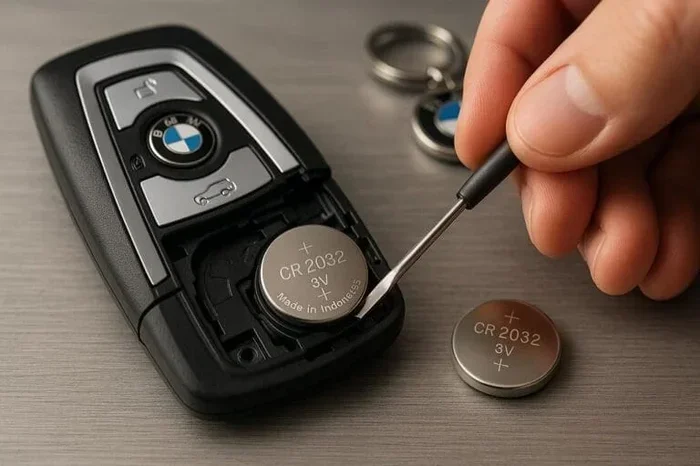
For many drivers, popping out the old battery and sliding in a new one solves everything. The key fob battery replacement takes seconds, and the car recognizes the fob immediately. But for others, a dead battery means a full reprogramming session. This guide walks you through exactly what to expect. You’ll learn when reprogramming is necessary, how to do it yourself, and what mistakes to avoid.
Key Takeaways
- Battery swap usually works: Most modern vehicles keep key fob programming intact after a simple battery change.
- Reprogramming is sometimes required: Luxury brands, older models, and complete power loss often need a full sync.
- DIY reprogramming is possible: Many cars let you reprogram the key fob yourself with a few simple steps.
- Use the right battery: Always choose the exact battery type recommended by your vehicle manufacturer.
- Proximity keys add complexity: Push-button start systems may require additional steps after battery replacement.
- Professional help is available: A dealership or locksmith can reprogram your key fob quickly if DIY fails.
📑 Table of Contents
- What Happens When Your Key Fob Battery Dies?
- Do You Have to Reprogram a Key Fob When the Battery Dies?
- Step-by-Step: How to Reprogram Your Key Fob
- Common Mistakes That Cause Key Fob Failure After Battery Replacement
- Quick Tips to Keep Your Key Fob Working
- When to Call a Professional for Key Fob Reprogramming
- Final Thoughts
What Happens When Your Key Fob Battery Dies?
The Silent Key Fob Problem
A dead battery dies inside your key fob creates a sudden silence. The remote locks don’t click. The push button start won’t respond. You might try pressing the buttons harder, but nothing happens. This signal loss can feel stressful, especially if you’re in a hurry.
The good news is that a dead battery doesn’t always mean lost programming. Most key fobs store their identity in the car’s computer. When you replace the CR2032 battery or whatever type your fob uses, the car still remembers that specific fob. The keyless entry system just needs a working battery to send the coded signal.
How a Dead Battery Affects Your Car
When the battery dies, the proximity key can’t communicate with the vehicle. If your car uses a push button start system, it relies on the fob’s signal to confirm the key is inside the cabin. Without power, the vehicle security system won’t recognize the fob. You might still be able to start the car with a mechanical key hidden inside the fob, but the remote functions are completely dead.
Some modern vehicles display a warning message on the dashboard. You might see “Key Not Detected” or “Key Fob Battery Low.” These alerts are your cue to swap the battery. Ignoring them can leave you stranded if the battery dies completely while you’re away from home.
Do You Have to Reprogram a Key Fob When the Battery Dies?
The Short Answer for Most Vehicles
Do you have to reprogram a key fob when the battery dies? For the majority of cars built after 2010, the answer is no. A simple key fob battery replacement keeps all your programming intact. The car’s computer stores the fob’s unique code in non-volatile memory. This memory doesn’t erase when the fob’s battery runs out.
Think of it like a light switch. The switch (fob battery) turns off the light (signal), but the wiring (programming) stays the same. When you put in a fresh battery, the light comes back on. Your key fob works exactly as before. This applies to most Toyota, Honda, Ford, Chevrolet, and Nissan models.
When Reprogramming Is Required
However, some situations do require a full key fob programming session. Luxury brands like BMW, Mercedes-Benz, and Audi often demand reprogramming after any battery change. Older vehicles from the 1990s and early 2000s also tend to lose their memory when the fob battery dies. Complete power loss—such as leaving your headlights on overnight and draining the car battery—can erase the fob codes too.
Aftermarket key fobs almost always need programming. If you bought a universal remote or a replacement fob from a third-party seller, it won’t work until you sync it to your car. Even with an OEM fob, a full power drain changes the game. The car’s immobilizer system may reject the fob until you complete a fresh programming sequence.
| Vehicle Type | Reprogramming Needed? | Typical Process |
|---|---|---|
| Most Toyota/Honda models | No | Battery swap only |
| BMW / Mercedes luxury | Often yes | Dealer or DIY with specific sequence |
| Older models (pre-2010) | Usually yes | Ignition key cycle method |
| Aftermarket key fob | Always | Programming mode activation |
| Complete power loss (dead car) | Yes | Full reprogramming required |
Step-by-Step: How to Reprogram Your Key Fob
Gather Your Tools and Information
Before you start reprogramming your key fob, gather a few items. You’ll need the new battery (check your owner’s manual for the exact type). Have your spare key fob ready if you have one. You’ll also need to sit inside your car with all doors closed. Some models require you to be within a certain distance from the key fob during programming.
Find your vehicle’s specific programming instructions in the owner’s manual. If you don’t have the manual, search online for your exact year, make, and model plus “key fob programming.” The steps vary widely between brands. Having the correct sequence prevents frustration.
The General Reprogramming Process
Most reprogramming follows a similar pattern. Start by sitting in the driver’s seat and closing all doors. Insert the mechanical key into the ignition. Cycle the ignition from OFF to RUN several times in a specific rhythm. On many Ford vehicles, you turn the key to RUN eight times within ten seconds, ending on RUN. The door locks will cycle to confirm programming mode.
Next, press the lock or unlock button on the fob within a few seconds. The locks should cycle again. Repeat this step for any additional fobs. Turn the ignition off to exit programming mode. Test the fob from outside the car. If the locks respond, you’ve successfully completed the car key reprogramming.
Examples for Popular Car Brands
For Toyota models, you usually insert the key into the ignition and move it from OFF to ON three times within five seconds. Then you press any button on the fob. The locks will cycle to confirm sync. For Honda vehicles, you turn the ignition from OFF to ON (RUN) position and press the LOCK or UNLOCK button on the fob within five seconds. Repeat for each fob.
Chevrolet and GMC trucks often require you to press the LOCK and UNLOCK buttons simultaneously on the driver’s door for several seconds. This puts the vehicle into programming mode. Then you press a button on the fob. The locks cycle to confirm. Always check your specific model year because the steps can change between generations.
Quick Tip: Keep a notepad with your vehicle’s programming steps near the fuse box. If the battery dies again, you won’t have to search for the instructions.
Common Mistakes That Cause Key Fob Failure After Battery Replacement
Touching the Wrong Buttons
One of the most common errors is pressing multiple buttons at once while the fob is open. This can reset the internal circuitry or erase the programming. When you remove the old battery, avoid pressing any buttons. Handle the circuit board gently. Static electricity from your hands can also damage the chip. Touch a metal surface before handling the fob to ground yourself.
Using the Wrong Battery Type
Not all CR2032 batteries are created equal. Some cheap batteries have lower voltage that won’t power the fob consistently. The key fob might work briefly and then fail again. Always use a fresh, name-brand battery from a reputable supplier. Check the voltage (should be 3 volts) before installing. A corroded old battery can also leak acid and damage the battery contacts. Clean the terminals with a dry cloth before inserting the new one.
Ignoring the Proximity Sensor
Modern proximity keys use a different technology than traditional remotes. The car has an antenna that reads the fob’s unique signal even when the fob is in your pocket. If you replace the battery and the fob still doesn’t work, the issue might not be the battery. The proximity sensor could be faulty, or the fob’s internal antenna might be damaged. In these cases, a simple battery swap won’t solve the key fob not working after battery change problem. You’ll need professional diagnostics.
Expert Insight: “I see many customers replace the battery and assume the fob is ruined. In 80% of cases, it’s just a loose battery or a dirty contact. Always check the basics first before spending money on a new fob.” — Automotive Locksmith with 15 years of experience.
Quick Tips to Keep Your Key Fob Working
Battery Replacement Best Practices
Make key fob battery replacement a regular habit. Don’t wait until the fob stops working entirely. Most key fobs give warning signs weeks in advance. The remote range gets shorter. You have to press the button multiple times. The dashboard shows a low battery warning. Replace the battery at the first sign of weakness.
Use the following best practices:
- Keep a spare battery in your glove box.
- Wash your hands before handling the battery to avoid grease on the contacts.
- Match the positive and negative sides correctly.
- Test the fob immediately after installation before closing the key fob case.
Extending Key Fob Range and Signal Strength
Your key fob range depends on the battery strength and the vehicle’s antenna. Cold weather reduces battery performance. In winter, keep the fob close to the start button or ignition. If you notice the key fob range shrinking over time, it might be time for a new battery rather than a faulty fob. Avoid storing the fob near metal objects or other electronic devices that cause interference.
Quick Tip: If your fob works poorly after a battery change, remove the battery, clean the contacts with a pencil eraser, and reinsert. This simple trick fixes many signal issues.
When to Call a Professional for Key Fob Reprogramming
Dealership vs. Locksmith Services
If your DIY reprogramming attempt fails, don’t panic. You have two main options: a dealership or a mobile locksmith. Dealerships have the latest diagnostic tools and factory software. They can program any OEM key fob quickly. However, they often charge a premium for this service. A locksmith who specializes in automotive keys usually costs less and can come to your location.
Before you call, try one more reset method. Remove the key fob battery, wait 30 seconds, and reinsert it. This hard reset often clears temporary glitches. If the fob still doesn’t work, it’s time to call a pro. Tell them the vehicle model and that you already changed the battery. They’ll arrive prepared with the right equipment.
Cost Considerations
The cost to reprogram a key fob varies widely. A dealership might charge $100 to $300 for a programming session. A locksmith typically charges $50 to $150. If you need a new fob entirely, the price jumps to $200 for an OEM part and $50 to $100 for programming. Aftermarket fobs cost $20 to $50 but might require more effort to program. Always ask for a flat rate before work begins to avoid surprises.
Common Mistake: Buying a used fob online without checking if it’s already programmed. A used fob from a junkyard often needs full reprogramming, which adds time and cost. Buy new or certified pre-owned fobs with a warranty.
Final Thoughts
So, do you have to reprogram a key fob when the battery dies? The short answer is usually no. Most vehicles keep their programming safely stored even when the fob battery is completely dead. A fresh battery brings everything back to life. But luxury brands, older cars, and situations involving total power loss do require a reprogramming step.
Knowing your specific vehicle’s behavior saves time and money. Check your owner’s manual for the exact process. Keep spare batteries on hand. And remember that a key fob battery replacement is a simple task you can do yourself in under two minutes. With the right preparation, you’ll never be stranded by a silent fob again.
Take a moment today to test your key fob range from different spots in your driveway. If you notice any weakness, swap the battery immediately. A proactive approach keeps your keyless entry system running smoothly. Your car will start without hesitation, and you’ll avoid the stress of a dead fob at the worst possible moment.
Frequently Asked Questions
Will my key fob still work if I change the battery while the car battery is dead?
No, a dead car battery can erase the fob programming. The vehicle’s computer loses power and forgets the stored fob codes. You’ll need to jump-start the car first, then reprogram the fob using the standard sequence.
Can I use any CR2032 battery for my key fob?
It’s best to use a high-quality CR2032 battery from a trusted brand. Cheap batteries may have inconsistent voltage and cause the fob to malfunction. Always check the voltage rating before installing.
How do I know if my key fob needs reprogramming or just a new battery?
If the fob has zero signal even after a battery swap, reprogramming is likely needed. If the fob works intermittently, the battery is probably weak. Try a fresh battery first before assuming the programming is lost.
Is it safe to reprogram a key fob myself?
Yes, for most vehicles the process is safe and straightforward. You won’t damage the car’s computer by following the correct steps. Just make sure you have the exact sequence for your model to avoid getting stuck in programming mode.
What should I do if the key fob still won’t work after reprogramming?
The fob’s internal antenna or circuit board might be damaged. Try a factory reset by removing the battery for five minutes. If that doesn’t work, the fob may need professional repair or replacement.
How often should I replace my key fob battery?
Most key fob batteries last two to three years. Replace it proactively when you notice the range getting shorter. Waiting until the fob stops working entirely can leave you locked out unexpectedly.