Do Tesla Chargers Need GFCI Protection for Safe Charging
Do Tesla Chargers Need GFCI Protection? The answer depends on your setup. Tesla Wall Connectors that are hardwired do not require GFCI protection, while plug-in configurations may need it based on local electrical codes. Understanding the difference keeps your home charging safe and code-compliant.
If you own a Tesla or are thinking about buying one, you have probably wondered about the safety of your charging setup. One question that comes up a lot is whether your Tesla charger needs GFCI protection. This topic matters because it directly affects how safely you can charge your electric vehicle at home.
GFCI protection is a serious safety feature that can prevent electrical shock and even save lives. But not every charging setup needs it. The answer depends on how your Tesla charger is installed and what local electrical codes apply. In this article, we will break it all down in simple terms so you can make informed decisions about your Tesla charging setup.
We will cover what GFCI protection actually is, how Tesla chargers are built, when you need GFCI protection, and common mistakes people make during installation. By the end, you will have a clear picture of what your Tesla charger needs to stay safe and compliant.
Key Takeaways
- Hardwired Tesla Wall Connectors do not need GFCI protection according to Tesla’s own installation guidelines and most electrical codes.
- Plug-in setups and mobile connectors may require GFCI protection depending on your local NEC code requirements.
- Tesla Wall Connectors must be on a dedicated circuit with the correct amperage for safe operation.
- Local electrical codes vary by jurisdiction, so always check with your local building authority before installation.
- Hiring a licensed electrician is strongly recommended for any Tesla charger installation to ensure safety and compliance.
- Regular maintenance checks help prevent electrical hazards and keep your charging setup running smoothly.
- GFCI protection is designed to prevent electrical shock by cutting power when a ground fault is detected.
📑 Table of Contents
What Is GFCI Protection and Why Does It Matter?
Before we dive into Tesla chargers specifically, let us talk about what GFCI protection actually is. GFCI stands for Ground Fault Circuit Interrupter. It is a special type of electrical device that monitors the flow of current in a circuit. If it detects that electricity is leaking somewhere it should not be going, it cuts the power almost instantly.
Understanding Ground Faults
A ground fault happens when electricity takes an unintended path to the ground. This can occur when a wire is damaged, water is present, or a person accidentally touches a live electrical component. Without protection, a ground fault can cause severe electrical shock or even electrocution.
Think of it this way. Electricity wants to flow through a complete circuit. If that circuit is broken or redirected through something unsafe, bad things can happen. A ground fault circuit interrupter acts like a smart safety switch that detects these leaks and stops the flow of electricity before anyone gets hurt.
How GFCI Devices Work
GFCI outlets and breakers work by constantly comparing the amount of current flowing out on the hot wire versus returning on the neutral wire. If there is even a tiny imbalance, as small as 4 to 6 milliamps, the GFCI trips and cuts power. This happens in milliseconds, much faster than a standard circuit breaker.
These devices are commonly found in kitchens, bathrooms, garages, and outdoor areas of homes. They are required in these locations because water and moisture increase the risk of ground faults. For EV charging safety, the same principle applies. Charging equipment exposed to moisture or installed in areas where water is present needs extra protection.
Now that we understand the basics, let us look at how Tesla chargers are designed with safety in mind.
How Tesla Chargers Are Built for Safety
Tesla has invested heavily in making its charging equipment safe and reliable. Whether you are using a Wall Connector or a mobile connector, Tesla builds multiple layers of protection into its products. Understanding these features helps you see why the GFCI question is not always straightforward.
Tesla Wall Connector Design
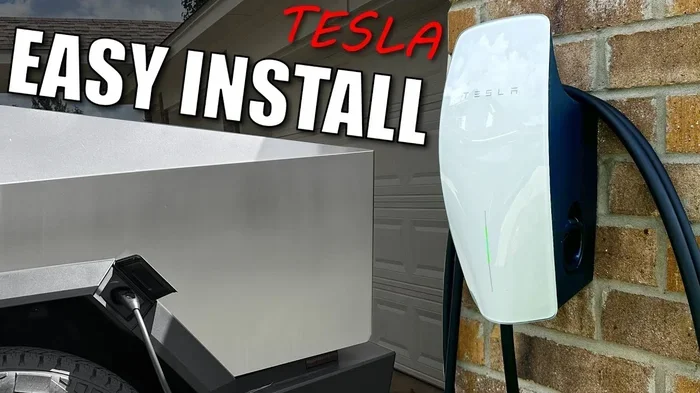
The Tesla Wall Connector is a hardwired EVSE, which stands for Electric Vehicle Supply Equipment. This means it is directly wired into your home’s electrical system rather than plugged into an outlet. Because it is hardwired, the Wall Connector does not have a plug and outlet connection that could become loose or damaged over time.
Tesla Wall Connectors include built-in safety features such as:
- Overcurrent protection through a dedicated circuit breaker
- Temperature monitoring to prevent overheating
- Ground fault detection built into the charger’s internal electronics
- Surge protection to guard against power spikes
- Communication protocols that ensure safe power delivery to your vehicle
Because of these built-in protections, Tesla does not require GFCI protection for its hardwired Wall Connector installations. The charger itself handles ground fault detection internally.
Tesla Mobile Connector Safety Features
The Tesla mobile connector is a portable charging cable that can plug into different types of outlets. It is more flexible than the Wall Connector but also has different safety considerations. When you plug a mobile connector into a NEMA 14-50 outlet or a standard 120-volt outlet, the outlet and its circuit must meet electrical safety standards.
For plug-in setups, the GFCI requirements depend on the type of outlet and where it is installed. A NEMA 14-50 outlet in a garage or outdoor area may need GFCI protection depending on your local code. Tesla recommends always following the National Electrical Code and your local regulations when setting up a mobile connector.
Now let us get to the heart of the question. Do Tesla chargers actually need GFCI protection?
Do Tesla Chargers Need GFCI Protection?
The Short Answer
The short answer is: it depends on your installation type. If you have a Tesla Wall Connector that is hardwired directly into your electrical panel, you do not need a separate GFCI device. The charger itself provides adequate ground fault protection. However, if you are using a mobile connector with a plug-in outlet, GFCI protection may be required by local electrical codes.
This distinction is important because many homeowners assume all EV chargers need GFCI protection. That is not the case for hardwired installations. But it is also dangerous to assume you do not need any protection at all. Always verify with your local building codes and a licensed electrician.
When GFCI Is Required by Code
The National Electrical Code, or NEC, sets the standards for electrical installations in the United States. According to the NEC, GFCI protection is required for outlets in specific locations, including garages, outdoor areas, and kitchens. However, the NEC also has specific provisions for EVSE installations.
For hardwired EVSE devices like the Tesla Wall Connector, the NEC does not always require a separate GFCI device. The charger’s internal ground fault detection serves the same purpose. But for plug-in EVSE devices, the rules can be different. Some local codes require GFCI protection for any outlet used for EV charging.
Here are some key points to keep in mind about code requirements:
- Local codes may be stricter than the NEC, so always check with your municipality
- Older homes may have different code requirements than newer construction
- Outdoor charging setups almost always need GFCI protection
- Garage installations may require GFCI depending on your local jurisdiction
- Permits and inspections may be required for EV charger installations
Tesla’s Official Stance on GFCI
Tesla’s installation manual for the Wall Connector states that the device does not require GFCI protection when installed as a hardwired connection. Tesla designs its Wall Connector with internal ground fault and overcurrent protection that meets safety standards for EV charging.
However, Tesla also emphasizes the importance of following local electrical codes. If your local jurisdiction requires GFCI protection for any reason, you should comply with those requirements even if Tesla’s own guidelines do not mandate it. Tesla recommends using a licensed electrician for all installations to ensure everything is done correctly.
For mobile connector users, Tesla advises checking the requirements for the specific outlet type you are using and ensuring your circuit meets all applicable safety standards.
Tesla Wall Connector Installation Requirements
Installing a Tesla Wall Connector is not a DIY project for most homeowners. The electrical requirements are specific, and improper installation can create serious safety hazards. Let us walk through what a proper installation looks like.
Hardwired vs. Plug-in Installation
There are two main ways to install a Tesla Wall Connector: hardwired and plug-in. The hardwired option connects directly to your electrical panel with permanent wiring. The plug-in option uses a NEMA 14-50 outlet, which is the same type of outlet used for large electric stoves and dryers.
The hardwired installation is the recommended method for several reasons:
- It provides a more stable and reliable connection
- It does not require GFCI protection under most codes
- It allows for higher amperage charging (up to 48 amps with the right setup)
- It reduces wear and tear on connectors and outlets
The plug-in installation is more flexible and easier to set up, but it comes with more safety considerations. The NEMA 14-50 outlet must be properly rated for the amperage, and the circuit should be dedicated to the charger only.
Electrical Panel Considerations
Before installing a Tesla Wall Connector, you need to check your electrical panel. Most homes need a dedicated 50-amp or 60-amp circuit for a Wall Connector. Older homes may have panels that cannot support this load, requiring an upgrade.
Here is what you should consider about your electrical panel:
- Available amperage: Do you have enough capacity for the charger?
- Breaker type: A dedicated double-pole breaker is required
- Wire gauge: Proper wiring (typically 6 AWG for 50 amps) is essential
- Panel location: Is the panel accessible and properly rated for outdoor or garage use?
- Grounding: Your panel must have a proper grounding electrode system
A qualified electrician can assess your panel and recommend any upgrades needed before installation. This step is critical for both safety and long-term reliability of your Tesla charging setup.
Common Mistakes When Setting Up Tesla Charging
Even with the best intentions, people make mistakes when setting up their Tesla charging equipment. Some of these mistakes can create serious safety risks. Let us look at the most common errors and how to avoid them.
Skipping GFCI Where It Is Needed
This is one of the biggest mistakes homeowners make. If you are using a plug-in setup with a mobile connector, you might skip GFCI protection because you read that hardwired Wall Connectors do not need it. But plug-in setups are a different story. Skipping GFCI protection where it is required by code puts you and your family at risk of electrical shock.
Always determine whether your local code requires GFCI for the specific outlet or circuit you are using. When in doubt, install it. A GFCI device costs very little compared to the safety it provides.
Using the Wrong Circuit Breaker
Some people try to save money by using a standard breaker instead of a dedicated one for their Tesla charger. This is a dangerous mistake. A Tesla Wall Connector needs its own dedicated circuit to operate safely. Sharing a circuit with other appliances can cause overheating, tripped breakers, or even electrical fires.
Make sure your installation uses a properly sized, dedicated circuit breaker. For most Tesla Wall Connector setups, this means a 50-amp or 60-amp double-pole breaker. Your electrician will know exactly what is needed for your specific configuration.
Ignoring Local Code Requirements
Electrical codes exist for a reason. They are based on years of research and real-world safety data. Ignoring local code requirements can lead to failed inspections, insurance problems, and most importantly, safety hazards.
Before you install any Tesla charging equipment, contact your local building department. Find out what permits and inspections are required. This small step can save you from costly mistakes and ensure your installation is safe and legal.
Improper Grounding
Proper grounding is essential for any electrical installation, but it is especially important for EV chargers. A poor grounding connection can render your GFCI protection ineffective and increase the risk of electrical shock. Make sure your electrician verifies the grounding system is working correctly before energizing the circuit.
Expert Tips for Safe Tesla Charging at Home
Setting up your Tesla charger safely is about more than just following the manual. There are practical steps you can take to ensure your charging setup remains safe and reliable for years to come. Here are some expert tips that make a real difference.
Regular Maintenance Checks
Just like any other electrical device in your home, your Tesla charger benefits from regular inspections. Check the Wall Connector and its wiring for any signs of damage, wear, or corrosion. Look for frayed cables, loose connections, or discoloration around the outlet or wiring.
It is also a good idea to test your GFCI outlets regularly if you have them. Press the test button on the GFCI to make sure it trips correctly. If it does not, replace it immediately. A GFCI that does not work is no better than having no GFCI at all.
Upgrading Your Electrical Setup
If your home is older, consider upgrading your electrical panel and wiring to support modern EV charging demands. Many older homes were not designed to handle the continuous high-amperage draw that an EV charger requires. An upgrade can improve safety, increase charging speed, and prepare your home for future electric vehicles.
Some upgrades to consider include:
- Upgrading to a 200-amp or higher electrical panel
- Installing a dedicated 60-amp circuit for the Wall Connector
- Adding whole-home surge protection
- Upgrading to tamper-resistant outlets in the garage
- Ensuring proper grounding throughout the home
Weatherproofing Outdoor Setups
If your charging station is installed outdoors, make sure it is properly weatherproofed. Tesla Wall Connectors are designed to withstand rain and moisture, but the surrounding electrical connections should also be protected. Use weatherproof conduit and covers for any exposed wiring. Keep the charging area clear of standing water, especially during storms.
Using the Right Accessories
When setting up your Tesla charger, use high-quality accessories that are rated for the electrical load. This includes the correct gauge of wire, proper junction boxes, and UL-listed connectors. Cheap or incompatible accessories can create fire hazards and void your warranty.
For mobile connector users, make sure your NEMA 14-50 outlet is properly installed and rated for continuous high-amperage use. Not all outlets are created equal, and using the wrong one can lead to overheating and potential fire risks.
Installing a Tesla charger at home is a great investment in convenience and safety. But safety only works when every detail is handled correctly. From GFCI requirements to proper grounding, each element plays a role in protecting your home and your family.
Remember that electrical work is not something to take lightly. Even small mistakes can have serious consequences. When you are unsure about any part of the installation process, consult a licensed electrician. They have the training, experience, and knowledge to ensure your Tesla charger is installed safely and in compliance with all applicable codes.
The bottom line is that Tesla chargers are designed with safety as a top priority. Hardwired Wall Connectors do not require additional GFCI protection in most cases, but plug-in setups may need it. Always verify your local electrical codes, use the right equipment, and when in doubt, hire a professional. Your safety and the safety of your home are worth it.
Take the time to understand your charging setup. Ask questions. Do your research. And never cut corners when it comes to electrical safety. A properly installed Tesla charger gives you peace of mind every time you plug in your vehicle. It keeps your home safe and your EV ready to go whenever you need it.
Frequently Asked Questions
Can I install a Tesla Wall Connector myself?
Tesla allows self-installation of the Wall Connector, but it is strongly recommended to hire a licensed electrician. Electrical work can be dangerous, and improper installation can void warranties or violate local codes. A professional ensures your setup is safe, code-compliant, and properly grounded.
Does the Tesla mobile connector need GFCI protection?
If you are using a Tesla mobile connector with a plug-in outlet, GFCI protection may be required depending on your local electrical code. The mobile connector itself does not have built-in GFCI protection, so the circuit or outlet it is plugged into must provide it if required by your jurisdiction.
What is the difference between a GFCI outlet and a GFCI breaker?
A GFCI outlet is a single receptacle that provides ground fault protection for that outlet and any outlets downstream on the same circuit. A GFCI breaker protects the entire circuit at the electrical panel. Both serve the same safety purpose but are used in different installation scenarios.
Do Tesla Superchargers use GFCI protection?
Tesla Superchargers are commercial-grade charging stations with their own built-in safety systems. They do not rely on standard GFCI outlets like home setups. Tesla Superchargers have advanced internal safety protocols that handle ground fault detection and protection at a much higher level.
What happens if a GFCI trips during charging?
If a GFCI trips while your Tesla is charging, it means there was a detected ground fault or leakage of current. This could be caused by moisture, a damaged cable, or a wiring issue. Stop charging, inspect the equipment, and have a qualified electrician check the setup before resuming.
How often should I test my GFCI protection devices?
You should test your GFCI outlets and breakers at least once a month. Simply press the test button on the device to ensure it trips correctly, then press reset. If the GFCI does not trip or reset properly, replace it immediately and have your electrical system inspected.
=== CONCLUSION ===
Do Tesla Chargers Need GFCI Protection? The answer is not a simple yes or no. It depends on whether your charger is hardwired or plug-in, and what your local electrical codes require. Tesla Wall Connectors that are hardwired do not need separate GFCI protection because the charger handles ground fault detection internally. However, plug-in setups and mobile connectors may require GFCI protection based on your jurisdiction’s electrical code.
Safety should always come first when dealing with electricity. Whether you are installing a Tesla Wall Connector or using a mobile connector, take the time to understand the requirements. Check your local codes, hire a licensed electrician, and never skip safety features like proper grounding and GFCI protection where needed.
Your Tesla charger is designed to keep you moving safely. By following the right installation practices and staying informed, you can enjoy worry-free charging at home for years to come. Take action today to make sure your setup is safe, compliant, and ready for the road ahead.