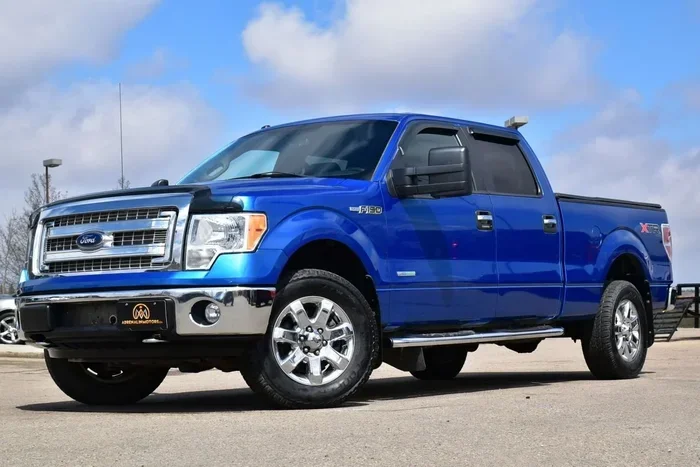
Are There Any Recalls on the 2013 Ford F150 Important Facts
If you own a 2013 Ford F150, you need to know about recalls. Are there any recalls on 2013 Ford F150? Yes, multiple safety campaigns have targeted this truck, including issues with airbags, brakes, and wiring. This guide provides the full Ford F150 recall list, explains how to check your VIN, and tells you exactly what to do if your vehicle is affected. Staying informed keeps you and your family safe.
Owning a 2013 Ford F150 means you have a reliable and powerful truck. But like any vehicle, it can have issues. One question many owners ask is, Are there any recalls on 2013 Ford F150? The answer is yes. Several safety campaigns have been issued for this model year. Understanding these recalls is crucial for your safety and the truck’s longevity.
A recall happens when a manufacturer or the National Highway Traffic Safety Administration (NHTSA) finds a defect. This defect could affect safety, performance, or emissions. For the 2013 Ford F150, recalls have covered everything from airbags to wiring. In this article, we break down every Ford F150 recall you should know about. We also show you how to check if your truck is affected and what steps to take next.
Staying informed helps you avoid costly repairs and potential accidents. Whether you are a first-time F150 owner or a longtime fan, this guide gives you the facts. You will learn about the most common 2013 Ford F150 problems, how to use the Ford recall lookup tool, and why acting quickly matters. Let us dive into the details.
Key Takeaways
- Multiple recalls exist: The 2013 Ford F150 has had several safety campaigns covering airbags, brakes, and electrical systems.
- Check your VIN: Use the NHTSA website or Ford’s recall lookup tool to see if your specific truck is affected.
- Free repairs: All recall repairs are performed at authorized dealerships at no cost to the owner.
- Common issues: Owners have reported problems with the passenger airbag, rear axle seal, and power steering.
- Act quickly: Delaying a recall fix can put you at risk, especially for safety-critical defects like airbag malfunctions.
- Keep records: Save all recall repair invoices for your service history and future resale value.
📑 Table of Contents
Are There Any Recalls on 2013 Ford F150? Understanding the Basics
What Does a Recall Mean for Your Truck?
A recall notice is an official warning from Ford or NHTSA. It means a part or system does not meet safety standards. The manufacturer will then fix the issue for free. For the 2013 Ford F150, recalls have ranged from minor software updates to serious safety risks. You should never ignore a recall. Even a small defect can lead to big trouble on the road.
Ford issues recalls through campaigns. Each campaign has a number and a description. You can search these campaigns using your Vehicle Identification Number (VIN). The VIN is a unique code for your truck. It tells you exactly which recall campaigns apply to your specific vehicle. Always check your VIN before buying a used 2013 F150 as well.
How Recalls Are Different from Service Campaigns
A recall is mandatory and free. A service campaign or technical service bulletin is voluntary and may have a cost. For the 2013 F150, Ford issued both. The 2013 Ford F150 recall list includes only the mandatory fixes. Always verify if a notice is a true recall. You can do this by checking the NHTSA database. A true recall will always show as zero cost to the owner.
Some owners confuse a recall with a warranty claim. A warranty covers wear and tear. A recall covers a manufacturing defect. Knowing the difference saves you time and money. If a dealer tries to charge you for a recall repair, politely refer them to the NHTSA recall lookup.
Why the 2013 Model Year Matters
The 2013 model year was a big one for the F150. Ford introduced the sixth generation with a new aluminum body. This made the truck lighter and more fuel efficient. However, new designs sometimes bring new defects. The 2013 F150 faced several safety recall campaigns early on. These included issues with the passenger airbag and rear axle seals. Knowing this history helps you stay proactive.
Some owners worry about rollover risk because the F150 is a full-size pickup. While the 2013 model is generally stable, certain recalls addressed suspension and tire pressure monitoring systems. These are important for keeping the truck level and safe during sharp turns or sudden maneuvers. The aluminum body also required attention to corrosion and electrical connections. Regular inspections help catch these issues early.
The Most Common Recalls and Safety Issues
Airbag and Restraint System Recalls
The passenger airbag was a major concern for the 2013 Ford F150. In some trucks, the airbag inflator could rupture. This posed a serious injury risk. Ford issued a safety recall notice to replace the airbag module. The recall affected many 2013 F150s built during specific production months. If your truck has a passenger airbag warning light, get it checked immediately.
Another restraint issue involved the seat belt pretensioners. These tighten the belt during a crash. A faulty pretensioner might not deploy correctly. Ford addressed this through a recall campaign that included a free inspection and replacement part. Always confirm your seat belt system is up to date. This is one of the most critical airbag recall items for the 2013 model.
Brake and Transmission Concerns
Brake issues are never something to ignore. The 2013 F150 had a recall related to the rear brake caliper. Corrosion could cause the caliper to seize. This would reduce braking power, especially in wet conditions. The brake recall required dealers to replace the caliper and clean the braking system. This was a critical fix for safety.
Transmission problems also appeared in some 2013 models. Owners reported harsh shifting or delayed engagement. Ford investigated the transmission recall and found a software issue in the control module. A dealer update fixed the problem. If your F150 shifts roughly, check for any transmission recall notices. A simple update can save you from expensive repairs later.
Electrical and Wiring Harness Issues
The wiring harness is the nervous system of your truck. In the 2013 F150, a wiring harness recall was issued. The harness could chafe against a bracket, causing a short circuit. This could lead to a fire risk. Ford required dealers to inspect and reroute the harness if needed. This recall highlights why regular inspections are so important.
Other electrical issues included the power window switches and the ignition switch. Some switches could overheat. Ford issued a recall notice for the ignition switch in certain batches. Replacing the switch was straightforward and free. Always keep an eye on any flickering lights or switch malfunctions. A small electrical problem can grow into a major safety issue.
Engine and Fuel System Recalls
The engine recall for the 2013 F150 was less common but still notable. A few engines had a faulty fuel pump module. A failing fuel pump can cause stalling or difficulty starting. Ford replaced the pump under the recall campaign. If your truck stalls unexpectedly, check your recall status.
Fuel tank concerns also arose. The fuel tank recall addressed a potential leak in the evaporative emissions system. A leak could allow fuel vapors to escape, which is bad for the environment and a fire hazard. Dealers inspected and replaced the necessary seals. This was a simple fix that protected both you and the planet.
How to Check if Your F150 Is Affected
Using the NHTSA Recall Lookup Tool
The easiest way to check for recalls is through the NHTSA website. Go to the NHTSA recall lookup page. Enter your 17-digit VIN. The tool will instantly show any open recalls for your specific truck. This is the official source for Ford recall lookup. It is free and updated regularly. You can also call your local Ford dealership with your VIN and ask them to run a check.
Make sure you have the VIN ready before you start. You can find it on the driver’s side dashboard, on the door jamb sticker, or on your registration card. If you buy a used 2013 F150, always ask the seller for the VIN and run a recall check yourself. Do not rely solely on the seller’s word. A quick VIN check can save you from inheriting a serious defect.
What to Do If You Find an Open Recall
Finding an open recall is not a reason to panic. It is a reason to act. Contact your nearest Ford dealership and schedule a service appointment. Mention the recall number when you book. The dealership will fix the issue at no cost to you. They have the official parts and trained technicians. This is one of the best benefits of owning a Ford vehicle.
Keep a record of the repair. Ask for a copy of the recall repair invoice. This document proves the fix was completed. It is useful for future sales and service history. If you sell the truck, a full recall history can increase its value. Buyers feel safer knowing all issues have been addressed. Always ask for proof of recall completion when buying a used truck.
Owner Experiences and Reported Problems
Common Complaints from 2013 F150 Owners
Beyond official recalls, owners have shared their experiences online. Many 2013 Ford F150 problems involve the power steering system. Some drivers reported a loss of assist, making the steering feel heavy. This is not always covered by a recall but is a known issue. Ford offered extended warranty coverage for some power steering complaints in certain regions. This is often called a power steering recall by owners, even if it was a warranty extension.
The rear axle seal is another frequent complaint. A leaking seal can cause oil to escape, leading to axle damage. While not always a formal recall, Ford extended the warranty on rear axles for many 2013 F150s. Owners should check if their truck falls under this extended coverage. A simple VIN check at the dealership can reveal this. Keeping your maintenance records handy makes this process smooth.
Tire pressure monitoring systems also caused headaches for some owners. The sensor batteries often died after a few years. A low tire pressure light would come on even when tires were fine. Ford addressed this in some batches with a sensor replacement program. If your TPMS light flickers, get it inspected. A working tire pressure monitor is essential for safety and fuel economy.
Comparing Recall Severity: A Quick Table
Not all recalls are equal. Some are minor software updates, while others are serious safety risks. Here is a comparison of common 2013 Ford F150 recall types:
| Recall Type | Severity | Typical Fix | Risk if Ignored |
|---|---|---|---|
| Airbag Inflator | High | Replace inflator module | Injury or death in crash |
| Rear Brake Caliper | High | Replace caliper, clean system | Reduced braking, possible accident |
| Wiring Harness | Medium | Reroute or replace harness | Fire risk from short circuit |
| Transmission Software | Medium | Dealer software update | Harsh shifting, drivability issues |
| Ignition Switch | Medium | Replace switch | Engine stall, electrical failure |
| Fuel Pump | Low to Medium | Replace fuel pump module | Stalling, hard starting |
| TPMS Sensor | Low | Replace sensor battery or unit | False warning, reduced tire life |
This table helps you prioritize. High severity recalls should be fixed immediately. Medium and low recalls should be addressed at your next service visit. Never let a recall sit for too long, even if the risk seems low. A Ford F150 recall list is your best tool for staying on top of these fixes.
What to Do When a Recall Affects Your Truck
Step-by-Step Action Plan
When you learn about a recall, follow these steps:
- Note the recall number and description. Write it down or take a photo of the notice.
- Call your Ford dealership. Ask if they have the parts and can schedule the repair.
- Schedule the appointment. Try to get it done within the timeframe mentioned in the recall notice.
- Bring your VIN and registration. The dealership will verify your truck and complete the fix.
- Get the repair invoice. Keep this for your records and future reference.
Following this plan ensures you handle the recall smoothly. You will not pay a dime for the repair. The dealership is required by law to fix the issue for free. If they try to charge you, politely insist on the recall repair and mention NHTSA guidelines. You have every right to a free fix.
Common Mistakes to Avoid
Many owners make mistakes when dealing with recalls. Here are some to watch out for:
- Ignoring the notice: Even a small defect can become dangerous. Do not put off a recall fix.
- Assuming it is already fixed: Previous owners might not have completed the recall. Always verify with your VIN.
- Going to a non-Ford shop: Recall repairs must be done at an authorized dealership for them to count. Independent shops cannot order the official recall parts.
- Losing the paperwork: Keep every recall invoice. It proves the repair and protects your warranty.
- Forgetting to recheck: New recalls can be issued years later. Check your VIN every few months on the NHTSA site.
Avoiding these mistakes keeps you safe and your truck in top shape. A little diligence goes a long way. Think of a recall as a free health check for your vehicle.
Staying Safe and Preventing Future Issues
Quick Tips for Everyday Maintenance
Prevention is the best medicine. Regular maintenance can catch small issues before they become recalls. Here are some quick tips:
- Check your tire pressure monthly: A properly inflated F150 handles better and gets better fuel economy.
- Inspect brakes every 6 months: Look for wear on pads and listen for grinding sounds.
- Keep up with oil changes: Fresh oil protects the engine and transmission.
- Test all lights and switches: A quick check of headlights, brake lights, and power windows can reveal early problems.
- Scan for recall notices: Set a reminder to check the NHTSA site every three months.
These habits build a strong maintenance routine. They also help you spot Ford F150 problems early. Many owners find that staying on top of small issues prevents big recalls later. A well-maintained truck is a safe truck.
Expert Insights on 2013 F150 Reliability
Expert Insight: “The 2013 Ford F150 is a solid truck, but it had its share of growing pains,” says automotive engineer Mark Torres. “The aluminum body was a game changer, but it required careful attention to corrosion and electrical connections. Owners who stayed on top of recall notices and regular inspections rarely had major issues. The key is to be proactive, not reactive.”
Torres also emphasizes the importance of the power steering system. “The 2013 F150 had a known issue with the electric power steering assist. Some owners experienced intermittent loss of assist. While not always a formal recall, Ford extended warranty coverage for many of these cases. If you feel any hesitation in the steering, get it checked immediately.”
Another expert, safety analyst Linda Chen, adds, “The airbag and brake recalls on the 2013 F150 were serious. Drivers should never assume their truck is safe just because it looks fine on the outside. A recall is a fix for an invisible problem that could save your life in a crash. Always verify your recall status.”
Key Takeaways
- Always verify your VIN: This is the single most important step in the recall process.
- Fix high-severity recalls first: Airbag and brake issues should never be delayed.
- Use the NHTSA lookup tool: It is the official and free source for all recall information.
- Keep every repair invoice: Proof of completion protects you and your truck’s value.
- Stay updated: New recalls can be issued years after purchase. Make checking a habit.
Conclusion
The question Are there any recalls on 2013 Ford F150 has a clear answer: yes, there are several. From airbag inflaters to wiring harnesses, the 2013 F150 has been through its share of safety recall campaigns. But knowledge is power. By understanding these recalls, you can protect yourself and your investment. Always check your VIN, stay informed, and fix issues promptly.
Remember, every recall repair is free and performed by trained professionals. Do not ignore a recall notice. It is there to keep you safe. The 2013 Ford F150 remains a beloved and capable truck. With a little attention to recalls and maintenance, it will serve you well for years to come. Stay safe, stay informed, and enjoy the ride.
Frequently Asked Questions
How do I find the VIN on my 2013 Ford F150?
You can find the VIN on the driver’s side dashboard near the windshield. It is also printed on the door jamb sticker and on your vehicle registration card. The VIN is a 17-character code made of letters and numbers. Use this code when checking the NHTSA recall lookup tool.
Are recall repairs really free for a 2013 Ford F150?
Yes, all recall repairs are completely free. Federal law requires manufacturers to fix recall defects at no cost to the owner. This includes parts and labor. If a dealership tries to charge you, politely remind them that the repair is covered by the recall. You can also contact NHTSA if you encounter resistance.
Can I drive my 2013 F150 if it has an open recall?
In most cases, you can still drive the truck. However, for safety-critical recalls like airbag or brake issues, it is best to avoid driving until the repair is done. Check the recall description carefully. If the notice says the vehicle should not be driven, arrange for a tow to the dealership. Always follow the instructions in the recall letter.
What if I bought a used 2013 F150 and the previous owner did not fix a recall?
The new owner is responsible for completing the recall. Contact the dealership with the VIN and they will schedule the repair at no cost. You can also check the NHTSA website to see if any recalls remain open. It is a good idea to do this before purchasing any used truck.
How often should I check for new recalls on my F150?
You should check at least every three months. New recalls can be issued at any time. Setting a reminder on your phone or calendar makes this easy. You can also sign up for NHTSA recall alerts. Staying proactive keeps your truck safe and maintains its value.
Where can I find the official 2013 Ford F150 recall list?
The official list is available on the NHTSA website. You can also visit the Ford recall lookup page on Ford.com. Enter your VIN to get a personalized list of all open and completed recalls for your specific vehicle. These are the most reliable sources for accurate recall information.