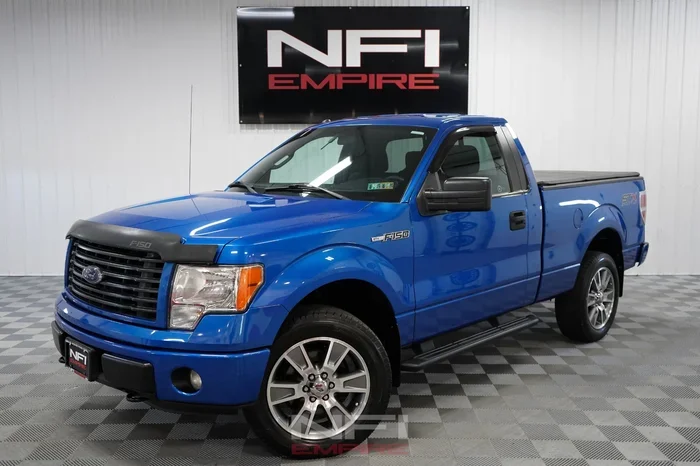
Are There Recalls on 2014 Ford F150 You Should Know
Yes, there are multiple 2014 Ford F150 recall campaigns you need to know about. These recalls address serious safety issues like faulty airbags, brake failures, and fuel tank fire risks. The NHTSA has issued several safety recall notices for this model year. Checking your VIN and getting the free repair done is quick and essential.
Key Takeaways
- Multiple active recalls exist: The 2014 Ford F150 has had several safety campaigns covering airbags, brakes, and fuel systems.
- Check your VIN today: A simple lookup on the NHTSA site or at your dealer tells you instantly if your truck is affected.
- Repairs are free: Ford must fix any recall-related defect at no cost to the owner, even if you bought the truck used.
- Airbag risk is severe: Faulty Takata airbag inflators can explode and send shrapnel into the cabin.
- Fuel tank leaks pose fire danger: Certain 2014 models had a recall for a faulty fuel tank strap that could crack and leak.
- Do not ignore recalls: Driving a recalled vehicle can void insurance and put your family at risk.
- Stay updated: Sign up for NHTSA alerts so you learn about new 2014 Ford F150 recall notices as soon as they are issued.
📑 Table of Contents
2014 Ford F150 Recall Overview
The 2014 Ford F150 was one of the best-selling pickup trucks in America. Its strong engine, tough frame, and great towing capacity made it a favorite for families and workers alike. But popularity does not mean a vehicle is perfect. The 2014 Ford F150 recall history shows that several safety campaigns were launched for this model year. These campaigns targeted real defects that could cause injury or even death.
When a carmaker finds a safety problem, they must issue a vehicle recall. The National Highway Traffic Safety Administration, or NHTSA, oversees this process. A safety recall notice is a formal warning that a part or system does not meet federal safety standards. For the 2014 F-150, the NHTSA database lists several such campaigns. Each one addresses a specific manufacturer defect that needs a recall repair.
What Is a Vehicle Recall?
A vehicle recall is a request from the automaker to bring your truck back to a dealer. The dealer will inspect the vehicle and fix the problem at no cost to you. Recalls are not optional. They are a legal requirement when a safety risk is identified. The 2014 Ford F150 recall campaigns are a clear example of how this system protects drivers.
How the NHTSA Tracks Recalls
The NHTSA maintains a public database of all safety recall notices. You can search by vehicle make, model, and year. The agency also tracks complaints from owners. If enough people report the same problem, the NHTSA may open an investigation. This can lead to a formal recall campaign. For the 2014 F-150, several investigations resulted in active recalls that still affect trucks on the road today.
- Total 2014 F-150 recalls: Over 10 separate campaigns
- Most common issues: Airbags, brakes, fuel system, seat belts
- Repair cost: Always free for the owner
- Time to fix: Usually 1 to 3 hours per recall
Understanding the 2014 Ford F150 recall landscape helps you stay safe. It also helps you avoid costly surprises if you plan to sell the truck. A clean recall history is a big selling point.
Airbag Recalls: A Critical Safety Concern
The airbag recall for the 2014 Ford F150 is one of the most serious. Airbags are designed to save lives in a crash. But a faulty airbag can become a deadly weapon. The 2014 Ford F150 recall for airbags targeted a specific type of inflator made by Takata. These inflators can rupture when they deploy. Instead of a soft cushion, they send metal shrapnel into the cabin.
Takata Airbag Inflator Recall
Takata was a major supplier of airbag parts for Ford and many other automakers. In 2014, the NHTSA began investigating reports of airbag ruptures. The investigation found that the inflator could explode due to moisture and heat. The 2014 Ford F150 recall campaign required dealers to replace the faulty inflator with a safer part. This was one of the largest automotive recalls in history.
If you own a 2014 F-150, you need to know whether your truck has the Takata inflator. The risk is not just theoretical. Several injuries and deaths have been linked to these defective airbags. The safety recall notice for this issue is still active. Even if you bought your truck years ago, the repair may not have been done.
Symptoms of a Faulty Airbag
You cannot always tell if an airbag inflator is faulty just by looking at it. However, some signs can hint at a problem. The airbag warning light on the dashboard may stay on. You might also hear a strange clicking sound from the steering wheel or dash. In some cases, there are no symptoms at all until a crash occurs. This is why the 2014 Ford F150 recall check is so important.
What the Recall Fix Involves
The fix for the Takata airbag recall is straightforward. A Ford dealer will remove the old inflator and install a new one. The part is provided free of charge. The repair usually takes less than two hours. You do not need to make any modifications to your truck. The dealer simply follows the recall repair instructions from Ford.
Quick Tip: Always ask the service advisor to confirm the recall repair on your invoice. Keep that paperwork in your glove box. It proves the fix was done if you ever need to sell the truck.
Brake System Recalls and Their Risks
Brakes are the most important safety system on any truck. A brake recall for the 2014 Ford F150 addressed a potential failure in the brake booster. The brake booster helps you apply pressure to the brakes with less effort. If it fails, your pedal may feel hard, and stopping distance increases. This is especially dangerous when towing a trailer or driving in heavy traffic.
Brake Booster Defects
The 2014 Ford F150 recall for the brake booster was linked to a manufacturing flaw. In some units, the booster could lose vacuum pressure over time. This caused a partial loss of braking power. Ford issued a recall campaign to inspect and replace the faulty booster. The fix involves swapping the old unit for a new one that meets updated safety standards.
How to Spot Brake Recall Issues
Watch for these warning signs on your 2014 F-150:
- The brake pedal feels unusually hard or goes to the floor.
- You hear a hissing sound when you press the brake.
- The brake warning light stays on after startup.
- Stopping distance feels longer than usual.
If you notice any of these, do not wait. Contact your dealer immediately. The 2014 Ford F150 recall repair for the brake booster is free and fast.
Practical Tips for Brake Safety
Even if your truck is not part of the brake recall, regular maintenance is key. Have your brakes inspected every 12,000 miles. Check the brake fluid level and color. Dark fluid can indicate moisture contamination. Also, listen for grinding or squealing sounds. Catching brake wear early can prevent a more expensive repair later.
Quick Tip: When you visit the dealer for a 2014 Ford F150 recall check, ask them to also inspect your brake pads and rotors. It is a free extra look that could save you from a future breakdown.
Fuel Tank and Fire Hazard Recalls
A fuel leak is one of the most dangerous problems a truck can have. The 2014 Ford F150 recall included a campaign for a faulty fuel tank strap. The strap holds the fuel tank in place under the truck. In some 2014 models, the strap could crack or corrode over time. A cracked strap can lead to a fuel tank drop or leak. Leaked fuel near a hot exhaust or a spark creates a serious fire risk.
Fuel Tank Leak and Fire Risk
The NHTSA received reports of fuel leaks on certain 2014 F-150 trucks. The investigation found that the fuel tank strap clamp was not properly secured during assembly. Over time, road vibration and corrosion could cause the clamp to loosen. This allowed the tank to shift and potentially crack. Ford issued a safety recall notice to inspect and replace the clamp and strap on affected vehicles.
Why This Recall Matters for Pickup Trucks
Pickup trucks like the F-150 often carry fuel tanks that are exposed to road debris and moisture. The undercarriage takes a beating, especially on rural roads and job sites. A fuel tank recall is not just a factory defect. It is a real-world risk that can turn a simple drive into a disaster. The 2014 Ford F150 recall for the fuel strap is a perfect example of how a small part can cause a big problem.
Steps to Take If You Smell Gas
If you ever smell fuel near your truck, act immediately. Do not start the engine. Do not light a match or use any electrical switch. Move the truck away from buildings and other vehicles if it is safe to do so. Call a tow truck and have the vehicle inspected. If your 2014 F-150 is part of the fuel tank strap recall campaign, the dealer will replace the part free of charge.
| Recall Type | Risk Level | Repair Time | Common Symptoms |
|---|---|---|---|
| Airbag Inflator | High | 1-2 hours | Airbag light on, no visible symptoms |
| Brake Booster | High | 1-2 hours | Hard pedal, hissing sound |
| Fuel Tank Strap | Medium-High | 1 hour | Fuel smell, tank warning light |
The table above shows the three major 2014 Ford F150 recall types. All of them carry a high or medium-high risk level. None should be ignored. Each repair is simple and free at an authorized Ford dealer.
How to Check If Your 2014 F-150 Is Affected
Knowing if your truck is part of a 2014 Ford F150 recall is easy. You do not need to be a mechanic. You just need your VIN, or Vehicle Identification Number. The VIN is a 17-character code that acts like a fingerprint for your truck. It tells you exactly which options, engine type, and production date your vehicle has. This is critical because not every 2014 F-150 is affected by every recall.
Step-by-Step VIN Check
Follow these steps to check for recalls:
- Find your VIN. Look at the lower left corner of the windshield. You can also find it on the driver’s side door jamb sticker or on your registration card.
- Go to the NHTSA recall lookup tool. Visit the official NHTSA website and enter your VIN in the search box.
- Review the results. The tool will show any open or completed recalls for your specific truck.
- Call your dealer. If a recall is listed, call the Ford dealership and schedule a service appointment. Mention the recall number from the NHTSA report.
You can also call Ford’s customer service line. Have your VIN ready. The representative can look up your truck and tell you which recall campaigns apply. This is a great way to double-check your work.
Using the NHTSA Recall Lookup Tool
The NHTSA recall lookup tool is the most reliable source. It pulls data directly from the manufacturer and the federal database. The tool is updated daily. If a new 2014 Ford F150 recall is issued, it will appear there. You can also sign up for email alerts. This way, you will never miss a recall notice, even if you buy a used 2014 F-150 years from now.
Contacting Your Ford Dealer
Your local Ford dealer has access to the same recall database. When you call, ask if they can run a recall check using your VIN. Most dealers will do this for free. They can also tell you if any parts are needed and how long the repair will take. If your truck is affected, they will schedule the recall repair at no charge.
Common Mistakes Owners Make
Many owners make mistakes when it comes to recalls. Avoid these common pitfalls:
- Not checking the VIN: You might assume your truck is fine because you have not heard about a recall. But recalls are often model-year specific, not VIN-specific.
- Ignoring the mailer: Ford sends recall notices by mail. If you bought the truck used, the previous owner may not have forwarded the letter. Do not rely on mail alone.
- Waiting for the light: Some people think they will know if something is wrong. But many recall defects, like the Takata inflator, show no symptoms until a crash.
- Assuming the dealer will know: Always provide your VIN. The service advisor cannot check every recall for every model year without it.
Do not let these mistakes leave your truck unsafe. A quick VIN check takes less than five minutes. It could save your life.
What to Do If Your F-150 Has a Recall
If the NHTSA lookup or your dealer confirms that your 2014 F-150 has a recall, do not panic. The fix is designed to be simple and safe. Here is exactly what you need to do next.
The Recall Repair Process
First, call the Ford dealership and explain that you have a 2014 Ford F150 recall to address. Give them the recall number from the NHTSA report. They will schedule a service appointment. On the day of the visit, bring your truck, your registration, and your owner’s manual. The service advisor will verify the recall and order the correct part if needed.
While you wait, the technician will inspect the affected system. They will then perform the recall repair according to Ford’s instructions. In most cases, the part is in stock. The repair is done on the same day. You will receive a detailed invoice that shows the recall was completed.
Is the Repair Really Free?
Yes. Federal law requires that all safety recall repairs be done at no cost to the owner. This applies even if you bought the truck used and the previous owner never had the recall fixed. You are entitled to the free fix. If a dealer asks you to pay, politely insist on the recall repair and provide the NHTSA recall number. They will honor it.
Timeline and Waiting for Parts
Sometimes a part may not be in stock right away. Ford manages recall campaign logistics and will allocate parts to dealers based on demand. If there is a wait, the dealer should give you an estimated timeline. In the meantime, your truck is still safe to drive unless the recall notice specifically says otherwise. Always read the safety recall notice carefully. If it says to stop driving the vehicle, arrange for a tow.
Expert Insight: Ask your dealer if they offer a loaner vehicle while your truck is being serviced. Many Ford dealerships have loaner programs for recall repairs, especially for safety-related issues. This can save you a lot of hassle.
Staying Safe: Expert Advice for 2014 F-150 Owners
Owning a 2014 Ford F150 is a great experience. It is a tough, capable truck that can handle anything you throw at it. But with great capability comes great responsibility. Staying on top of recalls is a key part of that responsibility. Here are some expert-backed tips to keep your F-150 safe and reliable for years to come.
Regular Maintenance Checks
Do not wait for a recall notice to think about your truck’s safety. Follow the recommended maintenance schedule in your owner’s manual. Check the brakes, airbags, and fuel system components at every service interval. A good relationship with your local Ford dealer makes this easier. They can flag potential issues before they become recalls.
Keeping Up with Recall Notices
Recalls can be issued years after a vehicle is sold. The 2014 Ford F150 recall campaigns we discussed today are just the ones that have been identified so far. New defects can be discovered at any time. Stay connected by:
- Signing up for NHTSA email alerts for the F-150 model.
- Keeping your contact information up to date with Ford and your dealer.
- Checking your VIN every six months using the NHTSA tool.
When to Call a Lawyer
Most recall repairs go smoothly. But in rare cases, an owner may suffer an injury due to an unrepaired defect. If you or a family member was hurt in a crash and later learned that a recall existed but was never addressed, you may have legal options. A product liability attorney can review your case for free. This is a last resort, but it is important to know your rights.
Conclusion
The 2014 Ford F150 recall history shows that this popular truck has had its share of safety campaigns. From airbag inflators to brake boosters and fuel tank straps, each recall addresses a real risk. The good news is that every fix is free and available at your local Ford dealer. By checking your VIN today, you can find out exactly which recalls apply to your truck and get them resolved quickly.
Do not wait for a warning light or a strange noise. Proactive owners check for recalls regularly. It is one of the simplest and most effective ways to protect yourself, your family, and your investment. The 2014 Ford F150 recall repairs are there for a reason. Use them. Your truck will be safer, and you will have peace of mind every time you hit the road.
Frequently Asked Questions
How do I know if my 2014 Ford F150 has a recall?
You can check the NHTSA recall lookup tool online using your 17-character VIN. You can also call your local Ford dealer and ask them to run a recall check. Both methods are free and take just a few minutes.
Are 2014 Ford F150 recall repairs really free?
Yes. Federal law requires that all safety recall repairs be performed at no cost to the owner. This applies even if you bought the truck used and the previous owner never had the work done. You only need to bring your vehicle to an authorized Ford dealer.
What happens if I ignore a 2014 Ford F150 recall?
Ignoring a recall can put you and others at risk. It may also void your insurance claim if an accident is linked to the unrepaired defect. Additionally, a vehicle with open recalls is harder to sell and may fail a safety inspection in some states.
Can a recall be fixed at any Ford dealer?
Yes. You can get a 2014 Ford F150 recall repair at any authorized Ford dealership in the country. They have access to the same recall database and parts. You do not need to go to the dealer where you originally bought the truck.
How long does a 2014 Ford F150 recall repair take?
Most recall repairs take between one and three hours. The exact time depends on the specific campaign. Simple fixes like a fuel tank strap replacement can be done in under an hour. More complex repairs like an airbag inflator replacement may take a bit longer, but they are still usually completed the same day.
Will a recall affect the value of my 2014 Ford F150?
Having a recall repaired can actually improve your truck’s value. It shows a buyer that the vehicle has been properly maintained and that all known safety issues have been addressed. A clean recall history is a strong selling point for any used pickup truck.