Can I Program a Transponder Key Myself Without a Locksmith
Yes, you can program a transponder key yourself in many cases, but it depends on your vehicle model and the tools you have. This guide walks you through the entire process of transponder key programming at home, including what equipment you need, common mistakes to avoid, and when it is smarter to hire a professional. Save money and time by learning the DIY key programming methods that actually work.
This is a comprehensive guide about Can I Program a Transponder Key Myself.
Key Takeaways
- Self-programming is possible: Many newer vehicles allow you to program a transponder key yourself using the OBD-II port or manual steps.
- You need the right tools: A quality key programming tool, your original key, and your vehicle owner manual are essential.
- Not all cars support DIY programming: Some luxury and older models require dealer-level equipment only a locksmith can access.
- Common mistakes waste time and money: Skipping the reset step or using the wrong key blank are the top errors people make.
- Know when to call a pro: If self-programming fails, a mobile locksmith can usually handle it faster and cheaper than a dealer.
- Aftermarket keys work too: You do not always need to buy an expensive OEM replacement key to get the job done.
- Vehicle security matters: Proper programming ensures your car’s immobilizer system works correctly and keeps your vehicle safe.
[FEATURED_IMAGE_PLACEHOLDER]
Can You Actually Program a Transponder Key Yourself?
The short answer is yes. In many situations, you can program a transponder key yourself without visiting a dealer or calling a locksmith. But the full answer depends on your car’s make, model, and year. Some vehicles make it easy. Others make it nearly impossible without specialized equipment.
Transponder keys have a small chip inside the plastic head. This chip sends a unique code to your car’s immobilizer system when you insert the key into the ignition. If the code matches, the engine starts. If it does not match, the engine stays locked. This is a great security feature, but it can be a headache when you lose your only key.
Many car owners do not realize that DIY transponder key programming is an option. Dealerships often charge $100 to $400 or more for this simple service. Learning to do it yourself can save you a lot of money. This guide will show you exactly how it works and what you need to get started.
How Transponder Keys Work
Understanding how your car key fob and transponder work helps you troubleshoot problems. Here is a simple breakdown:
- The key chip: A small microchip inside the key head stores a unique identification number.
- The antenna coil: Wrapped around the ignition lock cylinder, this coil sends out a radio signal.
- The immobilizer module: This is your car’s security computer. It reads the chip’s signal and checks it against stored codes.
- The match: If the codes match, the immobilizer disarms and the engine can start. If not, the engine cranks but will not fire.
This entire process happens in milliseconds. You never see it happen. But when something goes wrong, you will know right away. The engine either refuses to start or starts and then shuts off after a few seconds.
Tools and Equipment You Will Need
Before you start, gather everything you need. Trying to program a key without the right tools leads to frustration and wasted time.
Essential Tools for DIY Key Programming
- Your original working key: Most self-programming methods require at least one key that already works.
- A blank transponder key blank: Make sure it matches your vehicle’s key profile. Key blank types include ID46, ID4C, and EZ Pass.
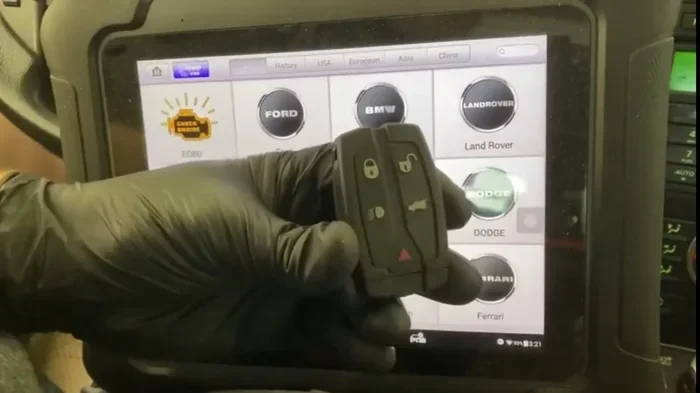
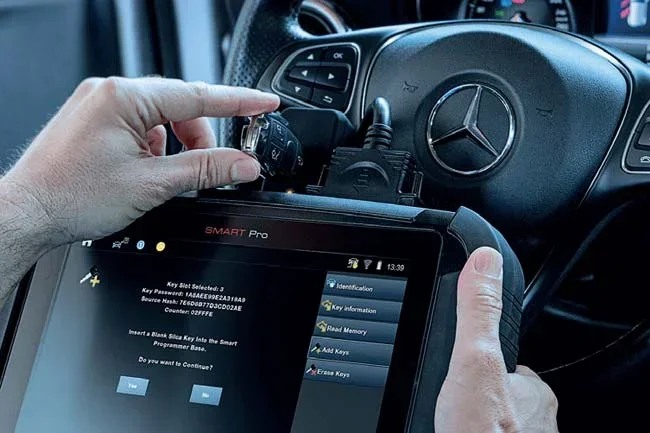
- An OBD-II diagnostic tool: Many key programming tools connect to the OBD-II port under your dashboard. Devices like the Autel MaxiIM IM508 or the Xhorse VVDI Key Tool are popular choices.
- Your vehicle owner manual: This contains specific programming instructions for your exact model.
- A secondary key (optional but helpful): Having two keys makes the process smoother in many cases.
Budget vs. Professional Programming Tools
You do not need to spend hundreds of dollars on a top-tier programming device. Entry-level tools can handle most common vehicles. Here is a quick comparison:
- Budget option ($30-$80): Basic OBD-II adapters that work with smartphone apps. These cover many popular car brands from the last 10 to 15 years.
- Mid-range option ($150-$300): Dedicated key programmers like the Zed-Bull or Shark Key Programmer. These support a wider range of makes and models.
- Professional option ($500+): Advanced tools like the Autel IM608 or Xhorse VVDI2. These handle almost every vehicle on the road today, including smart key and proximity key systems.
If you only need to program a key once, renting a tool or buying a budget option makes the most sense. Frequent key programming needs may justify a higher-end investment.
Step-by-Step Guide to Programming Your Transponder Key
Every vehicle has a slightly different process. However, most transponder key programming methods follow a similar pattern. Below is a general walkthrough that applies to many popular car brands.
Step 1: Prepare Your Vehicle
Start by sitting in the driver’s seat with all doors closed. Insert your working key into the ignition. Make sure the vehicle is in the “Off” position. Have your new blank key ready to go. Some vehicles require you to be within a certain distance of the car during programming, so keep all key fobs nearby.
Step 2: Enter Programming Mode
This step varies by vehicle. Here are the most common methods:
- Key cycling method: Turn the ignition from Off to On and back to Off within a specific number of seconds. Usually, you cycle the key 3 to 5 times and end on the On position.
- Button combination method: Press a specific sequence of buttons on the dashboard or steering wheel. Check your owner manual for the exact steps.
- OBD-II port method: Connect your programming tool to the OBD-II port and follow the on-screen instructions. This method works for many newer vehicles.
Once you enter programming mode, the dashboard lights may flash or stay on for a few seconds. This confirms you are in the correct mode.
Step 3: Add the New Key
Insert your new blank key into the ignition (or hold it near the push-button start area for push-to-start vehicles). Wait for the security light to change. On many cars, the light will turn off or change color. This means the car has recognized the new key.
Within 10 to 30 seconds, remove the key and try starting the engine. If the engine starts and runs normally, the programming was successful. If the engine cranks but does not start, the key was not programmed correctly. Try again or double-check your steps.
Step 4: Test All Keys
After programming one key, test all of your keys. Start the car with each key. Test the remote lock and unlock functions if your key has a fob. This ensures every key works properly and the vehicle security system recognizes all of them.
Quick Tips for Success
- Work in a quiet environment: Electrical interference from other devices can sometimes disrupt the programming process.
- Do not rush: Follow each step carefully and wait for the confirmation signals before moving to the next step.
- Read your owner manual first: It contains model-specific programming instructions that can save you a lot of trial and error.
- Keep both keys handy: Having your original working key nearby prevents you from getting locked out if something goes wrong.
Common Mistakes People Make When Self-Programming Keys
Even with the right tools, mistakes happen. Knowing what to avoid keeps your key replacement process smooth and stress-free.
Skipping the Reset Step
Many people jump straight to adding the new key without properly resetting the system first. This is the most common mistake. Always follow the full sequence: enter programming mode, clear old key entries if needed, then add the new key. Skipping steps leads to the car rejecting the new key.
Using the Wrong Key Blank
Not all transponder keys are the same. A key blank that looks similar may have a different chip type inside. Before purchasing a blank key, confirm the correct part number for your vehicle. Using the wrong blank means the key will not program even if you follow every step perfectly.
Ignoring the Immobilizer Light
The security or immobilizer light on your dashboard tells you a lot. If it stays on solid after inserting the new key, the car did not recognize it. If it blinks rapidly, the programming mode may have timed out. Pay attention to these signals and adjust your approach accordingly.
Trying to Program Without the Original Key
Most self-programming methods require at least one working key. If you have lost all keys, self-programming becomes very difficult or impossible. In this case, you will need a locksmith or dealer to cut and program a new key from scratch.
When You Should Still Call a Locksmith
DIY programming works great for many situations. But there are clear times when calling a professional is the smarter choice.
Vehicles That Require Dealer-Level Equipment
Some car brands use advanced encryption that consumer-level tools cannot handle. Luxury vehicles from brands like BMW, Mercedes-Benz, Audi, and Land Rover often require proprietary equipment. If your owner manual says the key must be programmed at a dealer, listen to that advice.
When You Have Lost All Keys
Losing every single key to your car is a stressful situation. Without a working key, most self-programming methods will not work. A professional locksmith has specialized tools to generate a new key and program it without needing an original. This process is called key cloning or key extraction.
Smart Key and Push-to-Start Systems
Modern vehicles with proximity key or smart key systems add another layer of complexity. These keys communicate wirelessly with the car. Programming them often requires advanced tools that go beyond what a basic OBD-II adapter can do. If your car uses a smart key system, consider calling a locksmith before attempting DIY programming.
Time and Convenience Factors
Sometimes the value of your time matters more than the cost of professional help. If you have been trying to program a key for an hour with no success, it may be worth paying a locksmith. Mobile locksmiths can often come to your location and handle the job in 15 to 30 minutes.
How Much Money Can You Save by Doing It Yourself?
The cost savings from DIY transponder key programming can be significant. Dealerships typically charge between $100 and $400 for key programming services. A locksmith might charge $75 to $200. But if you already own a programming tool, the cost is essentially zero after the initial investment.
Here is a quick cost comparison:
- Dealer programming: $100-$400 plus the cost of the new key.
- Locksmith programming: $75-$200 plus the cost of the new key.
- DIY programming: $15-$50 for a blank key plus the cost of a programming tool (if you do not already own one).
Over time, owning your own key programming tool pays for itself, especially if you manage a fleet of vehicles or have a family with multiple cars. The ability to program keys on your own schedule, at any time of day, adds tremendous convenience.
Key Takeaways
- Self-programming is possible: Many newer vehicles allow you to program a transponder key yourself using the OBD-II port or manual steps.
- You need the right tools: A quality key programming tool, your original key, and your vehicle owner manual are essential.
- Not all cars support DIY programming: Some luxury and older models require dealer-level equipment only a locksmith can access.
- Common mistakes waste time and money: Skipping the reset step or using the wrong key blank are the top errors people make.
- Know when to call a pro: If self-programming fails, a mobile locksmith can usually handle it faster and cheaper than a dealer.
- Aftermarket keys work too: You do not always need to buy an expensive OEM replacement key to get the job done.
- Vehicle security matters: Proper programming ensures your car’s immobilizer system works correctly and keeps your vehicle safe.
Conclusion
So, can I program a transponder key myself? The answer is a qualified yes. For many vehicles, the process is straightforward and well within the reach of a motivated car owner. With the right tools, a little patience, and your owner manual in hand, you can save significant money and avoid the hassle of waiting for a dealer appointment.
That said, not every situation is suited for DIY programming. Luxury vehicles, smart key systems, and situations where all keys are lost are best left to professionals. Knowing the limits of your skills and equipment is just as important as knowing the steps to follow.
Transponder key programming is a valuable skill for any car owner. It gives you independence, saves money, and helps you handle key-related emergencies with confidence. Start with your owner manual, gather your tools, and give it a try. You might be surprised at how easy it actually is.
If the process feels overwhelming or your car simply will not cooperate, there is no shame in calling a trusted locksmith. The goal is to get your car running and your keys working. Whether you do it yourself or hire a professional, the outcome is what matters most.
FAQs
Can I program a transponder key myself if I have lost all my keys?
In most cases, you need at least one working key to self-program a new one. If you have lost all keys, you will likely need a locksmith or dealer to cut and program a replacement key. Some advanced tools can generate a new key from scratch, but this requires professional equipment.
How long does it take to program a transponder key yourself?
The process usually takes between 15 and 45 minutes once you have the right tools and instructions. First-time programmers may take longer while they get familiar with the steps. Having your owner manual open and your tools ready helps speed things up significantly.
Will a cheap aftermarket transponder key work for self-programming?
Yes, in most cases. Aftermarket transponder keys are significantly cheaper than OEM keys and work just as well for programming purposes. Make sure you purchase the correct key blank for your vehicle model and chip type before ordering.
Do all cars support self-programming of transponder keys?
No, not all cars support it. Many vehicles from the 2000s onward allow some form of DIY programming. However, luxury brands and newer models with advanced security systems often require dealer-level tools. Always check your owner manual first to see if self-programming is an option for your specific vehicle.
What is the difference between a transponder key and a smart key?
A transponder key has a physical blade that you insert into the ignition, along with a chip that communicates with the immobilizer. A smart key, also called a proximity key, is a fob that communicates wirelessly with the car. Smart keys do not need to be inserted into the ignition. Programming smart keys typically requires more advanced tools than standard transponder keys.
Can I use an OBD-II scanner to program my transponder key?
Some OBD-II scanners support key programming, but not all of them do. Basic code readers will not have this feature. You need a scanner or programming tool that specifically includes transponder key programming capability. Popular options include the Autel MaxiIM series and the Xhorse VVDI Key Tool.
Frequently Asked Questions
What is Can I Program a Transponder Key Myself?
Can I Program a Transponder Key Myself is an important topic with many practical applications.