Can You Put Rims on a Tesla Everything You Should Know
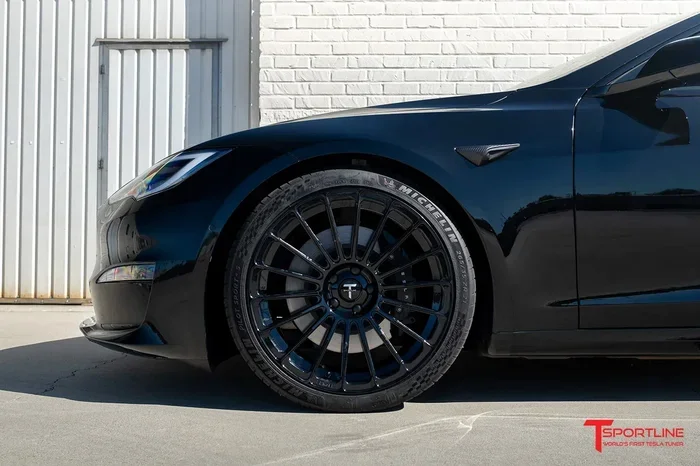
Yes, you can put rims on a Tesla, and many owners do it to improve looks, performance, or both. Tesla rims come in specific sizes and bolt patterns that must match your model. Aftermarket wheels for Tesla offer more style and material choices. This guide covers fitment, sizes, benefits, and mistakes to avoid.
If you own a Tesla, you have probably looked at those sleek factory wheels and wondered if you could swap them out. Maybe you want a sportier look. Maybe you want lighter wheels for better range. Or maybe you just want something different. The good news is that putting rims on a Tesla is absolutely possible. But there are some important things you need to know before you buy a single wheel.
This guide walks you through everything. From bolt patterns to rim sizes, from aftermarket options to common mistakes, we have got you covered. By the end, you will know exactly what works, what does not, and how to make the right choice for your Tesla.
Key Takeaways
- Tesla wheels can be swapped: You can install aftermarket or OEM replacement rims on any Tesla model with the right fitment.
- Bolt pattern matters: Tesla uses a 5×114.3 bolt pattern, and matching this is essential for safe installation.
- Wheel size affects range: Larger rims can reduce battery range due to added weight and rolling resistance.
- TPMS sensors need compatibility: Aftermarket rims must work with your Tesla’s tire pressure monitoring system.
- Offset and width are critical: Wrong offset can cause rubbing, poor handling, or unsafe driving conditions.
- Center caps and aesthetics: Tesla’s unique center cap design can be replicated or replaced with aftermarket options.
- Professional installation helps: A certified technician ensures proper fitment and avoids costly mistakes.
📑 Table of Contents
Can You Put Rims on a Tesla?
The short answer is yes. You can put rims on a Tesla. Tesla vehicles use standard bolt patterns and common wheel sizes. This means a wide range of aftermarket Tesla wheels are available. You are not locked into only factory options. However, the details matter a lot. Not every rim will fit every Tesla model safely.
Tesla sells its cars with specific OEM wheel specifications. These include bolt pattern, offset, center bore, and rim width. When you choose replacement wheels for Tesla, you must match these specs. Getting it right ensures safety, proper handling, and no damage to your car.
Understanding Tesla Bolt Patterns
Every Tesla model uses a 5×114.3 bolt pattern. This means five lug nuts are spaced across a circle that is 114.3 millimeters in diameter. This is a common pattern found on many Japanese and luxury vehicles. Because of this, you have plenty of aftermarket rim options to choose from.
Here is a quick look at what you need to match:
- Bolt pattern: 5×114.3 across all Tesla models
- Center bore: Usually around 64.1mm for proper hub alignment
- Thread size: M12 x 1.5 for the lug nuts
- Torque spec: 140 lb-ft (190 Nm)
If you buy aftermarket Tesla wheels that do not match these specs, you will need adapters or spacers. While adapters can work, they add complexity. They can also affect your warranty. Always try to find wheels that match Tesla’s factory specs exactly.
Tesla Rim Sizes and Specifications by Model
Each Tesla model has different rim size options from the factory. Knowing these helps you pick the right replacement Tesla rims. Let us break it down by model.
Tesla Model 3 Rim Sizes
The Model 3 comes with 18-inch wheels as standard. Higher trims offer 19-inch or even 20-inch options. The most common aftermarket choices fall between 18 and 20 inches. Here are the typical specs:
- Front rim width: 8 to 9 inches
- Rear rim width: 8.5 to 10 inches
- Tire sizes: 235/40R18 (front) and 265/40R18 (rear) for 18-inch
- Offset range: 35mm to 50mm depending on the setup
Tesla Model Y Rim Sizes
The Model Y is similar to the Model 3 in many ways. It uses 19-inch wheels as standard on most trims. Some owners upgrade to 20 or 21 inches for a more aggressive stance. Key specs include:
- Rim width range: 8.5 to 10.5 inches
- Tire sizes: 255/45R19 or 275/40R20
- Bolt pattern: 5×114.3
- Offset: Typically between 35mm and 45mm
Tesla Model S and Model X Rim Sizes
The Model S and Model X are bigger vehicles. They use larger wheels, often 19, 20, or 21 inches. These models have different width requirements compared to the Model 3 and Model Y. Always check Tesla’s spec sheet for your exact model year before purchasing new performance wheels.
Benefits of Upgrading Your Tesla Rims
Why do Tesla owners swap out their factory wheels? There are several real benefits. Let us look at the top reasons people upgrade their Tesla alloy rims.
Improved Performance
Lighter wheels reduce unsprung weight. This means your car can accelerate faster, brake better, and handle more smoothly. Many owners choose forged alloy rims because they are significantly lighter than factory cast wheels. The result is a noticeably better driving experience.
Better Aesthetics
Let us be honest. Rims change the whole look of a car. Tesla’s factory wheels are clean and modern. But aftermarket options give you more style choices. You can go with a sporty spoke design, a sleek minimalist look, or a bold multi-spoke pattern. The right aftermarket rims can make your Tesla stand out even more.
Increased Range (With the Right Wheels)
This might surprise you. Choosing lighter performance wheels can actually improve your Tesla’s range. Heavier wheels create more rolling resistance. That means your motor works harder, using more battery power. A lighter set of Tesla wheels can add a few extra miles per charge.
Better Heat Dissipation
Braking creates a lot of heat. Aftermarket alloy rims with better ventilation help dissipate that heat. This is especially useful if you drive in hot climates or enjoy spirited driving. Cooler brakes last longer and perform better.
How to Choose the Right Rims for Your Tesla
Picking the perfect Tesla rims is not just about looks. You need to consider several technical factors. Here is what to keep in mind.
Check Your Wheel Width
Rim width affects tire shape and contact patch. Too narrow, and your tire will bulge out. Too wide, and it will stretch thin. Both situations are unsafe. Always match the recommended width range for your Tesla model. You can find this in your owner’s manual or on Tesla’s website.
Understand Offset
Offset is the distance from the rim’s mounting surface to its center line. Positive offset pushes the wheel inward. Negative offset pushes it outward. If your offset is wrong, the wheel might rub against the fender or suspension. This is one of the most common wheel fitment mistakes Tesla owners make.
Consider Tire Size
Your new rims and tires must work together. Changing rim size usually means changing tire size too. Tesla’s range estimates and speedometer readings depend on correct tire dimensions. Even a small difference can affect your car’s systems. Always use a tire size calculator before making a purchase.
TPMS Compatibility
Tesla uses a direct TPMS (Tire Pressure Monitoring System). Each wheel has a sensor inside the tire. When you buy aftermarket wheels, make sure they are compatible with Tesla’s TPMS sensors. Some aftermarket rims come with pre-installed sensor seats. Others require you to transfer your existing sensors. Always confirm this before ordering.
Center Bore and Hub Rings
The center bore is the hole in the middle of the rim. It must match your Tesla’s hub size. If the center bore is too large, you will need hub centric rings. These rings center the wheel properly on the hub. Without them, your wheel will vibrate at highway speeds. This is a small but crucial detail.
Common Mistakes When Putting Rims on a Tesla
Even enthusiastic Tesla owners make mistakes when upgrading their wheels. Here are the most common ones and how to avoid them.
Buying the Wrong Bolt Pattern
This is the number one mistake. Some people assume all Tesla models share the same bolt pattern. While they do share 5×114.3, some older or special edition models may differ. Always double-check before you buy. A simple search for your specific model year will give you the correct specs.
Ignoring Load Rating
Teslas are heavy. A Model S can weigh over 4,900 pounds. Your aftermarket wheels must support that weight. Look for a load rating of at least 93 or higher. This ensures the rim can handle the car’s weight safely, especially during hard cornering or emergency braking.
Oversizing the Wheels
Bigger is not always better. Putting 22-inch rims on a Tesla might look cool, but it comes with serious downsides. Ride quality suffers dramatically. Tire sidewalls become too thin for comfort. You also risk damaging the rim on potholes or speed bumps. Stick to sizes that match your model’s recommended range.
Forgetting About Winter Driving
If you live in a cold climate, consider how your new rims will perform in winter. Low-profile tires on large rims perform poorly in snow and ice. Many Tesla owners keep a separate set of smaller, winter-friendly wheels. This is a smart and practical approach.
Skipping Professional Installation
You might be tempted to install new Tesla wheels yourself. But improper torque on lug nuts can be dangerous. A professional ensures each nut is tightened to the correct specification. They also check alignment and balance. This small investment can prevent costly repairs down the road.
Expert Tips for Tesla Rim Upgrades
Want to get the most out of your Tesla rim upgrade? Here are some expert-backed tips that make a real difference.
Choose lightweight materials. Forged aluminum and carbon fiber options are the best choices. They reduce weight while maintaining strength. This improves acceleration, braking, and range.
Keep the original wheels. Store your factory Tesla OEM wheels safely. You can swap them back for winter driving or when you want the original look. Many tire shops will hold your original set for a small fee.
Get a wheel alignment after installation. New wheels and tires can shift your alignment slightly. A proper alignment ensures even tire wear and optimal handling. It also protects your investment in new rubber.
Use a torque wrench. When you install new rims on your Tesla, use a torque wrench to tighten the lug nuts. Over-tightening or under-tightening can cause serious safety issues. Tesla recommends 140 lb-ft of torque.
Research the brand. Not all aftermarket wheel brands are created equal. Stick with reputable manufacturers that have good reviews and proper certifications. Brands like BBS, OZ Racing, and Vossen are popular choices among Tesla owners.
Key Takeaways
- Tesla wheels can be swapped: You can install aftermarket or OEM replacement rims on any Tesla model with the right fitment.
- Bolt pattern matters: Tesla uses a 5×114.3 bolt pattern, and matching this is essential for safe installation.
- Wheel size affects range: Larger rims can reduce battery range due to added weight and rolling resistance.
- TPMS sensors need compatibility: Aftermarket rims must work with your Tesla’s tire pressure monitoring system.
- Offset and width are critical: Wrong offset can cause rubbing, poor handling, or unsafe driving conditions.
- Center caps and aesthetics: Tesla’s unique center cap design can be replicated or replaced with aftermarket options.
- Professional installation helps: A certified technician ensures proper fitment and avoids costly mistakes.
Frequently Asked Questions
Can I put any aftermarket rims on my Tesla?
Not just any rim will work safely. Your replacement wheels for Tesla must match the bolt pattern (5×114.3), center bore, offset, and load rating. Always verify the specs before purchasing. A quick check of your Tesla’s manual or online spec sheet will tell you exactly what fits.
Will bigger rims reduce my Tesla’s range?
Yes, larger and heavier aftermarket rims can reduce your range. Heavier wheels increase rolling resistance, which means your motor uses more energy. If range is important to you, choose lightweight performance wheels in a size close to factory specs. Many owners find 18 or 19-inch wheels offer the best balance of looks and efficiency.
Do I need special tools to install Tesla rims?
A basic impact wrench and torque wrench are all you need for most installations. However, you will also need a torque wrench to tighten the lug nuts to Tesla’s recommended 140 lb-ft spec. If you are not confident, a professional installation is a wise choice. It ensures safety and proper fitment every time.
Are aftermarket Tesla wheels safe to drive on?
Yes, as long as they are from a reputable manufacturer and meet the correct specifications. Look for wheels that are rated for your vehicle’s weight and have proper load certifications. Avoid cheap, unbranded alloy rims that do not list load ratings or safety standards. Safety should always come first when upgrading your Tesla wheels.
Can I use hub centric rings with aftermarket Tesla rims?
Absolutely. Hub centric rings are very common when using aftermarket wheels with a larger center bore than your Tesla’s hub. These rings ensure the wheel sits perfectly centered on the hub. This prevents vibration and ensures a smooth, safe ride. Many aftermarket rim manufacturers include them in the package.
How much does it cost to upgrade Tesla rims?
The cost varies widely depending on the brand, material, and size. A set of quality aftermarket Tesla wheels can range from $500 to $3,000 or more for premium options. Add in the cost of new tires if needed, and professional installation typically runs $100 to $200. It is a worthwhile investment that enhances both look and performance.
Final Thoughts
So, can you put rims on a Tesla? Absolutely. Thousands of Tesla owners do it every year, and with good reason. Upgrading your Tesla rims can improve the way your car looks, drives, and even performs on the road. Whether you want lighter wheels for better range, a sportier appearance, or simply a fresh new look, the options are out there.
The key is to do your research. Match the bolt pattern, offset, width, and load rating to your specific Tesla model. Choose reputable brands and always prioritize safety over aesthetics. Take your time, compare options, and when in doubt, consult a professional. Your Tesla is a significant investment, and the right set of wheels for Tesla will make it even better.
Start by browsing trusted retailers, reading reviews, and checking fitment guides. With the right aftermarket rims, your Tesla will turn heads and drive better than ever before. Enjoy the upgrade and the open road ahead.