Can You Program a Transponder Key Yourself at Home
Yes, you can program a transponder key yourself at home in many cases. With the right tools and a bit of patience, transponder key programming is doable for most car owners. This guide walks you through every method, tip, and pitfall to save time and money.
Have you ever locked your keys in the car or lost your only working key? It happens to the best of us. The panic sets in, and the first question that pops into your head is usually the same: can you program a transponder key yourself?
The short answer is yes. The longer answer depends on your vehicle, the tools you have, and a little bit of patience. Transponder key programming used to be something only dealers and locksmiths could do. But today, many car owners handle this task right from their garage.
This guide will walk you through everything you need to know. We will cover what a transponder key actually is, how the key programming process works, and the exact steps you can follow at home. By the end, you will know whether a DIY approach makes sense for your situation.
Key Takeaways
- DIY programming is possible: many vehicles allow you to program a transponder key yourself using simple methods or tools.
- You need the right equipment: an OBD-II scanner or key programmer tool makes the process much easier.
- Common mistakes can waste time: skipping steps or using the wrong key type leads to failed programming attempts.
- Cost savings are real: doing it yourself can save you $50 to $200 compared to a locksmith or dealer.
- Know when to call a pro: some vehicles and key types require professional-grade equipment and expertise.
- Your VIN number matters: always have your vehicle identification number ready before starting any programming method.
- Key fob battery health is critical: a weak battery can cause programming failures even when the process is correct.
📑 Table of Contents
- What Is a Transponder Key and How Does It Work?
- Can You Program a Transponder Key Yourself at Home?
- Methods to Program a Transponder Key Yourself
- Common Mistakes to Avoid When Programming a Transponder Key
- How Much Does It Cost to Program a Transponder Key?
- When Should You Call a Professional Instead?
- Frequently Asked Questions
- Final Thoughts on Programming a Transponder Key Yourself
What Is a Transponder Key and How Does It Work?
A transponder key is a special car key that contains a small electronic chip inside the plastic head. This chip communicates with your vehicle’s engine control unit, also called the ECU. When you turn the ignition, the ECU sends a signal to the key. The chip responds with a unique code. If the code matches, the engine starts. If it does not match, the engine stays locked.
This system is part of your car’s vehicle security design. It prevents thieves from hot-wiring or copying your key easily. The immobilizer system has been standard in most vehicles since the mid-1990s. It adds a strong layer of anti-theft protection that works silently every time you start your car.
How the Chip Inside the Key Works
The chip in a chip key is a tiny radio-frequency transmitter. It does not need a battery. Instead, it gets its power from the electromagnetic field created by the ignition coil. When the key enters the ignition, the coil sends out a signal. The chip picks up that signal, powers up, and sends back a unique identification number.
Your car’s ECU checks that number against a stored list of valid codes. This whole process happens in milliseconds. You turn the key, and the engine fires up. It feels instant, but a lot is happening under the hood.
Types of Transponder Keys You May Have
Not all transponder keys look the same. Here are the most common types you might find:
- Basic transponder key: a standard metal key with a plastic head containing the chip. Common in older vehicles.
- Smart key or proximity key: a keyless entry fob that lets you start the car with a button press. Found in modern vehicles.
- Remote head key: combines a transponder chip with a remote for locking and unlocking doors.
- Aftermarket transponder key: a replacement key made by a third-party manufacturer, not the original car maker.
Knowing which type you have is the first step. The programming method changes depending on the key type and your vehicle model.
Can You Program a Transponder Key Yourself at Home?
The big question is whether you can program a transponder key yourself without professional help. The answer is yes for many vehicles, but not all. Some car brands make it easy. Others lock you out of the process and require dealer-level equipment.
Here is what determines whether DIY programming works for you:
- Your vehicle make and model: some brands allow simple self-programming. Others need proprietary tools.
- The year of your car: older vehicles from the 1990s and early 2000s are often easier to program.
- The number of working keys you have: many systems require at least one working key to program a new one.
- The tools you own: having an OBD-II scanner or a key programmer tool expands your options.
When DIY Programming Works Best
DIY transponder key programming works best when you have a secondary working key. Most vehicles let you add a new key using the existing one. The process usually involves a sequence of key turns, button presses, or timing steps. It is straightforward and does not require expensive equipment.
For example, many Ford, Chevrolet, and Toyota models from the 2000s and 2010s allow you to program a new key in under 30 minutes. You just follow a specific sequence of steps, and the car learns the new key’s code. No special tools needed.
When DIY Programming Is Not Possible
Some vehicles, especially luxury brands and newer models, use advanced encryption. These systems require a professional-grade programming tool that connects directly to the car’s diagnostic port. Brands like BMW, Mercedes-Benz, and certain European models often fall into this category.
Also, if you have lost all your keys, self-programming becomes very difficult or impossible. Most systems need at least one recognized key to add a new one. In that case, you will likely need a locksmith or dealer.
Methods to Program a Transponder Key Yourself
There are several ways to handle key programming at home. The method you choose depends on your vehicle and the tools available. Let us walk through the most common approaches.
Method 1: The Self-Programming Sequence
This is the simplest method and works on many older and mid-range vehicles. You use the existing working key to teach the car a new key code. The steps vary by manufacturer, but here is a general idea:
- Insert the working key into the ignition.
- Turn the key to the “On” position without starting the engine.
- Wait a specific number of seconds (usually 10 to 15).
- Turn the key back to the “Off” position.
- Remove the working key and insert the new key within a set time frame.
- Turn the new key to “On” and wait for the security light to go out.
- Turn the key back to “Off” and try starting the engine.
If the engine starts, the new key is programmed. If it does not, repeat the steps. Double-check your vehicle-specific instructions because timing matters a lot.
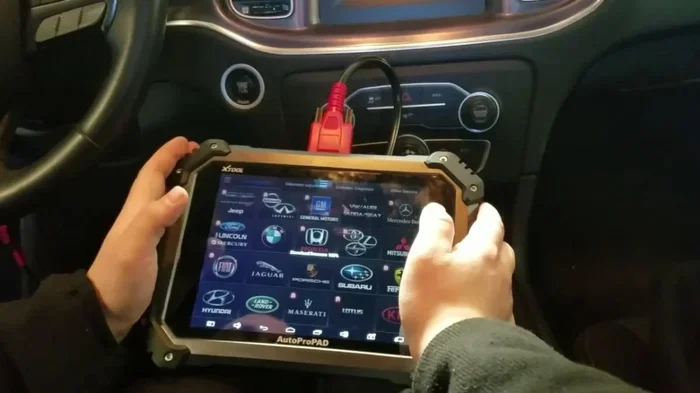
Method 2: Using an OBD-II Scanner
An OBD-II scanner is a diagnostic tool that plugs into your car’s diagnostic port. Many OBD-II scanners have a key programming feature built in. You can buy one for $30 to $150 depending on the brand and features.
Here is how the process typically works:
- Plug the scanner into the OBD-II port under your dashboard.
- Turn the ignition on.
- Follow the on-screen prompts to access the key programming menu.
- Select the option to add a new key.
- Insert the new key into the ignition when prompted.
- The scanner communicates with the ECU and programs the new key code.
This method is more reliable than the self-programming sequence. It also works on more vehicle models. Popular scanner brands like Autel, Launch, and Actron offer key programming features in their mid-range models.
Method 3: Using a Dedicated Key Programmer Tool
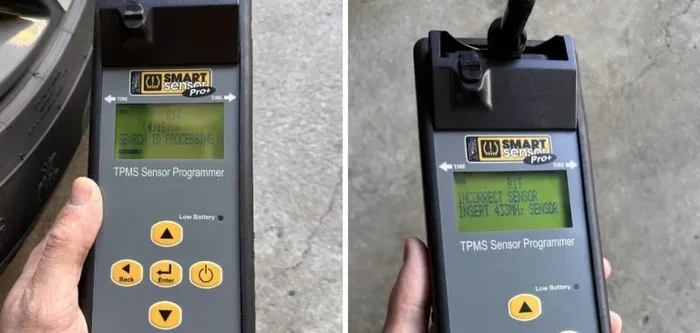
A dedicated key programmer tool is a specialized device designed specifically for transponder key programming. These tools range from $100 to $500 or more. They connect to the car’s key slot or OBD-II port and handle the programming directly.
Some popular options include the Zed-Full, Xhorse VVDI, and the Lock Wizard. These tools support a wide range of vehicle makes and models. They are especially useful if you deal with multiple cars or do this regularly.
Quick Tip: Before buying any programmer tool, check that it supports your specific vehicle model. Not all tools work with all cars.
Method 4: Programming a Key Fob or Smart Key
If your car uses a key fob or smart key, the process is different. Most modern vehicles let you program a new fob by following a sequence of button presses on the key itself and the car.
Here is a general process for smart key programming:
- Sit inside the car with all doors closed.
- Press the lock button on the existing fob within a few seconds.
- Insert the key into the ignition and cycle it to “On” and “Off” a specific number of times.
- Remove the key and press the lock or unlock button on the new fob.
- Wait for the doors to lock or flash, confirming successful programming.
Again, the exact steps depend on your vehicle. Always check your owner’s manual first.
Common Mistakes to Avoid When Programming a Transponder Key
Programming a transponder key at home can be frustrating if things go wrong. Here are the most common mistakes people make and how to avoid them.
Skipping the Owner’s Manual
Every vehicle has a specific programming procedure. The steps for a Honda Civic are different from a Toyota Camry. Skipping the manual and guessing the steps almost always leads to failure. Take 10 minutes to read the section on key programming in your owner’s manual. It will save you a lot of headaches.
Using a Non-Compatible Key
Not every blank key will work with your vehicle. You need a key with the correct transponder chip type. Using a wrong chip means the car will never recognize the key, no matter how many times you try. Buy your replacement key from a reputable source and confirm the chip type matches your vehicle.
Ignoring the Key Fob Battery
A weak battery in your key fob can cause programming to fail. Before you start, replace the battery if it is more than a year old. A fresh CR2025 or CR2032 battery costs just a few dollars and eliminates one common source of problems.
Rushing the Timing Steps
Timing is everything in transponder key programming. Many methods require you to insert or remove the key within a very specific window of seconds. Rushing through the steps or doing them out of order will cause the car to reject the new key. Slow down and follow each step carefully.
Not Having the VIN Number Ready
Your vehicle identification number is a 17-character code unique to your car. You will often need it when ordering a replacement key or using certain programming tools. Keep your VIN handy before you begin any programming project.
How Much Does It Cost to Program a Transponder Key?
Understanding the cost helps you decide whether DIY programming is worth the effort. Here is a breakdown of what you might spend.
DIY Programming Costs
If you already have an OBD-II scanner or key programmer tool, the cost is essentially zero. You just need a replacement blank key, which typically costs $5 to $25 for a basic transponder key and $20 to $50 for a smart key or remote head key.
Professional Programming Costs
Hiring a locksmith to program a transponder key usually costs between $50 and $200. Dealerships tend to charge more, often $100 to $300 or higher. The cost depends on the vehicle brand, key type, and your location.
Key Takeaway: If you need multiple keys programmed, the DIY route saves significant money over time.
When Should You Call a Professional Instead?
DIY programming is not the right choice for every situation. Here are clear signs that you should call a professional locksmith or dealer instead.
- You have lost all working keys: most systems cannot add a key without at least one recognized key present.
- Your vehicle uses advanced encryption: luxury brands and newer models often require specialized equipment.
- The self-programming method fails repeatedly: if you have tried multiple times and the car will not accept the new key, a professional has tools to bypass the issue.
- You are not comfortable with the process: there is no shame in asking for help. A locksmith can often program the key while you wait.
A professional locksmith also has access to key-cutting equipment. So even if the transponder chip is programmed correctly, the physical key still needs to match the lock cylinder. Many locksmiths handle both the cutting and the programming in one visit.
Frequently Asked Questions
Can I program a transponder key myself if I have no working keys?
In most cases, no. The majority of vehicles require at least one working key to program a new one. If you have lost all keys, you will likely need a locksmith or dealer to create and program the first key. They have specialized tools that can override the system without an existing key.
What tools do I need to program a transponder key at home?
You need a replacement key with the correct transponder chip, and ideally an OBD-II scanner or key programmer tool. For simpler vehicles, you may only need the existing working key and about 15 to 30 minutes of time. Always check your vehicle’s manual for the specific procedure.
Is it cheaper to program a transponder key yourself?
Yes, it can be significantly cheaper. Professional programming typically costs $50 to $300, while DIY only requires the cost of a blank key, which is $5 to $50. If you already own an OBD-II scanner, the savings are even greater.
Will programming a new key erase my car’s settings?
No, programming a new transponder key does not erase your car’s settings, radio presets, or ECU data. The process only adds the new key’s code to the vehicle’s approved key list. Your car remains exactly as it was.
Can I use an aftermarket transponder key for DIY programming?
Yes, in most cases. Aftermarket keys work just as well as original equipment keys for programming purposes. Just make sure the key matches your vehicle’s chip type and cut pattern. Buy from a reputable supplier to ensure quality.
How long does it take to program a transponder key yourself?
Most DIY programming sessions take between 10 and 30 minutes. Simple vehicles with a self-programming sequence can be done in under 15 minutes. More complex vehicles or those requiring an OBD-II scanner may take a bit longer, especially the first time you do it.
Final Thoughts on Programming a Transponder Key Yourself
Programming a transponder key yourself is a skill that can save you time, money, and the stress of an unexpected lockout. With the right information and a little preparation, most car owners can handle this task at home. Whether you use the self-programming sequence, an OBD-II scanner, or a dedicated key programmer tool, the process is well within reach.
Start by identifying your key type and vehicle model. Gather the right tools. Follow the steps carefully. And if something does not work, do not hesitate to call a professional. The goal is to get your car running and your key working again.
The world of transponder key programming has opened up to car owners in a big way. You no longer need to wait days for a dealer appointment or pay a premium for a simple programming job. With this guide, you have the knowledge to take control of the process yourself. Give it a try, and you might be surprised at how easy it really is.