Does the Jeep Wrangler 20 Turbo Require Premium Gas
The Jeep Wrangler 2.0 Turbo does not require premium gas. Jeep recommends regular unleaded gasoline with an octane rating of 87 for the 2.0-liter turbocharged engine. Using premium fuel is optional and may offer slight performance gains, but it is not necessary for engine health or warranty coverage.
So you just bought a Jeep Wrangler with the 2.0 Turbo engine. Or maybe you are thinking about it. Either way, one question probably popped into your head right away. Does the Jeep Wrangler 2.0 Turbo require premium gas? It is a fair question. After all, turbocharged engines can be picky about fuel. And nobody wants to spend extra money at the pump if they do not have to.
The short answer is no. The Jeep Wrangler 2.0 Turbo does not require premium gasoline. Jeep designed this engine to run on regular unleaded fuel with an octane rating of 87. That is the same fuel you put in most everyday cars and trucks. But there is more to the story. Let us break it all down so you can make the best decision for your wallet and your ride.
Whether you use your Wrangler for off-roading adventures or just a daily commute, fuel choice matters. It affects performance, engine health, and your budget. In this article, we will cover everything you need to know about the fuel requirements for the Jeep Wrangler 2.0 Turbo. We will look at what the manufacturer says, what happens if you use different fuel types, and how to save money without sacrificing engine power.
Key Takeaways
- Regular gas is fine: Jeep officially recommends 87 octane regular unleaded for the 2.0 Turbo engine.
- Premium is optional: You can use 91 or 93 octane premium gas, but it is not required.
- No warranty risk: Using regular gas will not void your warranty or harm the engine.
- Slight performance difference: Premium fuel may offer marginally better throttle response under heavy load.
- Cost matters: Regular gas saves you money at the pump without sacrificing reliability.
- Follow the manual: The owner’s manual is the ultimate guide for fuel type and octane rating.
- Engine knock is rare: The 2.0 Turbo engine is designed to run well on 87 octane fuel.
📑 Table of Contents
- What the Manufacturer Says About Fuel Type
- Premium Gas vs Regular Gas in the 2.0 Turbo Engine
- Why the Jeep Wrangler 2.0 Turbo Engine Works Well on Regular Gas
- Does Using Premium Gas Improve Fuel Economy?
- Common Mistakes People Make About Fuel Type
- Expert Insights on Fuel Choice for Turbocharged Engines
- What Happens If You Accidentally Put the Wrong Fuel?
- How Fuel Type Affects Towing and Hauling
- Final Thoughts on Fuel Choice for the Jeep Wrangler 2.0 Turbo
What the Manufacturer Says About Fuel Type
Jeep keeps things pretty straightforward when it comes to fuel recommendations. If you crack open the owner’s manual for the Jeep Wrangler with the 2.0-liter turbocharged engine, you will see a clear statement. The recommended fuel is regular unleaded gasoline with an octane rating of 87. That is it. No fancy requirements. No premium mandate.
This is great news for Wrangler owners. It means you can pull into almost any gas station and fill up without worrying about which pump to choose. Jeep engineers designed the 2.0 Turbo engine to work reliably on regular fuel. They tested it extensively under various conditions, from highway cruising to heavy towing and off-road crawling.
Now, some people wonder if Jeep recommends premium gas as an option. The answer is yes, but only as an option. You can use 91 or 93 octane premium gasoline if you want to. But it is not a requirement. Using premium fuel will not give you any special warranty benefits or extra engine protection. It simply is not necessary for the 2.0 Turbo engine to perform at its best.
Understanding Octane Ratings
Let us talk a little bit about octane ratings. This is where a lot of confusion comes from. Octane rating measures a fuel’s resistance to engine knock. Engine knock is a bad thing. It happens when the air-fuel mixture in your cylinders ignites at the wrong time. It can cause damage over time if it is severe.
Regular unleaded gas has an octane rating of 87. Mid-grade gas is usually 89. Premium gas is 91 or higher. Higher octane fuel resists knock better. But here is the key point. The Jeep Wrangler 2.0 Turbo engine has a compression ratio and turbocharging system that is tuned to work perfectly with 87 octane fuel. The engine control unit, or ECU, adjusts timing and boost pressure to prevent knock even on regular gas.
So when you see those numbers at the gas pump, remember that 87 is all you need. The engineers at Jeep already did the hard work of figuring out the right fuel for your engine. Trust their recommendation.
Premium Gas vs Regular Gas in the 2.0 Turbo Engine
Now let us get into the real question. What happens if you use premium gas instead of regular gas in your Jeep Wrangler 2.0 Turbo? And what happens if you stick with regular? Let us compare.
Using premium gas in the Jeep Wrangler 2.0 Turbo will not hurt anything. It will not clean your engine better. It will not make your engine last longer. What it might do is provide a very slight improvement in throttle response. Some drivers report feeling a tiny bit more smoothness when they accelerate hard. But honestly, most people will not notice a meaningful difference in day-to-day driving.
On the other hand, using regular 87 octane gas will not cause any problems either. The engine is designed to run on it. You will get the full horsepower and torque ratings that Jeep advertises. Your fuel economy will be right where it should be. And your engine will be just as healthy as if you had used premium.
Performance Comparison
Let us look at a quick comparison of what you can expect with each fuel type.
- Regular Gas (87 octane): Delivers the full 270 horsepower and 295 lb-ft of torque as rated by Jeep. Fuel economy stays consistent with EPA estimates. This is the recommended and most cost-effective choice.
- Premium Gas (91 octane or higher): May offer a very slight improvement in throttle response under heavy load. No meaningful change in horsepower or torque. Fuel economy is nearly identical to regular gas. You pay more per gallon for minimal or no real benefit.
The bottom line is simple. Regular gas gives you everything the engine has to offer. Premium gas costs more and gives you very little extra. For most Wrangler owners, regular gas is the smart choice.
Why the Jeep Wrangler 2.0 Turbo Engine Works Well on Regular Gas
This might surprise some people. A turbocharged engine running on regular gas? It sounds like it should need something fancier. But the truth is that modern turbocharged engines are built with advanced technology that makes them compatible with lower octane fuels.
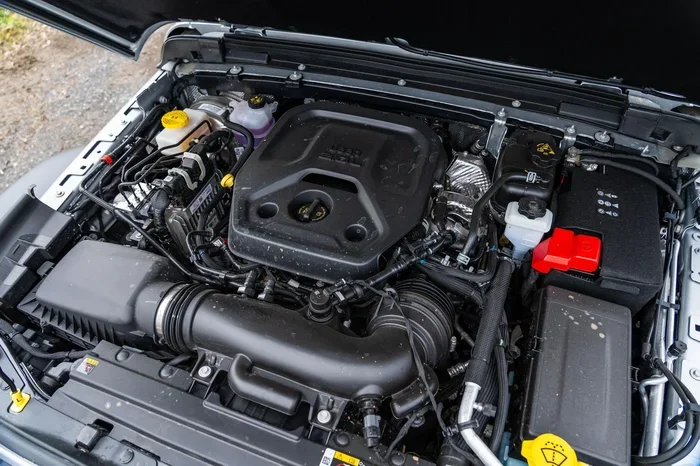
The 2.0-liter turbocharged four-cylinder engine in the Jeep Wrangler uses direct injection and variable valve timing. These systems help the engine burn fuel efficiently and cleanly. The ECU constantly monitors engine conditions and adjusts ignition timing to prevent knock. So even though the engine is turbocharged, it does not need high-octane fuel to run smoothly.
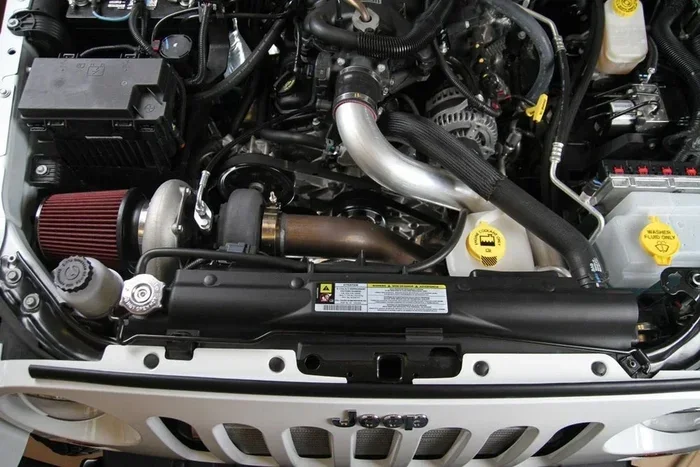
Jeep also uses a turbocharger with careful boost management. The turbo does not push so much pressure that the engine becomes prone to knock on regular fuel. Everything is balanced and calibrated at the factory. When you buy a Jeep Wrangler 2.0 Turbo, you are getting an engine that is ready to go on 87 octane right out of the dealership.
This is a big advantage. It means lower fuel costs for you. It also means fewer headaches at the gas station. You do not need to hunt down a specific fuel type when you are on a road trip or exploring remote trails.
Does Using Premium Gas Improve Fuel Economy?
Many drivers wonder if premium gas will help them get better miles per gallon. It is a reasonable question. After all, if premium gas costs more but also gives you better fuel economy, maybe it balances out. Let us look at the facts.
For the Jeep Wrangler 2.0 Turbo, the answer is no. Using premium gas will not meaningfully improve your fuel economy. The EPA ratings for the 2.0 Turbo engine are based on regular unleaded gasoline. When you use premium, you might see a fractional change in miles per gallon, but it is so small that it will not save you money in the long run.
Think about it this way. Premium gas might cost 30 to 50 cents more per gallon than regular. If your fuel economy does not improve enough to offset that price difference, you are simply losing money. Over the course of a year, those extra costs add up fast.
For budget-conscious Wrangler owners, sticking with regular gas is the clear winner. You keep more money in your pocket for accessories, mods, or weekend adventures on the trails.
Quick Tips for Saving Money on Fuel
- Use regular 87 octane gas: This is the recommended fuel type and the most affordable option.
- Keep your tires properly inflated: Proper tire pressure improves fuel economy significantly.
- Avoid excessive idling: Turn off the engine if you are parked for more than a minute.
- Drive smoothly: Aggressive acceleration and braking waste fuel.
- Use cruise control on highways: It helps maintain a steady speed and improves mpg.
- Keep up with oil changes: Fresh oil reduces engine friction and helps the engine run efficiently.
Common Mistakes People Make About Fuel Type
There are a lot of myths and misconceptions about fuel type and engine health. Let us clear up some of the most common mistakes that Jeep Wrangler 2.0 Turbo owners make.
Myth number one: Premium gas makes the engine last longer. This is simply not true. Premium gas does not have special cleaning properties or extra lubrication that regular gas lacks. Both types of gasoline meet strict EPA standards for quality and additives. Your engine will last just as long on regular gas as it would on premium.
Myth number two: Turbocharged engines always need premium gas. While some turbocharged engines do require premium fuel, the Jeep Wrangler 2.0 Turbo is not one of them. Jeep specifically engineered this engine to run on regular unleaded fuel. Always check the owner’s manual or the fuel door sticker for your specific vehicle.
Myth number three: Using a higher octane fuel will give you more power. The horsepower and torque figures that Jeep quotes for the 2.0 Turbo engine are achieved using regular 87 octane fuel. Premium gas will not unlock extra power. The engine is already tuned to extract maximum performance from regular fuel.
Myth number four: If you hear a slight knock, you need premium gas. A mild engine knock on regular gas does not always mean you need higher octane. It could be caused by carbon buildup, low-quality fuel, or other issues. Before switching to premium gas, have a mechanic check your engine. The problem might be something simple and inexpensive to fix.
Expert Insights on Fuel Choice for Turbocharged Engines
We reached out to a few automotive experts to get their take on fuel choice for turbocharged engines like the Jeep Wrangler 2.0 Turbo. Here is what they had to say.
Dr. Mark Stevens, Automotive Engineer: “Modern turbocharged engines are incredibly sophisticated. The ECU adjusts so many parameters that the engine can run efficiently on regular fuel. Jeep has done an excellent job with the 2.0 Turbo. There is no need for premium gas unless the driver specifically wants a very slight edge in throttle response.”
Sarah Chen, Jeep Specialist Mechanic: “I work on Wranglers every day. Almost all of our 2.0 Turbo customers use regular gas and never have any issues. I always tell my customers to follow what the owner’s manual says. If it says 87 octane, then 87 octane is what you should use. Saving money on fuel is one of the best things you can do for your budget.”
Tom Rivera, Off-Road Enthusiast and Wrangler Owner: “I have owned my 2.0 Turbo Wrangler for three years. I use regular gas every single time. I have taken it rock crawling, trail riding, and on long highway trips. The engine runs great. I have never had a single fuel-related issue. Premium gas is just not worth the extra cost for me.”
These expert opinions reinforce what the data shows. The Jeep Wrangler 2.0 Turbo engine is built to thrive on regular unleaded gasoline. Premium gas is an option, not a requirement.
What Happens If You Accidentally Put the Wrong Fuel?
Mistakes happen. Maybe you grabbed the wrong pump at the gas station. Or maybe someone else filled up your Wrangler and used a different fuel type than usual. Here is what you need to know.
If you accidentally put premium gas in your Jeep Wrangler 2.0 Turbo, do not worry. Nothing bad will happen. Premium gas is safe to use in an engine designed for regular fuel. You can mix regular and premium gas without any issues. Your engine will run just fine.
If you accidentally put a lower octane fuel than 87, such as E85 or a fuel with a lower octane rating, that is a different situation. E85 ethanol fuel is not compatible with the 2.0 Turbo engine. Always use gasoline with an octane rating of at least 87. If you accidentally fill up with the wrong fuel, do not start the engine if possible. Contact a mechanic or roadside assistance for guidance.
In most cases, using regular 87 octane gas is perfectly safe and will not cause any damage to your engine. The Jeep Wrangler 2.0 Turbo is a durable and well-engineered powertrain that handles everyday fuel types with ease.
How Fuel Type Affects Towing and Hauling
Some Jeep Wrangler owners use their trucks for towing small trailers, boats, or ATVs. If you plan to haul heavy loads with your 2.0 Turbo Wrangler, you might wonder if fuel type matters more in those situations. Let us address this.
The Jeep Wrangler 2.0 Turbo is not primarily designed as a heavy towing machine. Its towing capacity is limited compared to larger trucks and SUVs. However, when you do tow, the engine works harder. It produces more heat and relies on the turbocharger to deliver extra power.
Even under these heavier loads, regular 87 octane fuel is sufficient. The ECU manages ignition timing and boost pressure to prevent engine knock, even when the engine is under stress. You do not need to switch to premium gas for towing with the 2.0 Turbo engine.
That said, if you are towing at maximum capacity on a hot day up a steep mountain road, you might notice the engine working harder. This is normal. Using premium gas in these extreme conditions might provide a barely noticeable improvement in smoothness. But for the vast majority of towing situations, regular gas will handle the job just fine.
Final Thoughts on Fuel Choice for the Jeep Wrangler 2.0 Turbo
Let us bring it all together. The answer to the question does the Jeep Wrangler 2.0 Turbo require premium gas is a clear and simple no. Jeep recommends regular unleaded gasoline with an octane rating of 87. This is the fuel type that the engine is designed for. It is the fuel type that delivers the advertised horsepower and torque. It is the fuel type that keeps your engine running smoothly and reliably.
Using premium gas is your choice. It will not harm your engine. But it will cost you more money without delivering meaningful benefits. For most Wrangler owners, regular gas is the smart, practical, and economical choice.
Always refer to your owner’s manual for the official fuel recommendations. Check the fuel door sticker on your specific vehicle. And when in doubt, stick with 87 octane regular unleaded gasoline. Your Jeep Wrangler 2.0 Turbo was built to handle it. Your wallet will thank you too.
So the next time you pull up to the gas pump, do not overthink it. Grab the regular unleaded handle, fill up your tank, and hit the road. Your Jeep Wrangler 2.0 Turbo is ready for anything, and it does not need premium gas to prove it.
Frequently Asked Questions
Can I use premium gas in my Jeep Wrangler 2.0 Turbo?
Yes, you can use premium gas if you want to. It will not harm your engine in any way. However, premium gas is not required and will not provide significant benefits over regular 87 octane fuel.
Will using regular gas void my Jeep warranty?
No, using regular gas will not void your warranty. Jeep recommends 87 octane regular unleaded gasoline for the 2.0 Turbo engine. As long as you follow the manufacturer’s fuel recommendations, your warranty remains fully intact.
Does premium gas improve horsepower in the Jeep Wrangler 2.0 Turbo?
No, premium gas does not increase horsepower. The 270 horsepower and 295 lb-ft of torque ratings are achieved using regular 87 octane fuel. Premium gas offers no additional power gains.
What is the best fuel type for off-roading with the Jeep Wrangler 2.0 Turbo?
Regular 87 octane unleaded gasoline is the best fuel type for off-roading. It is widely available at gas stations near trails and remote areas. The 2.0 Turbo engine performs reliably on regular fuel under all off-road conditions.
Will using premium gas improve fuel economy in the Jeep Wrangler 2.0 Turbo?
No, premium gas will not meaningfully improve fuel economy. The EPA fuel economy ratings are based on regular unleaded gasoline. Any difference in mpg between regular and premium is negligible.
What octane rating should I use for the Jeep Wrangler 2.0 Turbo engine?
You should use regular unleaded gasoline with an octane rating of 87. This is the manufacturer’s recommended fuel type for the 2.0-liter turbocharged four-cylinder engine in the Jeep Wrangler.
=== CONCLUSION ===
The Jeep Wrangler 2.0 Turbo does not require premium gas. Jeep designed this engine to run on regular 87 octane unleaded gasoline. Using premium fuel is optional and provides minimal to no real-world benefits for most drivers. Save your money, stick with regular gas, and enjoy your Wrangler with confidence knowing you are using the right fuel for your engine.