How Fast Will a Dodge Charger Go and What You Need to Know
How Fast Will a Dodge Charger Go depends entirely on the trim level and engine you choose. The base models reach around 125 mph, while the supercharged Hellcat variants can push past 200 mph. This guide covers every Dodge Charger speed fact you need to know.
Have you ever wondered just how fast a Dodge Charger can really go? Maybe you saw one roar down the highway and thought, “That thing must be flying.” Or perhaps you are shopping for a Dodge Charger and want to know what kind of speed you are actually getting for your money.
How Fast Will a Dodge Charger Go is a question that has a surprisingly detailed answer. The truth is, Dodge Charger speed varies a lot depending on the trim level, engine choice, and even the generation of the car you are looking at. A base V6 model will not hit the same top speed as a supercharged Hellcat, and that is perfectly fine because these cars serve very different purposes.
In this guide, we will break down the Dodge Charger top speed for every major trim. We will look at acceleration numbers, engine specs, and real-world performance factors that affect how fast these cars actually go. Whether you are a car enthusiast or just curious about the Dodge Charger speed capabilities, you will find everything you need right here.
Key Takeaways
- Base V6 models top out around 125 mph and offer solid daily driving performance.
- The R/T and Scat Pack trims deliver serious power with 400 to 500 horsepower.
- The Hellcat and Redeye are the fastest Dodge Charger variants, exceeding 200 mph.
- 0-60 times range from about 6.4 seconds in the base model to under 3.5 seconds in the Hellcat.
- Engine type matters most when it comes to Dodge Charger performance and top speed.
- Real-world conditions like weight, tires, and weather can affect actual Dodge Charger speed.
- Police interceptor models are built for durability and pursuit speed, not just raw horsepower.
📑 Table of Contents
- Dodge Charger Speed by Trim Level
- What Makes the Dodge Charger So Fast
- Dodge Charger 0-60 Times by Trim
- The Fastest Dodge Charger Ever Made
- Real-World Speed vs. Factory Claims
- Is the Dodge Charger Street Legal at Top Speed
- How Dodge Charger Speed Has Evolved Over the Generations
- Key Takeaways
- Conclusion
Dodge Charger Speed by Trim Level
The Dodge Charger comes in many trim levels, and each one offers a different blend of power, comfort, and speed. Understanding the Dodge Charger trim levels is the first step to figuring out how fast your specific model can go. Let us walk through the main tiers and their Dodge Charger performance numbers.
Base Engine Speed and Performance
The base Dodge Charger starts with a 3.6-liter Pentastar V6 engine. This engine produces about 292 horsepower and 260 pound-feet of torque. It is a solid engine for daily driving, and it gives the Charger a respectable Dodge Charger acceleration feel without being overly aggressive.
With this setup, the base Charger can reach a top speed of around 125 mph. The Dodge Charger 0-60 time for the base model sits at roughly 6.4 seconds. That is quick enough to keep up with traffic and merge onto highways with confidence. The base model also comes with an available all-wheel drive system, which helps with traction in wet or snowy conditions.
For most people who just need a reliable family sedan with some sporty flair, the base V6 Dodge Charger speed is more than enough. It balances everyday usability with a nice dose of Dodge Charger performance when you need it.
R/T and Scat Pack Speeds
The R/T trim takes the Dodge Charger to the next level. It swaps the V6 for a 5.7-liter HEMI V8 engine. This engine delivers around 370 horsepower and 395 pound-feet of torque. The result is a meaningful jump in Dodge Charger speed and acceleration.
The R/T can hit a top speed of about 175 mph. Its Dodge Charger 0-60 time drops to around 5.2 seconds. That is a noticeable improvement over the base model, and it makes the R/T feel genuinely quick on the highway and on open roads.
The Scat Pack steps things up even further. It uses a 6.4-liter HEMI V8 that produces 485 horsepower and 475 pound-feet of torque. The Scat Pack top speed reaches 175 mph as well, but the Dodge Charger acceleration is faster at about 4.3 seconds for the 0-60 sprint. The Scat Pack also gets upgraded suspension and brakes, which help it handle all that extra power.
| Trim Level | Engine | Horsepower | Top Speed | 0-60 Time |
|---|---|---|---|---|
| Base (V6) | 3.6L V6 | 292 hp | 125 mph | 6.4 sec |
| R/T | 5.7L HEMI V8 | 370 hp | 175 mph | 5.2 sec |
| Scat Pack | 6.4L HEMI V8 | 485 hp | 175 mph | 4.3 sec |
| SRT Hellcat | 6.2L Supercharged V8 | 717 hp | 196 mph | 3.6 sec |
| SRT Hellcat Redeye | 6.2L Supercharged V8 | 797 hp | 203 mph | 3.4 sec |
Hellcat and Redeye Top Speeds
Now we get to the really exciting stuff. The Dodge Charger SRT Hellcat is one of the most powerful sedans ever made. Its 6.2-liter supercharged HEMI V8 cranks out 717 horsepower and 650 pound-feet of torque. The Hellcat top speed is 196 mph, and it hits 60 mph in just 3.6 seconds.
The Dodge Charger SRT Hellcat Redeye takes things even further. With 797 horsepower, it is the most powerful mass-produced Dodge Charger ever built. The Redeye top speed reaches 203 mph, and the Dodge Charger acceleration is blistering at 3.4 seconds from zero to 60. The Redeye achieves this through a more aggressive supercharger, upgraded pistons, and a high-octane fuel system.
Both the Hellcat and Redeye come with an eight-speed automatic transmission and a launch control system that helps maximize Dodge Charger acceleration off the line. The all-wheel drive system is standard on these models, which helps put all that horsepower to the ground efficiently.
What Makes the Dodge Charger So Fast
Speed does not just happen by accident. The Dodge Charger performance comes from a combination of powerful engines, smart engineering, and aerodynamic design. Let us look at the key factors that make the Dodge Charger one of the fastest sedans on the road.
Engine Power and Horsepower
The Dodge Charger engine lineup is the heart of its speed capabilities. From the base V6 to the supercharged V8, each engine is tuned to deliver strong performance. The HEMI V8 engines are especially well known for their torque-rich delivery, which gives the Charger its signature shove off the line.
Horsepower is not the only number that matters. Torque plays a huge role in how the car feels in real-world driving. The Hellcat and Redeye produce massive torque figures that make the Dodge Charger acceleration feel effortless and violent. This is why the Dodge Charger quarter mile times are so impressive across the lineup.
Aerodynamics and Design
The Dodge Charger has a sleek, fastback shape that has been refined over many generations. The aerodynamic design helps reduce drag at high speeds, which is essential for reaching and sustaining a high Dodge Charger top speed. The front grille, hood scoop, and rear spoiler all work together to manage airflow.
Each generation of the Dodge Charger has brought improvements in aerodynamics. The current sixth-generation Charger benefits from wind tunnel testing and computational fluid dynamics to optimize airflow. This means the Dodge Charger street legal speed is not just about raw power but also about how efficiently the car cuts through the air.
Dodge Charger 0-60 Times by Trim
Acceleration is one of the most exciting aspects of any performance car. The Dodge Charger 0-60 times give you a clear picture of how quickly each trim can sprint from a standstill. Here is a closer look at the numbers across the lineup.
The base V6 model reaches 60 mph in about 6.4 seconds. This is respectable for a full-size sedan and makes the Charger feel lively in everyday driving. The R/T trims improve on that with 5.2-second 0-60 times, which is where the car starts to feel genuinely quick.
The Scat Pack drops the time to around 4.3 seconds. That is sports car territory, and it is impressive for a four-door sedan. The Hellcat and Redeye take it to another level entirely, with sub-3.5-second 0-60 times that rival some of the best supercars in the world.
Several factors can influence these numbers. Tire type, road surface, temperature, and even fuel quality all play a role. The factory numbers are measured under ideal conditions, so real-world results may vary slightly. But even with a margin of error, the Dodge Charger acceleration is consistently impressive across every trim.
The Fastest Dodge Charger Ever Made
When people ask about Dodge Charger speed records, the answer almost always points to the SRT Hellcat Redeye. With 797 horsepower and a top speed of 203 mph, it holds the title as the fastest Dodge Charger ever produced in stock form.
The Redeye uses a more powerful version of the same supercharged 6.2-liter V8 found in the standard Hellcat. Upgrades include a larger supercharger, forged internals, and a high-flow exhaust system. These changes add 80 horsepower over the standard Hellcat and push the Dodge Charger performance envelope significantly.
It is worth noting that Dodge also offered a widebody package on many of these models. The widebody adds wider fender flares and wider wheels and tires, which improve grip and stability at high speeds. This makes the widebody Hellcat and Redeye even more capable on the track and on the street.
Before the Hellcat era, the Dodge Charger R/T Concept from the 2006 Detroit Auto Show hinted at what was possible with a supercharged V8 in the Charger body. While it never reached production, it set the stage for the performance-focused Charger models we have today.
Real-World Speed vs. Factory Claims
Factory top speed numbers are measured under ideal conditions. In the real world, several factors can affect how fast a Dodge Charger actually goes. Understanding these factors helps set realistic expectations for Dodge Charger speed in everyday driving.
Tire quality and type matter a lot. The stock tires on a base model are designed for comfort and all-season use, not for high-speed grip. Upgrading to performance tires can improve both acceleration and top-end stability. The same goes for the suspension and alignment settings.
Weather conditions also play a role. Cold temperatures can make the engine produce more power, while hot and humid conditions may slightly reduce performance. Altitude matters too. At higher elevations, the thinner air can reduce engine output and affect Dodge Charger acceleration.
Vehicle weight is another consideration. The Dodge Charger is a large, heavy sedan. Even with a powerful engine, all that mass means it takes more energy to reach top speed. Adding passengers and cargo will slow things down slightly. This is why the Dodge Charger quarter mile times in magazine tests sometimes differ from the factory numbers.
Police Interceptor Performance
The Dodge Charger police interceptor is a special variant built for law enforcement use. It comes with a 3.6-liter V6 or a 5.7-liter HEMI V8, and it is tuned for durability and sustained high-speed driving. The police interceptor Dodge Charger speed is impressive, with the V8 version capable of reaching 149 mph.
These models get upgraded cooling systems, heavy-duty brakes, and reinforced suspension components. They are designed to maintain Dodge Charger performance over long periods of hard use. The police interceptor is a great example of how the Charger platform is built for more than just straight-line speed.
Is the Dodge Charger Street Legal at Top Speed
Can you actually drive a Dodge Charger at its top speed on public roads? Technically, yes. The Dodge Charger is a street legal vehicle, and its top speed is well within the capabilities of the car. However, doing so is extremely dangerous and illegal on public roads.
Most public roads have speed limits far below the Charger’s top speed. Even the base model can travel well over 100 mph, which is double the typical highway speed limit. Driving at these speeds on public roads puts yourself and others at serious risk.
If you want to experience the full Dodge Charger speed potential safely, consider a track day or a closed-course event. Many automotive clubs and Dodge dealerships host events where you can push your car to its limits in a controlled environment. This is the best way to experience the Charger’s Dodge Charger performance without breaking any laws or putting anyone in danger.
Fuel Economy and Speed
There is a trade-off between speed and fuel economy. The more powerful the Dodge Charger engine, the more fuel it consumes. The base V6 gets an estimated 19 mpg in the city and 30 mpg on the highway. The Hellcat drops to around 13 mpg in the city and 22 mpg on the highway.
Driving at high speeds also reduces fuel efficiency. Aerodynamic drag increases exponentially as speed goes up, which means the engine has to work harder to maintain top speed. If you are concerned about Dodge Charger fuel economy, keeping your speeds moderate will help you get the best numbers.
How Dodge Charger Speed Has Evolved Over the Generations
The Dodge Charger has been around since 1966, and its speed capabilities have changed dramatically over the decades. The first-generation Charger was a muscle car icon with big-block V8 options that could run low 14-second quarter miles. By comparison, modern Chargers are significantly faster and safer.
The second and third generations brought more refined engines and better aerodynamics. The fourth generation in the 1970s saw a shift toward smaller engines due to insurance and emissions regulations. The fifth generation, introduced in 2006, brought the Charger back to life as a modern performance sedan with V8 power and modern technology.
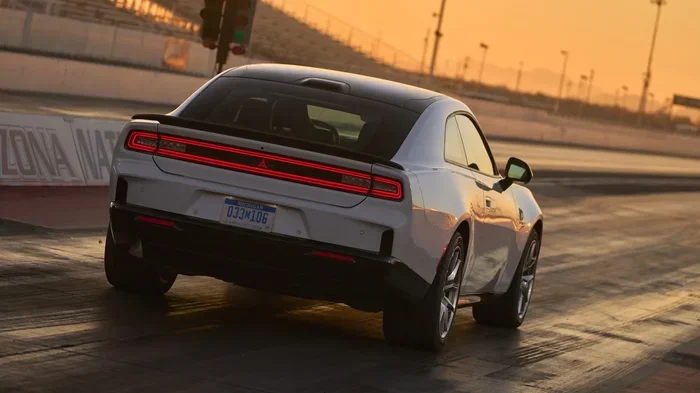
The current sixth-generation Charger, introduced in 2024, is the first fully electric Dodge Charger. While it does not have a traditional engine, it delivers instant torque and impressive Dodge Charger acceleration. The electric Charger represents a new chapter in the Charger’s speed story, and it shows how the brand continues to evolve.
Throughout its history, the Dodge Charger has always been about delivering exciting performance in a practical package. From the muscle car era to the modern supercharged Hellcat, the Charger has remained one of the most iconic and capable speed sedans on the market.
Key Takeaways
- Base V6 models top out around 125 mph and offer solid daily driving performance.
- The R/T and Scat Pack trims deliver serious power with 370 to 485 horsepower.
- The Hellcat and Redeye are the fastest Dodge Charger variants, exceeding 200 mph.
- 0-60 times range from about 6.4 seconds in the base model to under 3.5 seconds in the Hellcat.
- Engine type matters most when it comes to Dodge Charger performance and top speed.
- Real-world conditions like weight, tires, and weather can affect actual Dodge Charger speed.
- Police interceptor models are built for durability and pursuit speed, not just raw horsepower.
Conclusion
How Fast Will a Dodge Charger Go is a question with a wide range of answers. From the base V6 model that tops out at 125 mph to the supercharged Hellcat Redeye that reaches 203 mph, there is a Dodge Charger speed for every type of driver. The key is choosing the right trim level and engine that matches your needs and driving style.
The Dodge Charger is more than just a fast car. It is a blend of practicality, comfort, and raw performance that few other sedans can match. Whether you are commuting to work, hauling the family, or hitting the track on weekends, the Charger delivers a compelling driving experience.
Understanding the Dodge Charger speed capabilities helps you make an informed buying decision. Consider what you need from the car, how you plan to use it, and what level of Dodge Charger performance matters most to you. With so many trim levels and engine options available, there is a Dodge Charger that fits almost every driver’s speed expectations.
So the next time you see a Dodge Charger flying down the road, you will know exactly what kind of speed and power it has under the hood. And if you are in the market for one, you now have all the information you need to pick the right model for your lifestyle.
Frequently Asked Questions
What is the top speed of a Dodge Charger Hellcat?
The Dodge Charger Hellcat has a top speed of 196 mph. This is achieved through its supercharged 6.2-liter HEMI V8 engine that produces 717 horsepower. The Hellcat is one of the fastest production sedans available, and its Dodge Charger top speed is among the highest in its class.
How fast is a Dodge Charger from 0 to 60 mph?
The Dodge Charger 0-60 time varies by trim. The base V6 model takes about 6.4 seconds, the R/T reaches 60 in 5.2 seconds, and the Scat Pack does it in 4.3 seconds. The Hellcat and Redeye are the quickest, hitting 60 mph in 3.6 and 3.4 seconds respectively.
Is the Dodge Charger faster than the BMW 5 Series?
In terms of raw speed and acceleration, the Dodge Charger generally outperforms the BMW 5 Series, especially in the higher trims. The Hellcat and Redeye variants deliver significantly more horsepower than any standard BMW 5 Series engine. However, the BMW 5 Series offers a more refined and luxury-focused driving experience.
Can a Dodge Charger go 200 mph?
Yes, the Dodge Charger SRT Hellcat Redeye can reach a top speed of 203 mph. This makes it one of the few production sedans capable of exceeding 200 mph. The standard Hellcat tops out at 196 mph, which is also extremely fast for a production car.
How does all-wheel drive affect Dodge Charger speed?
The all-wheel drive system does not significantly reduce the Dodge Charger top speed. However, it does improve traction and launch control, which can help the car achieve faster 0-60 times in real-world conditions. AWD is especially useful in cold climates and during acceleration from a standstill.
What generation Dodge Charger is the fastest?
The current sixth-generation Dodge Charger, particularly the Hellcat Redeye variant, is the fastest Dodge Charger ever produced. With 797 horsepower and a top speed of 203 mph, it surpasses all previous generations in terms of Dodge Charger performance and speed capabilities.