Can a Ford F-150 Power a House When the Grid Goes Down
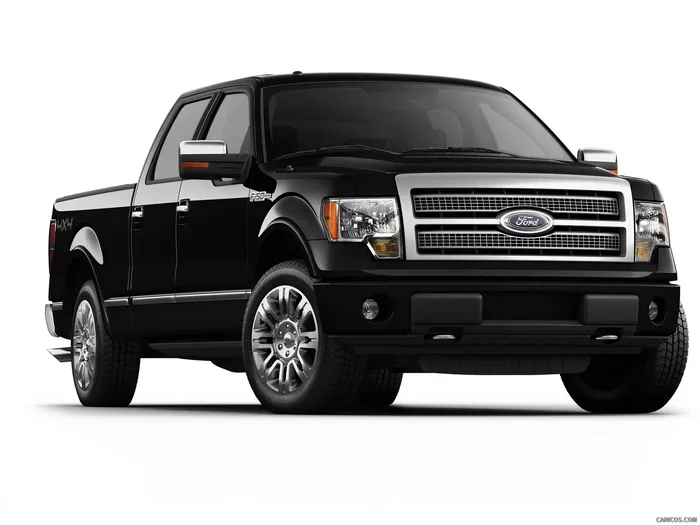
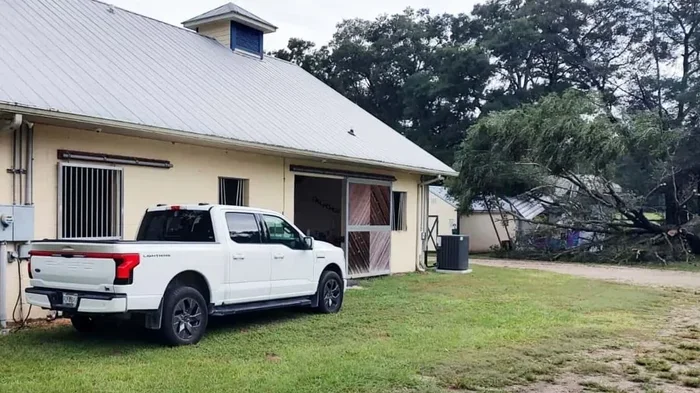
Yes, a Ford F-150 can power a house during a grid outage using its built-in Pro Power Onboard system or an external generator setup. The F-150 delivers up to 9.6 kilowatts of power from its 240-volt outlet, enough to run essential household appliances like refrigerators, lights, and medical devices. This guide covers everything you need to know about using your truck as a reliable backup power source.
Key Takeaways
- Built-in Power: The F-150’s Pro Power Onboard system provides up to 9.6 kW of household-grade electricity without any extra equipment.
- Versatile Fuel Options: PowerBoost hybrid models offer extended runtime thanks to both gas and electric power sources.
- Essential Appliances Run Easily: A fridge, lights, sump pump, and Wi-Fi router all fit well within the F-150’s output capacity.
- Simple Setup: You just need a transfer switch or direct cord connection to route power into your home.
- Fuel Economy Matters: Running your F-150 as a generator uses fuel, so planning for runtime is essential.
- Safety First: Always use proper wiring and never backfeed into your home’s main panel without a transfer switch.
📑 Table of Contents
- How a Ford F-150 Can Power Your Home When the Grid Goes Down
- Understanding the Ford F-150’s Power Output and Capabilities
- What Household Appliances Can an F-150 Run?
- Setting Up Your Ford F-150 for Home Backup Power
- Pros and Cons of Using an F-150 as a Home Generator
- Expert Tips for Maximizing Your F-150’s Power During an Outage
- Common Mistakes to Avoid When Using Your F-150 as a Generator
- Final Thoughts: Is Using an F-150 to Power Your House Worth It?
How a Ford F-150 Can Power Your Home When the Grid Goes Down
Power outages are more common than most people think. Storms, equipment failures, and even planned grid shutdowns can leave your home dark for hours or days. When that happens, you need a reliable backup plan fast. Many homeowners are now asking a simple but powerful question: can a Ford F-150 power a house?
The short answer is yes. The Ford F-150 is not just a work truck anymore. Modern F-150 models come equipped with serious power capabilities that can keep your lights on, your food cold, and your devices charged. Whether you own a standard gasoline model or the hybrid PowerBoost version, your truck might be the best backup generator you never knew you had.
This article breaks down exactly how the F-150 can deliver emergency electricity to your home. You will learn about power output numbers, what appliances you can run, how to set everything up safely, and what the pros and cons are. By the end, you will know if your F-150 is a practical solution for home backup power during your next outage.
Why This Matters Now More Than Ever
Extreme weather events are on the rise across the country. From hurricanes in the Southeast to ice storms in the Midwest, power grids are under increasing strain. Many families have learned the hard way that waiting for utility companies to restore power can take days. Having a personal off-grid power solution is no longer a luxury. It is a smart investment in your family’s comfort and safety.
The Ford F-150 sits in a unique position here. It is the best-selling truck in America for a reason. Millions of households already own one. That means a huge number of people could tap into their truck’s hidden power potential without buying a separate generator. Let us walk through exactly how this works.
Understanding the Ford F-150’s Power Output and Capabilities
To understand if your F-150 can run your home, you need to know what kind of power it actually produces. Not every F-150 is the same when it comes to electrical output. The capabilities depend on your specific model year, engine type, and trim level.
The Pro Power Onboard System
Ford introduced the Pro Power Onboard system as a built-in generator feature. This system uses the truck’s battery and inverter technology to convert DC power from the battery into AC power your home appliances can use. Think of it as a large, portable inverter generator baked right into the truck.
Here are the key numbers you should know:
- Standard Output: Most Pro Power Onboard systems deliver 2.0 kW to 2.4 kW from a 120-volt outlet.
- High Output: Some configurations, especially with the PowerBoost hybrid, push up to 9.6 kW from a 240-volt outlet.
- Outlet Type: The system uses a NEMA 14-50 outlet, which is the same type used for electric dryers and stoves.
PowerBoost Hybrid vs. Standard Gas Models
The Ford PowerBoost hybrid drivetrain is the star player here. It combines a 3.5-liter V6 engine with an electric motor and a large battery pack. This setup gives the truck both towing muscle and serious electrical generation capability. The hybrid battery acts as a massive energy reserve that can feed power into your home for extended periods.
Standard gas-only F-150 models also offer Pro Power Onboard, but the output is typically lower. You will still get enough juice to run essentials, but you will not get the same extended runtime or high-wattage capacity that the hybrid provides. If your goal is to power a house for more than a few hours, the PowerBoost hybrid is the better choice.
How Long Can the F-150 Run?
Runtime depends on fuel tank size and load. The F-150 has a fuel tank that holds between 23 and 36 gallons depending on the model. At a moderate load of around 2 kW, a standard tank could keep the system running for well over 24 hours. At higher loads closer to 9.6 kW, you will burn through fuel faster. Planning for refueling is part of using your truck as a home backup power source.
What Household Appliances Can an F-150 Run?
Knowing the power numbers is one thing. But what does that mean in real life? What can you actually plug into your F-150 and keep running during an outage? Let us break this down by appliance and wattage.
Essential Items You Can Easily Run
Most household essentials use between 500 and 2,000 watts combined. The F-150’s Pro Power Onboard system can handle all of these without breaking a sweat:
- Refrigerator: Uses about 600 to 800 watts to keep your food cold.
- Lights: LED bulbs use only 10 to 15 watts each. You can run 20 or more lights easily.
- Wi-Fi Router and Modem: These draw less than 30 watts combined.
- Sump Pump: Uses around 1,000 to 1,300 watts, critical during flooding.
- Laptops and Phones: Charging devices uses very little power, usually under 100 watts total.
- Medical Equipment: CPAP machines and oxygen concentrators run on 300 to 500 watts.
Higher-Wattage Appliances
With the 9.6 kW high-output configuration, you can also run some heavier-duty items. However, you need to be smart about what you plug in at the same time:
- Microwave Oven: Uses about 1,000 to 1,500 watts.
- Window Air Conditioner: A small unit draws around 1,000 to 1,500 watts.
- Electric Stove Burner: Uses about 1,500 watts per burner.
- Space Heater: A 1,500-watt heater will eat up a big chunk of your available power.
The key is to prioritize. Start with your fridge, medical devices, and lights. Then add other items one at a time while monitoring your total draw. You do not want to overload the system and trip a breaker.
What You Should NOT Run
There are some things that are simply beyond what an F-150 can handle. A central air conditioning system, a full electric oven, or an electric water heater will pull far more power than the truck can provide. These heavy loads require a whole-house generator or a connection to the grid. Trying to run them through your F-150 could damage the inverter or trip the system off.
Setting Up Your Ford F-150 for Home Backup Power
Getting power from your F-150 into your house is straightforward, but it does require some preparation. You have a few different setup options depending on your needs and budget.
Option 1: Direct Cord Connection
The simplest method is to run an extension cord from the truck’s Pro Power Onboard outlet directly into your home. Here is how to do it safely:
- Park your F-150 outside, at least five feet from any open windows or doors.
- Turn the truck on and activate the Pro Power Onboard system.
- Plug a heavy-duty extension cord into the truck’s 240-volt outlet.
- Run the cord into your home and plug it directly into the appliance you want to power.
This method works great for running a few essentials. It is cheap, simple, and requires no special installation. The downside is that you can only power items connected to that one cord.
Option 2: Manual Transfer Switch
A manual transfer switch gives you more flexibility. This device connects your truck’s power output to your home’s electrical panel. You can then choose which circuits get power during an outage. Common circuits to backfeed include your kitchen outlets, refrigerator circuit, lights, and furnace blower.
Installing a transfer switch requires a licensed electrician. The cost typically runs between $500 and $1,500 for parts and labor. It is a worthwhile investment if you plan to use your F-150 as a regular backup power source.
Option 3: Interlock Kit
An interlock kit is a more permanent and affordable alternative to a full transfer switch. It prevents backfeed into the grid, which is a serious safety hazard. The kit mounts on your electrical panel and allows you to switch between grid power and generator power safely. This is the method most electricians recommend for homeowners who want a reliable setup.
Quick Tips for Safe Setup
- Always use a surge protector to shield your appliances from power spikes.
- Never connect your truck directly to your home’s main panel without a transfer switch or interlock kit.
- Keep the truck in a well-ventilated area. Exhaust fumes contain carbon monoxide, which is deadly.
- Check your F-150’s owner manual for specific Pro Power Onboard instructions for your model year.
Pros and Cons of Using an F-150 as a Home Generator
Like any backup power solution, using your Ford F-150 has advantages and limitations. Understanding both sides helps you make an informed decision.
The Pros
- You Already Own It: If you have an F-150, you have a backup power source sitting in your driveway. No extra purchase needed.
- Clean and Quiet: Pro Power Onboard is much quieter than a traditional gasoline generator. You can run it overnight without disturbing neighbors.
- Dual Purpose: Your truck still tows, hauls, and drives. It is not dedicated solely to power generation.
- Fuel Flexibility: PowerBoost hybrid models can run on electric power alone for short periods, saving fuel.
- High Output: The 9.6 kW capability is enough for most household essentials and even some mid-range appliances.
The Cons
- Fuel Consumption: Running your truck for hours burns through gasoline quickly. Long outages mean multiple refueling trips.
- Limited Runtime on Standard Models: Non-hybrid F-150s have lower output and shorter effective runtime.
- Weather Exposure: You need to park the truck outside, which means it is exposed to the same storm conditions causing the outage.
- Setup Cost: A transfer switch or interlock kit adds upfront cost even though you are using equipment you already own.
- Not a Whole-Home Solution: The F-150 cannot power an entire house with heavy electrical loads like central AC or an electric water heater.
How It Compares to a Portable Generator
A standard portable generator costs $500 to $1,500 and provides 3 to 7 kW of power. It is purpose-built for backup electricity. However, it is loud, produces fumes, and requires its own fuel storage. The F-150 offers a quieter, cleaner, and more versatile alternative. You get the added benefit of a functional vehicle alongside your power source.
| Feature | Ford F-150 (Pro Power) | Portable Generator |
|---|---|---|
| Max Output | 9.6 kW | 3-7 kW |
| Noise Level | Very Quiet | Loud |
| Fuel Source | Gas or Hybrid Electric | Gasoline Only |
| Dual Purpose | Yes (Truck + Generator) | No (Generator Only) |
| Setup Complexity | Moderate | Simple |
| Runtime per Tank | 12-24+ Hours | 8-12 Hours |
| Upfront Cost | Already Owned | $500-$1,500 |
Expert Tips for Maximizing Your F-150’s Power During an Outage
Getting the most out of your F-150 during a power outage comes down to smart planning and efficient energy use. A few proven strategies can stretch your runtime and keep your home comfortable longer.
Reduce Your Electrical Load
The less power you need, the longer your F-150 can run. Before an outage hits, take these steps:
- Switch all bulbs to LED. They use up to 75% less energy than traditional bulbs.
- Unplug non-essential devices. Even on standby, electronics draw small amounts of power.
- Keep your refrigerator and freezer doors closed. A full fridge stays cold for hours without power.
- Use natural light during the day and dress warmly to reduce the need for space heaters.
Monitor Your Fuel Level
Set a reminder to check your fuel gauge every few hours during an outage. A full tank gives you the best runtime. Keep a gas can or two stored safely outside your home for quick refueling. Never refill the truck while the engine is running or the inverter is active.
Use Power Wisely
Stagger your appliance use. Do not run the microwave, coffee maker, and space heater all at the same time. Start with the essentials first, then add other items as needed. If you have a PowerBoost hybrid, you can also switch to electric-only mode for quiet, fuel-free power during lighter loads.
Keep Your Truck Maintained
A well-maintained F-150 is a reliable F-150. Make sure your oil is fresh, your battery is in good condition, and your Pro Power Onboard system has been tested. Run the system briefly every few months to keep everything in working order. You do not want to discover a problem during an actual emergency.
Expert Insight from Electricians
Many electricians now recommend the F-150 as a legitimate backup power option for homeowners. The key is proper installation of a transfer switch or interlock kit. This ensures your home’s electrical system is safe and your truck’s inverter is protected. Always consult a licensed professional before connecting any generator to your home’s wiring.
Real-World Scenarios Where the F-150 Shines
Homeowners across the country have used their F-150s to weather power outages successfully. Here are a few common scenarios where this setup works best:
- Summer Storms: A 9.6 kW F-150 can keep your fridge running, lights on, and a window AC unit going through a multi-day outage.
- Winter Ice Storms: Power your furnace blower, lights, and phone chargers to stay warm and connected during freezing conditions.
- Rural Property Owners: For homes on rural grids where outages last longer, the F-150’s fuel capacity and high output make it a practical solution.
- Camping and Tailgating: Even short outings benefit from the quiet, clean power of Pro Power Onboard for lights, cooking, and device charging.
Common Mistakes to Avoid When Using Your F-150 as a Generator
Even with the best intentions, mistakes happen. Here are the most common errors homeowners make and how to avoid them.
- Skipping the Transfer Switch: Backfeeding power directly into your home’s panel without a transfer switch is extremely dangerous. It can electrocute utility workers and damage your electrical system.
- Overloading the Circuit: Plugging too many high-wattage appliances into one outlet will trip the breaker. Spread your loads across available outlets and circuits.
- Running the Truck in an Enclosed Space: Carbon monoxide from exhaust is odorless and deadly. Always run your F-150 outside with proper ventilation.
- Forgetting to Turn Off Pro Power Before Driving: Leaving the inverter on while driving can drain your battery and damage the system.
- Ignoring Fuel Management: Running out of fuel mid-outage leaves you in the dark. Always keep extra fuel on hand.
Final Thoughts: Is Using an F-150 to Power Your House Worth It?
The answer depends on your situation. If you already own a Ford F-150, especially a PowerBoost hybrid model, you have a surprisingly capable backup power source at your fingertips. The Pro Power Onboard system delivers enough electricity to run your essential household appliances during an outage. It is quiet, clean, and does not require purchasing a separate generator.
For homeowners in areas prone to frequent power outages or those who live in rural areas with unreliable grid access, the F-150 offers real value. It gives you home resilience and peace of mind. You know you have a plan when the lights go out.
That said, the F-150 is not a replacement for a whole-house standby generator. It works best as a short- to medium-term backup solution. It handles essentials beautifully but cannot power every appliance in your home at once. Understanding its limits and planning accordingly is the key to success.
If you want to make the most of your truck’s power, invest in a good transfer switch, stock up on fuel, and learn your system before you need it. A little preparation goes a long way when the grid goes down. Your Ford F-150 is ready to help. You just need to know how to use it.
The bottom line is this: yes, a Ford F-150 can absolutely power a house when the grid goes down. It is one of the most versatile backup power options available to homeowners today. With the right setup and a bit of planning, your truck becomes more than just a vehicle. It becomes your family’s safety net during the darkest times.
Frequently Asked Questions
Can any Ford F-150 power a house?
Most F-150 models from 2021 and newer offer the Pro Power Onboard system. However, the power output varies by trim and engine. The PowerBoost hybrid delivers the highest output at up to 9.6 kW, making it the best choice for powering a house. Standard gasoline models offer lower output but can still run essential appliances.
How long can a Ford F-150 run as a generator?
Runtime depends on your fuel tank size and the electrical load. With a moderate load of 2 kW, a standard F-150 can run for 12 to 24 hours on a full tank. Higher loads like 9.6 kW will reduce runtime significantly. Keeping a backup fuel supply helps extend your total runtime during longer outages.
Do I need a transfer switch to connect my F-150 to my home?
Yes, you should always use a manual transfer switch or an interlock kit. These devices prevent backfeed into the utility grid, which is extremely dangerous for line workers and can damage your electrical system. They also protect your F-150’s inverter from electrical surges.
Can the F-150 power central air conditioning?
No, a central air conditioning system typically requires 5,000 watts or more to start and 3,000 to 5,000 watts to run continuously. The F-150’s Pro Power Onboard system cannot handle this load. A window unit or portable AC is a better match for the truck’s power output.
Is it safe to run my Ford F-150 overnight for power?
Yes, it is safe as long as you follow basic safety precautions. Park the truck outside in a well-ventilated area, away from windows and doors. Never run it in a garage, even with the door open. The Pro Power Onboard system is designed for extended use and will automatically shut off if it detects an issue.
Does using the F-150 as a generator void the warranty?
Ford designed the Pro Power Onboard system specifically for backup power use. Using it as intended should not void your warranty. However, improper installation or misuse, such as backfeeding into your home’s panel without a transfer switch, could void coverage for electrical components. Always follow the owner’s manual guidelines.