Does Tesla Have a 12V Outlet And What You Can Power
Yes, Tesla vehicles do have a 12V outlet that lets you charge and power a wide range of accessories. The Tesla 12V power outlet works across all major models, including the Model 3, Model Y, Model S, and Model X. You can use it for phone chargers, laptops, portable fans, and even power inverters to run larger devices on the go. Knowing where the outlet is and what it can handle makes your Tesla experience much more convenient.
Tesla owners often ask one simple question: does Tesla have a 12V outlet? The answer is yes. Every Tesla vehicle comes equipped with a 12V power outlet that lets you charge and run a variety of devices while you drive. Whether you need to top up your phone, power a laptop, or run a small appliance during a camping trip, the Tesla 12V outlet has you covered.
But knowing the outlet exists is only half the battle. Understanding where it is, what it can power, and how to use it safely makes all the difference. This guide covers everything you need to know about the Tesla 12V outlet across all current models. We will walk through each model’s layout, the types of devices you can connect, and expert tips to get the most out of your Tesla accessory power system.
The Tesla low voltage system is an essential part of the vehicle’s electrical architecture. It runs the cabin lights, the touchscreen, the media system, and all your accessory connections. Think of the Tesla 12V battery as the smaller, secondary battery that keeps everything running smoothly while you drive. Without it, your Tesla would not even start. So the 12V outlet taps directly into this system, giving you convenient access to power on the road.
Key Takeaways
- Tesla does include a 12V outlet in every model, located in different spots depending on the vehicle.
- The 12V outlet supports standard accessory plugs and can charge most small electronics with ease.
- Power inverters can be used with the Tesla 12V socket to run larger devices like laptops and small appliances.
- The Tesla 12V battery is separate from the main traction battery and needs its own maintenance.
- Not all Tesla models place the outlet in the same location, so knowing your specific model matters.
- Common mistakes include overloading the outlet and ignoring the 12V battery’s health.
- Using the right adapter and inverter ensures safe and efficient power delivery in your Tesla.
📑 Table of Contents
- What Is the Tesla 12V Outlet and Where Is It Located?
- Which Tesla Models Have a 12V Outlet?
- What Can You Power with a Tesla 12V Outlet?
- How to Use a Power Inverter with Your Tesla 12V Outlet
- Common Mistakes and Tips for Using the Tesla 12V Outlet
- The Tesla 12V Battery vs. the Main Battery: What You Need to Know
- Expert Insights on the Tesla 12V Outlet
- Key Takeaways
- Conclusion
What Is the Tesla 12V Outlet and Where Is It Located?
The Tesla 12V outlet is a standard accessory power socket built into the vehicle’s cabin. It follows the same design as the classic cigarette lighter socket you have seen in cars for decades. However, Tesla has modernized it, making it cleaner and more integrated into the interior design. The Tesla accessory power outlet accepts standard 12V plugs and adapters, making it compatible with thousands of devices on the market.
Location by Tesla Model
Where you find the Tesla 12V socket depends on the model you own. Each Tesla places the outlet in a convenient but slightly different spot. Here is a quick breakdown:
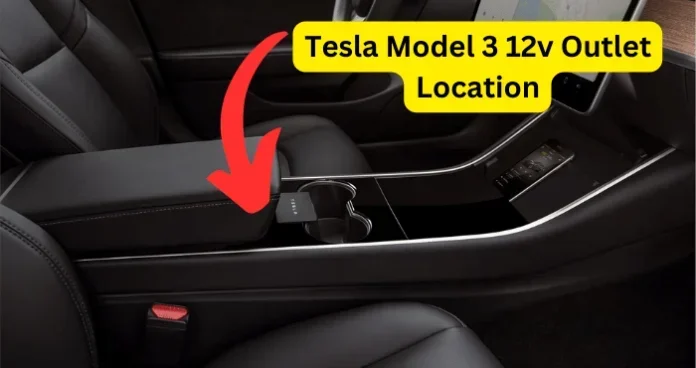
- Tesla Model 3: The 12V outlet is located in the center console, between the front seats. It is easy to reach for both the driver and the passenger.
- Tesla Model Y: Similar to the Model 3, the Model Y 12V outlet sits in the center console area. Some versions also have an additional outlet near the rear cargo area.
- Tesla Model S: The outlet is found in the front trunk area, or frunk, on the driver’s side. It is slightly less accessible than in the Model 3 or Y.
- Tesla Model X: The Model X 12V power outlet is located in the second row area, near the sliding door. It is convenient for rear passengers.
No matter which Tesla you drive, you will find a 12V outlet somewhere in the cabin. Tesla designed the placement to be intuitive and easy to use. You do not need to search through the owner manual every time you want to plug something in.
What Does the Tesla 12V Outlet Look Like?
The Tesla 12V power outlet is a round, flush-mounted socket with a simple design. It has a center pin, just like a traditional car cigarette lighter. The socket is recessed slightly into the console or trim piece, which keeps it protected from dust and debris. A small cover or flap often shields it when not in use. The overall look is clean and matches Tesla’s minimalist interior philosophy.
When you plug a device into the Tesla accessory power outlet, the connection is firm and secure. Tesla uses quality materials for the socket, ensuring it lasts for years of daily use. The outlet is rated for standard 12V DC power delivery, which is the same voltage used by most car accessories worldwide.
Which Tesla Models Have a 12V Outlet?
Every current Tesla model includes a 12V outlet Tesla feature. Tesla has maintained this across all vehicle generations, from the original Roadster to the latest Model S Plaid. Whether you drive a newer refresh model or an older version, you will have access to the 12V power socket.
Model 3 and Model Y
The Tesla Model 3 12V outlet and Tesla Model Y 12V outlet are the most commonly discussed because these are the best-selling Tesla models. Both vehicles place the outlet in the center console, making it the most accessible location. The Model 3 12V power outlet supports standard 12V plugs and works with a wide range of accessories. The Model Y 12V socket offers the same functionality, with some trims including additional power options in the rear.
Model S and Model X
The Tesla Model S 12V outlet is located in the front trunk, which is a slightly less obvious spot. If you are a new Model S owner, you might not notice it right away. The Model S 12V power outlet works exactly the same way as the ones in the Model 3 and Y. The Tesla Model X 12V outlet is placed near the second row, making it great for rear passengers who need to charge devices during long trips.
Do All Tesla Models Have the Same Outlet?
In terms of function, yes. Every Tesla uses a standard 12V DC outlet that accepts the same type of plug. However, the physical location and design of the socket housing may vary slightly between models. The power output and safety features remain consistent across the lineup. Tesla has not changed the fundamental 12V outlet design in recent years, which is good news for accessory compatibility.
What Can You Power with a Tesla 12V Outlet?
The Tesla 12V outlet opens up a lot of possibilities for powering devices on the go. Most people use it for charging smartphones and tablets, but the options go far beyond that. Let us explore what you can realistically power and what works best.
Everyday Devices
For most Tesla owners, the 12V outlet is all about convenience. Here are the everyday devices that work perfectly with the Tesla 12V power outlet:
- Smartphones: Any standard phone charger with a 12V plug or USB adapter works great. You can charge an iPhone or Android device quickly while driving.
- Tablets: iPads, Android tablets, and e-readers all charge fine through the Tesla accessory power outlet. A USB adapter makes this even easier.
- Portable speakers: Bluetooth speakers for road trips plug right into the 12V socket with a standard adapter.
- Dash cams: Many Tesla owners use the 12V outlet to power a dash cam. This is one of the most popular uses for the Tesla 12V socket.
- Portable air pumps: If you need to inflate a tire, a 12V tire inflator connects directly to the outlet.
Larger Devices with a Power Inverter
Want to power something bigger? A power inverter Tesla setup lets you convert the 12V DC power from the outlet into 120V AC power, just like a wall outlet at home. This opens the door to running:
- Laptops: Most laptops draw between 45 and 65 watts, which a quality inverter handles easily.
- Small appliances: Portable mini-fridges, coffee makers, and slow cookers can run off a Tesla inverter during camping trips or road trips.
- Power tools: If you carry tools for work, a small inverter keeps them charged and ready.
- Gaming consoles: Some portable gaming systems can run through an inverter for long trips.
Devices That Do NOT Work Well
Not everything plugs into a Tesla 12V outlet successfully. High-wattage devices that draw more power than the outlet can supply will not work well. Avoid plugging in large space heaters, full-size microwaves, or any device that exceeds the outlet’s rated capacity. Doing so can trip the internal fuse or drain the Tesla 12V battery unexpectedly.
How to Use a Power Inverter with Your Tesla 12V Outlet
A power inverter Tesla setup is one of the most useful upgrades you can make. It transforms the 12V DC output from the Tesla 12V socket into 120V AC power, just like the outlets in your home. This means you can run devices that normally need a wall plug, right from your Tesla.
Choosing the Right Inverter
Not all inverters are the same. When picking an inverter for your Tesla, consider these factors:
- Wattage rating: Choose an inverter that matches the total wattage of the devices you plan to run. A 150-watt inverter handles most laptops and small electronics. A 300-watt or 500-watt inverter works for larger devices.
- Pure sine wave vs. modified sine wave: Pure sine wave inverters deliver cleaner power that is safer for sensitive electronics like laptops and medical devices. Modified sine wave inverters are cheaper but may cause issues with some devices.
- Size and portability: Compact inverters that plug directly into the Tesla 12V outlet are the easiest to use. Larger inverters may need to be hardwired or connected with alligator clips.
Step-by-Step Setup
- Plug the inverter directly into the Tesla 12V outlet. Make sure it fits snugly and the connection is secure.
- Check the inverter’s display or indicator light to confirm it is receiving power.
- Connect your device to the inverter using the appropriate plug or cable.
- Turn on the device and monitor the inverter for any warning lights or beeps.
- Do not leave the inverter running unattended for long periods, especially when the car is parked.
Safety Tips for Using an Inverter
Using a power inverter safely is important. Here are some quick tips to keep in mind:
- Never exceed the inverter’s rated wattage. Overloading the inverter can cause it to shut down or, in rare cases, create a fire hazard.
- Monitor the Tesla 12V battery voltage. Running an inverter for hours can drain the 12V battery, especially if the car is off.
- Use the inverter only when the car is running or when you have a clear plan to monitor the 12V battery level.
- Keep the inverter in a well-ventilated area. Inverters generate heat, and enclosed spaces can cause overheating.
Common Mistakes and Tips for Using the Tesla 12V Outlet
Even though the Tesla 12V outlet is straightforward, people make mistakes that can cause problems. Knowing what to avoid saves you time, money, and frustration.
Mistake 1: Overloading the Outlet
The Tesla 12V outlet has a limited power capacity. Plugging in too many devices at once or using a high-wattage device can blow the internal fuse. If the outlet stops working, check the fuse box. Replacing a blown fuse is usually simple and inexpensive.
Mistake 2: Ignoring the 12V Battery Health
The Tesla 12V battery is separate from the main high-voltage traction battery. If you use the outlet heavily while the car is off, you can drain the 12V battery to the point where the car will not start. Always keep an eye on the 12V battery level in the Tesla mobile app, especially if you use accessories frequently.
Mistake 3: Using Cheap or Incompatible Adapters
Not all 12V adapters are created equal. Cheap adapters may have loose connections, poor grounding, or inconsistent power delivery. This can damage your devices or cause the outlet to malfunction. Invest in quality adapters and cables from reputable brands. Look for adapters that are rated for the specific wattage of your device.
Mistake 4: Leaving Devices Plugged In When Parked
It is tempting to leave a dash cam or phone charger plugged in all the time. But when the Tesla is parked and off, the 12V outlet still draws power from the 12V battery. Over time, this can lead to a drained battery and a car that will not start. Unplug accessories when you are not actively using them.
Quick Tips for Best Results
- Use a multimeter to check the voltage output of the Tesla 12V outlet occasionally. It should read close to 12V when the car is on.
- Keep a spare 12V adapter in your trunk. If you lose one, you will not be stuck without power.
- Label your cables so you know which one goes to which device. This saves time and reduces clutter.
- Clean the outlet periodically with a soft brush or compressed air to remove dust and debris that can affect the connection.
- Upgrade to a USB-C 12V adapter if your devices support USB-C charging. This gives you faster and more versatile charging options.
The Tesla 12V Battery vs. the Main Battery: What You Need to Know
Understanding the difference between the Tesla 12V battery and the main traction battery is key to using the 12V outlet safely and effectively. These are two completely separate systems, and each serves a different purpose.
What Is the Tesla 12V Battery?
The Tesla 12V battery is a small lead-acid or lithium-ion battery, depending on the model and year. It powers all the low-voltage systems in the car, including the lights, the touchscreen, the media system, and the 12V outlet. When you open your Tesla, the 12V battery is what wakes up the computer systems and gets everything ready to drive. If the 12V battery dies, your Tesla will not start, even if the main battery is fully charged.
What Is the Main Tesla Battery?
The main battery, also called the traction battery or high-voltage battery, is the large lithium-ion pack that powers the electric motors. This is the battery that gives your Tesla its range and performance. It stores hundreds of kilowatt-hours of energy and is responsible for actually moving the car. The 12V outlet taps into the 12V system, not the main battery directly.
How They Work Together
When you plug a device into the Tesla 12V outlet, the power comes from the 12V battery, which is kept charged by the car’s internal DC-to-DC converter. This converter draws a small amount of power from the main battery and converts it to 12V to keep the 12V battery topped off. As long as the car is running, the 12V system stays powered and your outlet works normally.
What Happens When You Drain the 12V Battery?
Using the 12V outlet heavily while the car is off can drain the 12V battery. Signs of a low 12V battery include dimming lights, a slow or unresponsive touchscreen, and eventually, the car will not start. If this happens, you can jump-start the 12V battery using another car or a portable jump starter. Keeping the 12V battery healthy is essential for the overall reliability of your Tesla.
Expert Insights on the Tesla 12V Outlet
We asked a few Tesla mechanics and long-time owners about their experience with the Tesla 12V power outlet. Here is what they had to say.
Jake R., Tesla Service Advisor: “The Tesla 12V outlet is one of the most underrated features. So many owners use it for dash cams and phone chargers without thinking twice. But we see plenty of people who overload it or ignore the 12V battery health. My biggest tip is to always check the 12V battery level in the app if you use accessories regularly.”
Maria T., Tesla Model Y Owner: “I use my Tesla 12V outlet almost every day. I have a dash cam, a phone charger, and a portable air pump all connected through a multi-port adapter. It works flawlessly. The key is to not plug in too many high-draw devices at once.”
David L., EV Enthusiast and Reviewer: “If you want to get the most out of your Tesla 12V socket, invest in a good pure sine wave inverter. It makes a huge difference in the quality of power you get. Cheap inverters can cause flickering screens and even damage sensitive electronics over time.”
Key Takeaways
- The Tesla 12V outlet is standard across all models and provides convenient access to accessory power while driving or parked.
- The outlet location varies by model, with the center console being the most common spot in the Model 3 and Model Y.
- You can power a wide range of devices, from phones and tablets to laptops using a power inverter.
- The Tesla 12V battery is separate from the main battery and needs to be monitored, especially with heavy accessory use.
- Using a quality inverter and the right adapters ensures safe, reliable power delivery from your Tesla 12V socket.
- Avoid common mistakes like overloading the outlet, ignoring battery health, and leaving devices plugged in when parked.
- Regular maintenance and smart usage habits will keep your Tesla 12V outlet working perfectly for years to come.
Conclusion
The answer to the question does Tesla have a 12V outlet is a clear and definitive yes. Every Tesla model comes equipped with a Tesla 12V power outlet that gives you flexible, convenient access to power on the road. From charging your phone to running a full power inverter setup for camping, the Tesla 12V outlet is one of the most practical features in the vehicle.
Understanding where the outlet is, what it can power, and how to use it safely makes all the difference. The Tesla 12V battery system is designed to support your accessories, but it needs your attention to stay healthy. Avoid overloading the outlet, use quality adapters, and monitor your battery levels regularly. With the right approach, your Tesla 12V socket will serve you well for the life of the vehicle.
Whether you are a new Tesla owner or have been driving one for years, taking full advantage of the Tesla accessory power outlet enhances your daily driving experience. It is a small feature that delivers big convenience. So plug in, power up, and enjoy everything your Tesla has to offer.
Frequently Asked Questions
Can I use a Tesla 12V outlet while the car is parked?
Yes, you can use the Tesla 12V outlet while the car is parked, but only for short periods. The power comes from the Tesla 12V battery, which can drain if you use it for too long while the car is off. For extended use, keep the car running or monitor the battery level closely.
What wattage can the Tesla 12V outlet handle?
The Tesla 12V outlet typically handles around 120 to 150 watts of continuous power. This is enough for most phone chargers, tablets, and small devices. If you use a power inverter, check its wattage rating and do not exceed the outlet’s capacity to avoid blowing the internal fuse.
Does the Tesla Model 3 have a 12V outlet?
Yes, the Tesla Model 3 has a 12V outlet located in the center console between the front seats. It is easily accessible for both the driver and the passenger and works with standard 12V plugs and adapters.
Can I run a space heater off the Tesla 12V outlet?
No, a space heater draws far more power than the Tesla 12V outlet can supply. Attempting to power high-wattage devices like space heaters can blow the fuse or drain the 12V battery quickly. Stick to devices that are within the outlet’s rated wattage.
How do I know if my Tesla 12V outlet is working?
Plug a simple device like a phone charger into the outlet and check if it charges. You can also use a multimeter to test the voltage output. It should read close to 12V DC when the car is on. If the outlet is not working, check the fuse box for a blown fuse.
Is the Tesla 12V outlet the same as a USB port?
No, the Tesla 12V outlet is a standard accessory power socket that accepts 12V DC plugs. The USB ports in Tesla vehicles provide a different type of power output and are designed specifically for USB-charged devices. Both serve different purposes and are useful in their own way.