How Does the Toyota Hybrid System Charge the Battery
The Toyota Hybrid System charges its battery through regenerative braking, the gasoline engine, and a clever power split device. Unlike plug-in EVs, Toyota hybrids self-charge while you drive, making them incredibly convenient for daily use. Understanding this process helps owners maintain efficiency and get the most from their Toyota hybrid battery.
The Toyota Hybrid System has revolutionized the way we think about fuel efficiency and clean driving. Millions of drivers worldwide trust Toyota hybrids to save money at the pump and reduce emissions. But have you ever wondered how the battery actually gets charged? It is not as simple as plugging in a cable. The system is brilliantly engineered to keep itself powered up while you go about your daily routine.
Understanding how your Toyota hybrid charges its battery gives you a deeper appreciation for the technology under the hood. It also helps you drive smarter and maintain your vehicle better. Whether you own a Toyota Prius, a Camry Hybrid, or another hybrid model, the charging process follows the same core principles. Let us break it all down in a way that is easy to follow.
This guide covers everything from regenerative braking to the role of the gasoline engine. You will learn about the smart systems that manage energy flow and discover practical tips to keep your hybrid battery healthy for years. By the end, you will have a complete picture of how the Toyota hybrid charging system works and why it is one of the best in the industry.
Key Takeaways
- Regenerative braking captures energy during deceleration and sends it back to the battery.
- The gasoline engine automatically kicks in to recharge the hybrid battery when needed.
- No plug-in charging is required for standard Toyota hybrids — they charge themselves.
- The power split device manages how energy flows between the engine, motor, and battery.
- Proper driving habits like gentle braking and smooth acceleration maximize battery health.
- Toyota’s Hybrid Synergy Drive is the smart system that ties everything together seamlessly.
- Battery longevity depends on maintenance, driving style, and environmental conditions.
📑 Table of Contents
- How the Toyota Hybrid Powertrain Works
- How Regenerative Braking Charges the Battery
- The Battery Management System Explained
- Do You Need to Plug In a Toyota Hybrid?
- Tips to Maximize Your Toyota Hybrid Battery Life
- Common Myths About Toyota Hybrid Charging
- What Happens When the Hybrid Battery Fails?
- Final Thoughts
How the Toyota Hybrid Powertrain Works
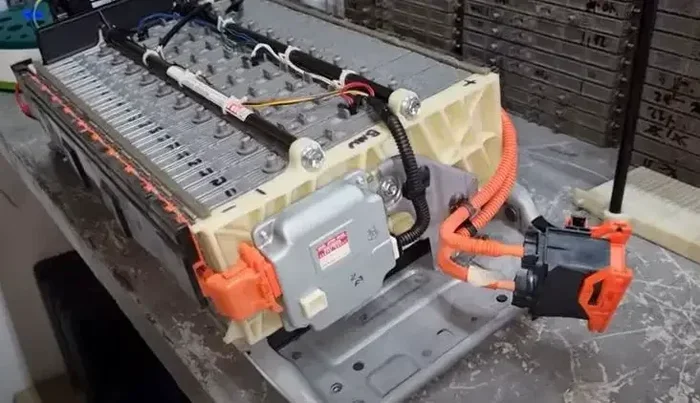
Before diving into the charging process, it helps to understand the basic components of a Toyota hybrid powertrain. The system uses two power sources: a gasoline engine and one or more electric motors. These work together seamlessly to provide power while maximizing fuel efficiency. The battery pack sits between these components, storing and releasing energy as needed.
The heart of the system is something called the power split device. This clever mechanism acts like a traffic controller for energy. It decides when to use the electric motor, when to use the gasoline engine, and when to send energy back to the battery. All of this happens automatically without any input from the driver.
The Role of the Electric Motor
The electric motor serves double duty in a Toyota hybrid. It drives the car at low speeds and during gentle acceleration. At the same time, it acts as a generator during braking and coasting. This dual function is what makes the hybrid charging process so efficient. The motor switches roles effortlessly, often within fractions of a second.
When you start your car, the electric motor typically handles the initial movement. This is why Toyota hybrids are so quiet at low speeds. The gasoline engine only engages when more power is needed, such as during highway driving or hard acceleration. This selective use of the engine is a big reason why Toyota hybrids achieve such impressive fuel economy.
How the Gasoline Engine Contributes
The gasoline engine does not just move the car. It also plays a direct role in charging the hybrid battery. When the battery charge drops below a certain level, the engine spins a generator to produce electricity. This electricity flows back into the battery pack, keeping it topped up. You do not need to do anything for this to happen — it is fully automatic.
Toyota engineers designed this system so that the engine and electric motor work as a team. During normal driving, the engine operates at its most efficient RPM. Any excess energy gets redirected to charge the battery. This constant balancing act is what gives Toyota hybrids their remarkable range and efficiency.
How Regenerative Braking Charges the Battery
Regenerative braking is the crown jewel of the Toyota hybrid charging system. It is the process of capturing energy that would otherwise be lost as heat during braking. Instead of wasting that energy, the system converts it back into electricity and stores it in the battery. This is a brilliant way to recycle energy and improve overall efficiency.
Here is how it works in simple terms. When you lift your foot off the accelerator or press the brake pedal gently, the electric motor reverses its role. It becomes a generator, using the momentum of the car to produce electricity. That electricity then flows into the battery pack for later use. The harder you brake, the more energy gets recovered.
What Happens During Everyday Driving
Think about your daily commute. You accelerate, cruise, slow down for traffic, and stop at intersections. Every time you slow down, regenerative braking is at work. Over the course of a typical drive, this energy recovery adds up significantly. It is one of the main reasons Toyota hybrids can achieve such high fuel efficiency ratings.
For city drivers, regenerative braking is especially beneficial. Stop-and-go traffic creates many opportunities for energy recovery. This is why hybrids often perform better in urban settings than on long highway trips. The frequent slowing and stopping keeps the battery constantly receiving small charges throughout the drive.
Limitations of Regenerative Braking
While regenerative braking is impressive, it has limits. At very high speeds or during emergency stops, traditional friction brakes take over. The regenerative system works best during gentle to moderate deceleration. Also, the amount of energy recovered depends on your driving speed and how often you brake.
Cold weather can also reduce the effectiveness of regenerative braking. In freezing temperatures, the battery chemistry slows down and accepts charge less efficiently. This is why some hybrid owners notice reduced fuel economy during winter months. But the system still works — it just operates at a slightly lower capacity.
The Battery Management System Explained
Toyota hybrids use a sophisticated battery management system (BMS) to oversee the charging process. This computer-controlled system monitors the battery’s state of charge, temperature, and overall health. It makes real-time decisions about when to charge, how much to charge, and when to draw power from the battery.
The BMS ensures the battery never overcharges or undercharges. It also protects the battery from extreme temperatures and excessive discharge. This intelligent management is a big reason why Toyota hybrid batteries last so long. Many owners report battery life well beyond 200,000 miles with proper care.
How the BMS Balances Energy Flow
The battery management system constantly juggles multiple tasks. It decides when to use stored battery power and when to recharge it. During light acceleration, it may draw power from the battery to assist the engine. During braking, it captures energy and sends it back. All of this happens invisibly and instantly.
The BMS also communicates with the engine control unit to optimize performance. If the battery is low, the system will allow the engine to run more frequently to recharge it. If the battery is full, the system relies more on electric power. This dynamic balancing is what makes Toyota hybrids feel so natural and effortless to drive.
Battery Temperature Management
Temperature plays a crucial role in battery performance and longevity. The BMS monitors battery temperature closely and adjusts charging rates accordingly. If the battery gets too hot, the system reduces charging power to prevent damage. If it gets too cold, the system may limit power output until the battery warms up.
Toyota hybrids use liquid cooling systems to maintain optimal battery temperature. This is more advanced than air-cooled systems found in some other hybrids. The liquid cooling helps the battery perform consistently in all weather conditions. It also contributes to the long lifespan that Toyota hybrid owners have come to expect.
Do You Need to Plug In a Toyota Hybrid?
One of the biggest advantages of a standard Toyota hybrid is that it does not need to be plugged in. The charging happens automatically through the methods we have already discussed. This is what sets conventional hybrids apart from plug-in hybrid electric vehicles (PHEVs) and fully electric vehicles. You simply fill up the gas tank and go.
The self-charging nature of Toyota hybrids is a major selling point. There is no need to find a charging station or install a home charger. The system handles everything for you. This convenience is especially appealing for people who cannot charge at home or who frequently take long road trips.
Plug-In Hybrids vs Standard Hybrids
It is worth noting that Toyota also offers plug-in hybrid models. These vehicles have larger batteries and can be charged from an external power source. However, they still use regenerative braking and the gasoline engine to charge as well. The plug-in option simply gives you the choice to charge faster or extend your electric-only range.
If you are considering a Toyota hybrid, the standard self-charging models are an excellent choice for most drivers. They offer the best of both worlds — electric-only driving for short trips and gasoline power for longer journeys. You get the efficiency benefits without the charging hassle.
Tips to Maximize Your Toyota Hybrid Battery Life
Taking care of your Toyota hybrid battery ensures it lasts for the life of the vehicle. While Toyota hybrid batteries are built to be durable, your driving habits and maintenance routine can influence longevity. Here are some practical tips to keep your battery in top shape.
Drive Smoothly and Anticipate Stops
Gentle driving benefits the hybrid battery in multiple ways. Smooth acceleration reduces strain on the electric motor and engine. Anticipating stops allows regenerative braking to capture energy gradually rather than relying on hard braking. Over time, this driving style preserves battery health and improves fuel economy.
Try to maintain a steady speed on highways when possible. Frequent speed changes cause the battery to cycle more often, which can wear it down faster. Coasting to decelerate instead of braking hard also maximizes energy recovery through regenerative braking.
Keep Your Battery at Moderate Charge Levels
The battery management system handles most of the work for you. But you can support it by avoiding situations that drain the battery completely. If you drive short trips frequently, the battery may not fully recharge between drives. Try to take longer drives occasionally to allow the system to fully cycle the battery.
On the other hand, constantly running the battery down to very low levels is not ideal either. The BMS protects against deep discharge, but keeping the charge in a moderate range is best for long-term health. Think of it like charging your phone — keeping it between 20% and 80% is generally the sweet spot.
Stay on Top of Maintenance
Regular maintenance keeps the entire hybrid system running smoothly. This includes checking the battery cooling system, inspecting electrical connections, and replacing engine air filters. A well-maintained vehicle charges and discharges the battery more efficiently. Follow your Toyota service schedule and address any warning lights promptly.
If you notice any unusual behavior, such as reduced fuel economy or warning lights on the dashboard, get your vehicle checked. Early detection of issues prevents minor problems from becoming major repairs. Toyota dealerships have specialized tools and training for hybrid systems.
Learn More About Your Hybrid
Understanding your specific model helps you get the most out of it. If you are curious about the inner workings of your hybrid, check out our detailed guide on how does a hybrid car work step by step. It covers the fundamentals in greater detail and helps you connect the dots between theory and real-world driving.
Also, if you are considering a used hybrid or wondering about battery reliability, you might find our article on how long can a hybrid sit without being driven helpful. It addresses common concerns about battery drain during periods of inactivity.
Common Myths About Toyota Hybrid Charging
There are several misconceptions about how Toyota hybrids charge their batteries. These myths can confuse potential buyers and lead to poor driving habits. Let us clear up some of the most common ones.
Myth 1: You need to plug in a Toyota hybrid to charge it. This is false for standard Toyota hybrids. The system charges itself through regenerative braking and the gasoline engine. Only plug-in hybrid models require external charging.
Myth 2: Hybrid batteries wear out quickly. Toyota hybrid batteries are designed to last the lifetime of the vehicle. Many owners exceed 200,000 miles without needing a battery replacement. The battery management system actively protects the battery from premature wear.
Myth 3: Regenerative braking replaces traditional brakes. Regenerative braking handles most deceleration, but traditional friction brakes are still present and essential. They take over during emergency stops and when the battery is fully charged. Both systems work together for safe and efficient braking.
Myth 4: You should avoid using electric-only mode. Using electric-only mode actually helps preserve the gasoline engine and reduces emissions. The system automatically switches between modes as needed. There is no harm in letting the car run on electric power when conditions allow it.
Myth 5: Hybrid batteries are expensive to replace. While battery replacement costs are higher than a standard car battery, prices have dropped significantly over the years. Many Toyota hybrid batteries now come with extended warranties of up to 10 years or 150,000 miles. And used batteries remain reliable for many more miles.
What Happens When the Hybrid Battery Fails?
Hybrid battery failure is rare but does happen over very high mileage or due to specific issues. When a battery degrades significantly, the vehicle may display warning lights or enter a protective mode. The gasoline engine may run more frequently as it compensates for the reduced battery support.
If you find yourself in this situation, you have options. Toyota offers genuine replacement batteries through dealerships. Aftermarket batteries are also available and can be more affordable. Some owners choose to refurbish their existing battery, which can be a cost-effective middle ground.
It is also worth noting that a failing hybrid battery does not mean the car becomes undrivable. The gasoline engine can still operate independently. However, fuel economy and performance will suffer. If you suspect battery issues, have a qualified technician diagnose the problem as soon as possible.
Final Thoughts
The Toyota Hybrid System is a masterclass in engineering and efficiency. From regenerative braking to intelligent battery management, every component works together to keep the battery charged and the vehicle running smoothly. You do not need to think about it — the system handles everything automatically while you enjoy a smooth, quiet, and fuel-efficient ride.
By understanding how the system works, you can become a better hybrid driver. Smooth driving habits, regular maintenance, and awareness of your battery’s health all contribute to a longer-lasting, more efficient vehicle. The Toyota hybrid is designed to be as low-maintenance as it is high-performing, and that is a big part of its enduring appeal.
If you want to dive deeper into hybrid technology, explore our article on can you drive a Prius without the hybrid battery for insights into what happens when battery power is compromised. And for those wondering about emergency situations, check out can you jump start a Toyota hybrid car to learn about backup options.
The future of driving is here, and Toyota hybrids continue to lead the way. Whether you are a new hybrid owner or considering your first one, knowing how the charging system works puts you ahead. Drive smart, maintain your vehicle, and enjoy the benefits of this remarkable technology for many miles to come.
Frequently Asked Questions
How long does a Toyota hybrid battery last?
Most Toyota hybrid batteries last between 150,000 and 200,000 miles, and many last even longer with proper care. The battery management system actively protects the battery from deep discharge and overheating. Regular maintenance and smooth driving habits can extend battery life significantly beyond the average lifespan.
Can you charge a Toyota hybrid at home?
Standard Toyota hybrids do not need to be plugged in. They charge automatically through regenerative braking and the gasoline engine. However, plug-in hybrid models from Toyota can be charged at home using a standard outlet or a dedicated charging station for faster charging.
Does regenerative braking really make a difference in battery charge?
Yes, regenerative braking makes a significant difference, especially in city driving. Every time you slow down or coast, the system captures energy and sends it back to the battery. Over a typical commute, this recovered energy can account for a meaningful portion of the battery’s charge.
What drains a Toyota hybrid battery the fastest?
Using heavy electrical accessories like the air conditioning at max power can drain the battery faster. Frequent short trips also prevent the battery from fully recharging. Extreme temperatures, both hot and cold, reduce battery efficiency and can accelerate degradation over time.
Is it safe to drive a Toyota hybrid in the rain?
Yes, it is completely safe. Toyota hybrid systems are designed and sealed to handle wet conditions, including driving through water and charging in the rain. The high-voltage components are heavily insulated and protected. The charging process continues normally regardless of weather conditions.
How can I tell if my Toyota hybrid battery is charging properly?
Most Toyota hybrids have a dashboard indicator that shows the battery charge level. If the charge stays within the normal range and your fuel economy remains consistent, the battery is likely charging properly. If you notice warning lights or a significant drop in fuel economy, have the system inspected by a qualified technician.
=== CONCLUSION ===
The Toyota Hybrid System is an elegant solution that keeps your battery charged without any effort on your part. Through regenerative braking, the gasoline engine, and smart battery management, the system ensures you always have the power you need. Understanding this process empowers you to drive more efficiently and take better care of your vehicle.
With proper maintenance and smart driving habits, your Toyota hybrid battery can last well over 200,000 miles. The self-charging convenience is one of the biggest advantages of owning a Toyota hybrid. You get the benefits of electric driving without the charging anxiety that comes with other vehicles.
Take what you have learned from this guide and apply it to your daily driving. Smooth acceleration, gentle braking, and regular maintenance go a long way. Your Toyota hybrid is built to last, and now you know exactly how it keeps itself powered up mile after mile.