Does the Check Engine Light Come On for a Toyota Oil Change
Yes, the check engine light can come on for a Toyota oil change, but not always. Most Toyotas use a separate maintenance required light or an oil change indicator instead. Understanding the difference between these dashboard warnings saves you time, money, and unnecessary trips to the shop.
You are driving your Toyota down the road, and suddenly a yellow or orange light pops up on your dashboard. Your heart drops a little. Is it serious? Do you need to pull over right now? And most importantly, does the check engine light come on for a Toyota oil change?
This is a question that Toyota owners ask all the time. The short answer is: it depends. Toyotas have multiple warning lights on the dashboard, and they each mean something different. The check engine light is not always the same as the maintenance required light or the oil change indicator. Understanding the difference can save you a lot of stress and unnecessary trips to the mechanic.
In this guide, we will walk through everything you need to know. We will cover why the check engine light comes on, how Toyotas handle oil change reminders, what each dashboard symbol means, and what you should do when a light appears. Whether you drive a Toyota Camry, a Toyota RAV4, or any other Toyota model, this article has you covered.
Key Takeaways
- Separate Lights Exist: Toyotas typically use a maintenance required light, not the check engine light, for oil changes.
- Check Engine Light Means Something Else: The check engine light usually signals a mechanical or sensor issue, not a routine oil change.
- Reset Is Often Needed: After an oil change, you may need to manually reset the oil change indicator on your Toyota.
- Driving With the Light On Varies: Whether you can safely drive depends on which light is on and what triggered it.
- Regular Maintenance Matters: Staying on top of oil changes prevents bigger problems and keeps your Toyota running smoothly.
- Professional Help Helps: A trusted mechanic or Toyota dealership can properly diagnose and clear any warning lights.
📑 Table of Contents
- Understanding Your Toyota Dashboard Warning Lights
- Does the Check Engine Light Come on for an Oil Change?
- How Toyota Handles Oil Change Reminders
- Common Reasons the Check Engine Light Comes On in Toyotas
- What to Do When the Check Engine Light Comes On
- Quick Tips for Toyota Owners
- Expert Insights on Toyota Warning Lights
- Key Takeaways
- Conclusion
Understanding Your Toyota Dashboard Warning Lights
Your Toyota dashboard is like a communication center. It tells you when something needs attention. But the symbols and lights can be confusing. Let us break down the most common lights related to oil changes and engine warnings.
The Check Engine Light
The check engine light is probably the most feared light on any dashboard. It looks like an engine shape and usually glows yellow or orange. When this light comes on, it means the onboard diagnostics system (OBD-II) has detected a problem.
Here is the key thing to understand: the check engine light does not typically come on just for a routine oil change. It is designed to alert you to issues like:
- Loose or faulty gas cap
- Oxygen sensor problems
- Catalytic converter issues
- Spark plug or ignition coil failures
- Mass airflow sensor malfunctions
- Engine misfires
So if your check engine light comes on right after an oil change, it is probably a coincidence. But it could also mean something went wrong during the service, like a loose oil cap or a sensor that was disturbed.
The Maintenance Required Light
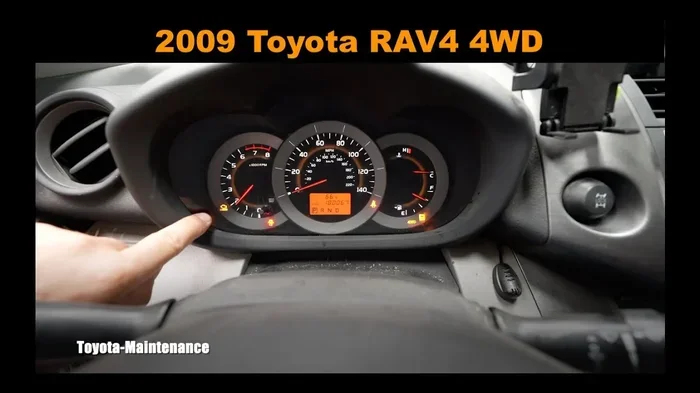
Most Toyotas use a separate light called the maintenance required light or the oil change indicator. This light usually looks like a wrench or the word “MAINT” on the dashboard display. This is the light that is specifically designed to remind you about your oil change schedule.
The maintenance required light is based on mileage intervals. Toyota sets these intervals based on driving conditions and the type of oil used. When your Toyota reaches the programmed mileage, this light comes on to tell you it is time for an oil change.
Here is an important distinction: the maintenance required light is not the same as the check engine light. They serve different purposes and are triggered by different systems.
The Oil Change Indicator
Some newer Toyota models have a dedicated oil change indicator that appears on the multi-information display. This is a more specific reminder that tells you exactly what service is due. It may display messages like “Oil Change Required” or “Maintenance Due.”
These indicators are part of Toyota’s smart maintenance system. They track your driving habits and adjust the oil change interval accordingly. If you drive in severe conditions, such as stop-and-go traffic or extreme temperatures, the system may remind you sooner.
You can learn more about how your car signals when you need an oil change in our detailed guide on does your car say when you need an oil change.
Does the Check Engine Light Come on for an Oil Change?
Now let us get to the heart of the question. Does the check engine light actually come on for a Toyota oil change? The answer is generally no, but there are exceptions.
Why the Check Engine Light Usually Does Not Come On for Oil Changes
In most cases, Toyotas use the maintenance required light or the oil change indicator for oil change reminders. The check engine light is part of the emissions and engine management system. It is not connected to the oil change schedule.
So if your check engine light comes on, it is almost always related to an engine, emissions, or sensor issue. It is not a routine maintenance reminder. The two systems operate independently in your Toyota.
When the Check Engine Light Might Come On During or After an Oil Change
There are a few situations where the check engine light might appear around the time of an oil change:
- Loose oil cap: If the oil cap is not tightened properly after an oil change, it can trigger the check engine light. This is one of the most common causes.
- Disturbed sensor: During an oil change, a mechanic might accidentally bump or disconnect a sensor, which can set off the check engine light.
- Pre-existing issue: The check engine light may have been on already, and the oil change just happened to coincide with it.
- Oil level sensor: Some Toyotas have an oil level sensor. If the oil level is low or overfilled after an oil change, the sensor may trigger a warning.
- Oil quality or type: Using the wrong type of oil, such as conventional oil instead of synthetic oil, can sometimes trigger sensor warnings in newer models.
If you notice the check engine light after an oil change, check your oil cap first. Make sure it is tight. If the light stays on, it is a good idea to have the codes read by a professional.
Can You Drive With the Check Engine Light On After an Oil Change?
This is a common concern for Toyota owners. If the check engine light comes on shortly after an oil change, you might wonder if it is safe to keep driving.
In most cases, if the light is steady (not flashing), you can drive a short distance to a safe location or a nearby service center. However, you should not ignore it. A steady check engine light usually means a non-emergency issue, but it still needs attention.
If the light is flashing, pull over safely and turn off the engine. A flashing check engine light indicates a more serious problem, such as an engine misfire, that could damage the catalytic converter. For more information on driving with the light on, check out our article on can I drive my Toyota Camry with the check engine light on.
How Toyota Handles Oil Change Reminders
Toyota has a built-in maintenance reminder system that is designed to keep track of your oil change interval. Understanding how this system works helps you know what to expect and when to act.
The Maintenance Required Light Explained
The maintenance required light is Toyota’s way of telling you it is time for an oil change. This light is separate from the check engine light and the engine warning light. It is purely a maintenance reminder.
Here is how it works:
- Toyota programs the maintenance required light based on the expected oil change interval for your specific model.
- As you drive, the system counts down the miles until the next service is due.
- When the mileage is reached, the light turns on to remind you to schedule an oil change.
- After the oil change is completed, the light needs to be manually reset.
You can find more details about resetting the light after an oil change in our article on do you reset after an oil change.
Oil Change Intervals for Toyota Models
The oil change interval varies depending on the Toyota model, the type of oil used, and your driving conditions. Here is a general breakdown:
| Toyota Model | Normal Interval | Severe Condition Interval |
|---|---|---|
| Toyota Camry | 10,000 miles or 12 months | 5,000 miles or 6 months |
| Toyota RAV4 | 10,000 miles or 12 months | 5,000 miles or 6 months |
| Toyota Corolla | 10,000 miles or 12 months | 5,000 miles or 6 months |
| Toyota Highlander | 10,000 miles or 12 months | 5,000 miles or 6 months |
| Toyota Tacoma | 10,000 miles or 12 months | 5,000 miles or 6 months |
These intervals are based on Toyota’s recommended maintenance schedule. If you drive in severe conditions, such as frequent short trips, extreme heat, or dusty roads, you should follow the shorter interval.
Resetting the Maintenance Light After an Oil Change
After you get your oil change, you will need to reset the maintenance required light. The process varies slightly depending on your Toyota model and year. Here are the general steps:
- Turn the ignition to the “ON” position without starting the engine.
- Press the odometer or trip meter button until the maintenance message appears.
- Turn the ignition to the “OFF” position.
- Press and hold the odometer or trip meter button.
- Turn the ignition back to the “ON” position while still holding the button.
- Release the button when the light resets or the message disappears.
If you are unsure about the process for your specific Toyota model, consult your owner’s manual or ask your service advisor at the dealership.
Some Toyota owners wonder if the maintenance required light stays on all the time until it is reset. For more information on this topic, check out our guide on does the maintenance light stay on.
Common Reasons the Check Engine Light Comes On in Toyotas
While the check engine light does not usually come on for an oil change, it does come on for various other reasons. Here are the most common causes in Toyota vehicles.
Loose or Faulty Gas Cap
A loose or damaged gas cap is one of the most common reasons for a check engine light. The gas cap seals the fuel system and maintains proper pressure. If it is loose, cracked, or missing, fuel vapors can escape and trigger the light.
If you notice the check engine light shortly after filling up, try tightening the gas cap. If that does not fix it, you may need to replace the cap. For more information on opening the gas cap, visit our article on how do you open the gas cap on a car.
Oxygen Sensor Failure
The oxygen sensor measures the amount of oxygen in your exhaust. A failing sensor can reduce fuel efficiency and increase emissions. This is a common issue in older Toyotas and can trigger the check engine light.
Catalytic Converter Issues
The catalytic converter reduces harmful emissions from your exhaust. Over time, it can become clogged or damaged, especially if you have been ignoring other engine problems. A faulty catalytic converter will trigger the check engine light and should be addressed promptly.
Spark Plug or Ignition Coil Problems
Worn spark plugs or failing ignition coils can cause engine misfires. These misfires are detected by the onboard diagnostics system and will illuminate the check engine light. Regular replacement of spark plugs as part of your car maintenance routine can prevent this issue.
Mass Airflow Sensor Issues
The mass airflow sensor measures the amount of air entering the engine. If it becomes dirty or fails, it can cause poor engine performance and trigger the check engine light. This sensor should be checked as part of regular Toyota service.
What to Do When the Check Engine Light Comes On
Seeing the check engine light come on can be stressful, but staying calm and taking the right steps makes all the difference. Here is what you should do.
Step 1: Check for Obvious Issues
First, check your dashboard for any other warning lights. If you see a red oil pressure light or a temperature warning light, pull over immediately. These indicate serious problems that require urgent attention.
If the check engine light is the only warning and it is steady, you can usually drive to a safe location or service center.
Step 2: Check the Gas Cap
As mentioned earlier, a loose gas cap is a common cause. Pull over safely and check that the gas cap is tight. If it is loose, tighten it and continue driving. The check engine light may turn off after a few driving cycles.
Step 3: Get the Codes Read
Even if the light seems minor, it is a good idea to have the diagnostic codes read as soon as possible. You can visit a local auto parts store like AutoZone, which often offers free code reading. You can also learn more about whether AutoZone can clear check engine lights in our article on does Autozone clear check engine lights.
Alternatively, take your Toyota to a dealership or trusted mechanic. They have professional diagnostic tools that can read the exact codes and help identify the issue.
Step 4: Address the Problem
Once you know what triggered the check engine light, you can address the problem. Some issues are minor and inexpensive to fix, while others require more attention. The key is to not ignore the light, as small problems can become bigger and more expensive over time.
Step 5: Reset the Light
After the problem is fixed, the check engine light needs to be reset. In some Toyotas, the light resets automatically after a few driving cycles. In others, you may need to use an OBD-II scanner or visit a service center to clear the codes.
Quick Tips for Toyota Owners
Here are some practical tips to help you stay on top of your Toyota’s maintenance and avoid unnecessary worry about dashboard lights:
- Check your oil level regularly: Low oil can trigger warnings and damage your engine. Make it a habit to check the dipstick at least once a month.
- Use the right oil: Always use the oil type recommended by Toyota for your specific model. Using synthetic oil where recommended can extend your oil change interval.
- Do not ignore the maintenance required light: This light is your reminder to get an oil change. Ignoring it can lead to poor engine performance and reduced fuel efficiency.
- Keep your gas cap tight: A loose gas cap is the number one cause of a check engine light after refueling.
- Follow the maintenance schedule: Stick to Toyota’s recommended maintenance intervals for oil changes, tire rotations, and other services.
- Keep a code reader handy: A basic OBD-II scanner is inexpensive and can save you trips to the shop for simple issues.
- Do not panic when a light comes on: Most dashboard lights are not emergencies. Stay calm, assess the situation, and take appropriate action.
Expert Insights on Toyota Warning Lights
We spoke with certified Toyota service advisors to get their perspective on dashboard warning lights and oil changes. Here is what they had to say:
“The most common mistake we see is drivers confusing the maintenance required light with the check engine light,” says a senior technician at a Toyota dealership. “The maintenance required light is just a reminder for your oil change. It is not a sign of a mechanical problem. But if the check engine light is on, that is a different story and should be checked out.”
“Another thing we see frequently is drivers who ignore the maintenance required light for too long,” adds another advisor. “This does not cause immediate damage, but skipping oil changes for extended periods can lead to engine wear and reduced performance over time.”
“If the check engine light comes on right after an oil change, I always tell customers to check the oil cap first,” notes a third expert. “In most cases, it is a simple fix. But we always recommend getting the codes read to be safe.”
Key Takeaways
- Separate Warning Lights: Toyotas use different lights for different purposes. The check engine light is for engine and emissions issues, while the maintenance required light is for oil change reminders.
- Check Engine Light Usually Does Not Mean Oil Change: In most cases, the check engine light signals a mechanical or sensor issue, not a routine oil change need.
- Reset After Service: Always reset the maintenance required light or oil change indicator after completing an oil change.
- Know When to Worry: A steady check engine light is usually not an emergency, but a flashing light requires immediate attention.
- Regular Maintenance Prevents Problems: Staying on schedule with oil changes and other Toyota service intervals keeps your vehicle running well and prevents bigger issues.
- Professional Diagnosis Is Key: When in doubt, have a professional read the diagnostic codes to determine exactly what triggered the light.
Conclusion
So, does the check engine light come on for a Toyota oil change? In the vast majority of cases, no. Toyotas use a separate maintenance required light or oil change indicator to remind you about your next oil change. The check engine light is designed to alert you to engine, emissions, or sensor problems.
That said, there are situations where the check engine light might appear around the time of an oil change. A loose oil cap, a disturbed sensor, or a pre-existing issue could all be the cause. The key is to know which light is on and what it means.
Staying proactive with your Toyota’s car maintenance is the best way to prevent problems. Keep up with your oil change interval, use the right type of oil, and pay attention to what your dashboard is telling you. If a warning light does appear, do not ignore it. Get it checked out promptly to keep your Toyota running strong for years to come.
Remember, your dashboard is your best friend when it comes to keeping your Toyota in top shape. Learn the lights, understand what they mean, and take action when needed. Your Toyota will thank you for it.
Frequently Asked Questions
Can the check engine light mean I need an oil change?
In most cases, no. Toyotas use a separate maintenance required light or oil change indicator for oil change reminders. The check engine light is connected to the engine management and emissions system, not the oil change schedule. However, a loose oil cap after an oil change can occasionally trigger the check engine light.
How do I know if my Toyota needs an oil change or has an engine problem?
Check which light is on your dashboard. If you see a wrench symbol or “MAINT” message, it is likely a maintenance reminder for an oil change. If you see an engine-shaped yellow or orange light, it is the check engine light and may indicate an engine or sensor issue. When in doubt, have a professional read the diagnostic codes.
Is it safe to drive my Toyota with the check engine light on after an oil change?
If the light is steady and not flashing, it is generally safe to drive a short distance to a service center. However, you should not ignore it. If the light is flashing, pull over safely and turn off the engine immediately, as it may indicate a serious problem like an engine misfire.
How do I reset the maintenance required light after an oil change?
The reset process varies by Toyota model and year. Generally, you turn the ignition to ON, press and hold the trip meter button, turn the ignition to OFF, then back to ON while still holding the button. Consult your owner’s manual for the exact steps for your specific Toyota model.
What should I do if the check engine light stays on after my oil change?
First, check that your oil cap is tight. If the light persists, visit an auto parts store or Toyota dealership to have the diagnostic codes read. The codes will tell you exactly what triggered the light so you can address the issue properly.
How often should I change the oil in my Toyota?
Most modern Toyotas recommend an oil change every 10,000 miles or 12 months under normal driving conditions. If you drive in severe conditions, such as stop-and-go traffic, extreme heat, or dusty roads, you should follow the shorter interval of 5,000 miles or 6 months. Always refer to your owner’s manual for the specific recommendation for your Toyota model.