Do Toyota Highlanders Hold Their Value Find Out Now
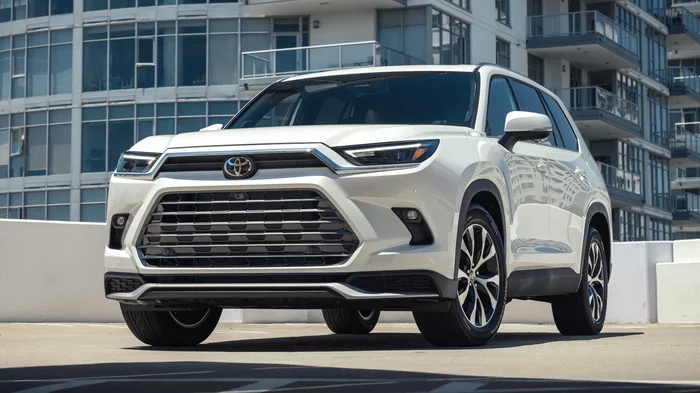
Do Toyota Highlanders hold their value? Yes, they do — and significantly better than most competitors. The Toyota Highlander consistently ranks among the top SUVs for resale value thanks to its legendary reliability, strong brand loyalty, and high demand in the used market. If you are considering buying or selling a Highlander, understanding how Toyota Highlanders hold their value can save you thousands of dollars.
Do Toyota Highlanders hold their value? It is a question that many car buyers and owners ask, and the answer might surprise you. The Toyota Highlander has built a reputation as one of the most dependable SUVs on the road. But does that reputation translate into real money when it is time to sell?
The short answer is yes. Toyota Highlanders hold their value remarkably well compared to many competitors in the midsize SUV segment. Whether you are buying new or used, understanding how these vehicles depreciate can help you make a smarter financial decision. Let us break down everything you need to know about the Toyota Highlander resale value.
In this guide, we will look at real numbers, compare the Highlander to rival SUVs, and share practical tips to keep your vehicle worth more for longer. By the end, you will have a clear picture of why the Highlander remains a top pick for value-conscious buyers.
Key Takeaways
- Toyota Highlanders retain about 50-60% of their value after 5 years — well above the average SUV.
- Reliability is the #1 reason Highlanders hold their value so well over time.
- Toyota brand loyalty and high demand in the used market keep resale prices strong.
- Regular maintenance and care can further boost your Highlander’s resale value.
- Compared to competitors like the Honda Pilot and Chevy Tahoe, the Highlander often comes out ahead in resale.
- Buying a used Highlander is a smart financial move because you avoid the steepest depreciation hit.
📑 Table of Contents
- Why Do Toyota Highlanders Hold Their Value So Well?
- Toyota Highlanders Depreciation Rate Explained
- Toyota Highlander vs. Competitors: Resale Value Comparison
- Factors That Affect Toyota Highlander Resale Value
- How To Keep Your Toyota Highlander Value High
- Are Toyota Highlanders Worth the Investment?
- Final Thoughts on Toyota Highlander Value Retention
Why Do Toyota Highlanders Hold Their Value So Well?
The Toyota Highlander has been a staple in the SUV world for nearly two decades. Its ability to hold value is not an accident. Several key factors work together to make the Highlander one of the best vehicles for retaining resale value.
1. Legendary Toyota Reliability
When people think of Toyota, reliability is usually the first thing that comes to mind. The Highlander is no exception. Consumer Reports and J.D. Power consistently rate Toyota vehicles among the most reliable on the market. This reputation means buyers are willing to pay more for a used Highlander because they trust it will keep running without expensive repairs.
Think about it this way. Would you rather buy a used SUV with a questionable repair history, or one backed by Toyota’s solid track record? Most buyers choose the Toyota, and that demand keeps prices higher.
2. Strong Brand Loyalty
Toyota enjoys one of the strongest brand loyalties in the automotive industry. Owners tend to stick with Toyota when it is time for their next vehicle. This loyalty creates a consistent stream of used Highlander buyers, which directly supports resale prices.
Compare this to brands that see buyers switch loyalties frequently. When demand drops, so does resale value. Toyota simply does not face that problem to the same degree.
3. High Demand in the Used SUV Market
The midsize SUV segment is incredibly competitive, but the Highlander consistently ranks near the top of buyer interest. Its combination of three rows of seating, fuel efficiency, and affordability makes it attractive to a wide range of families. When a vehicle is in high demand, sellers can command better prices.
Also, the Highlander’s popularity means there is a large used market for it. More buyers competing for the same vehicles naturally pushes prices upward.
Toyota Highlanders Depreciation Rate Explained
Every vehicle loses value over time. This process is called depreciation. Understanding how the Highlander depreciates helps you see exactly how well it holds its value.
Average Depreciation Over Time
On average, a new Toyota Highlander loses about 15% to 20% of its value in the first year. By year five, the vehicle typically retains 50% to 60% of its original value. This is significantly better than the industry average, which hovers around 40% to 50% retention at the five-year mark.
Here is a simple breakdown of what that looks like in real dollars. If you buy a new Highlander for $40,000:
- After Year 1: Worth roughly $32,000 to $34,000
- After Year 3: Worth roughly $24,000 to $28,000
- After Year 5: Worth roughly $20,000 to $24,000
- After Year 10: Worth roughly $10,000 to $15,000
These numbers are estimates based on average market trends. Actual depreciation varies depending on mileage, condition, trim level, and local market conditions.
Why Does the First Year See the Biggest Drop?
New cars lose value fastest in the first year. This is because the moment you drive a new vehicle off the lot, it becomes a used car. The Highlander is no different. However, Toyota vehicles tend to lose value more slowly in that first year compared to many competitors.
If you want to minimize this initial hit, consider buying a Highlander that is one to two years old. You will save thousands upfront and still enjoy a vehicle with plenty of life left.
Toyota Highlander vs. Competitors: Resale Value Comparison
How does the Highlander stack up against other popular SUVs? Let us look at a side-by-side comparison.
| Vehicle | 5-Year Value Retention | Avg. Annual Depreciation |
|---|---|---|
| Toyota Highlander | 50% – 60% | $2,500 – $3,000 |
| Honda Pilot | 45% – 55% | $3,000 – $3,500 |
| Chevrolet Tahoe | 35% – 45% | $4,000 – $5,000 |
| Ford Explorer | 40% – 50% | $3,500 – $4,000 |
| Nissan Pathfinder | 35% – 45% | $4,000 – $5,000 |
As you can see, the Toyota Highlander outperforms most competitors in resale value. The Honda Pilot comes close, but the Highlander generally edges it out. Larger SUVs like the Chevrolet Tahoe and Nissan Pathfinder depreciate faster, which is typical for bigger, more expensive vehicles.
For more details on figuring out what your vehicle is truly worth, check out our guide on how to find out the fair market value of a car. Understanding market value is the first step in getting the best deal when buying or selling.
Factors That Affect Toyota Highlander Resale Value
Not all Highlanders hold their value equally. Several factors can boost or reduce resale value. Being aware of these can help you make smarter decisions as a buyer or seller.
Mileage Matters
Mileage is one of the biggest factors in determining resale value. A Highlander with 30,000 miles will almost always sell for more than one with 80,000 miles. Buyers look for lower mileage because it suggests less wear and tear on the engine, transmission, and other components.
If you plan to sell your Highlander eventually, keeping mileage reasonable will pay off. The average American drives about 13,000 to 15,000 miles per year. Staying near or below that average helps preserve value.
Condition and Maintenance History
A well-maintained Highlander holds its value much better than a neglected one. Buyers want to see a clean vehicle with a full maintenance history. Regular oil changes, tire rotations, and prompt repairs all contribute to a higher resale price.
On the flip side, a Highlander with visible damage, interior wear, or missing service records will sell for significantly less. First impressions matter, even in the used car market.
Trim Level and Options
Higher trims and popular options tend to hold value better. The Limited and Platinum trims, which come with leather seats, advanced safety features, and upgraded infotainment, often command higher resale prices than base models.
Popular add-ons like all-wheel drive, third-row seating, and premium audio systems also help maintain value. If you are buying a used Highlander, look for models with desirable features that buyers actively seek out.
Color and Exterior Appeal
Believe it or not, color can affect resale value. Neutral colors like white, black, silver, and gray tend to sell faster and hold value better than bold or unusual colors. While this is a small factor, it can make a difference when you are ready to sell.
How To Keep Your Toyota Highlander Value High
If you already own a Highlander or are planning to buy one, there are steps you can take to maximize its resale value over time.
Follow the Maintenance Schedule
Stick to Toyota’s recommended maintenance schedule. This includes regular oil changes, brake inspections, tire rotations, and fluid flushes. Keeping up with scheduled service shows future buyers that the vehicle has been cared for properly.
Wondering about maintenance costs? According to industry data, the average Toyota owner spends less on repairs compared to owners of most other brands. You can find more about typical repair costs in our article on how much mechanics charge per hour.
Keep It Clean Inside and Out
Regular washing, waxing, and interior cleaning go a long way. A clean Highlander not only looks better but also signals to buyers that the vehicle has been well taken care of. Pay special attention to the interior, as worn seats and stained carpets can significantly reduce perceived value.
Address Repairs Promptly
Do not let small problems become big ones. A minor rattle or a check engine light should be addressed quickly. Ignoring issues can lead to bigger, more expensive repairs that hurt both the vehicle and its resale value.
Also, be aware of common issues that can affect the Highlander. For instance, if you notice a rattling noise under the vehicle, it could be a loose heat shield. Learning how to tighten a loose heat shield is a simple fix that can prevent a minor annoyance from turning into a major concern.
Consider Certified Pre-Owned (CPO) Status
If you are buying used, a certified pre-owned Highlander offers extra peace of mind. CPO vehicles come with extended warranties and have passed rigorous inspections. This certification often results in higher resale value when it is time to sell again.
Are Toyota Highlanders Worth the Investment?
After looking at all the factors, the big question remains: are Toyota Highlanders worth the investment? The answer depends on your goals, but the evidence strongly supports the Highlander as a smart choice.
If you are buying new, you are paying a premium upfront. However, that premium pays off over time through lower depreciation and higher resale value. If you are buying used, you benefit from having already absorbed the steepest part of the depreciation curve while still getting a reliable, well-regarded vehicle.
The Highlander also offers practical benefits that add to its overall value. With seating for up to eight passengers, ample cargo space, and strong towing capability, it is a versatile family SUV. If you are curious about its towing limits, check out our guide on whether Toyota Highlanders are good for towing.
Insurance costs are another consideration. The Highlander is not the cheapest SUV to insure, but it is far from the most expensive. For a closer look, see our article on whether Toyota Highlanders are expensive to insure.
When you factor in reliability, resale value, and ownership costs, the Toyota Highlander delivers strong long-term value. Few vehicles in its class can match the combination of durability, demand, and depreciation resistance that the Highlander offers.
Final Thoughts on Toyota Highlander Value Retention
So, do Toyota Highlanders hold their value? The data and market trends clearly say yes. The Highlander stands out as one of the strongest performers in the midsize SUV segment when it comes to resale value. Its combination of Toyota reliability, strong brand loyalty, and high consumer demand creates a vehicle that loses value more slowly than most competitors.
Whether you are a first-time buyer or a seasoned car shopper, the Highlander is a vehicle worth serious consideration. It offers peace of mind, practical functionality, and smart financial value. If you want a vehicle that will serve you well today and still be worth something tomorrow, the Toyota Highlander is hard to beat.
Take the time to research, test drive, and compare options. And remember, the best way to protect your investment is through regular maintenance and careful ownership. A well-cared-for Highlander will reward you with strong value retention for years to come.
Thinking about upgrading your current vehicle? Learn more about your options in our guide on how to upgrade your vehicle and make the best choice for your needs and budget.
Frequently Asked Questions
How long do Toyota Highlanders typically hold their value?
Toyota Highlanders generally retain 50% to 60% of their original value after five years. This is well above the average for most SUVs, which typically retain around 40% to 50%. The exact retention rate depends on mileage, condition, trim level, and local market demand.
What is the average depreciation rate for a Toyota Highlander?
A new Toyota Highlander loses about 15% to 20% of its value in the first year. After five years, the cumulative depreciation is typically around 40% to 50%. This is slower than most competitors, making the Highlander a strong choice for value-conscious buyers.
Are used Toyota Highlanders a good buy?
Yes, used Toyota Highlanders are an excellent buy. Because the steepest depreciation happens in the first few years, buying a used model lets you avoid that initial value loss. You get a reliable, well-equipped vehicle at a significantly lower price than new.
Which Toyota Highlander trim holds its value best?
Higher trims like the Limited and Platinum tend to hold their value better than base models. This is because they come with desirable features such as leather seats, advanced safety technology, and upgraded infotainment systems that buyers actively seek in the used market.
Does regular maintenance really affect a Highlander’s resale value?
Absolutely. A complete maintenance history gives buyers confidence that the vehicle has been properly cared for. Regular oil changes, timely repairs, and clean records can easily add hundreds or even thousands of dollars to your resale price compared to a vehicle with no service history.
How does the Highlander compare to the Honda Pilot in resale value?
The Toyota Highlander and Honda Pilot are close competitors in resale value. The Highlander typically edges out the Pilot by a small margin, retaining about 50% to 60% of its value after five years compared to the Pilot’s 45% to 55%. Both are excellent choices, but the Highlander has a slight advantage.
=== CONCLUSION ===
Toyota Highlanders hold their value better than most SUVs on the market today. From their legendary reliability to strong brand loyalty and high consumer demand, the factors that support excellent resale value are well established. Whether you are buying or selling, the Highlander offers smart financial value that stands the test of time.
By following proper maintenance practices, keeping mileage reasonable, and choosing desirable trims and options, you can maximize your Highlander’s resale value for years to come. The Toyota Highlander is not just a reliable family SUV — it is a smart investment that rewards you long after you drive it off the lot.