Can a Toyota Engine Be Rebuilt for Better Performance
A Toyota engine rebuild can restore power, improve performance, and save you thousands compared to buying a new vehicle. Whether your Toyota has high mileage, compression issues, or major wear, a rebuild brings it back to life. This guide covers the entire Toyota engine rebuild process, costs, warning signs, and how to choose the right shop.
So your Toyota is giving you trouble. Maybe it’s burning oil, making weird noises, or losing power on the highway. At some point, many Toyota owners face the big question: can a Toyota engine be rebuilt?
The short answer is yes. Toyota engines are some of the most rebuildable engines on the road. Brands like Toyota build their powerplants with durability in mind. That means a Toyota engine rebuild is often a smart, cost-effective solution.
In this guide, we’ll walk you through everything you need to know. From spotting the warning signs to understanding the rebuild process, we’ve got you covered. Whether you drive a Camry, a Tacoma, or a Prius, this article will help you make an informed decision.
Key Takeaways
- A Toyota engine rebuild restores your engine to near-factory condition without the cost of a full replacement.
- Common signs your Toyota needs a rebuild include excessive oil consumption, low compression, and persistent check engine lights.
- Toyota engine rebuild costs typically range from $2,500 to $7,500, depending on the model and damage.
- A rebuild takes anywhere from one to four weeks, depending on parts availability and shop workload.
- Choosing a certified Toyota mechanic ensures quality workmanship and proper warranty coverage.
- Rebuilding often beats replacing in cost savings and environmental impact.
📑 Table of Contents
- What Does It Mean to Rebuild a Toyota Engine?
- Signs Your Toyota Engine Needs a Rebuild
- The Toyota Engine Rebuild Process
- Toyota Engine Rebuild Cost: What to Expect
- Rebuild vs Replace: Which Is Better for Your Toyota?
- How to Find the Right Shop for Your Toyota Engine Rebuild
- Benefits of Rebuilding Your Toyota Engine
- Common Mistakes to Avoid During a Toyota Engine Rebuild
- How Long Does a Toyota Engine Rebuild Last?
- Final Thoughts on Toyota Engine Rebuilds
What Does It Mean to Rebuild a Toyota Engine?
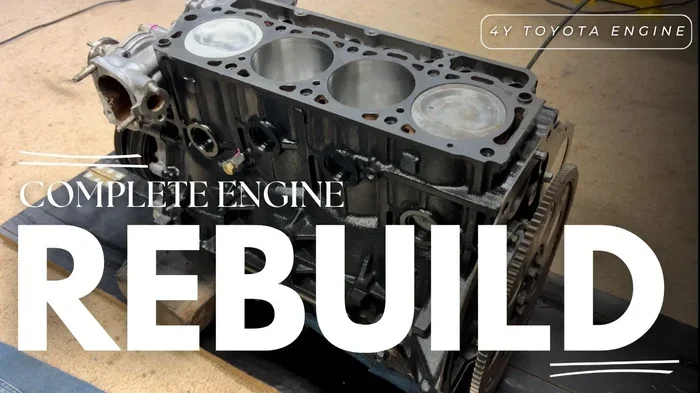
A Toyota engine rebuild means taking the entire engine apart, inspecting every component, and replacing worn or damaged parts. The goal is to bring the engine back to factory-spec performance. Think of it like a full tune-up, but on a much deeper level.
During a rebuild, technicians remove the engine from the vehicle. They then disassemble it completely. Each part gets inspected, measured, and either cleaned, repaired, or replaced. This process restores the engine’s internal clearances, seals, and tolerances to their original specifications.
There are different levels of rebuilds too. A minor engine rebuild might just involve replacing gaskets, seals, and bearings. A major engine rebuild could include boring out the cylinders, replacing pistons, and resurfacing the crankshaft. The scope depends entirely on the engine’s condition.
What Gets Replaced During a Rebuild?
Here is a typical list of parts replaced during a Toyota engine rebuild:
- Piston rings — These seal the combustion chamber and control oil consumption.
- Main bearings and rod bearings — These reduce friction between moving parts.
- Head gasket — This seals the engine block to the cylinder head.
- Valve stem seals — These prevent oil from leaking into the combustion chambers.
- Timing chain or belt — Depending on the Toyota model, this may get replaced.
- Oil pump — Often refreshed to ensure proper oil pressure.
- Spark plugs and ignition components — These restore proper combustion.
Not every rebuild needs all of these parts. A qualified mechanic will inspect your engine and recommend only what’s necessary. This keeps costs down and avoids unnecessary work.
Signs Your Toyota Engine Needs a Rebuild
How do you know when a Toyota engine rebuild is the right move? Watch for these warning signs. Catching them early can save you from a complete engine failure.
Excessive Oil Consumption
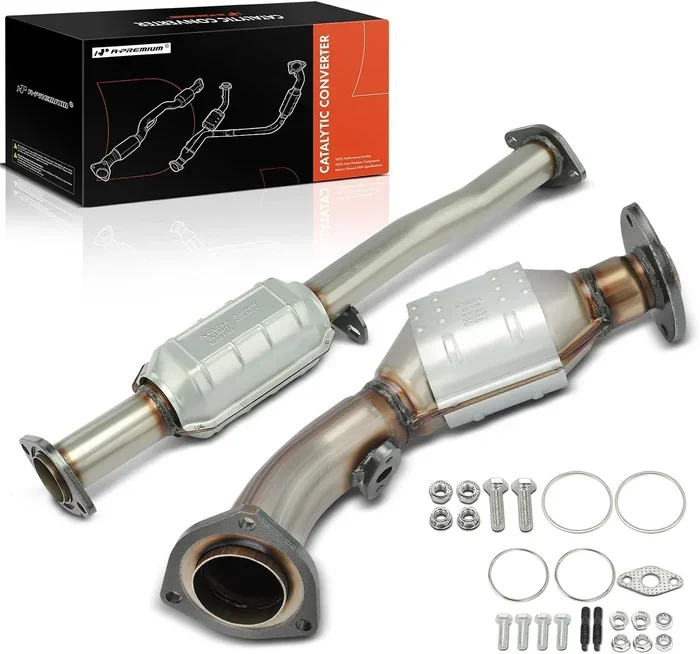
If you’re topping off your oil every few hundred miles, that’s a red flag. Worn piston rings and valve seals are common culprits. Over time, oil burns past these components and enters the combustion chamber. This not only wastes oil but can also damage the catalytic converter.
Low Compression
A compression test is one of the best diagnostics for engine health. Low compression means the cylinders aren’t sealing properly. This leads to power loss, rough idling, and poor fuel economy. If your mechanic finds low compression in one or more cylinders, a rebuild may be needed.
Knocking or Tapping Sounds
Unusual engine noises should never be ignored. A knocking sound often points to worn rod bearings. A tapping noise might indicate valve train issues. Both problems worsen over time. Addressing them through a rebuild can prevent catastrophic engine failure.
Blue or White Exhaust Smoke
Blue smoke means oil is burning in the combustion chamber. White smoke can indicate coolant leaks past the head gasket. Both are signs of internal engine wear. A Toyota engine rebuild can fix these issues and restore clean exhaust.
Persistent Check Engine Light
If your check engine light stays on despite repairs, deeper engine problems may exist. You can learn more about driving with the check engine light on in our article Can I Drive My Toyota Camry With The Check Engine Light On. Sometimes a rebuild is the only permanent fix.
The Toyota Engine Rebuild Process
Understanding the rebuild process helps you know what to expect. Here is a step-by-step breakdown of how a Toyota engine rebuild typically works.
Step 1: Diagnosis and Inspection
The process starts with a thorough inspection. The mechanic runs diagnostics, checks compression, and inspects for leaks. They may also perform a leak-down test to pinpoint exactly where the engine is losing pressure. This step determines whether a rebuild is truly necessary or if a simpler repair will do.
Step 2: Engine Removal
Once the decision is made, the engine gets removed from the vehicle. This involves disconnecting the drivetrain, cooling system, electrical connections, and intake manifold. On most Toyota models, this process takes a full day of careful work.
Step 3: Disassembly
The engine comes apart on a clean workbench. Every single component gets labeled and cataloged. This is critical because reassembly must happen in the exact correct order. Even small mistakes during reassembly can cause serious engine problems down the road.
Step 4: Cleaning and Inspection
Each part gets cleaned using specialized solvents and equipment. The engine block gets inspected for cracks. The cylinder walls get measured for scoring or wear. The crankshaft gets checked for straightness. Any part that doesn’t meet factory specifications gets replaced.
Step 5: Machining and Resurfacing
In a major rebuild, the cylinder head gets resurfaced. The engine block may need honing to restore proper cylinder wall texture. The crankshaft journals might get polished or ground to restore their original dimensions. This precision work is what makes a rebuild successful.
Step 6: Reassembly
With all new and refurbished parts ready, the engine gets rebuilt from the bottom up. Technicians install new bearings, rings, gaskets, seals, and any other necessary components. Every torque specification gets followed to the letter. This is where skill and experience really matter.
Step 7: Testing and Installation
The rebuilt engine gets tested before installation. This often includes a bench test to check for proper oil pressure and any internal leaks. Once cleared, the engine goes back into the vehicle. The mechanic then runs the engine, checks for leaks, and verifies all systems are working correctly.
The entire process typically takes one to four weeks. Rushing a rebuild is a bad idea. Quality takes time, and a properly done rebuild can last another 100,000 miles or more.
Toyota Engine Rebuild Cost: What to Expect
Cost is always a major factor when considering a Toyota engine rebuild. Let’s break down what you can expect to pay.
Average Rebuild Costs by Toyota Model
Rebuild costs vary widely depending on the engine type and the extent of work needed. Here is a general cost comparison:
- Toyota Corolla engine rebuild: $2,500 to $4,000
- Toyota Camry engine rebuild: $3,500 to $5,500
- Toyota Tacoma engine rebuild: $4,000 to $6,500
- Toyota 4Runner engine rebuild: $4,500 to $7,500
- Toyota Prius hybrid system rebuild: $3,000 to $5,000 (battery and engine)
These costs include parts, labor, and machine shop work. They do not include the cost of a new engine, which can run $4,000 to $10,000 or more. A rebuild almost always costs significantly less than a replacement.
Factors That Affect Rebuild Cost
Several factors influence the final price of a Toyota engine rebuild:
- Engine type: Four-cylinder engines cost less to rebuild than V6 or V8 engines.
- Extent of damage: More worn components mean more parts and more labor.
- Machine shop work: Cylinder boring, crankshaft grinding, and head resurfacing add cost.
- Parts quality: OEM parts cost more than aftermarket but offer better reliability.
- Labor rates: Shop rates vary by region. Expect $80 to $150 per hour.
One way to save money is to ask about remanufactured Toyota engines. These come from salvage yards or specialized rebuilders and are already partially rebuilt. Installing one can cut costs by 30 to 50 percent compared to a full custom rebuild.
Rebuild vs Replace: Which Is Better for Your Toyota?
When your Toyota engine is failing, you usually have two options: rebuild or replace. Both have pros and cons. Here is a side-by-side comparison to help you decide.
Toyota Engine Rebuild
A rebuild keeps your original engine block. This is important because the block carries the engine’s history and casting numbers. For classic Toyotas or rare models, keeping the original block can matter for resale value and authenticity.
Pros of a rebuild:
- Lower cost than a new engine
- Retains the original engine block
- All new internal parts mean a fresh start
- Can be customized for better performance
- More environmentally friendly
Cons of a rebuild:
- Takes more time than a swap
- Requires finding a skilled mechanic
- External engine wear (like a cracked block) cannot be fixed
Toyota Engine Replacement
A replacement swaps in a used, remanufactured, or new engine. This is faster than a rebuild because you skip the disassembly and machining steps. You can learn more about related Toyota engine topics in our article on Can You Jump Start A Toyota Hybrid Car which covers hybrid engine basics.
Pros of a replacement:
- Faster turnaround time
- No machining work needed
- Can come with a warranty from the supplier
Cons of a replacement:
- Higher cost for new or remanufactured engines
- Unknown history of used engines
- May require additional wiring or adapter work
For most Toyotas with a solid engine block, a Toyota engine rebuild is the better choice. It costs less, gives you a completely fresh engine internals, and keeps your original powertrain intact. However, if the block is cracked or severely damaged, a replacement becomes the only viable option.
How to Find the Right Shop for Your Toyota Engine Rebuild
Choosing the right shop is just as important as the rebuild itself. A poorly executed rebuild can lead to the same problems returning within a few thousand miles. Here is how to find a trustworthy shop.
Look for Toyota-Specific Experience
Not all engine builders are equal. You want a shop that has experience with Toyota engines specifically. Toyota engines have unique designs, torque specs, and common failure points. A general mechanic may not have the specialized knowledge needed for a quality rebuild.
You can also visit your local Toyota dealership for service. In many cases, Toyota dealers can perform or coordinate engine rebuilds. Check out our guide on Can I Take My Toyota To Any Dealership For Service to learn more about service options.
Ask About Warranty Coverage
A reputable rebuild shop stands behind their work. Look for shops that offer at least a 12-month or 12,000-mile warranty on the rebuild. Some high-end shops offer warranties up to 36 months or 36,000 miles. This protects you if something goes wrong after the rebuild.
Check Reviews and References
Online reviews tell you a lot about a shop’s reputation. Look for shops with consistent positive feedback specifically about engine work. Ask friends, family, or local Toyota clubs for recommendations. Word-of-mouth referrals are often the most reliable source.
Request a Detailed Written Estimate
Before work begins, get a written estimate that breaks down labor, parts, and machining costs. A good estimate should list every component being replaced and every service being performed. This transparency protects you from surprise charges later.
Benefits of Rebuilding Your Toyota Engine
A Toyota engine rebuild offers benefits that go beyond just fixing a broken engine. Here are some compelling reasons to consider a rebuild.
Cost Savings
Rebuilding costs roughly half to two-thirds of what a new engine replacement costs. For many Toyota owners, this difference is the deciding factor. Instead of spending $8,000 on a new engine, you can spend $4,000 on a rebuild and get the same result.
Improved Performance
A rebuild gives you the chance to upgrade certain components. You can install higher-flowing fuel injectors, a performance camshaft, or improved piston rings. These upgrades can actually make your Toyota run better than it did when it was new.
Environmental Benefits
Rebuilding an engine uses far fewer resources than manufacturing a new one. It keeps the original engine block out of the landfill and reduces the energy needed to produce a replacement. For environmentally conscious Toyota owners, this is a meaningful advantage.
Extended Engine Life
A properly rebuilt Toyota engine can last another 100,000 miles or more. Many Toyota engines were designed to last 300,000+ miles with proper maintenance. A rebuild effectively resets the clock, giving you many more years of reliable service.
You can also read about how long a hybrid can sit without being driven in our article How Long Can A Hybrid Sit Without Being Driven. This is relevant because engine health and usage patterns are closely connected.
Common Mistakes to Avoid During a Toyota Engine Rebuild
Even with the best intentions, mistakes happen during engine rebuilds. Here are the most common errors and how to avoid them.
- Skipping the compression test: Always get a compression test before committing to a rebuild. Sometimes the problem is simpler than you think.
- Using cheap aftermarket parts: Cutting corners on parts saves money upfront but causes problems later. Use quality components from trusted brands.
- Not replacing all related seals: If you are already inside the engine, replace all seals. A rear main seal leak discovered six months later means tearing the engine back apart.
- Ignoring the cooling system: Flush the cooling system and replace the thermostat and water pump during the rebuild. A hot engine destroys fresh bearings quickly.
- Rushing the reassembly: Patience is critical. One cross-threaded bolt or missed gasket can ruin a perfectly rebuilt engine.
Avoiding these mistakes ensures your Toyota engine rebuild delivers lasting results. Take your time, ask questions, and trust the process.
How Long Does a Toyota Engine Rebuild Last?
This is one of the most common questions owners ask. The honest answer is: it depends. A Toyota engine rebuild can last anywhere from 50,000 miles to over 200,000 miles. The wide range depends on several factors.
First, the quality of the rebuild matters enormously. A shop that uses OEM parts and follows factory specifications will deliver a longer-lasting rebuild. Second, your driving habits after the rebuild play a role. Gentle break-in periods and regular oil changes extend engine life significantly.
Third, the overall condition of the vehicle matters. If the engine block is in great shape and the rebuild is done well, you can expect 100,000+ miles from the work. If there are other underlying issues, those need to be addressed too.
Regular maintenance after the rebuild is non-negotiable. Change your oil every 5,000 to 7,500 miles. Use the recommended oil weight for your Toyota model. Check for leaks regularly. Treat the rebuilt engine with the same care you would give a new engine.
For more Toyota maintenance tips, you can also read about whether you can put regular gas in a Toyota in our article Can You Put Regular Gas In A 4Runner. Using the right fuel is one of the simplest ways to protect your engine after a rebuild.
Final Thoughts on Toyota Engine Rebuilds
A Toyota engine rebuild is one of the best investments you can make for your vehicle. It restores performance, improves reliability, and saves you significant money compared to engine replacement. Toyota engines are built to last, and a rebuild gives them a second life.
If your Toyota is showing signs of engine trouble, don’t ignore them. Get a professional diagnosis. Ask about a rebuild if the engine has internal wear. And choose a shop that specializes in Toyota engines for the best results.
With the right rebuild, your Toyota can keep running strong for many more years. Whether you drive it daily or keep it as a weekend cruiser, a rebuilt engine gives you peace of mind and confidence on the road. The decision to rebuild is a big one, but armed with the right information, you can make it with confidence.
Frequently Asked Questions
How much does it cost to rebuild a Toyota engine?
A Toyota engine rebuild typically costs between $2,500 and $7,500 depending on the model, engine type, and extent of work needed. Four-cylinder engines cost less, while V6 and V8 engines cost more. Always get a detailed written estimate before committing to the work.
How long does a Toyota engine rebuild take?
Most Toyota engine rebuilds take between one and four weeks. The timeline depends on parts availability, machine shop workload, and the complexity of the engine. Rushing the process is never recommended, as quality workmanship takes time.
Is a Toyota engine rebuild worth it?
Yes, a Toyota engine rebuild is usually worth it. It costs significantly less than a new engine replacement and can extend your engine’s life by 100,000 miles or more. Toyota engines are designed to be rebuildable, making this a smart investment for most owners.
Can I drive my Toyota during the rebuild process?
No, your Toyota will be without an engine during the rebuild. You may need a rental car or alternative transportation for one to four weeks. Plan ahead and make arrangements before the engine is removed from your vehicle.
Will a rebuilt Toyota engine come with a warranty?
Most reputable rebuild shops offer a warranty of at least 12 months or 12,000 miles. Some shops offer longer warranties up to 36 months or 36,000 miles. Ask about warranty terms before the work begins so you know exactly what is covered.
Can a Toyota engine be rebuilt more than once?
Yes, a Toyota engine can be rebuilt multiple times if the engine block is in good condition. However, each rebuild shortens the remaining life of the block and other external components. Most experts recommend no more than two full rebuilds on the same engine block.