Is There a Way to Turn Off Adaptive Cruise Control for Good
Yes, you can turn off adaptive cruise control in almost every vehicle on the road today. Whether you want to disable it temporarily or permanently, the process is usually simple and fast. This guide walks you through every method for every major brand, including Toyota, Honda, Ford, Chevrolet, and BMW. We also explain why some drivers prefer to disable ACC and how to handle common issues when the system won’t cooperate. By the end, you will know exactly how to take full control of your vehicle’s cruise settings.
Adaptive cruise control, or ACC, is one of the most popular driver-assistance features in modern cars. It uses radar sensors and cameras to keep a safe distance from the vehicle ahead of you. The system automatically adjusts your speed without you touching the gas pedal. It feels futuristic, and for many drivers, it makes long highway trips far less tiring.
But here is the thing not everyone loves it. Some drivers find it distracting or unnecessary. Others worry about the automatic braking kicking in at the wrong moment. Maybe you are driving through a winding mountain road, or perhaps you just prefer full manual control. Whatever the reason, you might be asking yourself, how do I turn this thing off for good?
The good news is that yes, there is absolutely a way to turn off adaptive cruise control. Every vehicle with ACC has a method to deactivate it. Some cars let you press a single button. Others require a few extra steps. And in rare cases, you might need to deal with a system fault or a software reset. This guide covers everything you need to know.
We will walk you through the exact steps for popular car brands. We will also explain why drivers choose to disable ACC, what to do when the system will not turn off, and whether keeping it on or off is the better choice for your driving style. Let us get into it.
Key Takeaways
- ACC can be turned off easily: Most vehicles have a dedicated on/off button or steering wheel controls to deactivate the system instantly.
- Methods vary by brand: Toyota, Honda, Ford, Chevrolet, BMW, and other brands each have slightly different steps to disable adaptive cruise control.
- Temporary vs permanent off: You can turn ACC off for a single trip or follow steps to reset the system for a longer period.
- Common reasons to disable ACC: Heavy traffic, bad weather, road conditions, and personal driving preference are the top reasons drivers turn it off.
- Faults can prevent deactivation: A dirty radar sensor, blown fuse, or software glitch may stop you from turning off ACC normally.
- Driver override is always available: Pressing the brake pedal or cancel button will override ACC in almost all vehicles.
- Know your vehicle: Always check your owner’s manual for brand-specific instructions on the cruise control system.
📑 Table of Contents
- What Is Adaptive Cruise Control and How Does It Work?
- Can You Turn Off Adaptive Cruise Control?
- Why Drivers Choose to Disable Adaptive Cruise Control
- Step-by-Step Guide to Turning Off ACC in Popular Vehicles
- Common Issues When You Cannot Turn Off Adaptive Cruise Control
- Should You Keep ACC On or Turn It Off?
- Expert Tips for Managing Adaptive Cruise Control
- Key Takeaways
- Conclusion
What Is Adaptive Cruise Control and How Does It Work?
The Basics of ACC
Adaptive cruise control is an advanced version of traditional cruise control. Regular cruise control locks your car at a set speed. You have to brake manually when traffic slows down. ACC, on the other hand, uses a radar sensor or camera to detect vehicles ahead. It then adjusts your car’s speed automatically to maintain a safe following distance.
The system relies on several key components working together. The speed sensor monitors how fast you are going. The radar unit scans the road ahead for other vehicles. The control module processes all this data and tells the engine and brakes what to do. When the car ahead slows down, your ACC eases off the throttle. When the road clears, it accelerates back to your set speed.
Why ACC Matters for Safety
ACC is part of a broader category called driver assistance technology. It works hand in hand with features like lane keeping assist and automatic emergency braking. Together, these systems aim to reduce human error on the road. Studies show that adaptive cruise control can help lower the risk of rear-end collisions, especially on highways.
However, ACC is not perfect. The radar sensor can get blocked by dirt, snow, or debris. The system may not detect motorcycles or stationary objects in some cases. That is why many driving experts recommend treating ACC as a helpful tool, not a replacement for attentive driving. Knowing how and when to turn off adaptive cruise control is part of being a responsible driver.
Can You Turn Off Adaptive Cruise Control?
The Short Answer Is Yes
Every vehicle equipped with adaptive cruise control has a way to deactivate it. There is no car on the market that locks ACC on permanently. The on/off switch is always accessible, whether it is on the steering wheel, the center console, or the dash. Even if the system is currently active, you can turn it off with a simple input.
The most common way to disable ACC is by pressing a button on the steering wheel. Most cars label this button as “Cancel,” “Off,” or “ACC Off.” In some vehicles, simply pressing the brake pedal will also temporarily deactivate the system. But we will get into the specific steps for different brands in a moment.
Temporary vs Permanent Deactivation
It is important to understand the difference between turning ACC off temporarily and disabling it for a longer period. When you press the cancel or off button, the system deactivates for that trip. Next time you start the car, ACC may automatically turn back on. This is the temporary off method.
To turn off ACC more permanently, you may need to go into your vehicle’s settings. Many newer cars have a driver assistance menu in the infotainment screen. From there, you can toggle ACC on or off. Some vehicles even allow you to set ACC to off as a default so it does not activate every time you start the engine. We will cover these steps in detail below.
Why Drivers Choose to Disable Adaptive Cruise Control
Personal Driving Preference
Some drivers simply prefer to control their speed manually. They like the feel of the gas pedal and brake under their own foot. Manual driving gives them a sense of connection to the road that ACC can sometimes reduce. If you are one of those drivers, turning off ACC makes perfect sense.
Others find that ACC changes their natural driving habits. Instead of paying attention to the flow of traffic, they rely too heavily on the system. This can lead to driver complacency, which is one of the biggest concerns raised by road safety experts. If you notice yourself becoming less alert because ACC is doing the work, it is time to switch it off.
Driving Conditions That Make ACC Less Useful
Not every road or weather condition is ideal for adaptive cruise control. Here are some common situations where drivers prefer to disable ACC:
- Heavy city traffic: ACC works best on highways. In stop-and-go city traffic, the constant starting and stopping can feel unnatural and may even cause confusion.
- Bad weather: Heavy rain, snow, or fog can interfere with the radar sensor and camera. The system may malfunction or provide inaccurate readings.
- Winding or hilly roads: ACC is designed for relatively straight, flat roads. On sharp curves or steep hills, it may not respond correctly.
- Night driving: Low visibility can affect the sensors. Some ACC systems struggle to detect vehicles properly at night.
- Gravel or unpaved roads: The sensors may pick up debris or loose gravel, causing false readings and unnecessary braking.
System Malfunctions and Faults
Sometimes you want to turn off ACC because the system itself is acting up. A faulty speed sensor or a misaligned radar unit can cause erratic behavior. You might see an ACC warning light on your dashboard. In these cases, turning off ACC is not just a preference, it is a safety decision. You do not want a malfunctioning driver assistance system making decisions for you while you drive.
Step-by-Step Guide to Turning Off ACC in Popular Vehicles
Toyota and Lexus
Toyota and Lexus vehicles with dynamic radar cruise control are straightforward to turn off. Look for the cruise control button on the right side of your steering wheel. Press the “Cancel” button to deactivate ACC for the current trip. If you want to prevent it from turning on automatically, go to the vehicle settings on the touchscreen. Navigate to the Driver Assistance menu and toggle the cruise control option off.
For some Toyota models, you can also hold the “Cancel” button for a few seconds to access additional settings. Always refer to your specific model’s owner manual for the exact steps. The process may vary slightly between the Camry, RAV4, Highlander, and Lexus models.
Honda and Acura
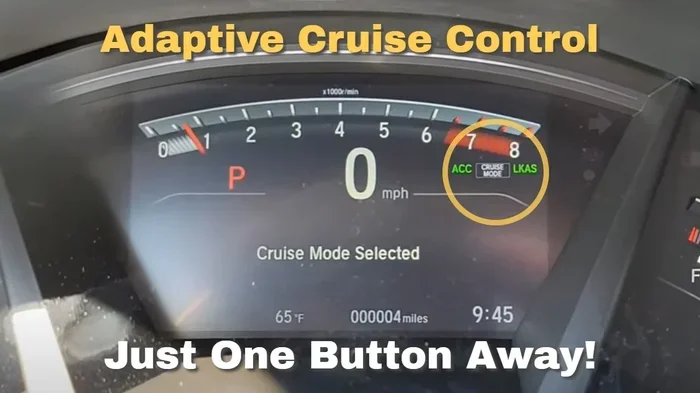
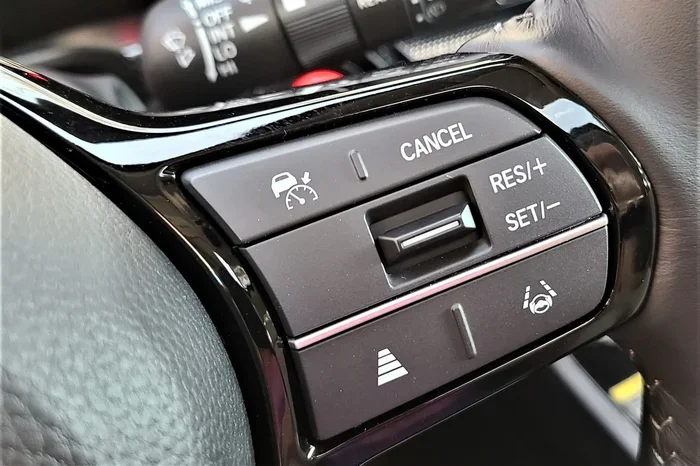
Honda uses adaptive cruise control labeled as ACC on most models. The steering wheel controls include a dedicated “Cancel” button. Press it once, and ACC will deactivate immediately. On the dashboard, the ACC indicator light will turn off, confirming the system is no longer active.
To change the default behavior, Honda offers a cruise control sensitivity setting in the vehicle menus. Some models let you completely disable ACC through the infotainment system. Look under the Vehicle Settings or Driver Assistance section. Keep in mind that Honda vehicles may reset ACC to on after a battery disconnect or system restart.
Ford
Ford vehicles with adaptive cruise control use steering wheel controls to manage the system. The “Cancel” button on the left side of the steering wheel will turn off ACC right away. Ford also allows you to use the brake pedal as an override. Simply tap the brake, and the system will disengage.
For a longer-term solution, Ford’s SYNC system has a settings menu where you can adjust driver assistance features. Go to the Vehicle Settings, then find the Cruise Control or Driver Assist options. From there, you can turn ACC off as a default preference. Some Ford models also have a physical cruise control on/off switch on the steering column.
Chevrolet and GMC
Chevrolet and GMC trucks and SUVs often come with adaptive cruise control as part of the Driver Confidence Package. To turn it off, look for the cruise control buttons on the steering wheel. The “Cancel” or “Off” button will deactivate ACC for the current drive.
Chevrolet vehicles with the Infotainment 3 or Infotainment Plus system allow you to manage ACC settings through the touchscreen. Go to Settings, then Vehicle, and look for the Cruise Control or Driver Assistance options. You can toggle ACC off there. Some GMC models also let you adjust the following distance and set the system to inactive as a default.
BMW and Luxury Brands
BMW vehicles use a more advanced cruise control system called Active Cruise Control. The controls are typically located on the steering wheel stalk or the steering wheel itself. Press the “Cancel” button or pull the stalk toward you to deactivate ACC immediately.
BMW’s iDrive infotainment system gives you deep control over driver assistance features. Go to Settings, then Driver Assistance, and you will find the cruise control options there. You can set ACC to off as a default so it does not activate every time you start the car. Other luxury brands like Mercedes-Benz and Audi follow a similar pattern, with steering wheel controls for quick deactivation and infotainment menus for default settings.
Common Issues When You Cannot Turn Off Adaptive Cruise Control
The Cancel Button Does Not Work
In rare cases, you might press the cancel button and nothing happens. The ACC indicator light stays on, and the system remains active. This can be frustrating and even alarming. There are a few common reasons this might happen.
First, check if there is a radar obstruction. Dirt, ice, or a misplaced item on the front grille can block the sensor. The system may not respond properly to any input, including the cancel command. Clean the front of your vehicle thoroughly, especially the area behind the front grille where the radar unit sits.
Second, a blown fuse or electrical issue could be interfering with the cruise control system. If the cancel button works for other functions but not ACC, the problem might be in the wiring or the control module. In this case, a trip to the mechanic is a good idea.
Software Glitches and System Resets
Modern vehicles rely heavily on software. Occasionally, a software glitch can cause ACC to behave unpredictably. The system might refuse to turn off, or it might turn back on immediately after you cancel it. This is more common in vehicles that have not had their software updated recently.
Try turning your vehicle off and back on again. This simple reset often clears minor software issues. If that does not work, check for available software updates through your dealer or the manufacturer’s app. Some brands, like Tesla and Ford, allow you to install updates over the air. Keeping your vehicle’s software up to date helps prevent many ACC-related issues.
When to See a Professional
If you have tried all the basic steps and still cannot turn off adaptive cruise control, it is time to consult a professional. A certified mechanic or dealership technician can run diagnostics on your vehicle’s control module and sensor system. They can identify whether the issue is a hardware fault, a wiring problem, or a deeper software issue.
Do not keep driving with a malfunctioning ACC if it is causing problems. While you can always use the brake pedal to slow down manually, a faulty system that applies automatic braking unexpectedly can be dangerous. Get it checked out as soon as possible.
Should You Keep ACC On or Turn It Off?
The Pros of Keeping Adaptive Cruise Control On
There are real benefits to using adaptive cruise control regularly. On long highway drives, it reduces fatigue significantly. Your foot does not have to stay on the gas pedal, which helps prevent foot cramps and leg strain. The system also maintains a consistent following distance, which can help you avoid accidental tailgating.
ACC also helps with speed regulation. It prevents you from unintentionally speeding up on long straight stretches of road. For drivers who tend to get absorbed in thought or music, this can be a valuable safety feature. The collision avoidance capability of modern ACC systems is also impressive. They can detect sudden slowdowns in traffic and apply the brakes faster than most human reactions.
The Cons of Keeping Adaptive Cruise Control On
On the other side, there are valid reasons to keep ACC off. The system can give drivers a false sense of security. Some people assume ACC can handle all driving tasks, which is not true. ACC does not steer the vehicle. It does not respond to traffic lights or stop signs. It is strictly a speed and distance management tool.
Weather conditions also take a toll on ACC reliability. As mentioned earlier, heavy rain, snow, and fog can impair the sensors. In these conditions, a malfunctioning ACC system could cause more harm than good. Some drivers also report that ACC makes them less engaged with the driving task, which over time can dull their reaction skills.
Finding the Right Balance for Your Driving
The best approach is to use ACC when it makes sense and turn it off when it does not. Use it on long, open highways in good weather. Turn it off in city traffic, bad weather, and on unfamiliar roads. The key is to stay in control and use driver assistance technology as a supplement, not a replacement for your own attention and skill.
Knowing how to turn off adaptive cruise control quickly and confidently is an essential skill for any modern driver. Practice finding the cancel button or setting the default to off while you are parked safely. That way, when you actually need to disable it on the road, you will not have to fumble around while driving.
Expert Tips for Managing Adaptive Cruise Control
Keep Your Sensors Clean
The radar sensor on the front of your vehicle needs to stay clean to work properly. Make it a habit to wash the front grille area regularly, especially in winter when road salt and grime build up quickly. A clean sensor means accurate readings, which means ACC works when you need it and turns off when you want it to.
Know Your Vehicle’s Specific Controls
Every car brand has its own layout for cruise controls. Take five minutes to read the relevant section of your owner manual. Learn where the cancel button is, how to access the settings menu, and what each dashboard indicator light means. This small investment of time pays off every time you get behind the wheel.
Update Your Software Regularly
Automakers release software updates that improve ACC performance and fix known bugs. Check for updates regularly, especially if you notice any unusual behavior from your cruise control system. An up-to-date system is a safer and more reliable system.
Use the Brake Pedal as Your Backup Override
No matter what brand or model you drive, pressing the brake pedal will almost always override ACC. This is your ultimate safety backup. If the cancel button fails or the system behaves strangely, tap the brake firmly. The system will disengage immediately, giving you full manual control of your vehicle.
Key Takeaways
- ACC can be turned off easily: Most vehicles have a dedicated on/off button or steering wheel controls to deactivate the system instantly.
- Methods vary by brand: Toyota, Honda, Ford, Chevrolet, BMW, and other brands each have slightly different steps to disable adaptive cruise control.
- Temporary vs permanent off: You can turn ACC off for a single trip or follow steps to reset the system for a longer period.
- Common reasons to disable ACC: Heavy traffic, bad weather, road conditions, and personal driving preference are the top reasons drivers turn it off.
- Faults can prevent deactivation: A dirty radar sensor, blown fuse, or software glitch may stop you from turning off ACC normally.
- Driver override is always available: Pressing the brake pedal or cancel button will override ACC in almost all vehicles.
- Know your vehicle: Always check your owner’s manual for brand-specific instructions on the cruise control system.
Conclusion
Turning off adaptive cruise control is simple, fast, and available in virtually every vehicle that has the feature. Whether you want to press a cancel button on the steering wheel, dig into your infotainment settings, or deal with a system fault, there is always a way to take back control. The key is knowing your specific vehicle and its controls inside and out.
We have covered the step-by-step process for Toyota, Honda, Ford, Chevrolet, BMW, and other major brands. We have explored the reasons drivers choose to disable ACC, from personal preference to safety concerns. We have also tackled the common issues that can make turning off ACC tricky and how to solve them.
Remember, adaptive cruise control is a tool, not a replacement for your own driving skills. Use it when it helps you, and turn it off when it does not. Keep your sensors clean, stay updated on software, and always know how to override the system with a simple tap of the brake pedal. With the knowledge in this guide, you are fully equipped to manage your vehicle’s cruise control the way that works best for you.
Drive safely, stay in control, and never hesitate to turn off adaptive cruise control when the situation calls for it. Your comfort and safety always come first.
Frequently Asked Questions
Can I completely disable adaptive cruise control in my car?
Yes, you can completely disable adaptive cruise control in almost every vehicle. Most cars have a cancel button on the steering wheel for temporary deactivation. For a longer-term or permanent off setting, you can usually access the driver assistance menu in your infotainment system and toggle ACC off as a default preference.
Why does my adaptive cruise control turn back on after I cancel it?
This happens because many vehicles reset ACC to on every time you start the engine. To prevent this, check your vehicle’s settings menu for a cruise control default option. You can usually change it so ACC stays off until you manually turn it back on. Refer to your owner manual for the exact steps for your specific model.
Does turning off ACC affect my regular cruise control?
No, turning off adaptive cruise control does not affect your standard cruise control. They are separate systems. If your vehicle has both, you can turn off ACC and still use regular cruise control for maintaining a constant speed on open roads. Check your vehicle’s controls to see which system is currently active.
Can a dirty sensor prevent me from turning off ACC?
Yes, a dirty or obstructed radar sensor can cause ACC to malfunction. This may include the system not responding to the cancel button or turning back on unexpectedly. Clean the front grille and sensor area of your vehicle regularly to prevent this issue. If cleaning does not fix the problem, have a professional check the sensor and control module.
Is it safe to drive with ACC turned off?
Absolutely. Turning off ACC does not affect the safety of your vehicle. You simply take over manual control of your speed and following distance. In fact, many driving experts recommend turning off ACC in certain conditions, such as heavy traffic, bad weather, or winding roads, where the system may not perform optimally.
What should I do if the brake pedal override does not turn off ACC?
If pressing the brake pedal does not deactivate ACC, there may be a deeper issue with your vehicle’s cruise control system. Check for a dirty radar sensor or a blown fuse first. If those are not the problem, try turning your vehicle off and back on to reset the system. If none of these steps work, visit a certified mechanic or dealership for a professional diagnosis.