Can a Toyota Corolla Last 30 Years Without Breaking
A Toyota Corolla can absolutely last 30 years or more when properly maintained. This legendary compact car is known for its Toyota reliability, affordable parts, and simple engineering that makes long-term ownership a realistic goal. With regular oil changes, timely repairs, and smart driving habits, your Corolla can easily cross 300,000 miles and keep running strong for decades.
So you are wondering whether a Toyota Corolla can truly last 30 years without falling apart. Maybe you are looking at a used Corolla with 150,000 miles and thinking, “Can I really drive this thing for another 15 years?” Or perhaps you already own one and want to know what it takes to keep it on the road for decades.
The short answer is yes. A Toyota Corolla can last 30 years and beyond. But the longer answer involves understanding what makes these cars so durable, what can go wrong, and how to keep them running smoothly. This guide covers everything you need to know about Toyota Corolla longevity and whether this popular compact car deserves its reputation as one of the most reliable vehicles ever built.
People buy Toyotas for a reason. The brand has built a reputation for building cars that simply do not quit. When you compare the Corolla lifespan to other vehicles in the same class, the Corolla consistently comes out on top. Owners who follow a few basic rules find that their Corollas keep running long after other cars have been scrapped.
Key Takeaways
- Toyota Corolla longevity is proven: Many owners report their Corollas lasting 30+ years with basic care.
- Regular maintenance is the key: Staying on top of oil changes, fluid flushes, and belt replacements prevents major breakdowns.
- Common problems are manageable: Issues like rust, timing belt wear, and transmission wear are fixable and predictable.
- Parts are affordable and widely available: Toyota parts are easy to find and reasonably priced, which helps long-term ownership costs.
- Driving habits matter: Gentle driving, proper warm-ups, and avoiding short trips extend engine life significantly.
- Resale value stays strong: Even older Corollas hold their value well due to the brand’s reputation for durability.
- Preventive maintenance saves money: Small investments in upkeep now prevent expensive repairs later.
📑 Table of Contents
- Why the Toyota Corolla Has Legendary Reliability
- How Many Miles Can a Toyota Corolla Really Last?
- Common Problems That Can Shorten a Corolla’s Life
- Maintenance Schedule for a 30-Year Corolla
- How Driving Habits Affect Corolla Longevity
- Is It Worth Keeping a Corolla for 30 Years?
- Real Owner Stories: Corollas That Lasted 30+ Years
- Final Thoughts on Toyota Corolla Longevity
Why the Toyota Corolla Has Legendary Reliability
The Toyota Corolla has been around since 1966. That is over 55 years of continuous production. During that time, Toyota has refined the design, improved the engineering, and stuck with what works. The result is a car that is simple, dependable, and surprisingly tough.
There are several reasons the Corolla has earned its reputation for Toyota durability. First, the engineering is straightforward. Fewer complex parts mean fewer things that can break. Second, Toyota uses quality materials and rigorous testing. Third, the Corolla is designed for the average driver, which means it is not pushed to extremes in normal use.
Simple Engineering = Fewer Problems
The Corolla is not loaded with fancy electronics or complex systems. It uses a basic engine design, a simple transmission, and straightforward suspension components. This simplicity is a huge advantage when it comes to long-term ownership. There are fewer sensors to fail, fewer computer modules to malfunction, and fewer moving parts that wear out.
When you compare this to more complex vehicles, the difference is clear. A Toyota Corolla with 200,000 miles often runs better than a luxury car with 80,000 miles. The simplicity of the design means mechanics can diagnose and fix problems quickly, which keeps repair costs down.
Toyota Quality Control Standards
Toyota is famous for its manufacturing quality. Every Corolla that rolls off the assembly line goes through extensive testing. The company uses strict quality control measures that have become industry standards. This attention to detail starts from the first bolt tightened and continues through every stage of production.
Many owners report that their old Toyota Corolla feels just as solid as the day they bought it. The paint holds up, the body panels stay aligned, and the interior materials resist wear. This is not an accident. It is the result of decades of Toyota refining its production process.
How Many Miles Can a Toyota Corolla Really Last?
The typical Toyota Corolla can last between 250,000 and 400,000 miles with proper care. Some owners push their Corollas well past 400,000 miles. The key factor is always maintenance. A well-maintained Corolla will easily outlast a neglected one by a wide margin.
To put this in perspective, if you drive 12,000 miles per year, a Corolla that lasts 300,000 miles will serve you for 25 years. Add a few more years and you are looking at Toyota Corolla longevity that spans three decades. This is not unusual. Many Corolla owners report reaching the 30-year mark with their vehicles still running strong.
Comparing Corolla Lifespan to Other Toyotas
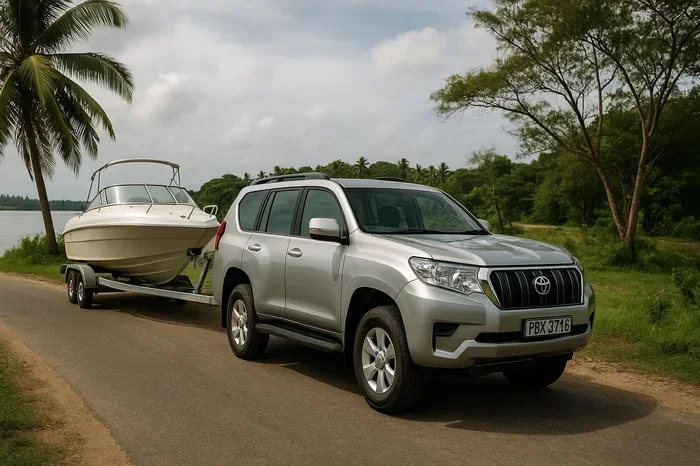
When you look at the average life of a Toyota Sequoia or other Toyota models, the Corolla holds its own remarkably well. The Sequoia is a larger SUV with different wear patterns, but the underlying Toyota reliability is the same. The Corolla’s smaller engine and lighter weight actually work in its favor for longevity, since there is less stress on the engine and drivetrain components.
Here is a quick comparison of Toyota model lifespans:
- Toyota Corolla: 250,000 to 400,000+ miles
- Toyota Camry: 200,000 to 350,000 miles
- Toyota RAV4: 200,000 to 300,000 miles
- Toyota Tacoma: 250,000 to 400,000 miles
- Toyota 4Runner: 250,000 to 350,000 miles
As you can see, the Corolla competes with the best of them. The Camry is often compared to the Corolla in terms of reliability, and 000 miles a lot for a Toyota Camry is a common question, just as it is for the Corolla. The answer is the same for both: with proper care, high mileage is perfectly normal.
Common Problems That Can Shorten a Corolla’s Life
No car is perfect, and the Corolla is no exception. While the vehicle is known for reliability, certain issues can develop over time. Understanding these problems helps you catch them early and keep your Corolla on the road for the long haul.
Rust and Body Corrosion
Rust is the number one enemy of any older car, and the Corolla is no exception. Older models, especially those from the 1990s and early 2000s, are more prone to rust on the wheel wells, rocker panels, and undercarriage. Newer Corollas have better anti-corrosion treatments, but rust can still affect any vehicle given enough time and exposure to salt and moisture.
The best defense against rust is regular washing, especially in winter months when road salt is used. Applying a rust inhibitor or undercoating can also help protect the body panels. Catching small rust spots early prevents them from becoming major structural problems.
Timing Belt and Chain Issues
Older Corolla models use a timing belt that needs to be replaced at regular intervals, typically every 60,000 to 105,000 miles. Neglecting this replacement can lead to catastrophic engine damage if the belt breaks. Newer Corolla models use a timing chain, which is designed to last the life of the engine. However, even chains can stretch or fail if the oil is not changed regularly.
This is one of those Toyota Corolla maintenance items that absolutely cannot be skipped. The cost of replacing a timing belt is small compared to the cost of repairing a damaged engine. Set a reminder and stick to the service schedule.
Transmission Wear
The Corolla’s transmission is generally reliable, but it is not immune to wear. Automatic transmissions in older Corollas may experience solenoid failures or fluid degradation over time. Manual transmissions are simpler and tend to last longer, but the clutch will eventually need replacement, especially in stop-and-go driving conditions.
Regular transmission fluid changes go a long way toward preventing problems. Many owners overlook this simple maintenance step, but it can add years of life to the transmission. If you notice slipping, hesitation, or unusual noises, get the transmission checked right away.
Check Engine Light and Sensor Issues
Modern Corollas are loaded with sensors and electronic components. Over time, these sensors can fail or become dirty, triggering the check engine light. Common culprits include oxygen sensors, mass airflow sensors, and spark plug wire connections. While these issues are usually not expensive to fix, they should be addressed promptly.
Many owners wonder if they can still drive their Toyota Camry with the check engine light on, and the same applies to the Corolla. Short trips to a repair shop are generally safe, but ignoring the light for extended periods can lead to bigger problems and reduced fuel efficiency.
Maintenance Schedule for a 30-Year Corolla
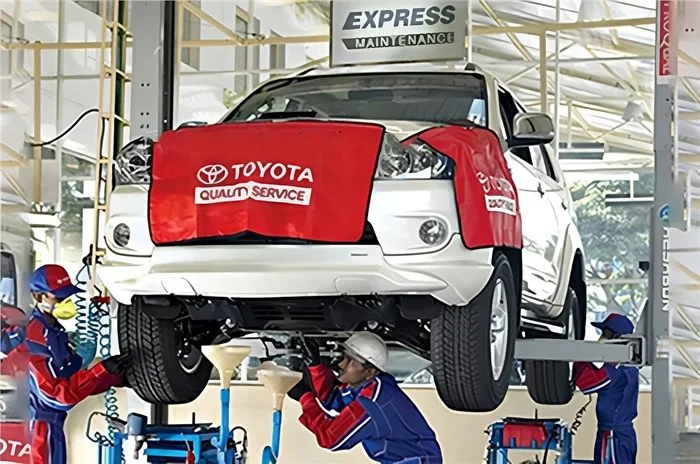
The secret to making a Toyota Corolla last 30 years is a consistent maintenance routine. Toyota provides a recommended service schedule, and following it closely is the best thing you can do for your vehicle. Here is a breakdown of the key maintenance tasks and when they should be performed.
Regular Service Intervals
Toyota recommends the following maintenance schedule for the Corolla:
- Every 5,000 to 7,500 miles: Oil change, tire rotation, and visual inspection
- Every 15,000 miles: Air filter replacement, cabin filter replacement
- Every 30,000 miles: Spark plug replacement, brake fluid flush
- Every 60,000 miles: Timing belt replacement (older models), transmission fluid change
- Every 90,000 miles: Coolant flush, drive belt inspection
- Every 105,000 miles: Major service inspection, all fluid replacements
Sticking to this schedule might seem like a lot of work, but it is the price of admission for a car that can last 30 years. The alternative is spending much more money on major repairs that could have been prevented.
DIY Maintenance You Can Do Yourself
One of the best things about owning a Corolla is that many maintenance tasks are simple enough to do at home. Changing the oil is one of the easiest DIY jobs you can tackle. If you are handy, you can also replace air filters, spark plugs, wiper blades, and even brake pads with basic tools.
Learning how to change your Corolla S oil yourself is a great starting point for new DIYers. It saves money, gives you a better understanding of your vehicle, and ensures the work is done properly. There are countless video tutorials available that walk you through the process step by step.
Other easy DIY tasks include checking tire pressure, topping off fluids, replacing cabin air filters, and inspecting belts and hoses. These small tasks add up and help you catch potential problems before they become expensive repairs.
How Driving Habits Affect Corolla Longevity
How you drive your Corolla has a huge impact on how long it lasts. Gentle driving habits reduce wear on the engine, transmission, brakes, and suspension components. Harsh driving habits accelerate wear and can lead to premature failures.
Warm Up Your Engine Properly
Modern Corollas do not need a long warm-up period. However, letting the engine idle for 30 seconds to one minute before driving gently allows the oil to circulate and the engine components to reach operating temperature. This is especially important in cold weather.
Avoid revving the engine hard during the first few minutes of driving. Give the oil time to reach all the moving parts, and then ease into your drive. This simple habit can add years to your engine’s life.
Avoid Short Trips When Possible
Short trips are tough on any car. The engine does not reach full operating temperature, which means moisture and fuel residues build up in the oil and exhaust system. Over time, this can cause sludge buildup, increased wear, and corrosion.
If you can, combine short trips into longer routes. This gives the engine time to fully warm up and burn off any accumulated moisture. If short trips are unavoidable, consider extending your oil change interval to every 5,000 miles instead of 7,500 miles.
Drive Smoothly and Avoid Aggressive Acceleration
Hard acceleration and sudden braking put extra stress on every component of the car. The engine works harder, the brakes wear faster, and the transmission experiences more strain. Smooth, steady driving is much easier on the vehicle and helps it last longer.
This does not mean you need to drive like you are in a hurry. Simply accelerating gradually, braking gently, and maintaining a steady speed will go a long way toward preserving your Corolla for decades to come.
Is It Worth Keeping a Corolla for 30 Years?
The decision to keep a car for 30 years is a personal one, but the financial benefits are hard to ignore. A new Corolla costs around $25,000 to $30,000. A well-maintained used Corolla might cost $5,000 to $10,000. If your older Corolla keeps running, you avoid car payments entirely and save thousands of dollars over the years.
Of course, there are trade-offs. Older cars may not have the latest safety features, infotainment technology, or fuel efficiency of newer models. They also require more frequent repairs as they age. But for many owners, the simplicity and reliability of an old Corolla more than make up for these drawbacks.
One thing to consider is that Toyota parts are widely available and affordable. Whether you need a new alternator, brake caliper, or door handle, you can find the part at any auto parts store or online. This is a huge advantage over brands that use proprietary parts or have limited production runs.
Even if you are wondering about Toyota dealers servicing Lexus models or other brand-specific service questions, the Corolla benefits from Toyota’s extensive service network. Almost any mechanic can work on a Corolla, which means you are never stuck without options for repairs.
Real Owner Stories: Corollas That Lasted 30+ Years
The best proof that a Toyota Corolla can last 30 years comes from the owners themselves. There are countless stories of Corolla owners reaching the 300,000-mile mark and beyond. Many of these owners report that their cars are still reliable daily drivers even after 25 or 30 years of service.
Some common themes emerge from these owner stories. Regular oil changes are almost always mentioned as the single most important factor. Owners who changed their oil every 3,000 to 5,000 miles consistently report fewer problems than those who stretched the intervals. Keeping up with the maintenance schedule is the golden rule of long-term Corolla ownership.
Another common thread is that owners who kept their Corollas for 30+ years typically did not make major modifications. The factory engineering is designed to work together, and aftermarket parts can sometimes introduce compatibility issues. Keeping the car stock or making only simple, proven modifications tends to yield the best long-term results.
Many owners also mention that they simply drove their Corollas gently and never pushed them hard. The Corolla was designed as a practical daily commuter, and it thrives when used as intended. Owners who treat their cars with respect and follow the maintenance schedule are rewarded with vehicles that last for decades.
It is worth noting that even the most reliable cars need attention. Staying on top of maintenance required lights and addressing small issues before they become big problems is essential. A small coolant leak ignored for too long can lead to engine overheating and serious damage. Catching these small problems early is what separates a 30-year Corolla from one that dies at 150,000 miles.
The reputation of Toyota for building long-lasting vehicles is well-earned. The brand consistently ranks at the top of reliability surveys and owner satisfaction studies. When you buy a Toyota Corolla, you are buying into a legacy of quality and durability that has been built over more than five decades of continuous production.
So if you are considering keeping your Corolla for 30 years, go for it. With the right care and attention, your Corolla can easily reach that milestone and keep going strong. The Toyota Corolla is one of the best investments you can make in a vehicle, and its track record speaks for itself.
Final Thoughts on Toyota Corolla Longevity
The answer to the question “Can a Toyota Corolla last 30 years without breaking?” is a resounding yes. The Corolla is built to last, and with proper care, it will reward you with decades of reliable service. The key is consistent maintenance, gentle driving habits, and addressing small problems before they become big ones.
Owning a Corolla for 30 years is not just possible, it is a reality for thousands of owners around the world. Whether you are buying your first Corolla or deciding whether to keep your current one, the evidence is clear. This car is built to last, and it will keep going as long as you take care of it.
So take care of your Corolla, follow the maintenance schedule, and enjoy the ride. A 30-year Corolla is not a dream, it is a goal that is well within reach for anyone willing to put in the effort.
Frequently Asked Questions
Can a Toyota Corolla really last 30 years?
Yes, a Toyota Corolla can absolutely last 30 years or more when properly maintained. Many owners report reaching the 300,000-mile mark and still driving their Corollas daily. The key factors are consistent maintenance, gentle driving habits, and addressing small issues before they become major problems.
What is the average lifespan of a Toyota Corolla?
The average Toyota Corolla lifespan is between 250,000 and 400,000 miles with proper care. At an average of 12,000 miles per year, this translates to roughly 20 to 30+ years of service. Some owners push their Corollas well beyond 400,000 miles with diligent maintenance.
How can I make my Toyota Corolla last longer?
Follow the recommended maintenance schedule, change the oil regularly, replace fluids on time, and drive gently. Avoid aggressive acceleration and hard braking. Keep up with small repairs before they become big problems. Regular washing and rust prevention also help protect the body over the long term.
What are the most common problems with old Toyota Corollas?
The most common issues include rust on body panels, timing belt wear in older models, transmission fluid degradation, and sensor failures that trigger the check engine light. Most of these problems are preventable with regular maintenance and relatively inexpensive to fix when caught early.
Is it expensive to maintain a Toyota Corolla for 30 years?
No, maintaining a Corolla long-term is actually quite affordable compared to many other vehicles. Toyota parts are widely available and reasonably priced. The simple design of the Corolla means repairs are straightforward and labor costs are typically lower. Regular DIY maintenance can further reduce costs significantly.
Should I buy an old Toyota Corolla if I want a long-lasting car?
If you are looking for a reliable daily driver that can last for decades, an older Toyota Corolla is an excellent choice. Look for models with clean titles, regular maintenance records, and minimal rust. A well-cared-for older Corolla can easily provide 10+ more years of dependable service.
=== INTERNAL LINKS USED ===
Can A Honda Cr V Last 20 Years
Average Life Of A Toyota Sequoia
Can I Drive With A Maintenance Required Light On In A Toyota