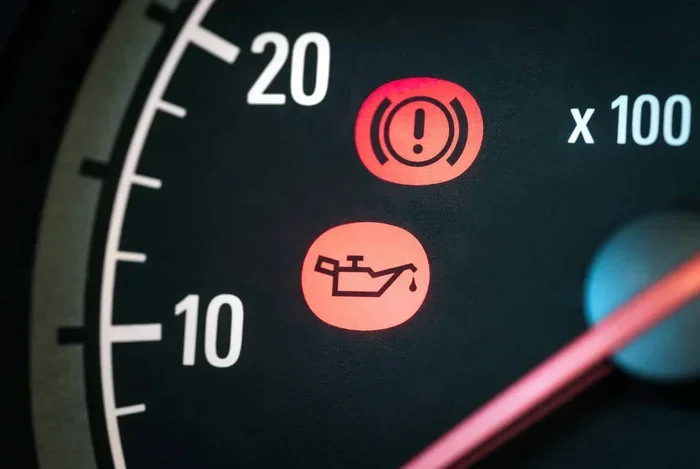
Why Does My Car Still Say Change Oil Soon After Oil Change
Why does my car still say change oil soon after oil change? This frustrating issue usually happens because the oil life monitoring system didn’t reset properly, the oil life percentage is still low, or the system is tracking driving conditions rather than just mileage. In most cases, a simple oil life reset solves the problem, but sometimes it points to a deeper maintenance issue that needs attention.
You just got your oil changed. You paid for it. You waited for it. And then you start your car the next morning, and there it is. That stubborn message on your dashboard. Why does my car still say change oil soon after oil change?
It is incredibly frustrating. You did everything right. You took your car in, or maybe you did it yourself. The fresh oil is flowing through your engine. But your car is still flashing that annoying reminder like nothing happened.
The good news is that this problem is almost always fixable. And it is usually not as complicated as you might think. In this guide, we will walk through every reason your car might still be showing that message. We will also cover exactly how to fix it, when to worry, and what you can do to prevent it from happening again.
Let us get into it.
Key Takeaways
- Reset Failure: The most common reason is that the oil life system wasn’t reset after the oil change, leaving the reminder active.
- Oil Life Percentage Matters: Your car tracks oil quality based on driving habits, not just mileage, so the percentage may still be low even after a fresh oil change.
- Sensor Issues: A faulty oil quality sensor or oil level sensor can trick your car into thinking the oil hasn’t been changed.
- Driving Conditions: Severe driving conditions like short trips, towing, or extreme temperatures can keep the oil life indicator low even after servicing.
- Simple Fix: Most of the time, a manual reset following your vehicle’s specific steps will clear the message for good.
- Know When to Seek Help: If resetting doesn’t work, there may be a deeper electrical or mechanical issue that requires professional diagnosis.
📑 Table of Contents
- Understanding Your Car’s Oil Life Monitoring System
- Why Your Car Still Says Change Oil Soon After Oil Change
- How to Reset Your Oil Change Reminder
- Common Mistakes That Keep the Oil Reminder Active
- When to See a Mechanic About the Oil Reminder
- Preventing the Oil Reminder From Coming Back
- What Other Fluids and Parts Get Checked During an Oil Change
- Final Thoughts
Understanding Your Car’s Oil Life Monitoring System
Before we dive into the fixes, it helps to understand what is actually happening under the hood. Most modern cars do not use a simple mileage-based oil change reminder. Instead, they use something called an oil life monitoring system. This is a computer system that tracks your driving habits and engine conditions to estimate when your oil needs replacing.
This system is smart. It is not just counting miles. It is watching how you drive, what temperatures your engine runs at, and how often you take short trips versus long highway drives. All of this data feeds into the system’s algorithm to determine your oil life percentage.
When that percentage drops to a certain level, usually around 15% or lower, your car triggers the change oil reminder. The system does this automatically. It does not know that you just walked into a shop and paid for fresh oil. It only knows what the sensors tell it.
How the Oil Life Percentage Works
The oil life percentage starts at 100% when you get a fresh oil change. As you drive, it slowly decreases. The rate at which it drops depends on several factors:
- Driving frequency: How often you start and stop the engine.
- Trip length: Short trips under five miles reduce oil life faster.
- Temperature extremes: Very hot or very cold weather puts more stress on oil.
- Towing or hauling: Heavy loads make the engine work harder.
- Idling time: Sitting in traffic or letting the car idle burns through oil life quickly.
So if you just got an oil change but your driving conditions are tough, the system might still show a low percentage. That is why your car might still say change oil soon even though you just serviced it. The system has not been told that fresh oil is in there.
Why Your Car Still Says Change Oil Soon After Oil Change
Now that you understand the basics, let us look at the specific reasons this happens. There are several culprits, and they range from simple fixes to more serious issues.
Reason 1: The Oil Life System Was Not Reset
This is by far the most common reason. When a mechanic changes your oil, part of the process should include resetting the oil life monitoring system. But not all mechanics do this. Some forget. Some assume you will do it yourself. And some shops are just rushed and skip it entirely.
If the system was not reset after the oil change, it keeps counting down from where it left off. Your car has no idea fresh oil was added. It just keeps tracking the old data. This is why you still see that message.
The fix is straightforward. You need to manually reset the oil life system yourself. Every car is different, but the process is usually simple. We will cover the exact steps in a later section.
Pro Tip: If you change your own oil, always reset the system immediately after. It takes about two minutes and saves you days of annoying dashboard messages.
Reason 2: The Reset Was Done Incorrectly
Sometimes the reset was attempted, but it was done wrong. Different car brands use very different procedures. For example, a Ford reset process is completely different from a Toyota reset process. If you follow the wrong steps, the system will not clear.
Some cars require you to hold a button for a specific number of seconds. Others need you to turn the ignition on and off in a particular sequence. If you rush through it or skip a step, the oil life reset does not take effect.
Check your owner’s manual for the exact reset procedure for your specific vehicle. You can also search online for a step-by-step guide for your car’s make and model. The process is almost always free and takes less than five minutes.
Reason 3: The Oil Life Percentage Is Still Low
Remember how the oil life monitoring system works based on driving conditions? Sometimes even after a reset, the percentage drops quickly if your driving habits are harsh. If you mostly take short trips around town, your oil life percentage can drop to near zero within days.
This does not mean the oil is bad. It means the system thinks it is based on the conditions it is tracking. If you live in a cold climate and only drive two miles to the grocery store, your car is essentially telling you the oil is worn out. But the reality is that the oil is still fresh.
This is one of the most confusing aspects of modern oil change systems. The car is technically following its programming correctly, but it does not match what you know to be true about your vehicle.
Reason 4: A Faulty Oil Quality Sensor
Some vehicles use an actual oil quality sensor to determine when oil needs changing. This sensor measures the oil’s viscosity, contaminants, and overall condition. If this sensor is malfunctioning, it can give false readings that tell your car the oil is bad even after a fresh change.
A faulty sensor is less common than a simple reset issue, but it does happen. Signs of a bad oil quality sensor include:
- The change oil message stays on even after a proper reset.
- The oil life percentage drops extremely fast, within hours of driving.
- The message comes back immediately after you reset it.
- You notice other strange dashboard warnings alongside the oil message.
If you suspect a sensor issue, it is worth having a mechanic hook up a diagnostic scanner to check for error codes. Replacing a sensor is usually inexpensive, but driving with a bad reading can lead to unnecessary oil changes or, worse, ignoring a real oil problem.
Reason 5: The Oil Level Sensor Is Triggering a Warning
Sometimes the message you are seeing is not about oil life at all. It might be an oil level warning. If your oil level is low, some cars display a message that looks very similar to a change oil reminder. This can be confusing.
After an oil change, it is possible that the oil level has not been set correctly. Maybe the mechanic added too little oil. Or maybe a small leak developed since the service. Either way, the car’s oil level sensor detects the low level and triggers a warning.
You can check this yourself. Pull out your dipstick and verify the oil level is between the minimum and maximum marks. If it is low, top it off and see if the message clears. If it was a level issue, this simple fix should resolve the problem immediately.
Reason 6: The Oil Filter Was Not Changed
Some cars track oil filter life alongside oil life. If the oil filter was not replaced during your oil change, the system might still show a service reminder. This is especially common with vehicles that have separate oil filter change intervals built into the monitoring system.
Always confirm with your mechanic that the oil filter was replaced. A clogged or old oil filter can reduce oil flow and compromise engine protection. Even if your car’s message clears, an old filter is not doing its job properly.
How to Reset Your Oil Change Reminder
Resetting the oil change reminder is the first thing you should try when that message pops up after a fresh oil change. The exact steps vary by vehicle, but the general process is similar across most brands.
General Reset Steps for Most Vehicles
Follow these general steps, but always refer to your owner’s manual for model-specific instructions:
- Turn the ignition to the “ON” position without starting the engine. You can usually do this by pressing the start button without pressing the brake pedal.
- Navigate to the vehicle information menu on your dashboard display. Use the steering wheel buttons or the infotainment knob to scroll through the options.
- Look for a menu item labeled “Oil Life,” “Maintenance,” or “Vehicle Info.”
- Select the option to reset or display the oil life system.
- Hold the OK or confirm button for several seconds until the display shows “Reset Complete” or the oil life percentage jumps back to 100%.
- Turn the ignition off and then start the engine again to confirm the message is gone.
Some vehicles require a different approach. For instance, certain older models use a combination of the trip odometer button and the dashboard display. If you are unsure, search for a specific reset guide for your car’s year, make, and model. It is almost always a free and quick fix.
When Resetting Does Not Work
If you followed the correct reset procedure and the message still will not go away, do not panic. There are a few other things to try before visiting a mechanic:
- Disconnect the battery: Some vehicles clear all reminders when you disconnect the negative battery terminal for 15 minutes. This resets the entire computer system.
- Check for pending codes: Some cars store pending diagnostic codes that keep the reminder active. A basic OBD2 scanner can reveal these.
- Try a different reset method: Some vehicles have multiple reset procedures depending on which menu you access. Try both the steering wheel controls and the infotainment touchscreen if your car has one.
For more detailed guidance on the reset process, check out our article on what to do after an oil change. It covers reset procedures for many popular vehicle brands and models.
Common Mistakes That Keep the Oil Reminder Active
There are several mistakes car owners make that cause the change oil message to stick around. Avoiding these can save you a lot of frustration.
Skipping the Reset After DIY Oil Changes
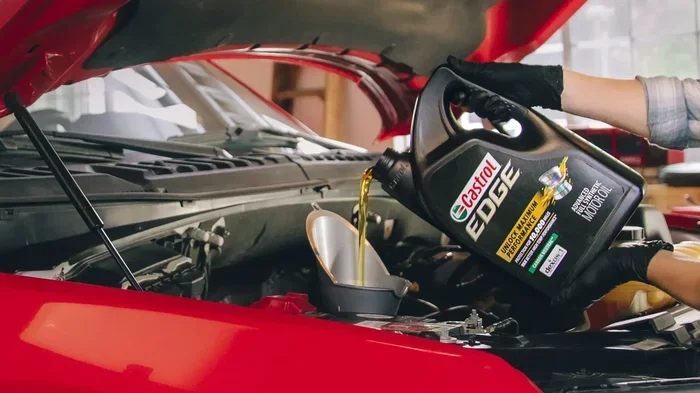
If you change your own oil, the reset step is easy to forget. You drain the old oil, drop in the new filter, pour in the fresh oil, and then you are done. But if you do not reset the system, the car keeps thinking the oil is old. This is the number one mistake people make with DIY oil changes.
Make it a habit. Every time you finish an oil change, reset the system before you drive away. Put a note on your oil jug if you need to. It takes less than two minutes and prevents days of dashboard nagging.
Using the Wrong Oil or Filter
Using the wrong grade of oil or a low-quality oil filter can sometimes trigger false readings from the oil life system. Always use the oil weight and specification recommended by your vehicle manufacturer. Check your owner’s manual or the oil cap under the hood for the correct grade.
For example, if your car requires synthetic oil and you use conventional oil, the oil life system might detect a difference in quality and trigger an early warning. To learn more about synthetic oil change intervals, read our article on whether you really need to change synthetic oil every 6 months.
Ignoring the Oil Level
A low oil level can trigger warnings that look identical to change oil reminders. Always check your oil level after an oil change. Make sure it is at the full mark on the dipstick. This simple check can rule out a false alarm before you spend time on more complicated fixes.
If you want to know more about low oil symptoms, our article on how to tell if your car is low on oil covers the warning signs in detail.
Not Clearing the System After Topping Off Oil
If you only topped off your oil rather than doing a full change, the oil life system might still be tracking the old oil. Topping off adds volume but does not reset the system’s quality tracking. A full oil change with filter replacement is the only way to truly reset the oil life percentage to 100%.
When to See a Mechanic About the Oil Reminder
Most of the time, the change oil message is nothing to worry about. A reset or a sensor check fixes it. But there are situations where you should take your car to a professional.
You should see a mechanic if:
- The message keeps coming back immediately after you reset it, multiple times in a row.
- You notice other warning lights on your dashboard alongside the oil message.
- Your oil level is full and the oil looks clean, but the message persists.
- You experience unusual engine sounds, reduced performance, or overheating.
- The oil life percentage drops to zero within hours of a reset.
These symptoms could indicate a deeper problem with the oil quality sensor, the engine’s internal condition, or the vehicle’s computer system. A qualified mechanic can run a diagnostic scan and pinpoint the exact cause.
Also, if you are uncomfortable checking your oil or resetting the system yourself, there is no shame in visiting a trusted shop. A quick oil change service includes the reset as part of the standard procedure. Just make sure to ask them to confirm the reset was completed before you leave.
Preventing the Oil Reminder From Coming Back
Once you have cleared the message, you probably want to keep it from coming back unnecessarily. Here are some tips to keep your oil life system accurate and your car running smoothly.
Follow Your Manufacturer’s Maintenance Schedule
Every vehicle comes with a recommended maintenance schedule. This schedule tells you how often to change your oil, rotate your tires, check your fluids, and more. Following this schedule keeps your car in top shape and prevents false reminders.
Do not rely solely on the oil life percentage. Use it as a guide, but also pay attention to your mileage. Most manufacturers recommend an oil change every 5,000 to 7,500 miles for conventional oil and every 7,500 to 10,000 miles for synthetic oil. If you are unsure what your car needs, check the owner’s manual or ask your dealer.
Keep a Maintenance Log
Writing down when you change your oil, what type of oil you used, and the mileage at the time of the change helps you stay on top of your vehicle maintenance. It also gives you a reference point if the oil life system ever gives you inaccurate readings.
Drive in a Way That Is Easy on Your Oil
Your driving habits directly affect how quickly the oil life percentage drops. If you want to extend the time between oil changes and keep the system accurate, try to:
- Take longer drives when possible instead of multiple short trips.
- Avoid excessive idling in traffic or while parked.
- Reduce heavy towing or hauling when it is not necessary.
- Allow your engine to warm up gradually in cold weather.
These habits not only protect your oil but also improve your overall engine health. They reduce wear and tear and help your car run more efficiently over the long term.
What Other Fluids and Parts Get Checked During an Oil Change
An oil change is one of the most common maintenance services, and it often includes a multi-point inspection. Many drivers do not realize that a lot more happens during a standard oil change than just swapping out the old oil.
During a typical oil change, a mechanic will usually:
- Drain the old oil and replace the oil filter.
- Add fresh oil to the correct level using the recommended grade.
- Reset the oil life monitoring system.
- Check the transmission fluid level and condition.
- Inspect the engine for leaks or unusual wear.
- Check the tire pressure and condition.
- Top off other essential fluids like coolant and brake fluid.
For more details on what mechanics check during an oil change, including transmission fluid inspection, read our article on whether mechanics check transmission fluid during an oil change.
Understanding what is included in an oil change helps you know what to expect and what to ask about when you take your car in for service. It also makes you a more informed car owner, which is always a good thing.
Final Thoughts
So to answer the question directly: why does my car still say change oil soon after oil change? The answer is most likely a simple reset issue. The oil life monitoring system was not cleared after the fresh oil was added, and it is still tracking the old data. In most cases, a quick manual reset solves the problem entirely.
But if resetting does not work, there are other possibilities to consider. A faulty sensor, low oil level, or incorrect oil filter could all be contributing factors. The key is to not ignore the message. Your car is trying to tell you something, and it is always better to investigate than to assume it will fix itself.
Take a few minutes to reset your system after every oil change. Check your oil level regularly. And if the message keeps coming back despite your best efforts, visit a trusted mechanic for a diagnostic check. Your engine will thank you for it.
Staying on top of your car maintenance routine keeps you safe on the road and saves you money on expensive repairs down the line. A small reminder on your dashboard is a small price to pay for a well-protected engine.
Frequently Asked Questions
Can I drive my car if it says change oil soon?
In most cases, yes. The message is a reminder, not an emergency. Your oil is likely still doing its job. However, you should not ignore it for too long. If the oil life percentage is very low, get your oil changed soon to protect your engine from wear and damage.
How do I know if my oil change was successful?
Check your oil level with the dipstick to make sure it is at the full mark. Listen for any unusual engine noises when you start the car. The oil should look clean and amber on the dipstick. If your car has an oil life monitoring system, confirm that it was reset after the service.
Why does my oil life percentage drop so fast even after a reset?
Your car’s system tracks driving conditions, not just mileage. Short trips, cold weather, heavy traffic, and towing all cause the percentage to drop faster. If your driving habits involve these conditions, the system is working correctly, even if the percentage seems surprisingly low.
Do I need to use synthetic oil to make the message go away?
No. The type of oil you use does not directly affect whether the change oil message appears. The message is controlled by the oil life monitoring system, which tracks driving habits and oil quality. However, using the oil type recommended by your manufacturer helps the system give more accurate readings.
Can a bad oil filter cause the change oil light to stay on?
Yes, in some vehicles. If the oil filter was not replaced during your oil change, the system might still register that a filter service is due. This can keep the reminder active. Always confirm that the oil filter was swapped out during your service.
How often should I reset my oil life system?
You should reset the system every time you get an oil change. This includes both professional services and DIY oil changes. Resetting after each change ensures the system accurately tracks the life of your fresh oil and gives you reliable reminders going forward.