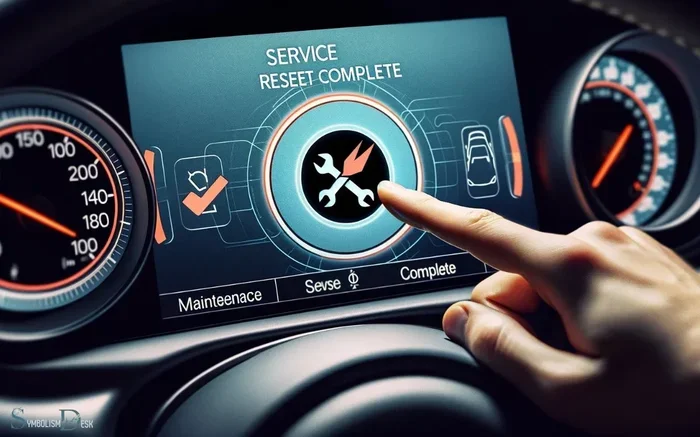
Where Is My Tire Pressure Reset Button On My Vehicle
Finding your tire pressure reset button is easier than you think. The button location varies by vehicle make and model, but it is usually found under the steering column, on the dashboard, or inside the driver’s door panel. This guide walks you through the exact steps to reset your tire pressure monitoring system on almost any car.
Key Takeaways
- Location Varies: The tire pressure reset button placement depends on your vehicle’s make, model, and year.
- Common Spots: Most vehicles hide the button under the steering wheel, on the dashboard, or inside the driver’s door frame.
- TPMS Matters: The tire pressure monitoring system keeps you safe by alerting you to low air levels.
- Reset Is Simple: You can usually complete the reset process in under five minutes without any tools.
- Check Your Manual: Your vehicle owner manual is the best resource for finding the exact reset procedure.
- Safety First: Always check your tire pressure with a gauge before resetting the system.
📑 Table of Contents
- Where Is My Tire Pressure Reset Button On My Vehicle?
- What Does the Tire Pressure Warning Light Mean?
- Common Locations for the Tire Pressure Reset Button
- How to Reset Your Tire Pressure Monitoring System
- What If the Reset Button Does Not Work?
- Quick Tips for Maintaining Proper Tire Pressure
- Understanding Your Vehicle Owner Manual
- When to Seek Professional Help
- Key Takeaways
- Conclusion
Where Is My Tire Pressure Reset Button On My Vehicle?
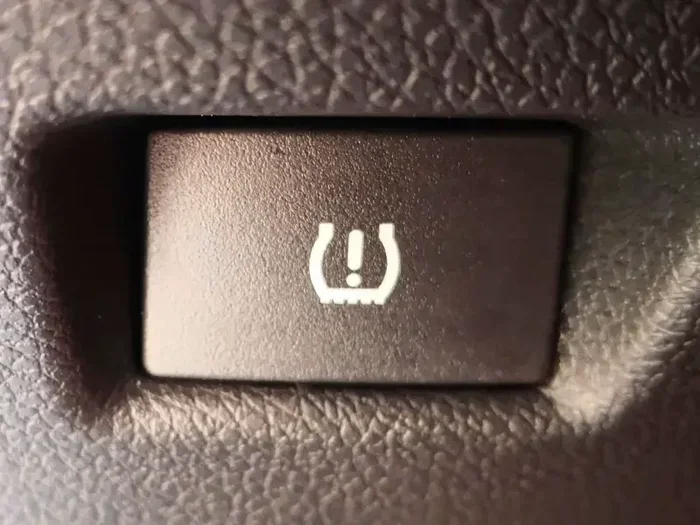
You are driving down the road, and suddenly a yellow light pops up on your dashboard. It looks like a horseshoe with an exclamation mark in the middle. That is your tire pressure warning light, and it means something is off with your air levels.
Before you panic, take a deep breath. In most cases, you just need to find and press the tire pressure reset button. But here is the tricky part: every car maker hides that button in a different spot. Some place it under the steering wheel. Others tuck it inside the glove box or on the center console. This guide will help you locate the reset button for your specific vehicle and walk you through the entire process step by step.
Knowing where your TPMS reset button is can save you a trip to the mechanic and a lot of unnecessary worry. Let us dive right in.
What Does the Tire Pressure Warning Light Mean?
Before we talk about where the button is, let us quickly cover what the light actually means. Your vehicle uses a system called the Tire Pressure Monitoring System, or TPMS for short. This system uses sensors inside each tire to measure the air pressure. When the pressure drops below the recommended level, the warning light turns on.
There are two types of TPMS systems:
- Direct TPMS: This system uses a small sensor inside each tire valve stem. It sends real-time pressure data to your car’s computer.
- Indirect TPMS: This system uses the wheel speed sensors already in your vehicle. It detects when a tire is spinning faster than the others, which happens when pressure is low.
Either way, the warning light means you should check your tire pressure soon. Driving on underinflated tires can reduce fuel efficiency, cause uneven tire wear, and even lead to a blowout. That is why knowing how to reset the system after you fix the problem is so important.
Why Does the Light Stay On After You Fix the Tires?
Here is something many car owners do not know. Even after you inflate your tires to the correct level, the warning light may stay on. This happens because the system needs to be manually told that the problem is fixed. That is exactly what the tire pressure reset button does. It tells the car’s computer, “Hey, the tires are fine now. Turn off the light.”
Common Locations for the Tire Pressure Reset Button
The TPMS reset button is not in one universal spot. Car manufacturers place it in different locations depending on the vehicle. Below are the most common places you will find it.
Under the Steering Wheel
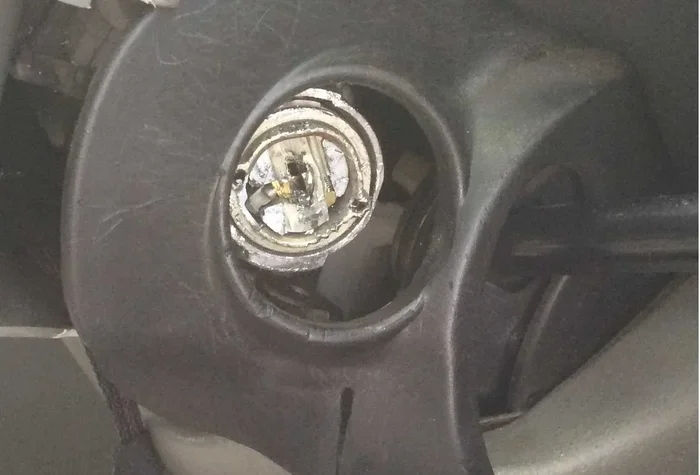
This is the most common location across many vehicle brands. Look at the lower part of the dashboard, just below the steering column. You may need to feel around with your fingers because the button is often small and flush with the panel. In some vehicles, you will find it near the steering column lock or beneath the instrument panel cover.
For example, many Toyota models have the reset button located under the steering wheel on the lower left side. You might need to kneel down and look up to spot it. In Honda vehicles, it is often found in the same general area but may be labeled as the TPMS button.
On the Driver’s Side Door Panel
Some vehicles place the reset button on the door panel or the door frame itself. Open the driver’s door and look along the lower edge of the panel. You might find a small button with a label that says “TPMS” or shows a tire icon with an exclamation point.
Ford vehicles often use this location. The tire pressure reset button on many Ford models is found on the driver’s door side, near the seatbelt retractors. You press it with the door open, and the system starts the reset process.
On the Center Console or Dashboard
A few vehicle brands hide the reset button on the center console, between the front seats, or on the dashboard itself. In some luxury vehicles, the reset function is built into the infotainment screen instead of being a physical button. You would navigate through the settings menu to find the TPMS reset option.
Inside the Glove Box
In some older models, the TPMS reset button is tucked inside the glove compartment. Open the glove box and look at the underside of the lid or the side walls. This location is less common in newer vehicles but still appears in some models.
How to Reset Your Tire Pressure Monitoring System
Now that you know where to look, let us walk through the actual reset process. The steps are similar across most vehicles, but there may be slight differences depending on your car’s make and model.
Step 1: Check Your Tire Pressure First
Before you even think about pressing the reset button, make sure your tires are properly inflated. Use a reliable tire pressure gauge to check each tire, including the spare. You can find the recommended pressure level on the sticker inside the driver’s door frame. This sticker shows the correct PSI for both front and rear tires.
If any tire is low, add air until it reaches the recommended level. Driving on properly inflated tires is the most important step in the entire process.
Step 2: Turn the Ignition to the On Position
Turn the key to the “On” position or press the start button without starting the engine. The dashboard lights should come on, but the engine should not be running. This puts the vehicle in accessory mode, which allows the TPMS system to enter reset mode.
Step 3: Press and Hold the Reset Button
Find the tire pressure reset button and press and hold it. You should see the warning light on the dashboard start to flash. Keep holding the button until the light blinks three times and then turns off. This confirms the system has entered reset mode.
Step 4: Start the Engine and Drive
Turn the engine on and drive the vehicle for about 10 to 20 minutes at a steady speed. The TPMS system will recalibrate itself during this drive. After a few miles, the warning light should stay off, which means the reset was successful.
Step 5: Verify the Reset
After driving, check the dashboard to confirm the warning light is no longer on. If the light comes back on, your tires may still be low, or there could be a sensor issue. In that case, you should inspect your tire pressure sensor more closely or visit a professional.
What If the Reset Button Does Not Work?
Sometimes the TPMS reset process does not go as smoothly as you would hope. If the warning light stays on after you follow all the steps, do not panic. There are several reasons this can happen.
One or More Tires Are Still Low
This is the most common reason the light stays on. Double-check every tire with a tire pressure gauge. Sometimes a slow leak is hard to detect by eye. Even a few PSI below the recommended level can trigger the warning light.
A Sensor May Be Faulty
Each tire has a TPMS sensor inside the valve stem. These sensors can fail over time due to battery death or physical damage. If one sensor is not working, the system will continue to show a warning. You may need to manually check and inflate your tires and then have the sensor replaced by a mechanic.
The System Needs a Full Recalibration
In some vehicles, the TPMS system needs a more involved recalibration process. This often requires a diagnostic tool that a dealership or auto shop can provide. If you have tried the manual reset and the light persists, it is worth having a professional run a diagnostic scan.
You May Have a Temperature Change
Cold weather can cause tire pressure to drop temporarily. If you recently experienced a big temperature swing, the light may come back on even though your tires are fine. Try the reset process again after the tires have warmed up from driving.
Quick Tips for Maintaining Proper Tire Pressure
Keeping your tires properly inflated is one of the simplest and most effective things you can do for your vehicle. Here are some quick tips to help you stay on top of your tire pressure maintenance:
- Check your tires monthly: Make it a habit to inspect tire pressure at least once a month. Air naturally leaks out over time, so regular checks keep you ahead of problems.
- Check before long trips: Always verify your tire pressure before a road trip. Properly inflated tires improve safety and fuel economy.
- Do not rely on the dashboard light alone: By the time the warning light comes on, your tires are already significantly low. Check pressure regularly so you do not wait for the light.
- Keep a tire gauge in your glove box: A small handheld gauge is inexpensive and incredibly useful. You can check your pressure anywhere, anytime.
- Check the spare tire too: The spare often gets forgotten. Make sure it is also at the recommended pressure level.
- Look for the recommended PSI on the door sticker: Every vehicle has a sticker with the correct tire pressure. Do not guess. Use the numbers on that sticker.
Understanding Your Vehicle Owner Manual
Your vehicle owner manual is one of the most underrated resources for car maintenance. If you are unsure where your tire pressure reset button is located, the manual will have the exact answer. Look for the section on the TPMS system or tire maintenance. Most manuals include a diagram showing the location of the reset button and the step-by-step reset procedure.
If you have lost your physical manual, you can usually find a digital copy on the manufacturer’s website. Simply search for your vehicle’s make, model, and year, and the manual should be available as a free PDF download.
For vehicles where the reset process is integrated into the infotainment system, the manual will guide you through the menu steps. Some newer vehicles do not even have a physical reset button. Instead, you navigate to the vehicle settings on the screen, find the TPMS option, and select “Reset.”
When to Seek Professional Help
Most of the time, resetting your tire pressure monitoring system is a simple DIY task. But there are situations where you should call in a professional. If you have checked all your tires, inflated them properly, and the reset process does not clear the light, something deeper may be going on.
You should also seek help if you notice any of the following:
- The warning light comes back on shortly after a reset.
- One or more tires lose air quickly, indicating a possible leak or puncture.
- The TPMS light flashes instead of staying solid, which can indicate a sensor malfunction.
- You are unsure how to access the reset button or are uncomfortable doing it yourself.
A trusted mechanic or dealership can run a diagnostic scan, replace faulty sensors, and make sure your TPMS system is working correctly. If you own a Toyota, remember that you can take your Toyota to any dealership for service, which gives you flexibility and convenience.
Key Takeaways
- Button Location Varies: The tire pressure reset button can be found under the steering wheel, on the driver’s door panel, on the center console, or inside the glove box depending on your vehicle.
- Reset Process Is Simple: Check tire pressure, turn the ignition on, press and hold the reset button until the light flashes, then drive for 10 to 20 minutes.
- TPMS Keeps You Safe: The tire pressure monitoring system alerts you to dangerous pressure levels that can affect handling, fuel economy, and tire life.
- Check Before You Reset: Always verify that all tires are properly inflated before attempting the reset. Otherwise, the light will just come back on.
- Consult Your Manual: Your vehicle owner manual provides the most accurate information about your specific model’s reset procedure.
- Seek Help When Needed: If the light persists after a reset, a professional diagnostic may be needed to identify sensor issues or leaks.
Conclusion
Finding and using your tire pressure reset button does not have to be a mystery. Whether it is tucked under the steering wheel, hidden on the door panel, or buried in the infotainment menu, the process is almost always straightforward once you know where to look. The key is to check your tire pressure first, perform the reset correctly, and then drive the vehicle long enough for the system to recalibrate.
Regular tire maintenance is one of the easiest ways to keep your vehicle running safely and efficiently. A simple tire pressure check once a month can prevent uneven wear, improve fuel economy, and reduce the risk of a blowout on the highway. So take a few minutes, grab a gauge, and make it a habit.
If you ever run into trouble or the warning light keeps coming back, do not hesitate to reach out to a professional. Your safety on the road depends on properly inflated tires, and a functioning TPMS system is your first line of defense. Stay proactive, stay informed, and keep driving with confidence.
Frequently Asked Questions
Can I drive my car if the tire pressure warning light is on?
You can drive short distances, but it is not recommended. Low tire pressure affects handling, braking, and fuel efficiency. Check your tire pressure as soon as possible and inflate to the recommended level before driving long distances.
How do I know the correct tire pressure for my vehicle?
The recommended tire pressure is listed on a sticker inside the driver’s door frame. You can also find it in your vehicle owner manual. Do not use the number printed on the tire itself, as that is the maximum pressure, not the recommended pressure.
Why does my tire pressure light come back on after I reset it?
This usually means one or more tires are still below the recommended pressure. Check all tires with a gauge, including the spare. If the light keeps returning, you may have a slow leak or a faulty TPMS sensor that needs replacement.
Is it safe to reset the TPMS light without checking the tires?
No. Resetting the system without checking the tire pressure first is not safe. The warning light is there for a reason. Always verify that your tires are properly inflated before performing the reset. Ignoring low pressure can lead to unsafe driving conditions and premature tire wear.
Can cold weather trigger the tire pressure warning light?
Yes. Cold temperatures cause the air inside tires to contract, which lowers the pressure. This can trigger the warning light even if the tires were properly inflated in warmer weather. Check your pressure when temperatures drop and add air if needed.
How much does it cost to replace a TPMS sensor?
The cost varies by vehicle but typically ranges from $50 to $100 per sensor. Some vehicles have sensors that are easier to replace than others. If you need a replacement, check with your local dealership or a trusted mechanic for an accurate quote.