What Happens If You Do Not Change Oil For A Long Time
If you skip what happens if you do not change oil for a long time, your engine faces serious damage. Sludge builds up, metal parts grind, and eventually your engine could seize. This guide explains the risks, warning signs, and how often you really need to change your oil.
Every car owner knows oil changes matter, but many still push them off. You might think a few extra miles won’t hurt. The truth is, what happens if you do not change oil for a long time can be devastating. Your engine relies on clean oil to reduce friction, cool parts, and carry away dirt. When that oil breaks down, your engine starts to suffer. This article walks you through exactly what goes wrong, how to spot trouble early, and how to keep your engine running strong for years.
Engine oil is not just a fluid. It is a complex blend of base oils and additives designed to protect metal surfaces. Over time, heat and contaminants break down these additives. The oil thickens or thins out, losing its ability to do its job. Ignoring this leads to a chain reaction of damage. Let us look at why oil matters so much in the first place.
Key Takeaways
- Engine oil is the lifeblood of your vehicle: Without fresh oil, metal parts grind and heat builds up fast.
- Skipping oil changes leads to sludge and wear: Old oil loses its ability to lubricate, clean, and cool.
- Warning signs include dark oil, strange noises, and overheating: Catching these early can save you thousands.
- Oil change intervals vary by vehicle and oil type: Synthetic oil often lasts longer than conventional oil.
- Neglecting oil changes voids warranties and risks engine failure: A new engine costs far more than routine maintenance.
- Simple habits keep your engine healthy: Check oil levels monthly and stick to a regular maintenance schedule.
📑 Table of Contents
Why Engine Oil Matters
Think of engine oil as the bloodstream of your car. Just like your body needs blood to move nutrients and remove waste, your engine needs oil to lubricate and protect. Without it, metal parts would grind against each other within seconds. Here is what clean oil does for your engine every single day.
The Jobs of Engine Oil
- Lubrication: Oil creates a thin film between moving parts like pistons, crankshafts, and camshafts. This reduces friction and prevents metal-to-metal contact.
- Cooling: Oil absorbs heat from hot spots inside the engine and carries it away. Your radiator handles some heat, but oil tackles the rest.
- Cleaning: Detergents in oil trap soot and carbon particles, keeping them suspended until the oil filter catches them.
- Sealing: Oil helps seal the gap between piston rings and cylinder walls, maintaining compression and power.
- Corrosion protection: Additives neutralize acids that form from fuel combustion, protecting metal surfaces from rust.
What Oil Deals With Every Day
Every time you drive, your engine oil faces extreme conditions. Temperatures inside the combustion chamber can exceed 400 degrees Fahrenheit. The oil also picks up tiny metal shavings, dust, and fuel residues. Over time, these contaminants overwhelm the oil’s ability to stay clean. The additives deplete, and the oil’s viscosity changes. This is why regular oil changes are non-negotiable.
What Happens If You Do Not Change Oil For A Long Time
When you skip oil changes, the oil slowly loses its effectiveness. The damage does not happen overnight, but it builds up steadily. Here is a timeline of what goes wrong as time passes.
Short-Term Effects (Weeks to a Few Months Overdue)
After the oil change interval passes, the oil begins to darken and lose some of its detergent properties. You might not notice any driving difference yet, but the oil is starting to degrade. Contaminants start to accumulate. If you drive in stop-and-go traffic or extreme heat, this process speeds up. The oil life monitor in your car, which tracks oil life percentage, will eventually hit zero. At that point, the oil is no longer providing optimal protection.
Medium-Term Damage (Several Months to a Year Overdue)
As months pass, the oil thickens and forms sludge. Sludge is a gooey mixture of dirt, carbon, and old oil that clogs passages. Oil flow drops, meaning critical parts like the camshaft and valves receive less lubrication. You might notice a slight drop in fuel efficiency because the engine works harder. Metal friction increases, causing microscopic wear on bearings and cylinder walls. If you hear a faint ticking or knocking sound, that is early warning.
Long-Term Consequences (Over a Year Without a Change)
After a year or more, the damage becomes severe. Sludge can completely block oil passages, starving the engine of lubrication. Metal parts start to grind directly against each other. Bearings wear out, pistons scuff cylinder walls, and the engine overheats. In the worst case, the engine seizes entirely. At this stage, a rebuild or replacement is the only option. A new engine can cost anywhere from $4,000 to $8,000 or more. Compare that to a simple oil change every few thousand miles, and the math is clear.
Warning Signs Your Oil Is Gone Bad
You do not have to wait for a catastrophic failure. Your car sends signals when the oil is no longer doing its job. Learning to spot these signs can save you from major repairs.
Visual Cues
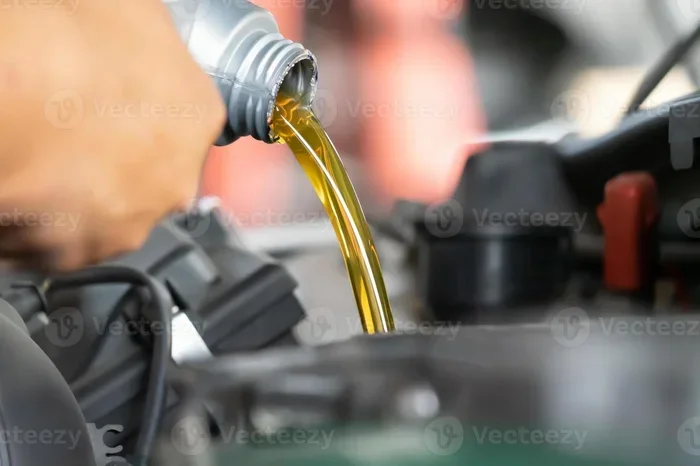
Check your oil dipstick regularly. Fresh oil is amber or golden brown. As it ages, it turns dark brown or black. If the oil on your dipstick looks like thick tar or has a gritty texture, it is way past due. You can also check the oil level. If it is consistently low, you may have a leak or burning oil issue. To learn more about low oil symptoms, see how to tell if your car is low on oil.
Sounds and Smells
A healthy engine runs quietly. If you hear a persistent ticking, clattering, or knocking noise, the oil may not be reaching the top of the engine. Old oil loses its viscosity and fails to cushion valve train components. You might also smell a burnt odor inside the cabin, which indicates overheating oil or an oil leak onto hot engine parts.
Dashboard Alerts
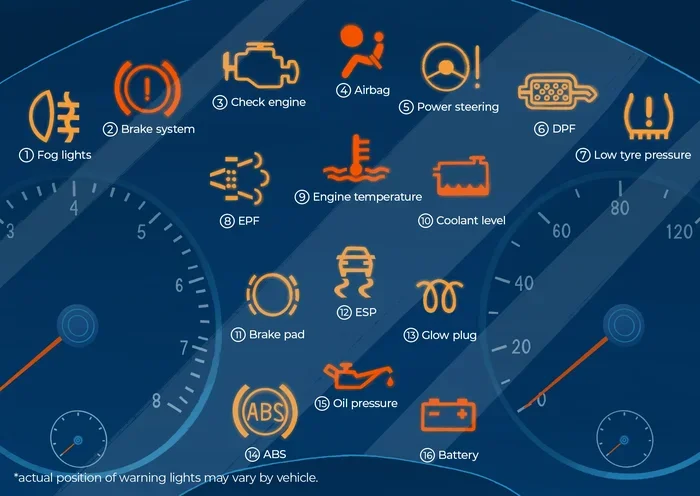
Modern cars have oil pressure warning lights and check engine lights. If the oil pressure light comes on, pull over immediately. Driving with low oil pressure can destroy your engine in minutes. A check engine light might also appear if oil-related issues affect sensor readings. Do not ignore these warnings.
Oil Change Intervals: Myths vs. Facts
There is a lot of confusing advice about how often to change oil. Let us separate fact from fiction so you can make the right decision for your car.
The 3,000-Mile Myth
You have likely heard you must change oil every 3,000 miles. This rule comes from older conventional oils and severe driving conditions. Today, most cars using synthetic or synthetic blend oils can go 7,500 to 10,000 miles between changes. Always follow your vehicle owner’s manual. The manual considers your engine design, oil type, and typical driving conditions.
Synthetic Oil and Long Intervals
Synthetic oil is engineered to resist breakdown at high temperatures. It maintains its viscosity longer and contains stronger detergents. Many manufacturers now recommend synthetic oil with intervals of 10,000 miles or more. If you use synthetic oil, you can safely extend your change interval. Just keep an eye on the oil life monitor and reset your oil change reminder after each service to keep the system accurate.
How Your Driving Style Affects Intervals
Short trips, towing, and extreme heat are considered severe service. In these conditions, oil breaks down faster. If you frequently drive in stop-and-go traffic or haul heavy loads, you may need to change oil more often than the standard interval. Conversely, if you mostly drive on highways at steady speeds, your oil may last longer.
The Real Cost of Skipping Oil Changes
Some drivers avoid oil changes to save money. In reality, skipping this simple service costs far more in the long run. Let us break down the financial impact.
Repair Bills vs. Oil Change Cost
A standard oil change costs between $35 and $75 for conventional oil, and $65 to $125 for synthetic. Compare that to the cost of fixing a damaged engine. Sludge removal alone can cost $500 to $1,000. Replacing worn bearings runs $1,500 to $3,000. A full engine rebuild or replacement can exceed $5,000. The math shows that regular oil changes are the cheapest insurance you can buy.
Impact on Vehicle Longevity
A well-maintained engine can last 200,000 miles or more. Engines that suffer from neglected oil changes often fail before 100,000 miles. Clean oil preserves internal components, keeps friction low, and prevents overheating. When you invest in regular oil changes, you are directly extending the life of your vehicle.
Warranty Voiding
If your car is still under warranty, failing to follow the manufacturer’s maintenance schedule can void coverage. Warranty providers require proof of regular oil changes. If a subsequent engine failure is linked to old oil, they may deny the claim. Keep all service records, including oil change receipts, in a safe place.
Keep Your Engine Healthy: Simple Habits
Protecting your engine does not require mechanic skills. A few simple habits make a huge difference.
Set Reminders
Use your phone calendar or a maintenance app to track your next oil change. Many newer cars have built-in maintenance reminders. When the light comes on, do not delay. Schedule the service within the next week.
Check Oil Between Changes
Get in the habit of checking your oil level once a month. Park on level ground, wait for the engine to cool, and pull out the dipstick. Wipe it clean, reinsert it, then check the level against the minimum and maximum marks. If it is low, top it off with the oil type recommended in your owner’s manual. You can also learn how to safely add oil if it is low.
Choose the Right Oil
Always use the oil weight and specification recommended by your car manufacturer. The correct oil ensures proper lubrication and protects sensitive components. If you are unsure, ask your mechanic or check the owner’s manual. Using the wrong oil can lead to poor performance and increased wear.
Do Not Ignore the Oil Filter
The oil filter traps contaminants and keeps the oil clean. A clogged filter restricts oil flow and accelerates engine wear. Replace the oil filter every time you change the oil. A quality filter, like those from trusted brands, ensures your oil stays clean longer.
Conclusion
What happens if you do not change oil for a long time is not a mystery. It is a path toward sludge, metal friction, overheating, and eventual engine failure. The good news is that staying on top of oil changes is simple and affordable. By following your owner’s manual, watching for warning signs, and using quality oil and filters, you protect your engine and your wallet. Do not wait for a knocking sound or a check engine light. Schedule your next oil change today and give your car the care it deserves.
Frequently Asked Questions
How long can you go without an oil change?
Most modern cars can go between 5,000 and 10,000 miles with synthetic oil. However, driving habits and conditions matter. If you tow, drive in extreme heat, or make frequent short trips, you should shorten the interval. Always check your owner’s manual for the manufacturer’s recommendation.
What are the first signs of bad oil?
Dark, gritty oil on the dipstick is the first visual sign. You may also notice a ticking noise from the engine, reduced fuel efficiency, or a burning smell. If the oil pressure warning light illuminates, pull over safely and check your oil level immediately.
Can I just add oil instead of changing it?
Adding oil temporarily raises the level, but it does not replace the contaminated oil. Old oil still contains sludge, metal particles, and depleted additives. You need a full drain and fill to remove the degraded oil and refresh the system. Topping off is only a short-term fix between proper changes.
Does synthetic oil last longer than conventional oil?
Yes, synthetic oil is designed to resist thermal breakdown and maintain its viscosity longer. It can typically last 7,500 to 15,000 miles depending on the brand and driving conditions. Synthetic oil also contains superior detergents that keep engine internals cleaner.
What happens if my engine runs out of oil completely?
Running out of oil causes metal parts to grind against each other without any lubrication. Within minutes, bearings can weld themselves to the crankshaft, and pistons can seize in the cylinders. This results in catastrophic engine failure that often requires a full replacement.
Is it worth changing oil yourself?
If you have basic mechanical skills and the right tools, DIY oil changes can save you money. You will need a wrench, drain pan, funnel, and the correct oil and filter. Make sure you dispose of the old oil properly at a recycling center. If you are unsure, a professional oil change is quick and affordable.