How to Reset Check Engine Light Without Disconnect Battery
Reset Check Engine Light Without Disconnect Battery using an OBD-II scanner, a drive cycle, or simple ignition tricks. This guide shows you exactly how to clear the light safely and avoid costly trips to the mechanic. Learn the step-by-step methods that work for most vehicles.
The check engine light can come on for many reasons, from a loose gas cap to a faulty oxygen sensor. Many drivers panic and think they must disconnect the battery to reset it. But you can reset check engine light without disconnecting battery using simple tools and methods. In this guide, I’ll show you how to reset check engine light without disconnect battery safely. You’ll learn three proven methods that work on most vehicles, plus tips to prevent the light from coming back.
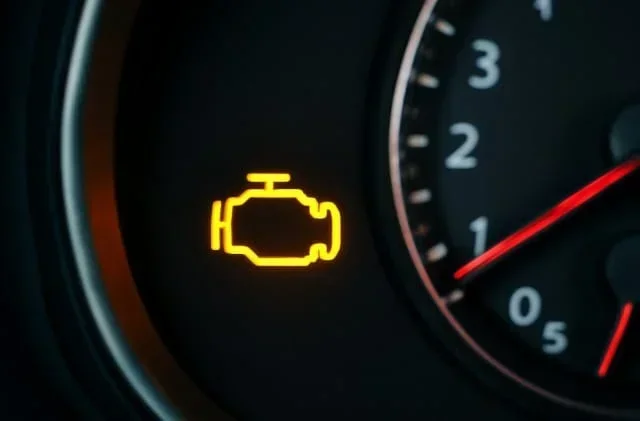
That little yellow light on your dash can make your heart sink. It might glow steady or blink, and either way it demands attention. The good news is that you do not always need a mechanic or a dead battery to clear it. A few minutes with the right tool or a short drive cycle can do the trick. Let’s walk through exactly how to do it.
Key Takeaways
- Use an OBD-II Scanner: The most reliable way to reset the light and read trouble codes.
- Try a Drive Cycle: Let the car’s computer clear codes naturally after a series of driving conditions.
- Avoid Battery Disconnect: Disconnecting the battery can erase radio presets and adaptive settings.
- Check for Underlying Issues: A reset won’t fix the problem; the light will return if the fault persists.
- Manual Reset Tricks: Turning the ignition on and off can sometimes clear minor codes.
- When to Seek Help: If the light flashes or returns quickly, see a mechanic immediately.
📑 Table of Contents
- Understanding Why the Check Engine Light Comes On
- How to Reset Check Engine Light Without Disconnecting the Battery
- Why Disconnecting the Battery Is Not the Best Idea
- Common Mistakes That Cause the Light to Return
- When to See a Mechanic Instead of DIY Reset
- Final Thoughts: Keeping Your Car in Top Shape
Understanding Why the Check Engine Light Comes On
The check engine light is part of your car’s onboard diagnostics system. When the engine control unit (ECU) detects a problem, it stores a trouble code and turns on the light. These codes help you pinpoint the issue. Sometimes the trigger is minor, like a loose fuel cap. Other times it signals a serious fault such as a failing catalytic converter or a misfire.
If you want to run diagnostics without a check engine light, you can use a scanner that reads codes even when the light is off. Can You Run Diagnostics Without a Check Engine Light? This article explains how to access codes even when the light is not illuminated. Understanding what the code means helps you decide whether a simple reset is enough or if you need repairs first.
Common triggers include a loose gas cap, a faulty oxygen sensor, a bad spark plug, or a problem with the emissions system. The ECU monitors dozens of sensors and will flag any reading that falls outside the normal range. Once the issue is fixed, the light can be cleared. But if you clear it before fixing the root cause, it will just come back.
How to Reset Check Engine Light Without Disconnecting the Battery
There are several ways to reset the check engine light without touching the battery. Each method has its own advantages. Some are quick and easy, while others give you more control. Below I’ll walk through the three most effective methods, along with a comparison table to help you choose the best one.
Method 1: Use an OBD-II Scanner to Reset the Light
An OBD-II scanner is the most reliable tool for resetting the light. It plugs into the diagnostic port under your steering column. The scanner reads the stored trouble codes and lets you clear them. This method works on almost every car made after 1996.
First, locate the OBD-II port. It’s usually under the dash on the driver’s side. Plug the scanner in and turn the ignition to the “on” position (do not start the engine). The scanner will power up and connect to the ECU. Follow the on-screen prompts to read the codes. Write them down or take a photo. Then choose the option to clear the codes. The check engine light should turn off immediately.
If you prefer to do it yourself, Can I Clear the Check Engine Light Myself? covers the DIY approach in detail. A basic OBD-II scanner costs under $50 and is a great investment for any car owner. You can also find free code readers at auto parts stores like AutoZone.
Method 2: Drive Cycle Reset to Clear Codes Naturally
A drive cycle is a series of driving conditions that allow the ECU to relearn and clear minor codes. This method takes a bit longer, but it does not require any tools. It works best for codes caused by temporary issues like a loose gas cap or a short-circuited sensor.
Start by turning the ignition off and waiting at least 30 seconds. Then start the engine and let it idle for two minutes. Drive the car at a steady speed of 55 mph for about 10 minutes. Then slow down and come to a complete stop. Repeat this cycle three to four times. The ECU monitors the data and will clear the codes if the problem is resolved.
Some vehicles require a specific drive cycle. Check your owner’s manual or search online for your car’s model year. The drive cycle method is gentle and does not erase any other settings in your car.
Method 3: The Ignition Toggle Trick
The ignition toggle trick is a quick fix that sometimes works for minor codes. It involves turning the ignition on and off a few times to reset the ECU. This method is not as reliable as an OBD-II scanner, but it can clear a light that came on due to a temporary glitch.
Turn the ignition to the “on” position without starting the engine. Wait for 10 seconds, then turn it off. Wait another 10 seconds, then turn it back on. Repeat this three times. After the third cycle, start the engine and see if the light is off. If the light stays off, the reset worked. If it comes back, you’ll need a scanner or a drive cycle.
Here’s a quick comparison of the three methods:
| Method | Tools Needed | Time Required | Reliability |
|---|---|---|---|
| OBD-II Scanner | Scanner (or free at parts store) | 5-10 minutes | Very High |
| Drive Cycle | None | 30-60 minutes | Medium |
| Ignition Toggle | None | 2-3 minutes | Low to Medium |
Sometimes the light turns off on its own after a few driving cycles. Can a Check Engine Light Turn Off on Its Own? explains why that happens and when you should still get it checked. Even if the light goes away, it’s wise to verify that the underlying issue is truly resolved.
Why Disconnecting the Battery Is Not the Best Idea
Many people think disconnecting the battery is the fastest way to reset the check engine light. While it does clear the codes, it comes with several downsides. When you disconnect the battery, you erase all the adaptive learning in your car’s computer. This includes radio presets, clock settings, power window calibration, and even idle relearn data.
Some vehicles also require a relearn procedure for the power steering and brakes after a battery disconnect. In newer cars with advanced electronics, a battery disconnect can cause more problems than it solves. You might end up with a check engine light that won’t turn off because the ECU needs time to relearn everything.
If you do need to disconnect the battery, always consult your owner’s manual first. Use a memory saver device to keep the ECU settings intact. For most people, the OBD-II scanner or drive cycle method is far easier and safer.
Common Mistakes That Cause the Light to Return
Resetting the light is only half the battle. If you don’t fix the root cause, the light will come back within a few days or miles. Here are the most common mistakes drivers make when trying to clear the check engine light.
- Ignoring the codes: Writing down the codes and looking them up is essential. A code like P0420 means a catalytic converter efficiency problem. Simply resetting it won’t fix the converter.
- Using a cheap scanner: Some generic scanners only read generic codes. A proper OBD-II scanner reads manufacturer-specific codes too. How Do I Manually Clear My Car Codes? gives tips on choosing the right tool.
- Clearing the light before repairs: If you clear the light before fixing a loose gas cap or a bad sensor, the ECU will just set the code again.
- Not completing a drive cycle: After clearing codes, the ECU needs to run through its full drive cycle to verify everything is working. Skipping this can cause the light to return.
- Assuming the light means the car is broken: A steady check engine light often indicates a minor issue. A flashing light, however, means a severe misfire that can damage the catalytic converter.
Avoiding these mistakes saves you time and money. Take a few minutes to understand the code before you reset anything.
When to See a Mechanic Instead of DIY Reset
There are times when a DIY reset is not enough. If the check engine light flashes, pull over safely and get the car towed. A flashing light indicates a severe engine misfire that can overheat the catalytic converter and cause expensive damage.
Also see a mechanic if you notice other symptoms along with the light. These include rough idling, loss of power, strange noises, or a smell of fuel. The light might be a warning of a serious problem that needs professional diagnosis. A mechanic can plug in a professional-grade scanner and read the freeze frame data to see exactly what was happening when the code was set.
If you’ve reset the light and it returns within a few days, that’s another sign you need expert help. The underlying issue is still present, and ignoring it can lead to higher repair costs down the road. A trusted mechanic can give you a proper estimate and fix the problem right the first time.
Final Thoughts: Keeping Your Car in Top Shape
Resetting the check engine light without disconnecting the battery is easier than most people think. You can use an OBD-II scanner, complete a drive cycle, or try the ignition toggle trick. Each method has its place, and knowing which one to use can save you time and money.
Always remember that the check engine light is a warning system. Resetting it is just the first step. You must address the underlying issue to keep your car running smoothly. Use the codes you read to guide your repairs, and don’t be afraid to seek professional help when needed.
With the right approach, you can clear the light and drive with confidence. Keep a basic OBD-II scanner in your glove box, and you’ll be prepared for the next time that little yellow light comes on. Your car will thank you for the quick attention, and you’ll avoid bigger problems down the road.
Frequently Asked Questions
Can I drive with the check engine light on after resetting it?
You can drive a short distance if the light is steady and the car runs normally. However, if the light comes back immediately or flashes, stop driving and have the car towed. A flashing light signals a serious problem that can damage your engine or catalytic converter.
Will resetting the check engine light clear all trouble codes?
Yes, a proper reset clears the stored codes from the ECU memory. However, if the root cause is still present, the ECU will set the codes again during the next drive cycle. Always fix the underlying issue first to prevent the light from returning.
How long does a drive cycle take to reset the check engine light?
A full drive cycle usually takes 30 to 60 minutes of mixed driving. You need to complete cold starts, idle periods, and highway driving. The exact procedure varies by vehicle, so check your owner’s manual for the specific drive cycle requirements.
What if the check engine light comes back after I reset it?
If the light returns within a few days, the problem is still present. You should retrieve the codes again and address the specific fault. Ignoring it can lead to higher repair costs and potential emissions test failures.
Do I need any special tools to reset the check engine light?
An OBD-II scanner is the most helpful tool. You can buy a basic one for under $50 or borrow one from an auto parts store. Some scanners also clear codes and turn off the light without any cost. The ignition toggle method requires no tools at all.
Is it safe to reset the check engine light myself?
Yes, it is safe as long as you use the proper method. An OBD-II scanner or a drive cycle will not harm your car. Just avoid disconnecting the battery unless you know how to preserve your settings. If you are unsure, a quick visit to a parts store for a free scan can give you peace of mind.