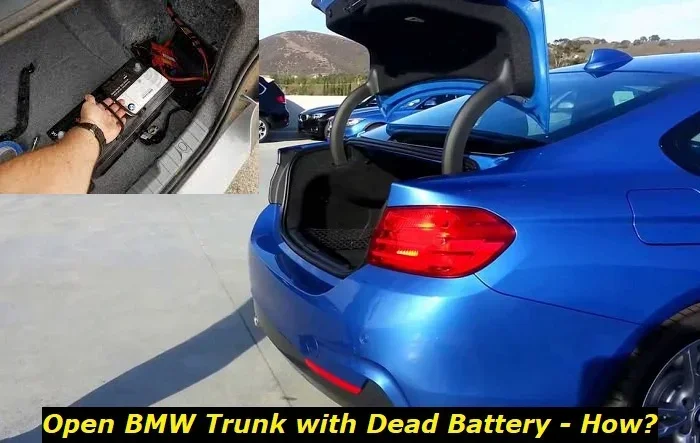
How to Open a Trunk With a Dead Battery Step by Step
Getting stuck with a trunk that won’t open due to a dead battery is frustrating but very fixable. You can use a manual trunk release lever, your physical key, rear seat access, or a portable jump pack to regain access. This guide walks you through every method so you can open your trunk quickly and safely without calling a locksmith.
There’s nothing worse than arriving at your car with bags of groceries, luggage, or important items, only to find that your trunk won’t open. A dead battery can lock you out of your trunk in seconds. The good news is that you have several options to get back in. Whether your key fob battery died overnight or your car battery gave out after a long trip, this guide has you covered.
Knowing how to handle a dead car battery situation saves time, money, and a lot of stress. You don’t need to be a mechanic or call a expensive locksmith for every trunk lockout. Most methods take just a few minutes and use tools you probably already have. Let’s walk through them together.
This article covers every practical method for how to open a trunk with a dead battery. We’ll explain each step in plain language so anyone can follow along. By the end, you’ll feel confident handling this situation on your own.
Key Takeaways
- Manual trunk release levers: Every car has a backup release, usually hidden near the trunk lid or seat cushion.
- Key fob override works: Most modern cars let you use a physical key even when the battery is dead.
- Rear seat access is a lifesaver: Folding down rear seats can give you direct trunk access in many vehicles.
- Portable jump packs are handy: A small battery booster can power your car enough to open the trunk electronically.
- Prevention is simple: Regularly replacing your key fob battery and keeping a jump pack in your car helps avoid this problem.
- Know when to call for help: If none of these methods work, a professional locksmith or tow truck can assist safely.
📑 Table of Contents
- Why Your Trunk Won’t Open When the Battery Is Dead
- Methods to Open a Trunk With a Dead Battery
- Step-by-Step Guide to Opening Your Trunk When the Battery Is Dead
- How to Prevent a Dead Battery From Locking You Out Again
- When to Call a Professional for Help
- Common Mistakes People Make When Their Trunk Won’t Open
- Expert Insights: What Mechanics Wish You Knew
- Final Thoughts
Why Your Trunk Won’t Open When the Battery Is Dead
Modern cars rely heavily on electricity. From power locks to electronic trunk releases, nearly everything runs through your car’s battery. When the battery dies, these systems simply stop working. Understanding why helps you choose the right fix.
What Happens When Your Car Battery Dies
Your car battery powers the electrical systems that control locks, trunk releases, and key fob communication. When the battery goes dead, here’s what typically happens:
- Power locks stop working: You can’t unlock the doors or trunk with the push of a button.
- The trunk release button becomes unresponsive: Pressing it inside the car or on the key fob does nothing.
- The key fob loses communication: The car can’t detect the fob signal, so it won’t recognize your key.
- Central locking systems go offline: All electronic access points become inactive.
This is why many people panic when they face a trunk won’t open situation. But here’s the reassuring part: car manufacturers always include backup methods. That’s because they know batteries die, and drivers need a way to get in.
Methods to Open a Trunk With a Dead Battery
Several reliable methods exist for opening a trunk when the battery is dead. Each method works differently depending on your vehicle model. Let’s explore them one by one.
Method 1: Use the Manual Trunk Release Lever
Every car built in the last few decades includes a manual trunk release lever. This is a mechanical backup that doesn’t need any electricity to work. It’s your best first option when dealing with a dead car battery.
The location varies by vehicle, but here are the most common spots:
- Inside the trunk lid: Look for a small lever or handle on the inside of the trunk lid itself. It’s usually near the latch mechanism.
- Under the rear seat cushion: Many sedans and SUVs hide the release lever beneath the rear seat. Pull it or push it to release the trunk.
- Behind a panel near the trunk latch: Some models have a small cover plate near the trunk lock. Remove the cover to find the lever.
- On the driver’s side dashboard: A few vehicles have a trunk release knob under the steering column.
To use this method, simply locate the lever, pull or push it firmly, and the trunk latch should release. If you’re unsure where yours is, check your vehicle’s owner manual. It will have a diagram showing the exact location of every release mechanism in your car.
Quick Tip: Take a moment now to locate your manual trunk release. Knowing where it is before an emergency makes everything much easier later.
Method 2: Use the Physical Key From Your Key Fob
Most modern key fobs contain a hidden physical key blade. This is your second line of defense when the key fob battery died. Even if the fob itself has no power, the physical key can still work.
Here’s how to use it:
- Find the key release button on your key fob. It’s usually a small slider or button on the side.
- Press it and slide the key blade out. The key will fold out from inside the fob housing.
- Insert the key into the trunk lock. Many cars have a trunk lock on the outside of the trunk lid, near the license plate.
- Turn the key to unlock. The trunk should pop open once the lock disengages.
If your car doesn’t have an external trunk lock, try the driver’s door lock with the physical key. Once inside the car, you may be able to access the trunk release lever or fold down the rear seats to reach the trunk interior.
Some vehicles also allow you to unlock the driver’s door with the physical key, which then lets you access the trunk release from inside the cabin. This works for most sedans, SUVs, and hatchbacks.
For more details on what happens when your key fob battery dies, check out our guide on can you drive a car if the key fob battery dies.
Method 3: Access the Trunk Through the Rear Seats
Many vehicles allow you to access the trunk by folding down the rear seats. This method works great when you’re already inside the car and the battery is dead. It’s one of the simplest solutions for how to open a trunk with a dead battery.
Here’s what to do:
- Unlatch the rear seat backs. Look for release levers or buttons on the seat backs, usually near the top where the seat meets the trunk.
- Fold the seats down completely. This creates a flat passage from the cabin to the trunk area.
- Crawl through to the trunk. Once the seats are folded, you should be able to reach the trunk release lever or latch from inside the cargo area.
- Pull the trunk release or latch open. Most trunks have an internal release handle that works mechanically without power.
This method works especially well for SUVs, station wagons, and hatchbacks where the rear seats fold flat. Sedans may also work if the rear seats fold down, though the passage might be tighter.
Quick Tip: Practice folding your rear seats once so you know how they work. In an emergency, you don’t want to fumble with unfamiliar mechanisms while stressed.
Method 4: Use a Portable Battery Pack or Jump Starter
A portable jump pack is one of the most useful tools to keep in your car. It can power your vehicle’s electrical systems long enough to open the trunk electronically. This method is perfect when you have access to a small battery booster.
Follow these steps:
- Connect the jump pack to your car battery. Attach the positive clamp to the positive terminal and the negative clamp to the negative terminal.
- Turn on the jump pack. Wait a minute or two for it to charge the car’s electrical system.
- Press the trunk release button. With power restored, the electronic trunk release should work again.
- Open the trunk and retrieve your items.
Jump packs are small, affordable, and easy to store in your trunk or glove box. They also come in handy for jump starting your car if the battery dies completely. Keeping one in your vehicle is a smart preventive measure.
If you’ve recently replaced your battery and the car still won’t start, you might also want to check whether you need to reset the car key after changing the battery. Some vehicles require a re-sync process after a battery swap.
Step-by-Step Guide to Opening Your Trunk When the Battery Is Dead
Now let’s put it all together into a simple step-by-step process. Follow these steps in order for the fastest solution.
- Stay calm and assess your situation. Check if you have your physical key, a jump pack, or access to the rear seats.
- Try the manual trunk release first. Look under the rear seat cushion or inside the trunk lid for the release lever.
- If that doesn’t work, use the physical key. Unlock the driver’s door or the trunk lock directly with the key blade.
- Once inside the car, fold down the rear seats. This gives you direct access to the trunk interior.
- If you have a jump pack, use it to restore power. Connect it to the battery and try the electronic release again.
- Call for help if needed. A locksmith or roadside assistance can handle situations where these methods don’t work.
Following this order ensures you try the simplest solutions first. Most trunk lockouts resolve within the first three steps. You rarely need to go beyond method four.
How to Prevent a Dead Battery From Locking You Out Again
Prevention is always better than dealing with an emergency. Here are simple steps to keep your trunk accessible even when your battery is low or dead.
Replace Your Key Fob Battery Regularly
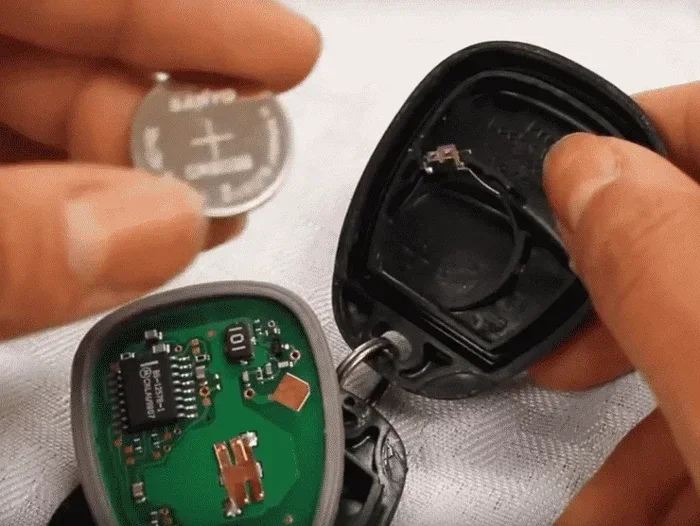
A key fob battery typically lasts one to two years. Replace it before it dies completely. Most key fobs use a small CR2032 coin cell battery, which you can swap yourself in minutes.
If you’re wondering whether you can handle this yourself, the answer is yes. You can replace a key fob battery yourself with just a small flathead screwdriver and a new battery. It costs about a few dollars and takes less than five minutes.
Keep a Portable Jump Pack in Your Trunk
A portable jump pack solves more than just trunk lockouts. It can start your car if the battery dies, power your electronics, and even serve as a flashlight in emergencies.
Look for a jump pack that’s compact, rechargeable, and easy to store. Keep it charged and ready to go at all times. This one tool can save you from countless battery-related headaches.
Know Your Car’s Backup Systems
Every vehicle is different. Take time to read your owner’s manual and learn about your car’s specific backup systems. Knowing where the manual trunk release is located before you need it makes all the difference.
Also, if you’ve recently had any work done on your car and it’s not starting properly, you may want to check whether there’s an underlying issue. Sometimes a car won’t start with a new battery because of a wiring problem or a faulty alternator that needs attention.
When to Call a Professional for Help
Most trunk lockout situations are easy to handle on your own. But there are times when calling a professional is the right move. Don’t hesitate to get help if:
- The manual release is broken or stuck. A mechanic can fix or replace the mechanism safely.
- You don’t have the physical key. A locksmith can create a new key or help you access the trunk without damage.
- The trunk latch itself is damaged. Electrical or mechanical damage to the latch requires professional repair.
- You feel unsafe attempting any method. Your safety always comes first. A professional can handle the situation quickly.
Roadside assistance services like AAA or your insurance provider’s towing option often include lockout assistance at no extra cost. It’s worth checking your coverage before you find yourself stranded.
Common Mistakes People Make When Their Trunk Won’t Open
Avoid these common errors that can make a simple lockout much worse:
- Forcefully pulling or pushing the trunk lid. This can damage the latch, hinges, or surrounding body panels.
- Ignoring the manual release. Many people forget that a mechanical backup exists and keep pressing the electronic button.
- Using the wrong key. Make sure you’re using the physical key blade that came with your key fob, not a spare that might be a different key.
- Leaving the jump pack connected too long. Overcharging can damage your car’s electrical system. Disconnect it once the trunk opens.
- Not checking the rear seats first. Many people don’t realize they can access the trunk through the cabin by folding down the seats.
By avoiding these mistakes, you protect your vehicle and save yourself from unnecessary repair costs. A little patience goes a long way when dealing with a dead battery trunk lockout.
Expert Insights: What Mechanics Wish You Knew
Automotive professionals share a few insights that can make your life easier when facing a dead battery trunk issue:
- Keep a spare key outside the car. Store a physical key in a secure location at home or work. This gives you an instant backup.
- Test your trunk release monthly. A quick test takes seconds and can reveal a weak battery or failing mechanism before it becomes an emergency.
- Don’t ignore warning signs. If your key fob starts working intermittently, the battery is dying. Replace it immediately.
- Invest in quality replacement batteries. Cheap batteries die faster and leak more often. A quality battery lasts longer and performs better.
These small habits add up to big savings in time and money over the life of your vehicle.
Final Thoughts
Learning how to open a trunk with a dead battery is one of those essential car skills everyone should have. It’s simple, fast, and doesn’t require any special tools or training. Whether you use the manual release lever, your physical key, rear seat access, or a portable jump pack, you now have multiple ways to handle this situation confidently.
The key is preparation. Take a few minutes today to locate your manual trunk release and test your key fob battery. These small actions can save you from a major headache tomorrow. And if you ever find yourself in a lockout situation, you’ll know exactly what to do.
Remember, your car is designed with backup systems for exactly this reason. Trust those systems, stay calm, and follow the steps in this guide. You’ll have that trunk open in no time.
Frequently Asked Questions
Can I open my trunk if the key fob battery is completely dead?
Yes, you can. Most cars have a physical key blade hidden inside the key fob. Use it to unlock the trunk lock directly or the driver’s door, then access the trunk release from inside the vehicle. This method works even when the fob has zero power.
Does every car have a manual trunk release lever?
Almost every car manufactured in the last 20 years includes a manual trunk release as a safety requirement. The location varies, but it’s typically found inside the trunk lid, under the rear seat cushion, or near the trunk latch. Check your owner’s manual to find yours.
Can a portable jump pack damage my car if I use it incorrectly?
If you follow the correct connection steps, a jump pack won’t damage your car. Always connect the positive clamp first, then the negative, and disconnect in reverse order. Never let the clamps touch each other while connected. If you’re unsure, consult your vehicle’s manual or a professional.
How long does a key fob battery last before it dies?
A key fob battery typically lasts between one and two years depending on usage. If you notice the range of your key fob getting shorter or if you need to press the button multiple times, it’s time to replace the battery. A new CR2032 battery costs just a few dollars.
What should I do if the manual trunk release is stuck or broken?
Do not force it, as this can cause further damage. Instead, try accessing the trunk through the rear seats or use a jump pack to restore power. If neither works, call a locksmith or roadside assistance. They have specialized tools to open your trunk safely without causing damage to your vehicle.
Is it safe to fold down rear seats to access the trunk?
Yes, it’s completely safe and designed to be done by the driver. Every vehicle with fold-down rear seats includes clear instructions in the owner’s manual. Just make sure the car is parked on a flat surface and the parking brake is engaged before folding the seats down.