How Much Oil Does a 40L I6 Take and Why It Matters
A 4.0L I6 engine typically holds between 5 and 6 quarts of oil, but the exact amount depends on your vehicle model and whether you are replacing the filter. Getting the oil capacity right is critical because too little oil causes engine wear, while too much oil can damage seals and reduce efficiency. This guide covers everything you need to know about 4.0L I6 oil capacity, the right oil type, and how to maintain your engine properly.
Have you ever popped the hood on your truck or SUV and wondered, “How much oil does a 4.0L I6 actually take?” It is a simple question, but the answer matters more than most people realize. Getting the oil capacity right is one of the easiest ways to keep your engine running smoothly for years to come.
The 4.0L inline-six engine is a legendary powerplant found in many popular vehicles. Whether you drive a Jeep, a Ford, or another truck with this engine, knowing your oil capacity is essential. In this guide, we will walk you through everything you need to know about 4.0L I6 oil capacity, the best oil to use, and how to keep your engine in top shape.
Engine oil is the lifeblood of your vehicle. It lubricates moving parts, reduces friction, and keeps temperatures in check. Without the right amount of oil, your engine faces serious risks. That is why understanding how much oil your 4.0L I6 needs is not just a technical detail, it is a maintenance priority.
Key Takeaways
- Standard Capacity: Most 4.0L I6 engines require 5 to 6 quarts of oil with a filter change.
- Oil Type Matters: Using the correct viscosity and oil type protects your engine and improves fuel economy.
- Overfilling Is Dangerous: Too much oil can cause foaming, leaks, and even engine damage.
- Regular Checks Help: Checking your oil level frequently catches problems early and extends engine life.
- DIY Oil Changes Save Money: With the right tools and knowledge, you can change your oil at home safely.
- Follow Manufacturer Specs: Always refer to your owner manual for the exact oil capacity and specification.
📑 Table of Contents
What Is a 4.0L I6 Engine?
The 4.0L I6 is a naturally aspirated inline-six engine with a displacement of 4.0 liters. “I6” stands for inline-six, meaning all six cylinders are arranged in a single row. This design is known for its smooth operation, reliability, and strong torque output.
This engine has been a favorite in the automotive world for decades. It powered many trucks, SUVs, and off-road vehicles. Some of the most well-known applications include the Ford Explorer, Jeep Grand Cherokee, and Nissan Pathfinder. The 4.0L I6 earned a reputation for durability, and many of these engines have surpassed 200,000 miles with proper care.
Why the 4.0L I6 Is So Popular
There are several reasons why the 4.0L I6 remains a beloved engine among enthusiasts and everyday drivers alike:
- Reliability: The simple, robust design means fewer things can go wrong compared to more complex engines.
- Smooth Operation: The inline-six configuration naturally balances itself, reducing vibration.
- Strong Torque: The 4.0L displacement delivers excellent low-end torque, making it great for towing and hauling.
- Easy Maintenance: The straightforward layout makes routine tasks like oil changes accessible.
- Wide Availability: Parts and service for this engine are easy to find at most dealerships and shops.
Because this engine is so widely used, understanding its maintenance needs, especially oil capacity and oil changes, is important for any owner.
How Much Oil Does a 4.0L I6 Take?
The standard oil capacity for a 4.0L I6 engine is typically between 5 and 6 quarts. However, the exact amount can vary depending on your specific vehicle, whether you are changing just the oil or the oil filter as well, and the engine configuration.
Oil Capacity by Vehicle Application
Different vehicles using the 4.0L I6 engine may have slightly different oil capacities. Here are some common examples:
- Ford Explorer (2001-2010): Approximately 5.9 quarts with filter change.
- Jeep Grand Cherokee (1999-2004): Around 5.5 to 6 quarts with filter change.
- Nissan Pathfinder (2005-2012): Roughly 5.5 to 6 quarts depending on the model year.
- Mazda MPV (2000-2006): Approximately 5.3 to 5.7 quarts with filter.
Always check your owner manual for the exact oil capacity for your specific vehicle. The manual will also tell you the recommended oil type and viscosity. Guessing can lead to problems, so do not skip this step.
Why the Filter Change Affects Capacity
When you change your oil filter, you also replace the small amount of oil trapped inside the filter. A new filter comes pre-filled with oil, but during installation, some oil drains out. This means the total oil capacity includes both the crankcase oil and the oil in the filter system.
If you are only draining and refilling without replacing the filter, you may need slightly less oil. Most owners, however, replace the filter at every oil change, so plan for the full capacity of 5 to 6 quarts.
Why Oil Capacity Matters
Getting the oil capacity right is not just about numbers on a spec sheet. It directly affects how your engine performs, how long it lasts, and how efficiently it runs. Let us look at why oil capacity is so important.
Too Little Oil: What Happens
Running your engine with insufficient oil is one of the fastest ways to cause serious damage. Here is what can go wrong:
- Increased Friction: Without enough oil, metal parts grind against each other, causing wear and tear.
- Overheating: Oil helps absorb and dissipate heat. Low oil means higher engine temperatures.
- Seized Engine: In extreme cases, running on low oil can cause the engine to seize entirely.
- Costly Repairs: Engine damage from low oil can cost thousands of dollars to fix.
If you ever notice your oil level is low, top it off immediately and investigate the cause. You should also check for leaks or excessive oil consumption, which could signal a deeper problem.
Too Much Oil: What Happens
Overfilling your engine with oil might seem like a safe bet, but it can cause just as many problems as underfilling:
- Oil Foaming: Excess oil gets churned by the crankshaft, creating foam that loses its lubricating properties.
- Increased Pressure: Too much oil raises crankcase pressure, which can damage seals and gaskets.
- Oil Leaks: High pressure pushes oil past seals and into areas where it should not be.
- Catalytic Converter Damage: Excess oil can enter the combustion chamber and harm your catalytic converter.
If you accidentally overfill, do not ignore it. Drain the excess oil to bring the level back to the proper range. Can I drive my car with too much oil in it? Technically for a short distance, but it is not recommended. Always correct overfilling as soon as possible.
Choosing the Right Oil for Your 4.0L I6
Not all engine oils are created equal. The 4.0L I6 engine works best with the right oil type and viscosity. Using the wrong oil can reduce performance, increase wear, and even void your warranty.
Understanding Oil Viscosity
Oil viscosity refers to how thick or thin the oil is at different temperatures. You will see it labeled as something like 5W-30 or 10W-30. The first number (with the W for winter) tells you how the oil flows in cold temperatures. The second number tells you how it performs at operating temperature.
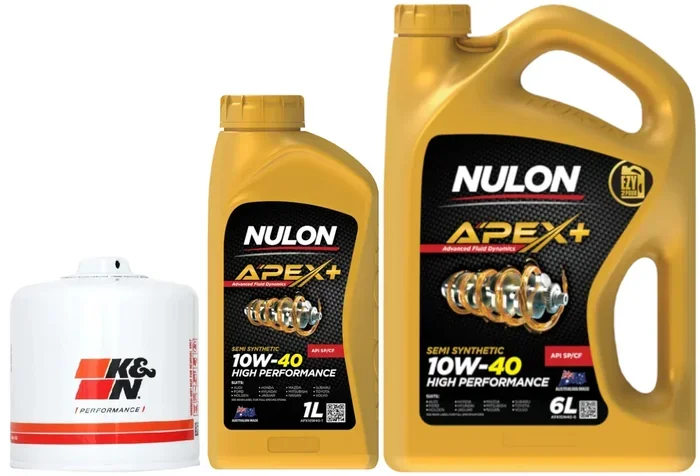
For most 4.0L I6 engines, the recommended viscosity is 5W-30 or 10W-30. Check your owner manual to confirm the correct grade for your vehicle.
Synthetic vs. Conventional Oil
You have two main choices when it comes to oil type:
- Conventional Oil: Made from crude oil, it is affordable and works well for standard driving conditions. It needs to be changed more frequently, typically every 3,000 to 5,000 miles.
- Synthetic Oil: Engineered for superior performance, it offers better protection at extreme temperatures and lasts longer, often up to 7,500 to 10,000 miles between changes.
- Synthetic Blend: A mix of conventional and synthetic, offering a balance of performance and cost.
Many owners of the 4.0L I6 prefer synthetic oil for its superior protection and longer drain intervals. However, conventional oil works fine for vehicles with lower mileage or standard usage.
Oil Specifications to Look For
Beyond viscosity and type, look for the right oil specifications on the label. Common certifications include API SN, SP, and ACEA standards. These ensure the oil meets industry requirements for engine lubrication and protection.
Always match the oil specification to what your manufacturer recommends. Using the wrong specification can affect engine performance and fuel efficiency over time.
How to Check and Change Your Oil
Changing your own oil is one of the most rewarding maintenance tasks you can do. It saves money, teaches you about your vehicle, and keeps your engine healthy. Here is a step-by-step guide to changing the oil in your 4.0L I6 engine.
What You Will Need
- Correct oil type and viscosity (5 to 6 quarts)
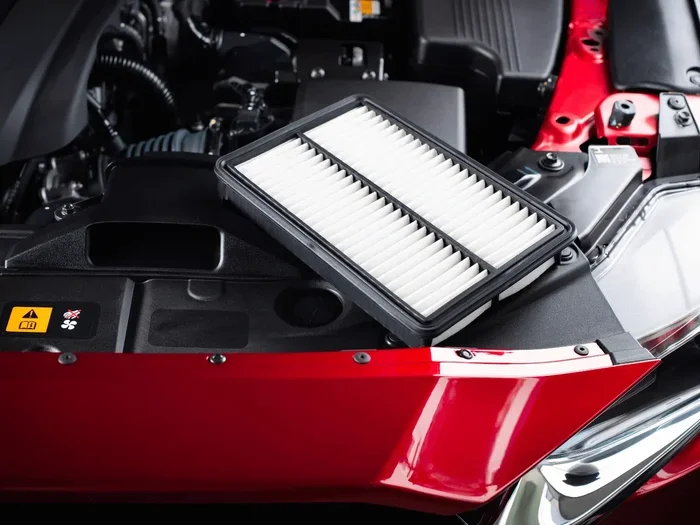
- New oil filter
- Oil drain pan
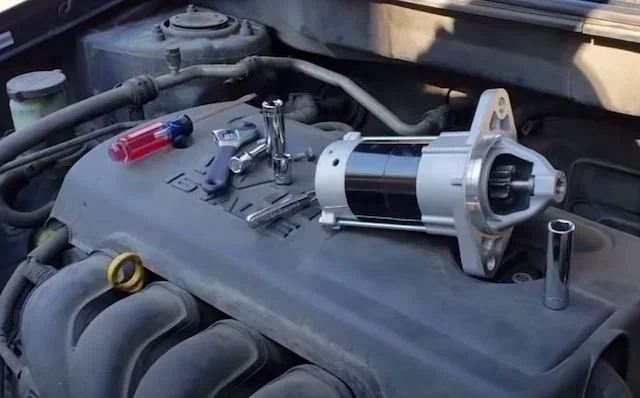
- Socket wrench and oil filter wrench
- Jack and jack stands or ramps
- Funnel
- Gloves and safety glasses
- Rags or paper towels
Step-by-Step Oil Change Process
- Prepare the Vehicle: Park on a level surface and let the engine run for a few minutes to warm the oil. Warm oil drains more completely.
- Lift the Vehicle: Use a jack and stands or ramps to safely raise the front of the vehicle.
- Drain the Old Oil: Place the drain pan under the oil pan, remove the drain plug, and let the oil flow out completely.
- Replace the Oil Filter: Use an oil filter wrench to remove the old filter. Apply a thin layer of new oil to the gasket of the new filter, then install it hand-tight.
- Replace the Drain Plug: Once the oil has stopped dripping, reinstall the drain plug and tighten it to the manufacturer torque specification.
- Add New Oil: Use a funnel to pour in the new oil. Start with about 5 quarts, then check the level with the dipstick.
- Check for Leaks: Start the engine and let it run for a minute. Check under the vehicle for any leaks from the drain plug or filter.
- Reset the Oil Change Reminder: If your vehicle has an oil change indicator, reset it according to your owner manual.
After completing the change, wait a few minutes for the oil to settle, then check the level again on the dipstick. You want the oil to be between the minimum and maximum marks. If you are unsure about any step, consult a professional or visit a trusted Toyota dealership or service center for assistance.
Quick Tips for a Successful Oil Change
- Always use a new oil filter. Reusing old filters compromises oil quality.
- Do not overtighten the drain plug or filter, as this can strip threads or crack the oil pan.
- Dispose of used oil properly by taking it to a recycling center or auto parts store.
- Keep a log of your oil changes to track mileage and dates.
- If you notice your maintenance required light is on, do not ignore it, address it promptly.
Common Oil Problems and How to Fix Them
Even with regular maintenance, oil-related problems can occur. Knowing the signs and solutions helps you address issues before they become serious.
Oil Leaks
Oil leaks are one of the most common problems with the 4.0L I6 engine. Common leak points include the oil pan gasket, valve cover gasket, and oil filter housing. If you notice a puddle of oil under your vehicle or a persistent oil smell, inspect these areas. Small leaks can often be fixed with a new gasket or seal, while larger leaks may require professional attention.
Excessive Oil Consumption
Some 4.0L I6 engines burn a small amount of oil between changes, which is normal. However, if you are adding more than one quart every 1,000 miles, something is wrong. Common causes include worn piston rings, faulty valve seals, or a PCV valve issue. Have a mechanic diagnose excessive oil consumption early to prevent further damage.
Oil Pressure Warnings
If your dashboard shows an oil pressure warning, pull over safely and turn off the engine immediately. Low oil pressure can cause catastrophic engine failure. Check your oil level first, and if it is full, the issue may be a faulty oil pump or clogged oil passage. Do not drive the vehicle until the problem is resolved.
Dirty or Sludgy Oil
Over time, oil breaks down and collects contaminants. If your oil looks dark, gritty, or sludgy, it is past due for a change. Dirty oil loses its lubricating properties and can accelerate engine wear. Stick to a regular oil change schedule to keep your engine clean and healthy.
Expert Insights on 4.0L I6 Oil Maintenance
Experienced mechanics and long-time 4.0L I6 owners share a few key insights that can help you get the most out of your engine:
Do not skip oil changes. Even if you do not drive many miles, oil degrades over time. The additives in engine oil break down, and contaminants accumulate. Stick to the recommended interval, whether that is every 5,000 or 7,500 miles.
Check your oil regularly. A quick dipstick check once a month takes only a minute but can catch problems early. If the oil level is dropping faster than usual, investigate the cause right away.
Use quality parts. Whether you are choosing an oil filter or selecting an oil brand, invest in quality products. Cheap filters may not capture contaminants effectively, and low-quality oil may not provide adequate protection.
Keep records. A simple log of oil changes, including the date, mileage, oil type, and filter brand, helps you stay on top of maintenance and adds value if you ever sell the vehicle.
When in doubt, consult a professional. If you are unsure about any aspect of oil maintenance, a trusted mechanic can provide personalized advice based on your vehicle and driving conditions.
Key Takeaways
- Standard Capacity: Most 4.0L I6 engines require 5 to 6 quarts of oil with a filter change.
- Oil Type Matters: Using the correct viscosity and oil type protects your engine and improves fuel economy.
- Overfilling Is Dangerous: Too much oil can cause foaming, leaks, and even engine damage.
- Regular Checks Help: Checking your oil level frequently catches problems early and extends engine life.
- DIY Oil Changes Save Money: With the right tools and knowledge, you can change your oil at home safely.
- Follow Manufacturer Specs: Always refer to your owner manual for the exact oil capacity and specification.
Conclusion
Knowing how much oil a 4.0L I6 takes is one of the simplest yet most important pieces of knowledge every owner should have. With a standard capacity of 5 to 6 quarts, getting the right amount of oil into your engine is straightforward, but the impact on your engine health is enormous.
Proper oil maintenance is the foundation of engine longevity. Whether you prefer to change your oil yourself or have a professional handle it, understanding your oil capacity, the right oil type, and the warning signs of oil problems puts you in control of your vehicle’s health.
Take the time to check your oil regularly, follow the recommended change intervals, and use quality products. Your 4.0L I6 engine will reward you with years of reliable, smooth performance. A few minutes of attention today can save you from costly repairs tomorrow.
Frequently Asked Questions
Can I drive with low oil in my 4.0L I6 engine?
Driving with low oil is risky and can cause serious engine damage. Oil lubricates critical components, and without enough of it, metal parts grind against each other. If your oil level is low, top it off immediately and avoid driving long distances until the problem is resolved.
How often should I change the oil in my 4.0L I6 engine?
Most manufacturers recommend an oil change every 5,000 to 7,500 miles for conventional oil and every 7,500 to 10,000 miles for synthetic oil. However, driving conditions, towing, and extreme temperatures may require more frequent changes. Always check your owner manual for the specific interval.
What happens if I put too much oil in my 4.0L I6 engine?
Overfilling causes excess oil to foam when the crankshaft spins, reducing its ability to lubricate properly. It also increases crankcase pressure, which can blow out seals and gaskets. If you overfill, drain the excess oil to bring the level back to the correct range on the dipstick.
Can I use 10W-40 oil in my 4.0L I6 engine?
Most 4.0L I6 engines are designed for 5W-30 or 10W-30 oil. Using 10W-40 may provide slightly thicker protection at high temperatures, but it is not the manufacturer recommended viscosity. Check your owner manual first, as using the wrong viscosity can affect engine performance and fuel economy.
How do I know if my 4.0L I6 engine is burning oil?
Signs of oil burning include blue or gray exhaust smoke, a persistent oil smell, and needing to add oil frequently between changes. If you notice any of these symptoms, have a mechanic inspect your engine promptly to prevent further damage.
Is it better to change my own oil or visit a service center?
Changing your own oil saves money and gives you full control over the quality of parts used. However, if you are not comfortable working under your vehicle, a professional service center is a great option. Many dealerships and quick-lube shops offer affordable oil change services that keep your maintenance schedule on track.