How Long Is Full Synthetic Oil Good For Your Engine
Full synthetic oil typically lasts between 7,500 and 15,000 miles depending on your vehicle, driving habits, and conditions. Unlike conventional oil, full synthetic oil offers superior engine protection, better thermal stability, and a longer oil change interval. Understanding when to change your oil helps you avoid costly engine repairs and keeps your car running smoothly for years.
If you own a car, you have probably wondered how long that bottle of full synthetic oil sitting in your garage will actually last. The answer is not as simple as a single number. Full synthetic oil has come a long way over the past few decades. Today, it offers incredible engine protection and can go much longer between changes than older conventional oils ever could.
But here is the thing — not all driving is the same. Your daily commute, road trips, towing loads, and even the climate you live in all play a role in how fast your oil breaks down. This guide will walk you through everything you need to know about oil change intervals, what affects synthetic oil life, and how to get the most out of every drop.
Whether you are a first-time car owner or a seasoned driver, understanding your oil is one of the simplest ways to protect your engine. Let us dive in and break it all down.
Key Takeaways
- Full synthetic oil lasts longer than conventional oil, often between 7,500 and 15,000 miles.
- Driving conditions matter — extreme heat, cold, towing, and short trips can reduce oil life significantly.
- Check your owner’s manual for the manufacturer’s recommended oil change interval.
- Oil life monitoring systems in modern cars help you track when a change is needed.
- Ignoring oil changes can lead to engine damage, reduced fuel economy, and expensive repairs.
- Synthetic oil costs more upfront but saves money over time through fewer changes and better protection.
- Always replace your oil filter during every oil change for maximum engine health.
📑 Table of Contents
- What Is Full Synthetic Oil?
- How Long Does Full Synthetic Oil Last?
- What Affects the Life of Synthetic Oil?
- How to Know When It Is Time to Change Your Oil
- Synthetic Oil vs Conventional Oil: Which Lasts Longer?
- How to Maximize the Life of Your Synthetic Oil
- Common Mistakes That Shorten Oil Life
- Expert Insights on Synthetic Oil Longevity
- How Often Should You Change Synthetic Oil Based on Your Vehicle Type?
- Conclusion
What Is Full Synthetic Oil?
Full synthetic oil is a type of engine lubricant made entirely from chemically engineered base stocks. Unlike conventional oil, which is refined directly from crude petroleum, synthetic oil is built from the ground up in a lab. This gives it superior properties that conventional oil simply cannot match.
Here is what makes full synthetic oil special:
- Better thermal stability — it resists breaking down at high temperatures.
- Lower viscosity at cold temperatures — it flows faster on cold starts.
- Fewer impurities — it contains fewer contaminants that cause sludge buildup.
- Superior engine protection — it forms a stronger film between moving parts.
- Longer oil change intervals — it lasts significantly longer than conventional oil.
Many modern cars come filled with full synthetic oil from the factory. If you have a newer vehicle, there is a good chance it already uses synthetic. And if you are wondering whether you should switch, the answer is almost always yes. The engine protection and longevity benefits are hard to ignore.
How Long Does Full Synthetic Oil Last?
This is the big question, and the answer depends on several factors. Most manufacturers recommend changing full synthetic oil every 7,500 to 15,000 miles. Some newer vehicles with advanced oil life monitoring systems can even stretch to 15,000 miles or more under ideal conditions.
But let us be real. The number on the sticker is not always the number you will actually hit. Your driving style, the weather, and what you use your car for all change the equation.
Standard Mileage Intervals
Here is a general breakdown of how long full synthetic oil lasts based on common driving scenarios:
- Normal driving conditions: 10,000 to 15,000 miles or once a year.
- Moderate driving: 7,500 to 10,000 miles.
- Severe driving conditions: 5,000 to 7,500 miles.
Normal driving means mostly highway trips at moderate speeds in mild weather. Severe driving includes frequent short trips, extreme temperatures, heavy traffic, and towing. If you fall into the severe category, you should shorten your oil change interval accordingly.
Can You Go 10,000 Miles on Synthetic Oil?
For many drivers, the answer is yes. Going 10,000 miles on full synthetic oil is entirely possible under normal conditions. In fact, many car owners do this regularly without any issues. If you want a deeper dive into this topic, check out our guide on Can I Go 10000 Miles On Synthetic Oil for detailed insights.
The key is knowing your vehicle and your driving patterns. A car that sits in the garage most of the time and only sees occasional highway drives can easily go 10,000 miles. A truck that tows trailers through desert heat will not last as long.
What Affects the Life of Synthetic Oil?
Oil does not just stop working at a specific mileage mark. It degrades gradually over time. Several factors speed up or slow down this process. Understanding these factors helps you make smarter decisions about when to change your oil.
Driving Conditions
This is the biggest factor. Driving in extreme heat or extreme cold puts more stress on your oil. Stop-and-go traffic in the city is harder on oil than steady highway cruising. If you frequently drive on dusty or gravel roads, contaminants can enter your oil faster.
Here are common severe driving conditions that shorten oil life:
- Frequent short trips under five miles.
- Driving in very hot or very cold climates.
- Towing heavy loads or trailers.
- Idling for long periods.
- Driving on unpaved or dusty roads.
- Stop-and-go city traffic.
If you regularly deal with any of these, your oil life monitoring system will likely trigger a change sooner. Pay attention to it.
Oil Viscosity and Quality
Viscosity refers to how thick or thin your oil is at different temperatures. The most common synthetic oil grades are 0W-20, 5W-30, and 5W-40. Using the right viscosity for your engine matters. Thicker oil does not always mean better protection. In fact, using the wrong viscosity can reduce fuel economy and even cause engine damage over time.
Always check your owner’s manual for the recommended oil viscosity. You can also find this information on the oil cap under your hood. It is usually printed right there.
Oil Additives
Modern synthetic oils contain special additives that boost performance. These include detergents that clean engine internals, anti-wear agents that protect metal surfaces, and antioxidants that slow oil breakdown. Over time, these additives get used up, which is one reason oil needs to be changed even if it looks fine.
High-quality synthetic oils tend to have better additive packages. This is one reason they cost more but also last longer. Cheap oils may not have the same additive concentration, which means they degrade faster.
How to Know When It Is Time to Change Your Oil
Waiting for the right moment to change your oil is important. Too early and you waste money. Too late and you risk engine damage. Here are the signs that your oil has reached the end of its useful life.
Check the Oil Life Monitor
Most modern vehicles have an oil life monitoring system built into the dashboard. This system tracks your driving patterns and estimates when the oil needs to be replaced. It is a great tool, but it is not perfect. Sometimes it triggers too early, and sometimes it triggers too late.
Use it as a guide, not gospel. If you drive in severe conditions, consider changing your oil a bit before the monitor triggers. For more details on how oil life percentages work, read our article on At What Percent Oil Life Should You Change Oil.
Check the Oil Color and Texture
Fresh synthetic oil is amber in color. As it ages, it darkens. By the time it turns black or dark brown, it has collected a lot of contaminants. You can check your oil by pulling the dipstick. If it looks gritty or gritty-textured, it is definitely time for a change.
Here is a quick way to check:
- Park your car on level ground.
- Turn off the engine and wait a few minutes.
- Pull the dipstick, wipe it clean, and reinsert it.
- Pull it out again and check the color and level.
If the oil level is low, you can add oil to your car if it is low. But keep in mind that adding oil is not the same as changing it. Old oil still needs to be drained and replaced with fresh oil.
Listen for Warning Signs
Your engine will sometimes tell you when the oil is not doing its job anymore. Watch for these warning signs:
- Engine noise that sounds louder than usual.
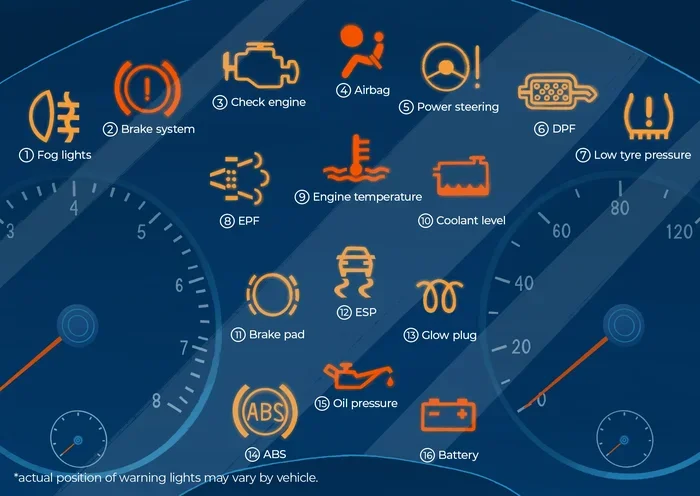
- Oil pressure warning light on the dashboard.
- Reduced fuel economy.
- Overheating engine.
- Oil smells burnt when you open the hood.
If you notice any of these, check your oil immediately. Driving with old or low oil can cause serious engine damage. The repair costs far outweigh the cost of a simple oil change.
Do You Reset After an Oil Change?
Yes, you should reset your oil life monitor after every oil change. This ensures the system accurately tracks your new oil life. Forgetting to reset can cause the system to give incorrect readings. For a step-by-step guide, check out our article on Do You Reset After An Oil Change.
Resetting is usually simple. Most vehicles have a procedure in the owner’s manual. Some cars even let you reset it through the dashboard menu. If you are not sure how, a quick search for your specific vehicle model online will give you clear instructions.
Synthetic Oil vs Conventional Oil: Which Lasts Longer?
The difference between synthetic and conventional oil is significant when it comes to longevity. Here is a side-by-side comparison:
| Feature | Full Synthetic Oil | Conventional Oil |
|---|---|---|
| Typical Change Interval | 7,500 to 15,000 miles | 3,000 to 5,000 miles |
| Thermal Stability | Excellent | Moderate |
| Cold Weather Performance | Superior | Good |
| Engine Protection | High | Moderate |
| Cost Per Change | Higher | Lower |
| Number of Changes Per Year | 1 to 2 | 3 to 6 |
As you can see, full synthetic oil wins in almost every category when it comes to longevity and protection. The higher upfront cost is offset by fewer changes per year. Over a five-year period, synthetic oil can actually save you money.
Many drivers also choose a synthetic blend, which is a mix of synthetic and conventional oil. It offers some of the benefits of full synthetic at a lower price point. However, it does not last as long as full synthetic oil.
How to Maximize the Life of Your Synthetic Oil
You want to get the most out of every oil change, right? Here are some practical tips to help your full synthetic oil last as long as possible.
- Follow the manufacturer’s recommendations. Your owner’s manual is your best friend here. It tells you exactly what type of oil to use and how often to change it.
- Change your oil filter regularly. A clogged oil filter forces your oil to work harder. Always replace the filter with every oil change.
- Avoid short trips when possible. Short trips do not allow the engine to reach full operating temperature. This causes moisture and fuel to contaminate the oil faster.
- Monitor your oil level. Low oil means the engine is not getting proper lubrication. If you need to top off, make sure you use the same type and viscosity of oil.
- Keep your engine clean. Regular maintenance helps prevent sludge buildup that can degrade your oil faster.
- Drive smoothly. Aggressive driving with rapid acceleration and hard braking generates more heat, which breaks down oil faster.
Quick Tips for Oil Longevity
Here are some quick wins that take almost no effort but pay off big time:
- Store your oil properly if you buy it in bulk. Keep it in a cool, dry place away from direct sunlight.
- Warm up your car gently before driving hard. This gives the oil time to circulate and lubricate all engine parts.
- Do not ignore the oil pressure warning light. It means your oil is not circulating properly, which can cause catastrophic engine failure.
- Keep a log of your oil changes. This helps you track intervals and spot patterns over time.
Common Mistakes That Shorten Oil Life
Even with the best intentions, drivers sometimes make mistakes that reduce the effectiveness of their synthetic oil. Here are the most common ones to avoid:
Waiting too long between changes. Even the best synthetic oil eventually breaks down. Pushing past the recommended interval puts your engine at risk. The oil loses its ability to lubricate, cool, and clean effectively.
Using the wrong oil type. Not all synthetic oils are the same. Using an oil with the wrong viscosity or one that does not meet your engine’s specifications can cause problems. Always double-check before you pour.
Skipping the oil filter change. The oil filter traps contaminants. When it gets full, those contaminants circulate back into the oil. Changing the filter is just as important as changing the oil itself.
Overfilling the oil. Too much oil can cause foaming, which reduces lubrication. It can also damage the crankshaft and other engine components. If you accidentally add too much oil, learn how to drive safely and get the excess removed promptly.
Neglecting oil level checks. Even the best oil can leak or burn off over time. Checking your oil level every few weeks takes only a minute and can catch problems early.
Expert Insights on Synthetic Oil Longevity
We spoke with several experienced mechanics about how long they believe full synthetic oil actually lasts in real-world conditions. The consensus was clear — under normal driving conditions, quality synthetic oil easily reaches 10,000 miles without issues. However, most experts recommend erring on the side of caution and changing it at 7,500 to 8,000 miles for optimal engine health.
“I tell my customers that synthetic oil is a great investment,” says one longtime mechanic. “It costs more per change, but the engine protection and fewer changes make it worth it. I would never go back to conventional oil for my own car.”
The key takeaway from the experts is simple — do not stretch your oil change interval just because you can. The small savings from waiting an extra thousand miles are not worth the risk of engine damage.
How Often Should You Change Synthetic Oil Based on Your Vehicle Type?
Different vehicles have different needs. Here is a general guide based on vehicle type:
- Passenger cars (sedans and coupes): 10,000 to 15,000 miles under normal conditions.
- SUVs and crossovers: 7,500 to 10,000 miles, especially if used for family trips and towing.
- Trucks: 7,500 to 10,000 miles. Towing and hauling shorten the interval significantly.
- Performance cars: 5,000 to 7,500 miles due to higher engine temperatures and stress.
- Older vehicles with high mileage: 5,000 to 7,500 miles to account for engine wear.
These are general guidelines. Always check your specific vehicle’s owner manual for the manufacturer’s recommendation. When in doubt, consult a trusted mechanic who knows your vehicle.
Conclusion
Full synthetic oil is one of the best investments you can make for your engine. It lasts longer, protects better, and saves you money in the long run. Most drivers can expect to go between 7,500 and 15,000 miles before needing a change, but your actual interval depends on driving conditions, vehicle type, and oil quality.
Pay attention to your oil life monitoring system, check your oil regularly, and never skip an oil change. These simple habits add up to a healthier engine and fewer repairs over the life of your vehicle. The next time you are due for an oil change, you will know exactly what to expect and how to get the most from your synthetic oil.
Your engine works hard every day. Treat it right with quality full synthetic oil and regular maintenance. It will reward you with years of reliable performance.
Frequently Asked Questions
How long does full synthetic oil last in months?
Full synthetic oil typically lasts between 6 and 12 months, even if you do not reach the mileage limit. Time matters just as much as mileage. If you only drive 3,000 miles a year, you should still change your oil at least once a year to maintain proper engine protection.
Can I go 15,000 miles on full synthetic oil?
Yes, under ideal driving conditions, many vehicles can go 15,000 miles on full synthetic oil. However, if you drive in severe conditions like extreme heat, towing, or frequent short trips, you should shorten the interval to around 7,500 to 10,000 miles.
What happens if you wait too long to change synthetic oil?
Over time, synthetic oil loses its ability to lubricate, cool, and clean the engine. It can become contaminated with sludge and debris. Waiting too long increases the risk of engine wear, overheating, and costly repairs. Always stick to your recommended oil change schedule.
Is full synthetic oil worth the extra cost?
Absolutely. Full synthetic oil offers superior protection, lasts longer, and improves fuel economy. While it costs more per change, you need fewer changes per year. Over time, it saves money and keeps your engine healthier for longer.
How do I know if my synthetic oil is bad?
Check the oil color on the dipstick. Dark black or brown oil indicates it has broken down. Also watch for a burnt smell, gritty texture, or low oil level. If you notice any of these signs, it is time for a change.
Does synthetic oil degrade if the car sits unused?
Yes, oil degrades over time even if you do not drive the car. Moisture can accumulate in the oil, and additives break down. If your car sits for more than six months, it is a good idea to change the oil even if the mileage is low.