How Long Does It Take to Replace a Fuel Pump on Average
Replacing a fuel pump typically takes between 2 and 6 hours, depending on your vehicle model, pump location, and whether you hire a mechanic or go the DIY route. The average cost ranges from $400 to $1,200, with labor making up a big chunk of that. Knowing what to expect helps you plan and avoid surprises.
Key Takeaways
- Average Time: Most fuel pump replacements take 2 to 6 hours at a shop.
- DIY vs. Mechanic: Experienced DIYers can finish faster, but novices should expect extra time.
- Vehicle Matters: Some cars make the job easy; others require dropping the gas tank, adding hours.
- Cost Range: Parts and labor combined typically run $400 to $1,200.
- Common Symptoms: Whining noises, stalling, and hard starts often signal a failing pump.
- Prevention: Keeping your tank above a quarter full helps extend fuel pump life.
- Related Maintenance: Always replace the fuel filter at the same time for best results.
📑 Table of Contents
- How Long Does It Take to Replace a Fuel Pump on Average?
- What Does a Fuel Pump Do and Why Does It Fail?
- How Long Does the Replacement Take for Different Vehicles?
- What Is the Average Cost of a Fuel Pump Replacement?
- Signs Your Fuel Pump Needs Replacement
- Tips to Speed Up the Replacement Process
- DIY vs. Professional Replacement: Which Is Right for You?
- How to Make Your Fuel Pump Last Longer
- Common Mistakes People Make During Fuel Pump Replacement
- Expert Insights on Fuel Pump Replacement Time
- Conclusion
How Long Does It Take to Replace a Fuel Pump on Average?
If your car is acting up and you suspect a bad fuel pump, you probably want to know one thing: how long does the repair actually take? The short answer is that most fuel pump replacements take somewhere between 2 and 6 hours. But the real answer depends on several factors that we will break down in this guide.
Whether you are heading to a mechanic or planning a DIY fuel pump replacement, understanding the timeline helps you plan your day. You will also learn about costs, symptoms, and tips that can save you time and money. This guide covers everything you need to know about fuel pump replacement time for different vehicles and situations.
A failing fuel pump can leave you stranded. It is not a repair you want to put off. By the end of this article, you will know exactly what to expect, how long the job takes, and how to make the process as smooth as possible.
What Does a Fuel Pump Do and Why Does It Fail?
Your fuel pump moves gasoline from the tank to the engine. It works quietly every time you turn the key. When it starts to fail, your car tells you in several ways. Understanding the basics helps you appreciate why the replacement process takes the time it does.
How the Fuel Pump Works
Most modern cars use an electric fuel pump located inside the gas tank. It pushes fuel through lines to the engine at the right pressure. Older vehicles sometimes use a mechanical fuel pump mounted on the engine block. Both types serve the same purpose but differ in location and design.
The pump relies on a fuel pump relay and fuse to operate. If any part of the fuel delivery system breaks down, your engine suffers. You might notice rough idling, power loss, or stalling.
Common Reasons Fuel Pumps Fail
Fuel pumps do not last forever. Here are the most common causes of failure:
- Age and mileage: Most pumps last 100,000 miles or more, but wear eventually catches up.
- Low fuel levels: Running your tank too low lets the pump overheat. This is a top cause of premature failure.
- Dirty fuel: Contaminants and debris enter the pump and cause damage over time.
- Electrical issues: A bad relay or corroded wiring can mimic pump failure.
- Fuel filter blockage: A clogged filter forces the pump to work harder and wear out faster.
Many people also wonder if Can You Flood A Fuel Injected Car, and while that is a different issue, it can sometimes cause similar symptoms like hard starting and stalling. Keeping your fuel system clean helps prevent both problems.
How Long Does the Replacement Take for Different Vehicles?
The time it takes to replace a fuel pump varies widely. Your vehicle’s design plays the biggest role. Let us look at the different scenarios you might face.
Vehicles with External Fuel Pumps
Some older cars and certain truck models have the pump mounted outside the tank on the fuel line. These are the easiest to replace. A mechanic can often finish the job in 1 to 2 hours. The pump is accessible, and no tank removal is needed.
For example, many classic trucks and older sedans fall into this category. If your vehicle has an external pump, consider yourself lucky. The repair is straightforward and quick.
Vehicles with Internal Fuel Pumps (Tank Mounted)
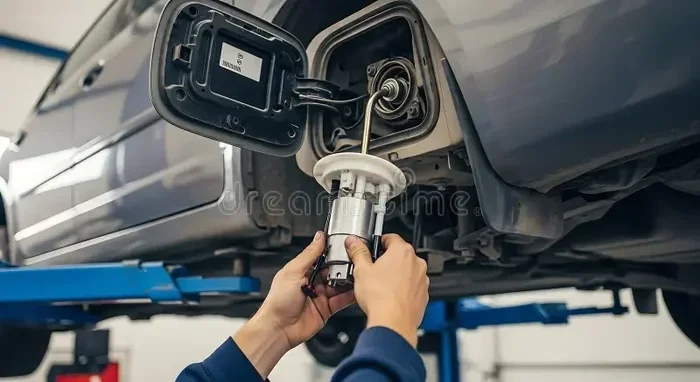
Most modern cars have the fuel pump inside the gas tank. This design is quieter and safer, but it makes replacement harder. To reach the pump, the mechanic must remove the gas tank. This adds significant time to the job.
For these vehicles, expect the replacement to take 3 to 6 hours at a repair shop. The tank removal and reinstallation alone can take 1 to 2 hours. Add in accessing the pump module, disconnecting electrical connectors, and dealing with any rust or stuck bolts, and the time adds up fast.
High-Mounted or Difficult-Access Pumps
Some vehicles place the fuel pump in an awkward location. Certain SUVs and trucks with complex underbody setups can make the job take even longer. In rare cases, a difficult-access fuel pump replacement might stretch to 8 hours or more.
The number of fuel pumps your vehicle has also matters. For instance, some performance models like the Dodge Charger have multiple pumps, which you can learn more about by checking How Many Fuel Pumps Does A Dodge Charger Have. More pumps mean more complexity and potentially more time.
What Is the Average Cost of a Fuel Pump Replacement?
Cost is always a concern when facing car repairs. Let us break down what you can expect to pay.
| Vehicle Type | Parts Cost | Labor Cost | Total Average |
|---|---|---|---|
| Compact Car | $100 – $250 | $200 – $400 | $300 – $650 |
| Mid-Size Sedan | $150 – $350 | $300 – $500 | $450 – $850 |
| SUV / Truck | $200 – $500 | $350 – $700 | $550 – $1,200 |
| Performance / Luxury | $300 – $700 | $400 – $800 | $700 – $1,500 |
These numbers are averages and can vary based on your location, shop rates, and whether you choose OEM or aftermarket parts. Labor makes up about 50 to 60 percent of the total cost in most cases. This is why the time the job takes directly impacts your wallet.
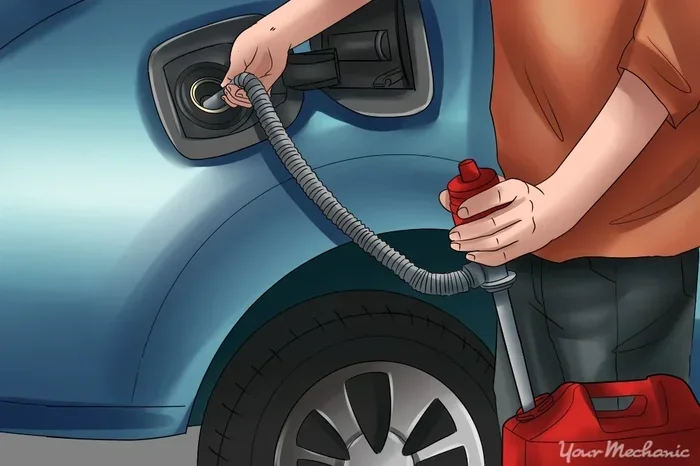
If you are handy with tools, a DIY fuel pump replacement can save you hundreds in labor costs. However, the job requires some mechanical knowledge and the right tools. You will need to safely depressurize the fuel system, disconnect electrical connections, and handle the gas tank carefully.
Signs Your Fuel Pump Needs Replacement
Catching a failing pump early saves you from a complete breakdown. Watch for these warning signs:
- Whining or humming noise: A loud whine from the rear of the car often signals a struggling pump.
- Engine stalling: The engine suddenly dies, especially under heavy load or at high speeds.
- Hard starting: The car cranks but takes a long time to start or refuses to start at all.
- Loss of power: You feel sluggish when accelerating or climbing hills.
- Sputtering at high speeds: The engine coughs and sputters but smooths out at lower speeds.
- Check engine light: A faulty pump can trigger error codes. You may need to How Do I Manually Clear My Car Codes after the repair to reset the light.
Do not ignore these symptoms. A completely dead fuel pump leaves you stranded. If you notice any of these signs, get the pump checked as soon as possible.
Tips to Speed Up the Replacement Process
Whether you are a mechanic or a DIYer, these tips help you finish the job faster and with fewer headaches.
Gather Your Tools Before Starting
Nothing slows down a repair like stopping to find the right socket or tool. Before you begin, make sure you have:
- A basic socket and wrench set
- A fuel line disconnect tool
- A jack and jack stands or ramps
- A drain pan for leftover fuel
- A new fuel pump O-ring and filter
Having everything ready means no interruptions. You can focus on the job and finish in record time.
Replace the Fuel Filter at the Same Time
This is one of the best car maintenance habits. A clogged fuel filter puts extra strain on the new pump. Replacing both at once ensures your fuel system works at peak performance. It also saves you a second visit to the shop.
Work on a Cool Engine
Always let the engine cool before starting. Gasoline is flammable, and hot components increase the risk of fire. A cool engine also gives you better access and reduces the chance of burns.
Take Photos During Disassembly
This simple trick saves tons of time during reassembly. Photos help you remember where each connector, clip, and line goes. You will not have to guess or search for the correct placement later.
Buy Quality Parts
Cheap aftermarket pumps might save money upfront but often fail within months. Investing in a quality fuel pump module from a reputable brand means fewer comebacks and less wasted time.
DIY vs. Professional Replacement: Which Is Right for You?
Deciding between a DIY job and a trip to the mechanic depends on your skill level, tools, and available time.
When to Go DIY
You should consider a DIY replacement if you have the following:
- Basic mechanical skills and confidence
- A clean, well-lit workspace
- Access to a jack and proper safety stands
- Experience working with fuel systems
- A vehicle with an accessible external pump or easy tank access
DIY replacement can take less time because you work at your own pace without shop overhead. Many experienced home mechanics finish the job in 2 to 3 hours.
When to See a Professional
You should trust a professional if:
- You have never worked on fuel systems before
- Your vehicle requires tank removal in a tight space
- You do not have the proper tools or safety equipment
- Multiple electrical issues are involved
- You need the car back quickly and safely
A professional mechanic has the experience, lifts, and diagnostic tools to handle complications. They can also check related components like the fuel pump relay and wiring while the tank is off, saving you a separate visit.
How to Make Your Fuel Pump Last Longer
Once you have replaced the pump, you want it to last as long as possible. Here are simple habits that extend pump life:
- Keep your tank at least a quarter full. The pump relies on fuel for cooling. Running low causes overheating.
- Use quality fuel. Gas from reputable stations contains fewer contaminants that damage the pump.
- Replace the fuel filter regularly. A clean filter reduces strain on the pump. Check your owner’s manual for the recommended interval.
- Avoid frequent short trips. Short drives do not let the fuel system reach optimal temperature, which can cause condensation and contamination.
- Address warning signs early. Do not ignore whining noises or starting problems. Early action prevents a full breakdown.
These habits cost nothing but time and can add years of life to your new fuel pump. They are the simplest form of car maintenance you can do.
Common Mistakes People Make During Fuel Pump Replacement
Avoiding these mistakes saves time, money, and frustration:
- Forgetting to depressurize the fuel system. Working on a pressurized system is dangerous and can cause fuel spray. Always relieve pressure first.
- Skipping the O-ring. A worn O-ring causes leaks. Always install a new one with the new pump.
- Reusing old clips and connectors. Old clips break easily. New clips ensure a secure, leak-free connection.
- Not checking the relay and fuse. Sometimes the pump is fine, but a bad relay causes the same symptoms. Always test these first.
- Rushing the reinstallation. Properly securing the tank and all connections prevents rattles, leaks, and sensor errors later.
These mistakes are easy to avoid with patience and attention to detail. Taking your time actually saves time in the long run.
Expert Insights on Fuel Pump Replacement Time
Experienced mechanics agree that preparation is the biggest time-saver. Shops that keep common pump modules in stock can start and finish the job same-day. Independent shops often work faster than dealerships for this repair because dealerships have more administrative steps.
One mechanic shared that the average fuel pump labor time in their shop is about 3 hours for most sedans and SUVs. Trucks with difficult access can take 5 or more hours. The key variable is always the tank design and the amount of corrosion or rust present.
Another tip from the pros: always scan for codes before and after the replacement. This confirms the pump was the real issue and ensures the new pump resolved the problem. If the check engine light stays on after the fix, further diagnosis is needed.
Conclusion
So, how long does it take to replace a fuel pump on average? For most vehicles, you are looking at 2 to 6 hours depending on the pump location and your vehicle type. The job is manageable for a skilled DIYer and straightforward for a professional mechanic.
Understanding the process, costs, and timeline helps you make informed decisions. You will not feel lost when you walk into the shop or start the project in your driveway. Fuel pump replacement is one of the more common repairs, and with the right preparation, it goes smoothly.
Remember to keep your fuel system healthy after the replacement. A clean filter, quality fuel, and a habit of keeping your tank above a quarter full will protect your new pump. These small steps make a big difference in the long run.
Do not wait until your car refuses to start. If you notice any symptoms of a failing pump, get it checked and replaced promptly. Your wallet and your schedule will thank you.
Frequently Asked Questions
Can I drive my car with a bad fuel pump?
You can drive short distances with a failing pump, but it is risky. A completely dead pump will leave you stranded. It is best to address the issue as soon as you notice symptoms like stalling or hard starting.
How much does it cost to replace a fuel pump?
The total cost typically ranges from $400 to $1,200, depending on your vehicle. Parts cost between $100 and $700, while labor makes up the rest of the expense. DIY replacement can lower the cost significantly.
Can a fuel pump be replaced without removing the gas tank?
Yes, if your vehicle has an external fuel pump or a top-access design. Many older vehicles and some modern models allow access without tank removal. Check your vehicle’s service manual to confirm.
How long does a fuel pump last?
Most fuel pumps last 100,000 miles or more with proper care. Keeping your tank at least a quarter full and using quality fuel helps extend the pump’s lifespan significantly.
Is it hard to replace a fuel pump yourself?
The difficulty varies by vehicle. External pumps are easy to replace. Internal pumps require more skill and tools, especially when removing the gas tank. If you are comfortable working with fuel systems, it is a manageable DIY job.
What happens if I ignore a failing fuel pump?
A failing pump will eventually stop working completely. This leaves you unable to start your car. In some cases, a dead pump can also damage the engine by causing lean fuel conditions. Addressing the problem early prevents costly secondary damage.