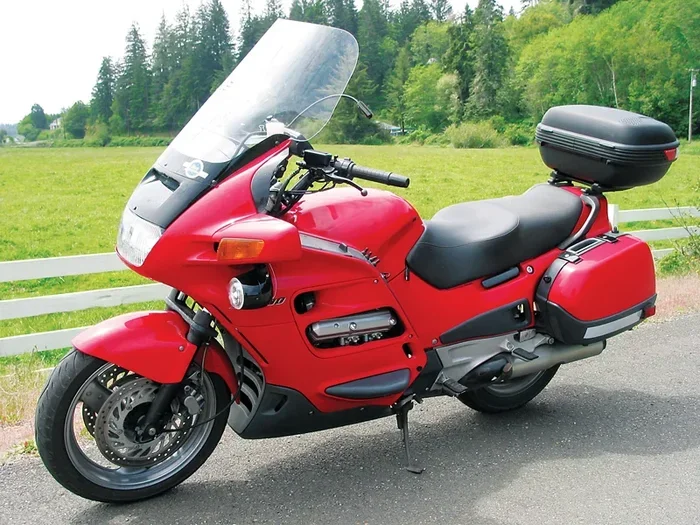
Honda ST1100 Common Problems and What to Do About Them
The Honda ST1100 is a beloved touring motorcycle, but it has its share of known issues every owner should understand. The most frequent Honda ST1100 common problems include electrical faults, oil leaks, cooling system failures, and fuel pump troubles. Knowing what to look for and how to fix these issues early can save you hundreds of dollars and keep your bike running strong for years to come.
Owning a Honda ST1100 is a rewarding experience for any touring enthusiast. This motorcycle has earned a loyal following among riders who log long highway miles. But like any machine built over three decades ago, it comes with its quirks. Honda ST1100 common problems are well-documented among owners and online forums. If you own one or are thinking about buying one, knowing what can go wrong helps you stay ahead of trouble.
The ST1100, also known as the Honda Pan European, was produced from 1990 to 2002. It was designed as a comfortable, reliable touring bike built for long highway rides. Over the years, however, certain ST1100 issues have become widely recognized. These range from simple gasket leaks to more complex electrical faults. The good news is that most of these problems have well-known fixes. With the right knowledge, you can keep your ST1100 on the road and avoid costly repairs down the line.
In this guide, we will walk through the most common Honda ST1100 common problems in detail. We will cover what causes them, how to spot them early, and the best ways to fix them. We will also share practical maintenance tips that help you prevent many of these issues altogether. Whether you are a first-time ST1100 owner or a seasoned rider with thousands of miles, this guide has something valuable for you.
Key Takeaways
- Electrical issues top the list of Honda ST1100 common problems, especially the starter relay and wiring harness.
- Oil leaks often stem from worn valve cover gaskets or crank seals and are straightforward to repair.
- Cooling system failures can lead to overheating, so regular checks of the thermostat and water pump are essential.
- Fuel pump problems can leave you stranded, but replacement is affordable and easy to DIY.
- Regular ST1100 maintenance is the single best way to prevent most Honda ST1100 common problems before they start.
- Using quality OEM parts during repairs ensures longer-lasting fixes and protects your investment.
📑 Table of Contents
Understanding the Honda ST1100
The Honda ST1100 is a 997cc V4 touring motorcycle that gained popularity across Europe and beyond. Many riders chose it for its comfort, storage capacity, and smooth power delivery. It earned a reputation for being a dependable long-distance companion on highways and mountain roads. However, its age means that certain wear-and-tear issues are expected. Understanding the bike’s design helps you anticipate where problems might arise.
Honda built the ST1100 with a shaft drive and a fully faired body. This made it ideal for highway cruising and multi-day touring trips. The bike also featured an adjustable windscreen and heated grips in later models. These comfort features made it a favorite among touring enthusiasts. But the complexity of these systems also means more things can potentially go wrong over time.
When it comes to Honda ST1100 reliability, the bike generally holds up well. Many owners report 100,000-plus miles with proper care and attention. However, ignoring warning signs can turn small issues into major repairs. That is why staying informed about common ST1100 problems is so important. Early detection is always cheaper and easier than late-stage repair.
Electrical Problems and How to Fix Them
Starter Relay Failure
One of the most reported Honda ST1100 common problems is the starter relay failing. This issue often shows up as a clicking sound when you turn the key, but the engine does not crank. The relay is located under the seat, and over time, the internal contacts can wear out or corrode from moisture exposure.
Replacing the starter relay is relatively simple and inexpensive. You can find aftermarket relays for under $30 at most motorcycle parts suppliers. Before buying a new one, try tapping the relay gently with a screwdriver handle. Sometimes this temporarily fixes the issue and confirms the relay is the culprit. If tapping works, replace it right away to avoid being stranded on the side of the road.
Wiring Harness Degradation
Another common Honda ST1100 electrical issues involves the wiring harness. Over time, the insulation on the wires can crack and fray, especially near the engine where heat exposure is high. This can cause intermittent electrical failures, flickering headlights, or blown fuses.
Inspect your wiring harness regularly, especially if your bike has higher mileage. Look for cracked or exposed wires near the engine block and under the fuel tank. If you find damage, replace the affected section or consider a full harness replacement. Many owners choose to upgrade to a modern wiring harness for better durability and safety. This is one of those important ST1100 troubleshooting steps that can save you from bigger headaches later.
It is worth noting that Honda’s reputation for building reliable vehicles extends across their entire lineup. Are Honda Civics Reliable? Yes, and that same engineering philosophy applies to their motorcycles. Honda pays close attention to electrical system design across all their products, but age and mileage will eventually take a toll on any vehicle, whether it is a car or a motorcycle.
Ignition Switch Wear
The ignition switch on the ST1100 can also develop problems over the years. You might notice the bike struggling to start or losing power to accessories like the fuel pump or lights. This is often caused by worn contacts inside the switch mechanism. Replacing the ignition switch is a straightforward repair that most owners can handle at home with basic tools.
Oil Leaks and Gasket Problems
Valve Cover Gasket Leaks
ST1100 oil leak issues are extremely common, especially as the bike ages and accumulates mileage. The valve cover gasket is one of the most frequent culprits. You will often notice oil seeping around the edges of the valve cover or dripping onto the engine block. This is not only messy but can also lead to oil loss if left unchecked for too long.
Replacing a valve cover gasket is a manageable DIY job for most owners. You will need a new gasket set, some basic hand tools, and about an hour of your time. Make sure to clean all surfaces thoroughly before installing the new gasket. Using OEM Honda gaskets ensures a proper seal and long-lasting results compared to cheaper alternatives.
Crank Seal Wear
Another source of oil leaks on the ST1100 is the front crank seal. This seal sits at the front of the engine where the crankshaft exits the case. Over time, it can harden and crack, allowing oil to seep out along the left side of the engine or near the chain drive area.
Replacing a crank seal requires more effort than a valve cover gasket. You will need to remove the alternator, chain cover, and drive chain to access the seal. However, it is still a repair that most home mechanics can handle with patience. The parts are affordable, and doing the job yourself saves significant labor costs compared to a shop repair.
Regularly checking your oil level and inspecting for leaks can help you catch gasket problems early. Many experienced riders make this part of their ST1100 maintenance routine. A few minutes of inspection each month can prevent major repairs later and keep your bike running cleanly.
Cooling System Failures
Thermostat Problems
The ST1100 uses a liquid cooling system, and the thermostat is a common failure point. When the thermostat sticks closed, the engine overheats quickly, especially in traffic or on hot days. When it sticks open, the engine takes longer to reach operating temperature, which can reduce fuel efficiency and increase engine wear over time.
Watch for signs of overheating, such as the temperature gauge climbing into the red zone or coolant leaking from the radiator hoses. Replacing the thermostat is inexpensive and easy. It is a smart part of routine Honda motorcycle maintenance to swap out the thermostat every few years as a preventive measure. A new thermostat costs very little and can save you from expensive engine damage.
Water Pump Failure
The water pump on the ST1100 can also fail over time, especially as the bike passes the 15-year mark. Symptoms include coolant leaks, overheating, and unusual whining noises coming from the front of the engine. The water pump seal can dry out and crack, allowing coolant to escape onto the engine or ground.
If you notice any coolant puddles under your bike or see coolant residue around the pump area, inspect it immediately. Driving with a failed water pump can cause catastrophic engine damage very quickly. Replacement of the water pump is a more involved repair, but it is essential for keeping your touring bike running safely and reliably.
Many riders trust Honda’s engineering because they know a Honda CR-V can last 20 years with proper care. The same principle applies to the ST1100. Regular cooling system maintenance, including coolant flushes and hose inspections, is the key to long-term reliability.
Fuel System and Starter Motor Issues
Fuel Pump Failure
The fuel pump on the Honda ST1100 is another component that can cause serious trouble as the bike ages. When the fuel pump begins to fail, you might experience difficulty starting the bike, stalling under load, or a noticeable loss of power at highway speeds. In some cases, the bike may not start at all, leaving you stranded.
Fuel pump failure on the ST1100 is often caused by age and fuel contamination over the years. The pump is located inside the fuel tank, so replacing it requires dropping the tank. While this is not a quick job, it is a well-documented repair with plenty of resources and forum threads available online. Budget around $100 to $200 for the pump itself, plus a few hours of your time for the replacement.
Starter Motor Wear
The starter motor can also wear out over time, especially if you frequently ride in cold or wet conditions. Signs of a failing starter include slow cranking, grinding noises, or the motor not engaging at all when you turn the key. Before replacing the starter, always check the battery and connections first, as weak electrical systems often mimic starter problems.
Replacing the starter motor on the ST1100 is a moderate difficulty task. The motor is located on the left side of the engine, near the transmission. You will need to disconnect the battery, remove the drive chain, and unbolt the starter unit. Having a service manual on hand makes this job much easier and helps you avoid mistakes.
Preventive Maintenance Tips to Avoid Honda ST1100 Common Problems
The best way to deal with Honda ST1100 common problems is to prevent them from happening in the first place. A solid maintenance routine keeps your bike running smoothly and catches small issues before they become expensive repairs. Here is a practical maintenance schedule to follow for your ST1100.
Monthly Checks
- Check engine oil level and top off as needed
- Inspect for any visible oil or coolant leaks
- Test all lights, indicators, and electrical accessories
- Check tire pressure and inspect for uneven wear
- Examine the chain for proper tension and lubrication
Every 5,000 Miles
- Change engine oil and replace the oil filter
- Inspect and adjust the valve clearances
- Check the coolant level and inspect hoses for cracks
- Inspect the fuel lines for any signs of deterioration
- Clean or replace the air filter if needed
Every 15,000 Miles
- Perform a coolant flush and refill the system
- Inspect the wiring harness for any signs of wear or cracking
- Check the starter relay and ignition switch operation
- Inspect the fuel pump fuel delivery and pressure
- Have the brakes inspected and pads replaced if needed
Following this maintenance schedule will greatly reduce the chances of encountering serious ST1100 issues. It also helps you understand your bike better, which makes troubleshooting much easier when something does go wrong. Keeping a maintenance log is a great habit that tracks your progress and reminds you of upcoming service intervals.
Riding in Challenging Conditions
How your ST1100 handles different weather and road conditions matters for long-term reliability. Are Honda Civics Good In The Snow? While that question is about a car, the principle applies to any Honda vehicle, including motorcycles. Riding in cold, wet, or salty conditions puts extra stress on electrical connections, chains, and cooling systems.
If you regularly ride in harsh conditions, take extra care to dry and protect your bike after each ride. Apply chain lube more frequently, and consider using a battery tender during long storage periods. These small steps add up significantly and extend the overall life of your ST1100.
When to Seek Professional Help
While many ST1100 repairs are DIY-friendly, some jobs are best left to qualified professionals. Complex electrical diagnostics, internal engine work, and ABS module repairs require specialized tools and expertise. If you are unsure about a repair, consult a qualified Honda mechanic or a motorcycle specialist. Investing in professional help for complex issues can save you from costly mistakes and further damage.
Common Mistakes Owners Make With Their ST1100
Even the best owners can make mistakes that lead to premature wear or expensive repairs on their ST1100. Here are some common errors to avoid at all costs.
- Ignoring small leaks. A small oil drip today can become a major gasket failure tomorrow. Always address leaks promptly before they worsen.
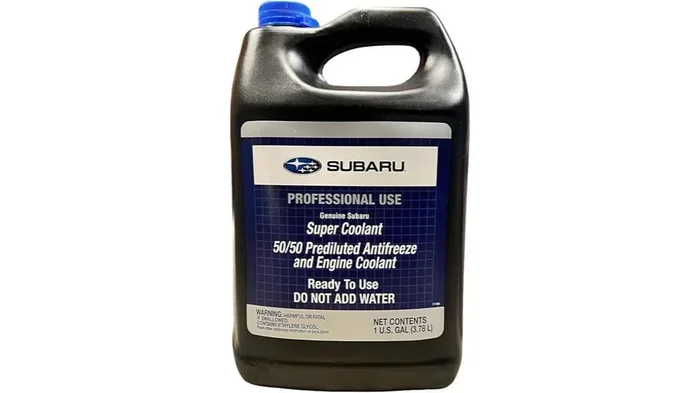
- Skipping coolant flushes. Old coolant becomes acidic over time and can damage the water pump and radiator from the inside out.
- Neglecting the battery. A weak battery puts extra strain on the starter motor and entire electrical system. Replace your battery every three to four years.
- Using cheap replacement parts. Non-OEM parts may save money upfront but often fail much faster. Stick with quality components for lasting repairs.
- Postponing regular inspections. Catching problems early is always cheaper and easier than fixing them after they cause secondary damage to other components.
- Overlooking chain maintenance. A dry or improperly tensioned chain wears out faster and can cause drivetrain damage if not addressed regularly.
Conclusion
The Honda ST1100 remains a fantastic touring motorcycle that has stood the test of time. Like any aging machine, it does come with a set of known Honda ST1100 common problems. But the vast majority of these issues are well understood and easily fixable. Electrical faults, oil leaks, cooling system problems, and fuel pump issues are all manageable with the right knowledge and a bit of patience.
Staying on top of your ST1100 maintenance schedule is the single most important thing you can do for your bike. Regular inspections catch problems early, and using quality OEM parts ensures repairs last longer. Whether you ride your ST1100 across the country or keep it as a weekend cruiser, these tips will help you get the most out of your investment.
Remember, every motorcycle develops issues as it ages. What matters is how you respond to them. With the information in this guide, you are now equipped to handle Honda ST1100 common problems confidently and effectively. Keep riding, stay proactive with your maintenance, and enjoy many more miles on the open road.
Frequently Asked Questions
What are the most common Honda ST1100 common problems?
The most frequent issues include starter relay failure, wiring harness degradation, valve cover gasket leaks, thermostat problems, and fuel pump failure. These are all well-documented among ST1100 owners and have known fixes that are relatively affordable and straightforward.
How do I know if my ST1100 has an oil leak?
Look for oil seeping around the valve cover edges, drips on the engine block, or oil spots under your bike after parking. You may also notice low oil levels between changes. Regular inspections help you catch leaks early before they cause engine damage.
Can I fix Honda ST1100 common problems myself?
Many ST1100 repairs are DIY-friendly, including relay replacement, gasket changes, and thermostat swaps. However, complex jobs like fuel pump replacement or internal engine work may require professional help. Always refer to a service manual and be honest about your skill level.
How often should I maintain my Honda ST1100?
Perform monthly checks on oil levels, leaks, and electrical systems. Change oil every 5,000 miles, flush coolant every 15,000 miles, and inspect the wiring harness and fuel system annually. Following a consistent schedule prevents most Honda ST1100 common problems.
Are Honda ST1100 common problems expensive to fix?
Most fixes are affordable, with parts costing between $30 and $200. Electrical repairs like relay and switch replacements are very inexpensive. Larger jobs like fuel pump or water pump replacement cost more in labor but are still reasonable compared to other touring motorcycles.
What is the best way to prevent Honda ST1100 common problems?
Regular maintenance is the single best prevention. Keep up with oil changes, coolant flushes, and electrical inspections. Use quality OEM parts, address small leaks immediately, and store your bike properly. Prevention always costs less than repair.