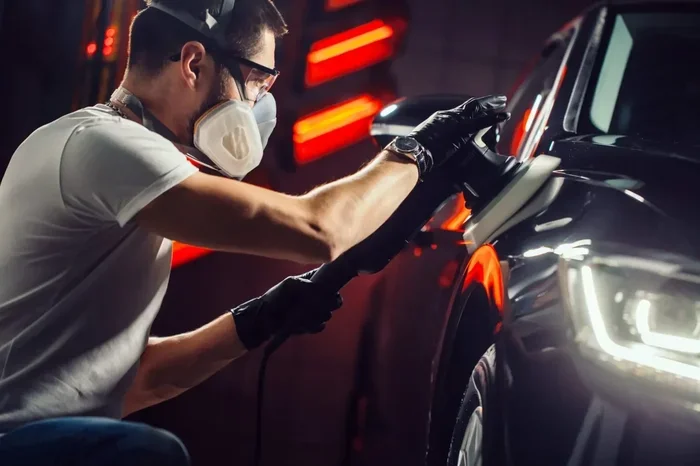
How Long Does It Take to Service and Detail Your Car
A basic car service typically takes 1 to 3 hours, while a full car detail can range from 2 to 8 hours depending on the package. Understanding what each process involves helps you plan your day and set realistic expectations. This guide covers everything from oil changes to paint correction so you know exactly what to expect.
Whether you just bought a new car or you are keeping your daily driver in top shape, you have probably wondered how long the whole process takes. Servicing and detailing a car are two different things, but both are essential for keeping your vehicle running smoothly and looking great. The time involved can vary a lot depending on what you choose to do.
In this guide, we break down every step. You will learn exactly how long each type of service takes, what factors can speed things up or slow them down, and how to plan your day so you are not left waiting. We keep it simple and practical so you can walk away with real answers.
Key Takeaways
- Basic service takes 1–3 hours: An oil change, tire rotation, and inspection are quick and straightforward.
- Full detailing takes 3–8 hours: Interior and exterior cleaning, waxing, and paint correction add significant time.
- First-time service matters: Getting your first car service right sets the tone for long-term vehicle health.
- Add oil during service if needed: If your levels are low, adding oil is a quick fix that technicians can handle on the spot.
- AWD vehicles may take longer: AWD systems need extra attention during servicing, which can extend the timeline.
- Plan ahead: Booking in advance and knowing the scope of work helps you avoid long waits.
📑 Table of Contents
- What Happens During a Car Service?
- How Long Does a Basic Service Take?
- How Long Does a Full Car Detail Take?
- Factors That Affect Service and Detailing Time
- How Often Should You Service and Detail Your Car?
- Quick Tips to Save Time on Your Next Visit
- Common Mistakes People Make When Servicing and Detailing
- Service and Detailing Cost vs. Time Comparison
- Final Thoughts
What Happens During a Car Service?
A car service is all about mechanical health. It focuses on the parts you cannot see from the outside. Technicians check fluids, filters, belts, and other components that keep your engine and drivetrain working properly.
What Does a Basic Service Include?
A basic service usually involves a few standard steps. Here is what typically happens:
- Oil and filter change: This is the most common service item. Fresh oil keeps your engine lubricated and cool.
- Tire rotation: Technicians move your tires to different positions so they wear evenly.
- Brake inspection: They check your brake pads, rotors, and fluid levels.
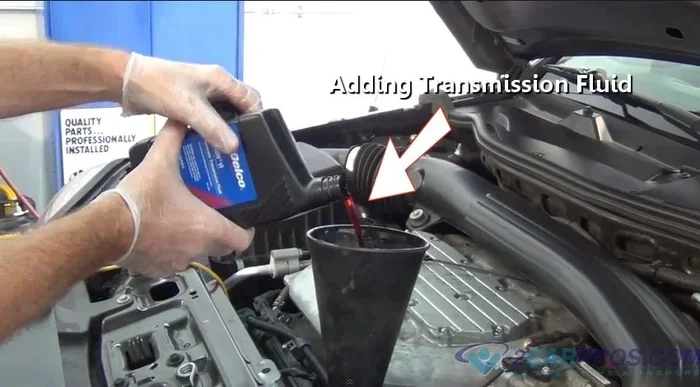
- Fluid top-off: Coolant, brake fluid, power steering fluid, and windshield washer fluid get checked and refilled.
- Diagnostic scan: A computer check looks for any error codes hiding in your vehicle’s systems.
Most of these tasks take about 1 to 2 hours combined. If everything looks good and no issues pop up, you can be in and out quickly.
What Does a Full Service Include?
A full service goes deeper. It covers everything in a basic service plus additional checks and replacements. Here is what you can expect:
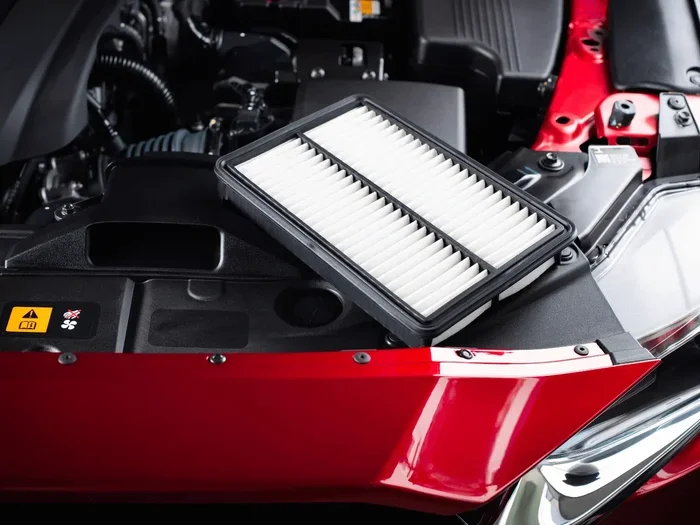
- Air filter replacement: A clean air filter helps your engine breathe better.
- Spark plug check or replacement: Worn spark plugs reduce fuel efficiency.
- Timing belt inspection: This critical component gets checked for wear and tear.
- Transmission fluid check: Fresh transmission fluid keeps your gears shifting smoothly.
- Suspension and steering check: Technicians look at bushings, ball joints, and tie rods.
- Battery test: They measure your battery’s charge and condition.
A full service usually takes 2 to 4 hours. The exact time depends on your vehicle’s make and model. Some cars are easier to work on than others. Always ask your mechanic for a time estimate before you drop off your car.
How Long Does a Basic Service Take?
Let us get specific. A basic car service, sometimes called an interim service, generally takes about 1 to 3 hours. This timeframe covers the standard checks and fluid changes mentioned above.
Here is a rough breakdown of the timing:
- Oil change: 20 to 40 minutes
- Tire rotation: 15 to 30 minutes
- Brake inspection: 15 to 20 minutes
- Fluid checks and top-offs: 10 to 15 minutes
- Diagnostic scan: 10 to 15 minutes
Add these up and you get roughly 1 to 2 hours for a straightforward basic service. However, if the technician finds something that needs attention, the clock may move. For example, if your brake pads are worn and need replacing, that adds another 30 to 60 minutes.
One thing that can affect timing is whether you are getting your first service on a new car. The first service of a car sometimes takes a bit longer because the technician does a thorough inspection of everything. They want to make sure all components are properly broken in and functioning as they should.
How Long Does a Full Car Detail Take?
Detailing is different from servicing. While service focuses on mechanical parts, detailing focuses on appearance and cleanliness. A full car detail can take anywhere from 3 to 8 hours depending on the package you choose.
What Does Exterior Detailing Involve?
The exterior detailing process is hands-on and detailed. Here is what it typically includes:
- Washing: A thorough hand wash removes dirt, grime, and road salt. This alone takes 20 to 30 minutes.
- Clay bar treatment: This step removes embedded contaminants from the paint surface. It takes about 30 to 45 minutes.
- Polishing: A machine polish removes minor scratches and restores shine. This can take 1 to 2 hours.
- Waxing: Applying a protective wax layer takes 20 to 40 minutes.
- Tire and wheel cleaning: Technicians clean and dress your tires for a finished look. This takes 15 to 20 minutes.
- Window cleaning: Interior and exterior windows get cleaned for clear visibility. This takes about 15 minutes.
A basic exterior detail takes around 2 to 3 hours. A full exterior detail with paint correction and ceramic coating can stretch to 4 or 5 hours.
What Does Interior Detailing Involve?
The interior deserves just as much attention. Here is what a thorough interior detail covers:
- Vacuuming: All seats, carpets, and floor mats get vacuumed. This takes 15 to 20 minutes.
- Steam cleaning: Stains on fabric seats and carpets get treated with steam. This adds 20 to 30 minutes.
- Leather conditioning: If your car has leather seats, they get cleaned and conditioned. This takes 20 to 30 minutes.
- Dashboard and console cleaning: All surfaces get wiped down and polished. This takes 15 to 20 minutes.
- Door panel and trim cleaning: Every surface gets attention to remove grime and buildup.
- Air vent cleaning: Technicians use specialized tools to clean dust from vents. This takes about 10 minutes.
A basic interior detail takes about 1.5 to 2 hours. A full interior detail with deep steam cleaning and leather restoration can take 3 to 4 hours.
Add-On Services That Extend Detailing Time
Some detailing packages include extras that add to the total time. Here are common add-ons:
- Engine bay cleaning: Cleaning the engine compartment takes an extra 30 to 60 minutes.
- Paint correction: Correcting deep scratches and swirl marks can add 1 to 3 hours.
- Ceramic coating: Applying a ceramic coating takes 1 to 2 hours and requires curing time.
- Headlight restoration: Restoring cloudy headlights takes about 20 to 30 minutes per pair.
- Odor removal: Eliminating stubborn smells with ozone treatment takes 30 to 60 minutes.
Keep in mind that these add-ons are not always necessary. Talk with your detailer about what your car actually needs. You do not have to pay for everything if your car is already in good shape.
Factors That Affect Service and Detailing Time
Not all cars are the same, and not all services are equal. Several factors can change how long your service or detailing appointment takes.
Vehicle Type and Size
A compact sedan takes less time to service and detail than a full-size SUV or a truck. Larger vehicles have more surface area to clean, more fluids to check, and more components to inspect. If you drive a big truck, expect the timeline to be on the longer end.
Vehicle Condition
A well-maintained car that gets regular care will go through service and detailing faster. A car that has not been cleaned or serviced in a long time needs more work. Heavy dirt buildup, stains, and neglected maintenance all add time.
Service Package Chosen
The package you select matters a lot. A quick oil change takes 30 minutes. A full bumper-to-bumper service takes half a day. Similarly, a basic wash and vacuum takes less time than a full detail with paint correction.
Shop Busy-ness
If the shop is packed, you might wait longer even if the actual work takes the same amount of time. Booking ahead and choosing off-peak hours can help you avoid delays.
Additional Repairs
If your technician finds something that needs fixing during a service, the timeline extends. For instance, if your AWD system needs attention, this can add time to the appointment. AWD vehicles have extra components that require specialized checks during service.
DIY vs. Professional
Doing it yourself always takes longer than letting a professional handle it. A pro has the right tools, experience, and workflow to get things done efficiently. If you are new to car care, consider starting with a professional and learning as you go.
How Often Should You Service and Detail Your Car?
Knowing how long things take is only half the battle. You also need to know how often to do them. Here is a simple guide:
Service Frequency
- Basic service: Every 5,000 to 7,500 miles or every 6 months.
- Full service: Every 15,000 to 30,000 miles or once a year.
- Oil change: Every 3,000 to 5,000 miles for conventional oil. Synthetic oil can go 7,500 to 10,000 miles.
Check your owner’s manual for the manufacturer’s recommended schedule. Following it keeps your warranty valid and your car running well.
Detailing Frequency
- Basic wash and vacuum: Every 2 to 4 weeks.
- Full interior and exterior detail: Every 3 to 6 months.
- Ceramic coating refresh: Every 12 to 18 months.
- Paint correction: Only when needed, usually once a year or less.
How often you detail also depends on your driving conditions. If you drive on dusty roads or park outside, you will need more frequent cleaning. A car that stays in a garage and gets driven occasionally can go longer between details.
Quick Tips to Save Time on Your Next Visit
You cannot always control how long the work takes, but you can control how you prepare. Here are some tips that help:
- Book your appointment in advance: This ensures the shop has a slot ready for you and reduces wait time.
- Drop off early in the day: Early drop-offs often get started first.
- Be clear about what you need: Tell the service advisor exactly what you want done. Vague requests lead to back-and-forth and delays.
- Leave your contact info: If they find extra issues, they can reach you quickly instead of making you wait.
- Pre-clean your car: Remove personal items from the interior before you drop it off. This saves the detailer time.
- Ask for a written estimate: A clear estimate prevents surprises and keeps the process moving smoothly.
These small steps add up. They help the technicians work efficiently and get you back on the road faster.
Common Mistakes People Make When Servicing and Detailing
Avoiding these mistakes can save you time and money:
- Skipping regular services: It might seem like you are saving time now, but skipping services leads to bigger problems later that take much longer to fix.
- Choosing the cheapest option: Budget services often rush through the work. This can lead to missed issues and repeat visits.
- Not asking questions: If you do not understand what a service includes, you might pay for things you do not need or miss things you do.
- Ignoring warning signs: Strange noises, warning lights, or changes in how your car drives should never be ignored. Addressing them early keeps service times short.
- Over-detailing: More is not always better. If your car is already clean, a full detail might be unnecessary and waste your time and money.
Service and Detailing Cost vs. Time Comparison
Here is a quick look at how time and cost compare across different service and detail levels:
- Basic oil change: 30 minutes, $40 to $80
- Basic service: 1 to 2 hours, $100 to $250
- Full service: 2 to 4 hours, $250 to $500
- Basic detail: 2 to 3 hours, $100 to $200
- Standard detail: 3 to 5 hours, $200 to $400
- Premium detail: 5 to 8 hours, $400 to $800+
These numbers vary by location, shop reputation, and vehicle type. Always get a quote before you commit to a service or detailing package.
Final Thoughts
Servicing and detailing your car does not have to be a mystery. A basic service takes about 1 to 3 hours, and a full detail ranges from 3 to 8 hours. The exact time depends on your vehicle, the package you choose, and the condition of your car.
The best approach is to plan ahead. Know what your car needs, book in advance, and communicate clearly with your service provider. This way, you get quality work done without wasting your whole day.
Regular service keeps your car safe and reliable. Regular detailing keeps it looking great. Both are worth the time and investment. Your car takes care of you every day. It is time to return the favor.
Frequently Asked Questions
How long does a basic car service usually take?
A basic car service, which includes an oil change, tire rotation, brake inspection, and fluid checks, typically takes 1 to 3 hours. If no extra issues are found, most cars are done within 2 hours.
Can I wait while my car is being detailed?
Yes, many detailing shops allow you to wait. However, a full detail takes several hours, so you might want to make other plans. Some shops offer pickup and delivery services if you prefer not to wait.
Does a full detail include the engine bay?
It depends on the package. Some detailing packages include an engine bay cleaning as a standard item. Others offer it as an add-on for an extra fee. Always check what is included before booking.
How often should I get my car detailed?
A full interior and exterior detail every 3 to 6 months is a good rule of thumb. If you drive in harsh conditions or park outside often, you may want to detail more frequently.
Is it okay to add oil between services if my level is low?
Yes, adding oil is a simple fix that keeps your engine protected. If you notice your oil level is low, you can top it off yourself or ask a technician during your next service. For more details, check out this guide on adding oil to your car.
What should I do if my car needs extra repairs during a service?
If the technician finds an issue during your service, they will let you know before doing any extra work. Ask for a clear explanation of the problem, the cost, and the time it will add. You can always decide whether to proceed or reschedule.