Does Traction Control Affect the Engine Performance
Traction control does affect the engine by reducing power and adjusting throttle when wheels slip. It is a safety feature designed to help you maintain control on slippery roads. Understanding how it works can help you drive smarter and keep your vehicle running at its best.
Have you ever wondered what happens under the hood when your traction control kicks in? Many drivers press the button without really thinking about it. But the truth is, traction control does affect the engine in meaningful ways. It changes how much power reaches the wheels, adjusts throttle response, and can even influence your fuel economy. In this article, we will break it all down in simple, easy-to-understand terms.
Whether you drive a daily commuter or a performance vehicle, understanding traction control and engine performance matters. It helps you make smarter driving decisions. It also keeps you safe on wet, icy, or uneven roads. So let us dive right in and explore how this important safety system works with your engine.
Key Takeaways
- Traction control interacts directly with the engine: It reduces throttle and power output when it detects wheel slip.
- The system uses sensors and the ECU: These work together to monitor tire grip and adjust engine performance in real time.
- Traction control can slightly reduce fuel efficiency: Because it limits power, your engine may work differently under certain conditions.
- Turning it off can help in specific situations: Such as deep snow, mud, or when your car is stuck.
- A faulty traction control system may trigger the check engine light: This is a sign you should get diagnostics done promptly.
- Regular maintenance keeps the system working properly: Clean air filters, fresh coolant, and working sensors all play a role.
- Traction control and stability control are related but different: Both affect engine behavior but serve distinct safety purposes.
📑 Table of Contents
- What Is Traction Control and How Does It Work?
- Does Traction Control Directly Affect Engine Performance?
- When Does Traction Control Affect the Engine the Most?
- Can Traction Control Affect Fuel Economy?
- Traction Control vs. Stability Control: What Is the Difference?
- Should You Turn Off Traction Control?
- Common Problems with Traction Control and the Engine
- How to Keep Your Traction Control System in Good Shape
- Expert Insights on Traction Control and Engine Interaction
- Key Takeaways
- Conclusion
What Is Traction Control and How Does It Work?
Traction control is a safety feature found in most modern vehicles. Its main job is to prevent your wheels from spinning out of control. When you accelerate on a slippery surface, the wheels can lose grip. Traction control steps in to stop that from happening.
The Role of Sensors
Your car has sensors on each wheel that monitor speed. These sensors send data to the Electronic Control Unit (ECU). The ECU is essentially your car’s brain. It processes the sensor information in milliseconds. If it detects that one wheel is spinning faster than the others, it knows traction is lost.
How the Engine Responds
Once the ECU identifies wheel slip, it sends a signal to the engine. The engine then reduces power output. This happens in a few ways:
- Throttle closure: The system eases off the accelerator slightly.
- Ignition timing adjustment: The spark plugs fire at a different moment to reduce power.
- Fuel injection reduction: Less fuel reaches the engine temporarily.
- Braking individual wheels: The system applies the brake to the spinning wheel to slow it down.
All of this happens automatically. You do not need to do anything. The system works quietly in the background to keep your car stable.
Does Traction Control Directly Affect Engine Performance?
The short answer is yes. Traction control directly affects how your engine delivers power. But the impact is usually small and temporary. Let us look at the different ways this system influences engine behavior.
Throttle Response and Power Delivery
When traction control activates, it changes the way your throttle responds. Instead of delivering full power immediately, the engine holds back a bit. This is by design. The system wants to prevent wheel spin, and it does so by limiting the amount of power sent to the wheels.
For most drivers, this feels like a slight delay when you press the gas pedal. On dry pavement, you might not even notice. But on wet or icy roads, this adjustment makes a big difference in keeping your car under control.
Impact on Acceleration
Traction control can make your car feel slower to accelerate. This is most noticeable when you are starting from a stop on a slippery surface. The system keeps the wheels from spinning, which means your car takes off more smoothly. But it also means it takes a bit longer to reach full speed.
If you have ever been in a car with traction control on a snowy road, you know the feeling. The engine revs, but the wheels do not spin wildly. Instead, they grip and move the car forward steadily. That is traction control doing its job.
When Does Traction Control Affect the Engine the Most?
Not all driving conditions are the same. Traction control affects the engine more in some situations than others. Let us look at when the system is most active and what that means for your engine.
On Wet and Icy Roads
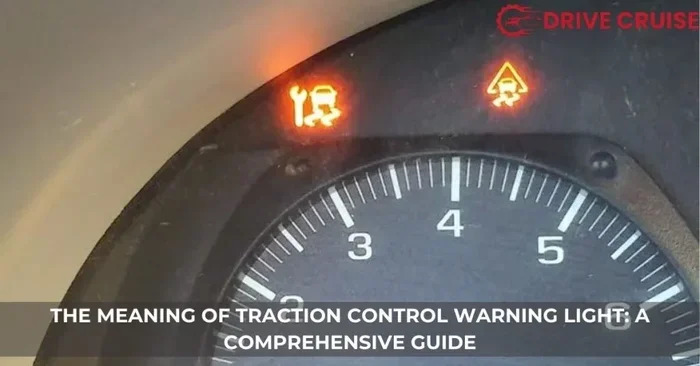
Slippery surfaces are where traction control works hardest. The system activates frequently when road grip is low. This means the engine power gets cut back more often. On a rainy day, you might notice the traction control light flashing on your dashboard. That means the system is actively adjusting engine output to keep you safe.
During Hard Acceleration
If you floor the gas pedal, traction control will kick in if the wheels start to spin. This is common with powerful engines. A high-horsepower engine is more likely to cause wheel slip, especially on less-than-ideal surfaces. The traction control system steps in to manage that power and keep the tires gripping the road.
On Loose Surfaces Like Gravel or Mud
Loose surfaces present a unique challenge. The wheels can spin easily on gravel or mud. Traction control will repeatedly reduce engine power in these conditions. Some drivers find this frustrating because it can slow them down. In these cases, turning off traction control might be helpful. But we will get into that later.
Can Traction Control Affect Fuel Economy?
Many car owners wonder if traction control hurts their fuel economy. The answer is a bit complicated. Let us break it down.
How Traction Control Uses Fuel
When traction control is active, the engine works differently. It adjusts fuel injection and ignition timing to reduce power. These small changes can add up over time. However, the fuel economy impact is usually minimal during normal driving.
On flat, dry roads, traction control rarely activates. So it has almost no effect on your fuel usage. The real impact comes when you drive on surfaces where the system needs to work harder.
Does Turning Off Traction Control Save Fuel?
Some people think turning off traction control saves gas. In certain situations, this might be true. If you are driving on a loose surface and the system keeps activating, it is constantly adjusting the engine. This repeated adjustment uses a small amount of extra fuel.
But on normal roads, turning the system off will not make a noticeable difference. The fuel savings are so small that they barely register. You are better off keeping traction control on for safety reasons.
Traction Control vs. Stability Control: What Is the Difference?
These two systems are often confused. They are related but serve different purposes. Both affect engine performance, but in different ways.
What Stability Control Does
Stability control is a broader system. It helps prevent your car from sliding or spinning out. It uses the same sensors as traction control but monitors more than just wheel spin. Stability control looks at your steering angle, yaw rate, and vehicle direction.
When stability control activates, it can apply brakes to individual wheels and reduce engine power. It is designed to help you stay on your intended path. This is especially important during sharp turns or sudden maneuvers.
How They Work Together
Traction control focuses on preventing wheel spin during acceleration. Stability control focuses on keeping the car on its intended path during any movement. Both systems communicate with the engine and braking system. Together, they provide a comprehensive safety net for the driver.
Most modern vehicles have both systems active by default. You can usually turn them off individually, but we recommend keeping them on for everyday driving.
Should You Turn Off Traction Control?
There are times when turning off traction control makes sense. Understanding when to do so can help you get the most out of your vehicle.
When Turning It Off Helps
There are a few specific situations where disabling traction control is beneficial:
- Deep snow or mud: Sometimes your wheels need to spin to gain traction in deep snow or thick mud. With traction control on, the system keeps cutting engine power, which can actually make you more stuck.
- Rock crawling or off-roading: Low-speed off-road driving often requires wheel spin to navigate obstacles. Turning off traction control gives you more control.
- Testing the vehicle: If you are on a closed track and want to test your car’s full power, turning off traction control allows the wheels to spin freely.
When You Should Keep It On
For everyday driving, keep traction control on at all times. It significantly reduces the risk of accidents on slippery roads. The system is designed to help you, not hurt you. Turning it off on public roads removes an important safety layer.
What Happens When You Turn It Off
When you turn off traction control, the engine delivers full power without restrictions. Your throttle response becomes more immediate. This can feel more exciting but also more dangerous on wet or icy surfaces. You are responsible for managing wheel spin yourself when the system is off.
Common Problems with Traction Control and the Engine
Like any system in your car, traction control can develop problems. These issues can affect how the system interacts with your engine.
Faulty Wheel Speed Sensors
The most common problem is a bad wheel speed sensor. If a sensor fails, the ECU cannot accurately read wheel speeds. This can cause the traction control system to malfunction. You might notice the traction control warning light on your dashboard. A faulty sensor can also affect your anti-lock braking system since they share components.
Check Engine Light and Traction Control
Sometimes a traction control issue triggers the check engine light. This happens when the ECU detects a problem with the sensors or the system itself. If your check engine light comes on alongside the traction control warning, you should get your vehicle inspected soon. In many cases, a check engine light can turn off on its own if the issue is minor and temporary. But persistent lights need professional attention.
Dirty or Damaged Sensors
Wheel speed sensors can get dirty from road grime and debris. A simple cleaning can sometimes fix the problem. If the sensor is damaged, it needs to be replaced. Regular maintenance helps prevent these issues from developing.
ECU Software Issues
In rare cases, the ECU software may need an update. Manufacturers occasionally release updates to improve how the traction control system interacts with the engine. If you are experiencing persistent issues, ask your dealer about any available software updates for your vehicle.
How to Keep Your Traction Control System in Good Shape
Maintaining your traction control system is not difficult. A few simple habits can keep everything working properly.
Regular Sensor Checks
Have your wheel speed sensors checked during routine maintenance. These sensors are small but vital. They keep the traction control system informed about what is happening at each wheel.
Keep Your Air Filter Clean
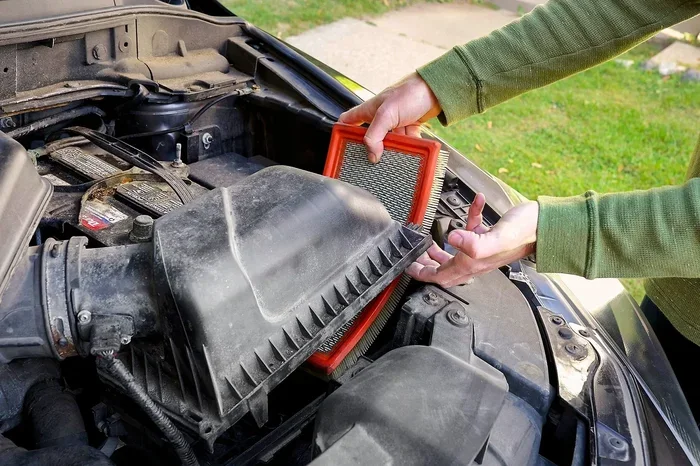
A clean engine air filter helps your engine breathe properly. A clogged filter can reduce engine performance and affect how the traction control system manages power delivery. You can clean your engine air filter instead of replacing it in some cases, which saves money and keeps the system running well.
Maintain Your Cooling System
Old or dirty coolant can cause engine problems that indirectly affect traction control performance. Old coolant can cause engine overheating, which leads to a range of issues including reduced engine efficiency. Keeping your cooling system in good shape supports overall engine performance.
Address Warning Lights Promptly
If you see the traction control or check engine light, do not ignore it. These warnings are your car telling you something needs attention. The sooner you address the issue, the better. You can run diagnostics without a check engine light in some cases using an OBD-II scanner, which can help you identify the problem early.
Expert Insights on Traction Control and Engine Interaction
Automotive experts agree that traction control is one of the most important safety innovations in modern driving. It has saved countless lives by preventing wheel spin and maintaining vehicle stability. The system works seamlessly with the engine to deliver power safely and efficiently.
Experts also note that drivers should understand the system’s limitations. Traction control is not a magic solution for unsafe driving. It works best when combined with good driving habits, proper tire maintenance, and regular vehicle servicing. Keeping your tires properly inflated, for example, improves the traction control system’s ability to do its job effectively.
Another expert tip is to familiarize yourself with your vehicle’s specific traction control settings. Some cars offer different modes, such as a sport mode that reduces traction control intervention. Understanding these options helps you tailor the driving experience to your needs and conditions.
Key Takeaways
- Traction control interacts directly with the engine: It reduces throttle and power output when it detects wheel slip.
- The system uses sensors and the ECU: These work together to monitor tire grip and adjust engine performance in real time.
- Traction control can slightly reduce fuel efficiency: Because it limits power, your engine may work differently under certain conditions.
- Turning it off can help in specific situations: Such as deep snow, mud, or when your car is stuck.
- A faulty traction control system may trigger the check engine light: This is a sign you should get diagnostics done promptly.
- Regular maintenance keeps the system working properly: Clean air filters, fresh coolant, and working sensors all play a role.
- Traction control and stability control are related but different: Both affect engine behavior but serve distinct safety purposes.
Conclusion
Traction control does affect the engine performance, but the impact is designed to keep you safe. The system adjusts throttle, reduces power, and manages wheel slip automatically. For everyday driving, this is a huge benefit. It gives you confidence on slippery roads and helps prevent accidents.
Understanding how traction control works with your engine helps you become a better driver. You know when to keep it on and when it is okay to turn it off. You also know how to maintain the system so it continues to work properly.
Remember to keep up with regular maintenance. Clean your air filter, check your sensors, and never ignore warning lights. Your traction control system is a valuable partner in safe driving. Treat it well, and it will take care of you on the road.
Next time you see that traction control light flash on your dashboard, you will know exactly what is happening under the hood. And that knowledge gives you the power to drive smarter and safer every single day.
Frequently Asked Questions
Can I drive with the traction control light on?
You can drive with the traction control light on, but you should be cautious. The light means the system is not working properly. Without functioning traction control, your wheels are more likely to spin on slippery surfaces. Get the system checked as soon as possible to restore your safety features.
Does turning off traction control damage the engine?
No, turning off traction control does not damage the engine. The system simply stops limiting engine power. Your engine operates normally without any harm. However, driving without traction control on slippery surfaces increases your risk of losing control.
How often does traction control activate during normal driving?
Traction control activates frequently during normal driving, especially on wet or uneven roads. On dry, flat pavement, it rarely kicks in. The system is always monitoring wheel speed, but it only intervenes when it detects slip. Most drivers do not even notice it working in everyday conditions.
Can a bad traction control system cause the check engine light to come on?
Yes, a faulty traction control system can trigger the check engine light. The ECU detects issues with the traction control sensors or components and flags them. If both lights appear together, it is important to run diagnostics to identify the root cause and address it promptly.
Is traction control the same as electronic stability control?
No, they are not the same, though they are related. Traction control prevents wheel spin during acceleration. Electronic stability control helps keep your car on its intended path during turns and sudden maneuvers. Both systems work with the engine and brakes but serve different safety functions.
Does traction control affect braking distance?
Traction control does not directly reduce braking distance. It prevents wheel spin during acceleration, which helps you maintain steering control. However, by keeping your wheels gripping the road, it can indirectly help you brake more effectively because you maintain better control of the vehicle.