How Long Do BMW Run-Flat Tires Last Before Replacing
BMW run-flat tires typically last between 40,000 and 60,000 miles, but several factors can shorten or extend that range. Knowing when to replace your run-flat tires keeps you safe and saves money. This guide covers lifespan, wear signs, and practical tips for BMW owners.
BMW run-flat tires are a smart engineering choice. They let you keep driving even after a puncture. But how long do they actually last? That is the question every BMW owner asks at some point.
The truth is, there is no single answer. Your driving style, road conditions, and maintenance habits all play a big role. BMW run-flat tires are built tough, but they are not indestructible. Understanding their lifespan helps you stay safe and avoid surprise breakdowns.
In this guide, we will walk you through everything you need to know. You will learn the average lifespan, what affects tire wear, and how to spot the signs of a tire that needs replacing. We will also share practical tips to get the most miles out of your investment. Whether you drive a BMW 3 Series or an X5, this guide has you covered.
Key Takeaways
- Average Lifespan: BMW run-flat tires usually last 40,000 to 60,000 miles, depending on driving habits and road conditions.
- Check Tread Depth: Replace tires when tread depth drops below 4/32 of an inch for safe handling.
- Watch for Warning Signs: Vibrations, visible sidewall damage, and frequent air loss are clear indicators of wear.
- Rotation Matters: Regular tire rotation can add thousands of miles to your run-flat tires’ life.
- BMW-Specific Care: Following BMW maintenance schedules ensures your tires perform at their best.
- Cost Consideration: Run-flat tires cost more than standard tires but offer the benefit of continued driving after a puncture.
- Replacement in Pairs: Always replace tires in pairs or sets for balanced handling and safety.
📑 Table of Contents
- What Are BMW Run-Flat Tires?
- How Long Do BMW Run-Flat Tires Typically Last?
- Factors That Affect Run-Flat Tire Lifespan
- Signs Your BMW Run-Flat Tires Need Replacing
- Run-Flat Tires vs. Standard Tires: Which Lasts Longer?
- Tips to Extend the Life of Your BMW Run-Flat Tires
- BMW Maintenance Habits That Protect Your Tires
- Common Mistakes That Shorten Run-Flat Tire Life
- When Should You Replace All Four Tires at Once?
- How Much Does It Cost to Replace BMW Run-Flat Tires?
- Final Thoughts
What Are BMW Run-Flat Tires?
Run-flat tires are a special type of tire designed to keep working even after losing air pressure. They have reinforced sidewalls that support the vehicle’s weight without air inside. This means you can drive a short distance after a puncture. Most BMW models come with run-flat tires from the factory.
The technology behind these tires is impressive. The sidewall is much thicker than a standard tire. It has heat-resistant rubber that prevents the tire from overheating. This allows you to drive up to 50 miles at speeds under 50 mph after a puncture. That gives you time to reach a safe location or a repair shop.
Not all BMWs use run-flat tires, though. Some models offer standard tires as an option. If you are unsure, check your owner’s manual or look at the tire sidewall for markings like “RFT” or “RunFlat.”
How Long Do BMW Run-Flat Tires Typically Last?
The average lifespan of BMW run-flat tires falls between 40,000 and 60,000 miles. However, this range can vary quite a bit. Some owners report getting closer to 70,000 miles with proper care. Others find their tires wear out much sooner.
Understanding Tread Life
Tread depth is the best way to measure tire wear. New BMW run-flat tires usually start with about 10/32 of an inch of tread. You should replace them when the tread drops to 4/32 of an inch. At that point, wet road grip becomes a real concern.
Here is a simple way to check your tread. Use the penny test. Insert a penny into the tread groove with Lincoln’s head upside down. If you can see the top of his head, your tread is too low. It is time for new tires.
Another option is to use a tread depth gauge. These are cheap and easy to find at any auto parts store. Check your tread every few months. This gives you a clear picture of how fast your tires are wearing.
Manufacturer Expectations
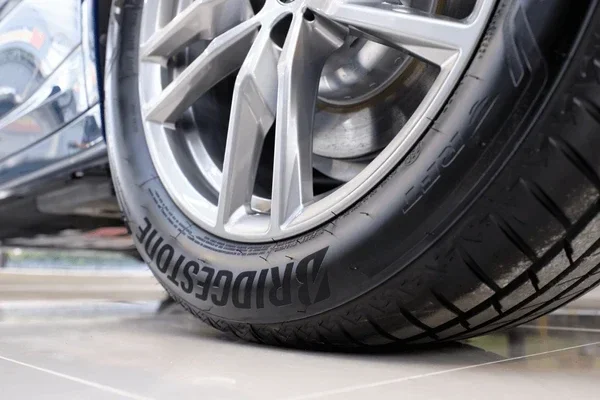
BMW and tire manufacturers like Michelin and Bridgestone publish expected tread life ratings. These ratings give you a baseline. However, real-world results often differ. Your actual tire life depends on many factors we will cover next.
Keep in mind that BMW tire replacement intervals can also depend on the specific tire model. The BMW OEM run-flat tires are designed for a balance of performance and longevity. Aftermarket run-flat options may differ in lifespan.
Factors That Affect Run-Flat Tire Lifespan
Several things determine how long your run-flat tires will last. Some you can control. Others are part of daily driving. Let us break them down.
Driving Habits
How you drive has a huge impact on tire wear. Aggressive driving wears tires out fast. Hard acceleration, sharp cornering, and sudden braking all put extra stress on the tread. If you drive smoothly, your tires will last longer.
Highway driving is generally easier on tires than stop-and-go city driving. However, constant high-speed driving on hot roads can soften the rubber and speed up wear. Try to maintain steady speeds when possible.
Road Conditions
Potholes, rough roads, and debris all damage tires over time. Run-flat tires handle rough roads better than standard tires thanks to their sturdy sidewalls. But they are not immune to damage. Hitting a deep pothole at high speed can cause internal damage that is not always visible.
Driving on gravel or construction zones also wears tires faster. If your route includes rough roads, check your tires more often. Look for cuts, bulges, or uneven wear patterns.
Weather and Climate
Hot weather breaks down rubber faster. If you live in a warm climate, your run-flat tires may wear out quicker. Cold weather can also affect tire pressure. Underinflated tires wear unevenly and reduce tread life.
Seasonal tire changes can help. If you live in an area with harsh winters, switching to winter tires protects your all-season run-flat tires. This simple step can add years to your tire life.
Maintenance Practices
Regular maintenance is the easiest way to extend tire life. Tire rotation is especially important. It ensures even wear across all four tires. Most BMW owners should rotate their tires every 5,000 to 7,500 miles.
Wheel alignment also plays a big role. Misaligned wheels cause tires to wear on one side. If your BMW pulls to one side or the steering wheel vibrates, get an alignment check. BMW service centers can handle this quickly and affordably.
Checking tire pressure monthly is another simple habit. Run-flat tires lose air slowly, and low pressure causes uneven wear. Use a reliable tire gauge and match the pressure to BMW’s recommended levels. You can find these numbers on the driver’s side door jamb.
Signs Your BMW Run-Flat Tires Need Replacing
Run-flat tires give you some warning before they fail. But you need to know what to look for. Here are the most common signs that replacement is needed.
Low Tread Depth
This is the most obvious sign. When tread depth drops below 4/32 of an inch, your tires need replacing. Wet road grip drops significantly at this point. Driving on worn tread increases your risk of hydroplaning and accidents.
Visible Sidewall Damage
Run-flat tires have reinforced sidewalls, but they can still get damaged. Look for cuts, bulges, or bubbles on the sidewall. These are signs of internal structural damage. A damaged sidewall cannot be repaired safely. Replacement is the only option.
Vibrations While Driving
If you feel vibrations through the steering wheel or the seat, your tires may be the cause. Uneven wear, internal belt separation, or tire imbalance can all create vibrations. Do not ignore this sign. Have your tires inspected right away.
Frequent Air Loss
Run-flat tires are designed to hold air well. If you find yourself adding air frequently, something is wrong. A slow leak can come from a puncture, a faulty valve stem, or damage to the rim. Get it checked before the tire fails completely.
Age of the Tire
Tires age even if they have plenty of tread. Rubber breaks down over time. Most manufacturers recommend replacing tires after six years, regardless of tread depth. Check the DOT code on the tire sidewall. The last four digits tell you the week and year of manufacture.
Run-Flat Tires vs. Standard Tires: Which Lasts Longer?
This is a common question among BMW owners. The answer depends on the comparison.
Standard tires typically last between 50,000 and 70,000 miles. They have softer sidewalls and more tread rubber. Run-flat tires usually last between 40,000 and 60,000 miles. Their reinforced sidewalls use more rubber but wear faster in some cases.
Here is a quick comparison:
- Run-Flat Tires: Last 40,000 to 60,000 miles. Offer puncture protection. Cost more upfront. Cannot be repaired after a puncture in most cases.
- Standard Tires: Last 50,000 to 70,000 miles. Lower upfront cost. Can often be repaired after a puncture. Require a spare tire or roadside assistance.
Run-flat tires cost more than standard tires, often by $50 to $100 per tire. But they save you the hassle of a spare tire and the risk of a roadside flat. If you value convenience and safety, run-flat tires are worth the extra cost.
One thing to keep in mind: if you switch from run-flat to standard tires, you will need a spare. Also, standard tires may not fit the wheel well if your BMW was designed for run-flat tires. Always consult a BMW specialist before making the switch.
Tips to Extend the Life of Your BMW Run-Flat Tires
Want to get every last mile out of your tires? Follow these practical tips.
Rotate Your Tires Regularly
Tire rotation is the single best thing you can do for tire longevity. Front tires wear faster because they handle steering and braking. Rotating them to the rear balances the wear. Most BMW owners should rotate tires every 5,000 to 7,500 miles. This simple step can add several thousand miles to your tire life.
Keep Tire Pressure Proper
Underinflated tires wear out faster on the outer edges of the tread. Overinflated tires wear in the center. Check your tire pressure at least once a month. Use the pressure levels recommended by BMW. These numbers are found on the driver’s side door jamb or in your owner’s manual.
Avoid Overloading Your Vehicle
Every vehicle has a weight limit. Exceeding it puts extra stress on your tires. Check how much weight your car can hold and stay within the limit. Overloading also affects handling and braking performance.
Drive Smoothly
Gentle driving saves tires. Avoid hard acceleration and abrupt braking. Take corners at moderate speeds. Smooth driving not only extends tire life but also improves fuel economy and safety.
Inspect Tires Monthly
Spend five minutes each month inspecting your tires. Look for cuts, bulges, nails, or stones embedded in the tread. Check for uneven wear. Catching small problems early prevents costly replacements later.
Store Tires Properly
If you use seasonal tires, store them correctly. Keep them in a cool, dry place away from direct sunlight. UV rays and heat break down rubber over time. Proper storage keeps your spare or seasonal tires ready for use.
BMW Maintenance Habits That Protect Your Tires
BMW owners should follow a regular maintenance schedule. This protects not just the tires but the entire vehicle. Here are a few habits that help.
First, always do you reset after an oil change and check tire pressure at the same time. Making tire checks part of your routine ensures you never miss them. Second, get your wheel alignment checked during every BMW service visit. A misaligned vehicle causes uneven tire wear that can shorten tire life by thousands of miles.
Third, pay attention to your BMW tire pressure monitoring system. If the TPMS light comes on, do not ignore it. Low tire pressure is one of the fastest ways to ruin a tire. Address it immediately.
Finally, if you notice any unusual handling, pull over safely. Run-flat tires allow you to drive a short distance after a puncture, but driving on a flat for too long can damage the rim and the tire beyond repair. When in doubt, get professional help.
Taking care of your tires also means taking care of your safety. Run-flat tires are designed to protect you in emergencies. But they work best when they are properly maintained and replaced at the right time.
Common Mistakes That Shorten Run-Flat Tire Life
Avoid these common mistakes to get the most out of your BMW tires.
- Ignoring TPMS warnings: The tire pressure light exists for a reason. Ignoring it leads to uneven wear and potential tire failure.
- Skipping tire rotations: Uneven wear shortens the life of your tires significantly.
- Driving on a flat for too long: Even run-flat tires have limits. Driving more than 50 miles on a flat can destroy the tire.
- Using mismatched tires: Mixing tire brands or sizes affects handling and wear patterns.
- Neglecting wheel alignment: A misaligned car eats through tires fast.
- Overlooking sidewall damage: Run-flat tires look tough, but sidewall damage is serious and requires immediate replacement.
Steering clear of these mistakes keeps your tires in great shape. It also keeps you and your passengers safe on the road.
When Should You Replace All Four Tires at Once?
The general rule is to replace all four tires at the same time. This ensures balanced handling and traction. BMW vehicles with xDrive or all-wheel drive are especially sensitive to mismatched tires. Different tread depths can damage the drivetrain over time.
If you can only afford two new tires, install them on the rear axle. This helps prevent oversteer on wet roads. But replacing all four is always the best practice for BMW owners.
If you are wondering whether you need to replace all brake pads at the same time, the answer is similar. Consistent parts across all four corners give you the best performance and safety. The same logic applies to tires.
How Much Does It Cost to Replace BMW Run-Flat Tires?
Run-flat tires are more expensive than standard tires. On average, a single BMW run-flat tire costs between $200 and $350, depending on the model and brand. A full set of four can run you between $800 and $1,400.
Installation and balancing add another $100 to $200. Some BMW dealerships include tire replacement in their service packages. If you have a maintenance plan, check whether tire replacement is covered.
The cost may seem high, but consider the safety benefits. Run-flat tires let you control your vehicle after a puncture. They eliminate the need for a roadside tire change. For many BMW owners, that peace of mind is worth the price.
Also, remember that do dealerships replace key batteries for free is a different topic, but the point is that BMW dealerships offer various services. It is always worth asking what is included in your service plan when it comes to tire care.
Final Thoughts
BMW run-flat tires are a great feature. They offer safety, convenience, and confidence on the road. But they do not last forever. Most run-flat tires last between 40,000 and 60,000 miles. With proper care, you can push that number higher.
Stay on top of tire pressure, rotate your tires regularly, and watch for signs of wear. Replace your tires when the tread gets low or when you notice damage. Taking these simple steps keeps your BMW performing at its best.
Your tires are the only part of your car that touches the road. Treat them well, and they will take care of you. Safe driving starts with good tires.
Frequently Asked Questions
How do I know if my BMW has run-flat tires?
Check the tire sidewall for markings like “RFT,” “RunFlat,” or “SSR.” You can also look in your owner’s manual or check the tire information sticker on the driver’s door jamb. BMW models sold with run-flat tires typically do not come with a spare tire.
Can I drive on a flat run-flat tire?
Yes, but only for a limited distance. Most BMW run-flat tires allow you to drive up to 50 miles at speeds under 50 mph after a puncture. However, driving on a flat for too long can damage the tire and rim. Get to a repair shop as soon as possible.
Are run-flat tires repairable after a puncture?
Most manufacturers recommend replacing run-flat tires after a puncture rather than repairing them. The reinforced sidewall may have internal damage that is not visible. Always consult a tire professional to assess the damage before deciding.
How often should I rotate my BMW run-flat tires?
Rotate your tires every 5,000 to 7,500 miles. This promotes even wear and extends tire life. Many BMW service centers include tire rotation in their routine maintenance packages.
Do run-flat tires affect ride comfort?
Yes, slightly. Run-flat tires have stiffer sidewalls, which can make the ride feel firmer than standard tires. However, modern run-flat tires are designed to minimize this difference. Most drivers adjust to the feel within a few days.
What is the average cost of BMW run-flat tires?
A single run-flat tire typically costs between $200 and $350. A full set of four ranges from $800 to $1,400, depending on the BMW model and tire brand. Installation and balancing add approximately $100 to $200 to the total cost.