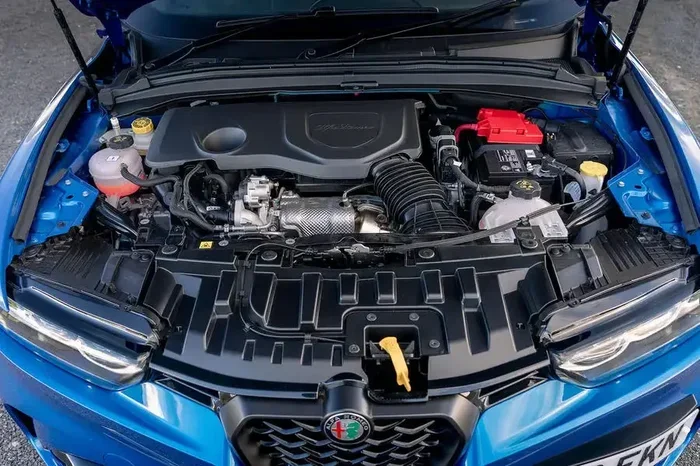
Alfa Romeo Engine Specs Explained Your Complete Guide
Alfa Romeo engine specs cover a wide range of powerful and efficient powertrains that make these Italian cars stand out on the road. This guide breaks down every engine type, from turbocharged V6s to fuel-efficient inline-fours, so you can understand what makes each Alfa Romeo unique. Whether you own a Giulia, Stelvio, or are just shopping, knowing your engine specs helps you make smarter decisions about maintenance and performance upgrades.
Alfa Romeo has built a reputation for passion, style, and engineering excellence. At the heart of every Alfa Romeo sits an engine that reflects that Italian spirit. If you have ever wondered what makes these cars tick, understanding Alfa Romeo engine specs is the best place to start.
Engine specifications tell you everything about a car’s power, efficiency, and character. They explain why a Giulia feels different from a Stelvio, even though they share a platform. They also help you choose the right car, maintain it properly, and avoid costly mistakes. This guide covers every major engine type, code, and specification you need to know.
Whether you are a proud Alfa owner or just curious about what these engines can do, you will find practical insights here. We break down complex specs into simple terms. No jargon overload. No fluff. Just clear, useful information that helps you get the most from your Alfa Romeo.
Key Takeaways
- Alfa Romeo offers multiple engine types: from turbocharged four-cylinders to powerful V6 configurations across their lineup.
- Horsepower and torque numbers vary widely: ranging from around 200 hp in base models to over 500 hp in high-performance trims.
- Engine codes matter for maintenance: understanding your specific engine code helps you find the right parts and service.
- Regular maintenance is essential: Alfa Romeo engines perform best with consistent oil changes, timing belt checks, and coolant flushes.
- Variable valve timing and turbocharging are common features: these technologies boost both power and efficiency in modern Alfa engines.
- Compression ratio affects performance: higher compression ratios mean more power but require premium fuel in most cases.
- Knowing your engine specs helps with buying decisions: you can compare models and trim levels more effectively.
📑 Table of Contents
- What Are Alfa Romeo Engine Specs?
- Alfa Romeo Engine Types and Configurations
- Understanding Horsepower and Torque
- Common Alfa Romeo Engine Codes and Models
- Engine Maintenance Tips for Alfa Romeo Owners
- How to Choose the Right Alfa Romeo Engine for You
- Common Mistakes Alfa Romeo Owners Make with Engine Care
- Final Thoughts on Alfa Romeo Engine Specs
What Are Alfa Romeo Engine Specs?
Engine specifications are the numbers and details that define how a car engine works. They include things like displacement, horsepower, torque, and cylinder count. For Alfa Romeo vehicles, these specs vary a lot depending on the model and year.
When you look at Alfa Romeo engine specs, you are looking at the blueprint of performance. Think of it like a nutrition label for your car. It tells you exactly what you are getting under the hood.
Every engine has a story. The specs reveal whether it is built for speed, efficiency, or a balance of both. Alfa Romeo engineers design each powertrain with a specific character in mind. Some engines prioritize raw power. Others focus on smooth daily driving. Knowing these details gives you a real edge as a car owner.
Key Engine Specifications You Should Know
Several core specs appear in every Alfa Romeo engine listing. Here are the ones that matter most:
- Displacement: This is the total volume of all cylinders. It is measured in liters or cubic centimeters. A larger displacement generally means more power.
- Horsepower (hp): This measures the engine’s output. More horsepower means faster acceleration and higher top speeds.
- Torque: Measured in pound-feet (lb-ft), torque is the twisting force the engine produces. It affects how smoothly the car accelerates and how well it tows.
- Cylinder Configuration: Engines can be inline-four, V6, or V8. The arrangement affects balance, sound, and performance.
- Compression Ratio: This compares the volume of the cylinder when the piston is at the bottom versus the top. Higher ratios usually mean more power.
- Fuel Type: Most modern Alfa Romeo engines require premium unleaded fuel for optimal performance.
- Valve Configuration: This includes the number of valves per cylinder and the type of valve actuation, such as variable valve timing.
These numbers might seem overwhelming at first. But once you understand what each one means, reading engine specs becomes second nature. You will start to see patterns and understand why certain Alfa Romeo models feel the way they do.
Alfa Romeo Engine Types and Configurations
Alfa Romeo has used many different engine types over the years. Each configuration brings its own strengths. Let us explore the most common ones you will encounter.
Turbocharged Inline-Four Engines
The turbocharged inline-four is the workhorse of the modern Alfa Romeo lineup. You will find it in models like the Giulia and Stelvio. These engines use a turbocharger to force more air into the combustion chamber. This creates more power without increasing engine size.
These Alfa Romeo engine specs typically range from about 2.0 liters in displacement. They produce between 200 and 280 horsepower depending on the tune. The turbocharger helps deliver strong low-end torque, which makes the car feel responsive in everyday driving.
One big advantage of the inline-four is efficiency. It uses less fuel than larger engines while still delivering plenty of punch. For drivers who want a balance of performance and practicality, the turbocharged four-cylinder is hard to beat.
Twin-Turbo V6 Engines
Alfa Romeo’s signature V6 engines are legendary. The twin-turbo V6 appears in high-performance models and delivers an unforgettable driving experience. These engines have a smooth, melodic sound that is instantly recognizable.
Most Alfa V6 engines have a displacement of 2.9 liters or 3.0 liters. They produce anywhere from 330 to over 500 horsepower. The twin-turbo setup reduces turbo lag and provides consistent power across the rev range.
If you have ever heard an Alfa Romeo V6 scream, you know why enthusiasts love them. The combination of smooth power delivery and emotional sound makes these engines special. They are not just about numbers. They are about the feeling of driving.
Naturally Aspirated Engines
Older Alfa Romeo models often used naturally aspirated engines. These engines rely on atmospheric pressure to fill the cylinders. They do not use turbochargers or superchargers.
Naturally aspirated engines are known for their linear power delivery. The power builds smoothly as you rev higher. There is no sudden surge from a turbocharger kicking in. Many classic Alfa Romeo fans prefer this predictable, pure feel.
However, naturally aspirated engines typically produce less power than their turbocharged counterparts of the same size. They also tend to be less fuel-efficient. Still, for purists who value driving feel over raw numbers, these engines hold a special place.
Understanding Horsepower and Torque
Horsepower and torque are the two numbers everyone looks at when reading Alfa Romeo engine specs. But what do they really mean, and how do they affect your driving?
What Is Horsepower?
Horsepower measures the rate at which an engine can do work. In simple terms, it tells you how fast the car can go and how quickly it can accelerate. A higher horsepower number generally means a faster car.
For example, the Alfa Romeo Giulia Quadrifoglio has a horsepower rating of around 505 hp. This is a lot of power for a midsize sedan. It allows the car to sprint from zero to sixty in about 3.8 seconds. Compare that to a base Giulia with 280 hp, and the difference in performance is clear.
Horsepower alone does not tell the whole story. A car with high horsepower but low torque might feel sluggish at low speeds. That is why you always need to look at both numbers together.
What Is Torque?
Torque is the rotational force the engine produces. It is what pushes you back in your seat when you accelerate. More torque means stronger acceleration from a standstill and better overtaking ability at highway speeds.
Alfa Romeo engines are known for delivering strong torque at low RPMs. This is especially true with turbocharged engines. The turbo compresses air and forces it into the cylinders, which creates more combustion force and therefore more torque.
For real-world driving, torque matters more than horsepower in many situations. When you are merging onto a highway or climbing a hill, torque is what gets the job done. Horsepower keeps you at high speeds, but torque gets you there in the first place.
How Horsepower and Torque Work Together
Think of horsepower as the top speed of your engine’s output. Think of torque as the strength behind it. The best Alfa Romeo engines deliver both in harmony.
A well-tuned engine will have a broad torque curve. This means it produces strong torque across a wide range of engine speeds. You get responsive acceleration whether you are in first gear or sixth gear.
When comparing Alfa Romeo engine specs across models, always look at both numbers. A car with 400 hp and 350 lb-ft of torque will feel very different from one with 400 hp and 450 lb-ft of torque. The extra torque changes the entire driving character.
Common Alfa Romeo Engine Codes and Models
Every Alfa Romeo engine has a specific code. These codes help identify the exact engine configuration, displacement, and features. Learning to read them is like learning a secret language for car enthusiasts.
Engine Code Basics
Alfa Romeo engine codes usually include letters and numbers that represent key details. For example, the code might tell you the engine family, the number of cylinders, and whether it is turbocharged.
The first part of the code often indicates the engine family. Common families include the 2.0-liter turbo four-cylinder used in the Giulia and Stelvio. The 2.9-liter twin-turbo V6 is another well-known engine code found in the Giulia Quadrifoglio and Stelvio Quadrifoglio.
Older Alfa Romeo models used different coding systems. The famous Alfa Romeo V6 engines from the 1990s and 2000s had their own unique codes. These engines are now considered classics among Alfa Romeo fans.
Engine Specs by Model
Here is a quick look at common Alfa Romeo models and their engine specifications:
- Giulia (Base): 2.0L turbocharged inline-four, 280 hp, 306 lb-ft of torque. Front-wheel drive or all-wheel drive available.
- Giulia Quadrifoglio: 2.9L twin-turbo V6, 505 hp, 443 lb-ft of torque. Rear-wheel drive only. This is the flagship performance engine.
- Stelvio (Base): 2.0L turbocharged inline-four, 280 hp, 306 lb-ft of torque. Available in rear-wheel or all-wheel drive.
- Stelvio Quadrifoglio: 2.9L twin-turbo V6, 505 hp, 443 lb-ft of torque. The most powerful Stelvio engine option.
- Giulia Ti: 2.0L turbocharged inline-four, 280 hp, 306 lb-ft of torque. A mid-range trim with the same engine as the base model.
- Older Models (8C, 159, etc.): Various naturally aspirated V6 and V8 engines with displacements ranging from 3.2L to 4.7L. Horsepower ratings varied from 250 to over 450 hp.
These numbers give you a solid baseline for understanding what each model offers. Keep in mind that exact specs can vary by model year and market.
How to Find Your Engine Code
You can find your Alfa Romeo engine code in a few places. The most common location is on the engine block itself. Look for a metal plate or stamped numbers near the top of the engine.
Your vehicle owner’s manual also lists the engine code and full specifications. You can find it in the technical data section. Additionally, the vehicle identification number (VIN) can help a dealer or mechanic identify your exact engine.
Knowing your engine code is useful when ordering parts or scheduling service. It ensures you get the right components for your specific engine variant.
Engine Maintenance Tips for Alfa Romeo Owners
Owning an Alfa Romeo comes with a responsibility to maintain the engine properly. These Italian engines are designed for performance, and they reward attentive care with longevity and reliability.
Oil Changes and Lubrication
Regular oil changes are the single most important thing you can do for your Alfa Romeo engine. Oil lubricates moving parts, reduces friction, and helps regulate engine temperature.
Alfa Romeo recommends synthetic oil for most of their engines. The oil change interval typically ranges from 7,500 to 10,000 miles, depending on the model and driving conditions. Always check your owner’s manual for the specific recommendation.
Using the wrong oil grade can cause engine damage over time. Stick with the manufacturer’s recommended viscosity. For most turbocharged Alfa engines, a 5W-30 or 0W-30 synthetic oil is the right choice.
Timing Belt and Chain Maintenance
Some Alfa Romeo engines use a timing belt while others use a timing chain. Both require periodic inspection and replacement at the recommended interval.
A timing belt failure can cause catastrophic engine damage. The belt synchronizes the crankshaft and camshaft. If it breaks, the pistons can collide with the valves. This is a costly repair that is entirely preventable with regular maintenance.
Timing chains are more durable but still need attention. Over time, chains can stretch and cause timing issues. Listen for rattling noises on startup. That could be an early sign of chain wear.
Cooling System Care
Alfa Romeo engines run hot, especially the high-performance V6 models. Keeping the cooling system in top shape is essential for engine longevity.
Flush the coolant at the intervals specified in your owner’s manual. Inspect hoses and clamps regularly for leaks or cracks. A overheating engine can lead to warped cylinder heads, blown head gaskets, and other serious problems.
Watch your temperature gauge while driving. If it climbs into the red zone, pull over safely and let the engine cool down. Continuing to drive an overheating engine can cause irreversible damage.
Spark Plugs and Ignition System
Spark plugs ignite the air-fuel mixture in each cylinder. Over time, they wear out and become less effective. Worn spark plugs can cause rough idling, poor fuel economy, and reduced power.
Replace spark plugs at the recommended interval. Most Alfa Romeo engines use iridium or platinum-tipped plugs that last longer than standard copper plugs. Check your owner’s manual for the specific replacement schedule.
The ignition coils and spark plug wires also need attention. A failing ignition coil can cause misfires and trigger the check engine light. Replacing these components early prevents further damage to the engine.
How to Choose the Right Alfa Romeo Engine for You
Choosing the right Alfa Romeo engine depends on your needs, driving style, and budget. There is no single best engine. The right one is the one that fits your lifestyle.
Consider Your Driving Style
If you enjoy spirited driving and track days, the V6 twin-turbo engine in the Quadrifoglio models is the clear choice. It delivers incredible power and an emotional driving experience that is hard to match.
If you primarily drive in the city or commute daily, the turbocharged inline-four engine offers a great balance of performance and efficiency. It is peppy enough for fun driving while being gentle on your fuel budget.
For those who appreciate classic engineering and smooth power delivery, older naturally aspirated models have a charm that modern turbocharged engines cannot replicate. They reward patient, enthusiastic driving.
Factor in Running Costs
Performance engines cost more to maintain. Premium fuel, specialized parts, and higher insurance premiums all add up. Before choosing a high-performance Alfa Romeo engine, make sure you are comfortable with the ongoing costs.
The base turbocharged four-cylinder engines are more affordable to own and maintain. Parts are more widely available, and service costs are generally lower. For many buyers, this is the sweet spot between performance and practicality.
Think About Resale Value
Engine specs can affect resale value. High-performance models like the Quadrifoglio tend to hold their value better than base models. Limited production numbers and enthusiast demand contribute to this.
That said, all Alfa Romeo vehicles depreciate faster than some Japanese and German competitors. Factor this into your buying decision. Buy the engine and model that you will enjoy the most, not just the one you think will hold value best.
Test Drive and Compare
The best way to choose your engine is to drive it. Schedule test drives of different Alfa Romeo models. Pay attention to how each engine responds to throttle input, how it sounds, and how it feels on the road.
Numbers on a spec sheet tell you part of the story. The real experience of driving an engine is what ultimately matters. Trust your instincts and choose the Alfa Romeo that makes you smile every time you turn the key.
Common Mistakes Alfa Romeo Owners Make with Engine Care
Even well-meaning owners can make mistakes that hurt their engines over time. Being aware of these pitfalls helps you avoid costly repairs.
Skipping Oil Changes
This is the most common mistake. Oil breaks down over time and loses its lubricating properties. Skipping oil changes leads to increased engine wear, higher operating temperatures, and eventually engine failure.
Set a reminder on your phone or calendar for every oil change. It is a small habit that pays massive dividends in engine health and longevity.
Using Low-Quality Fuel
Alfa Romeo engines are designed for premium fuel. Using lower-octane fuel can cause engine knocking, reduced performance, and potential long-term damage.
Some owners try to save money by using regular fuel. This is a false economy. The cost of repairing engine damage from knock far exceeds the savings at the pump.
Ignoring Warning Signs
Unusual noises, warning lights, and changes in performance are all signals that something is wrong. Ignoring these signs can turn a small repair into a major engine rebuild.
Take your car to a qualified mechanic at the first sign of trouble. Early diagnosis and repair save money and prevent further damage to the engine.
Final Thoughts on Alfa Romeo Engine Specs
Understanding Alfa Romeo engine specs empowers you as a car owner. You can make informed decisions about maintenance, upgrades, and even your next purchase. The numbers on a spec sheet come alive when you understand what they mean and how they affect your driving experience.
Alfa Romeo engines are more than just mechanical components. They are expressions of Italian engineering passion. From the refined turbocharged four-cylinder to the thunderous twin-turbo V6, each engine has a unique character that defines the Alfa Romeo brand.
Take the time to learn about your specific engine. Know your code, understand your maintenance schedule, and listen to what your engine tells you. A well-maintained Alfa Romeo engine will reward you with years of driving pleasure and unforgettable experiences on the road.
The world of Alfa Romeo engines is rich, diverse, and deeply rewarding. Whether you are a first-time owner or a seasoned enthusiast, there is always something new to discover. Keep exploring, keep driving, and keep enjoying the art of the Italian engine.
Frequently Asked Questions
What does the Alfa Romeo engine code mean?
The engine code identifies the specific engine configuration in your Alfa Romeo. It typically includes information about the engine family, displacement, and whether it is turbocharged. You can find the code on the engine block, in the owner’s manual, or by decoding your VIN at a dealer or online tool.
How often should I change the oil in my Alfa Romeo?
Most Alfa Romeo engines require an oil change every 7,500 to 10,000 miles. Always refer to your specific model’s owner’s manual for the exact interval. Using synthetic oil is recommended for optimal engine protection and performance.
Can I use regular fuel in my Alfa Romeo engine?
It is not recommended. Alfa Romeo engines are tuned for premium unleaded fuel. Using lower-octane fuel can cause engine knocking, reduced performance, and potential long-term damage. Always use the fuel grade specified by the manufacturer.
What is the difference between the Giulia and Stelvio engines?
The Giulia and Stelvio share the same engine options, including the turbocharged 2.0-liter inline-four and the twin-turbo 2.9-liter V6. The main difference is the vehicle type. The Giulia is a sedan and the Stelvio is a SUV, which affects weight and overall performance feel.
Are Alfa Romeo engines reliable?
Alfa Romeo engines are generally reliable when properly maintained. Regular oil changes, timely spark plug replacements, and coolant flushes go a long way. Like any performance-oriented engine, they require attentive care to stay in top condition over the long term.
Which Alfa Romeo engine is the most powerful?
The 2.9-liter twin-turbo V6 found in the Giulia Quadrifoglio and Stelvio Quadrifoglio is the most powerful Alfa Romeo engine. It produces 505 horsepower and 443 lb-ft of torque, making it one of the most potent engines in its class.
=== META DESCRIPTION ===
Discover Alfa Romeo engine specs, from turbocharged V6s to inline-four powerplants. Your complete guide to horsepower, torque, and engine codes explained.
=== QUICK SUMMARY ===
Alfa Romeo engine specs cover a wide range of powerful and efficient powertrains that make these Italian cars stand out on the road. This guide breaks down every engine type, from turbocharged V6s to fuel-efficient inline-fours, so you can understand what makes each Alfa Romeo unique. Whether you own a Giulia, Stelvio, or are just shopping, knowing your engine specs helps you make smarter decisions about maintenance and performance upgrades.
=== KEY TAKEAWAYS ===
Key Takeaways
- Alfa Romeo offers multiple engine types: from turbocharged four-cylinders to powerful V6 configurations across their lineup.
- Horsepower and torque numbers vary widely: ranging from around 200 hp in base models to over 500 hp in high-performance trims.
- Engine codes matter for maintenance: understanding your specific engine code helps you find the right parts and service.
- Regular maintenance is essential: Alfa Romeo engines perform best with consistent oil changes, timing belt checks, and coolant flushes.
- Variable valve timing and turbocharging are common features: these technologies boost both power and efficiency in modern Alfa engines.
- Compression ratio affects performance: higher compression ratios mean more power but require premium fuel in most cases.
- Knowing your engine specs helps with buying decisions: you can compare models and trim levels more effectively.