Does the 2025 Toyota Tundra Have a V8 Under the Hood
The 2025 Toyota Tundra does not have a V8 engine. Instead, it uses a 3.4L twin-turbo V6 i-FORCE MAX engine that delivers strong performance and towing power. Toyota made the switch from V8 to V6 to improve fuel economy and meet modern emissions standards without sacrificing capability.
The 2025 Toyota Tundra has been turning heads since it arrived on the scene. This full-size pickup truck brings modern tech, strong towing numbers, and a fresh engine lineup. But one question keeps popping up in truck forums and dealerships alike: does the 2025 Toyota Tundra have a V8 under the hood? If you are a truck lover who grew up with V8 power, this is a fair question to ask.
The short answer is no. The 2025 Tundra does not offer a V8 engine. Toyota made a bold move by switching to a twin-turbo V6 powertrain that actually punches well above its weight. In this article, we will break down everything you need to know about the 2025 Toyota Tundra engine. From horsepower numbers to towing capacity, we have you covered. Let us dive in and see what is actually under that hood.
Key Takeaways
- No V8 Available: The 2025 Toyota Tundra uses a twin-turbo V6, not a V8 engine.
- Powerful Alternative: The i-FORCE MAX V6 produces 389 horsepower and 479 lb-ft of torque.
- Better Fuel Economy: The V6 engine delivers improved MPG compared to the old V8.
- Strong Towing: The Tundra can still tow up to 12,000 pounds with the twin-turbo V6.
- Hybrid-Assisted: The i-FORCE MAX is a hybrid system that boosts both power and efficiency.
- Multiple Trims: Different Tundra trims offer varying levels of power and features.
📑 Table of Contents
- What Engine Does the 2025 Toyota Tundra Use?
- Why Did Toyota Drop the V8?
- V6 vs V8: What You Need to Know
- Performance and Towing with the Twin-Turbo V6
- Common Mistakes and What to Avoid
- How the 2025 Tundra Compares to the Competition
- Is the 2025 Toyota Tundra Right for You?
- Final Verdict: Does the 2025 Toyota Tundra Have a V8?
What Engine Does the 2025 Toyota Tundra Use?
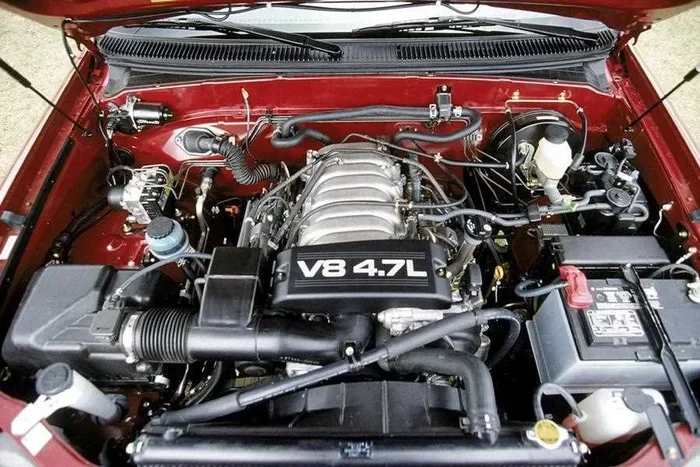
The 2025 Toyota Tundra comes with the i-FORCE MAX 3.4L twin-turbo V6 engine. This is not your average V6. It is a twin-turbocharged, hybrid-assisted powerplant that delivers serious performance. Toyota designed this engine to replace the old 5.7L V8 that was in previous Tundra models.
Engine Specs at a Glance
- Engine Type: 3.4L twin-turbo V6
- Horsepower: 389 hp
- Torque: 479 lb-ft
- Transmission: 10-speed automatic
- Drivetrain: Rear-wheel drive or 4WD
- Fuel Type: Regular unleaded gasoline
- Hybrid System: Integrated electric motor assist
These numbers are impressive for a V6. The 389 horsepower and 479 lb-ft of torque give the Tundra plenty of muscle for hauling, towing, and off-road adventures. The 10-speed automatic transmission shifts smoothly and keeps the engine in its power band when you need it most.
How the i-FORCE MAX Hybrid System Works
The i-FORCE MAX system uses a dual electric motor setup. One motor handles the starter and generator functions. The second motor provides additional torque assist. This means the engine gets a boost when you need extra power, like when you are towing a heavy load or merging onto the highway. The result is a truck that feels responsive and strong without guzzling gas.
One thing that might surprise you is that does running the heater help cool the engine in the Tundra? While the heater core does use some engine heat, the twin-turbo V6 has its own cooling systems designed to handle the extra heat from turbocharging. The hybrid system also manages thermal loads efficiently.
Why Did Toyota Drop the V8?
This is the question on every truck fan’s mind. Toyota built a reputation with the V8 Tundra. So why the change? There are several reasons behind this decision, and they all make sense from a modern engineering perspective.
Emissions and Fuel Economy Regulations
Stricter emissions standards around the world pushed automakers to find alternatives to large displacement engines. A V8 naturally uses more fuel and produces more emissions than a smaller engine. By switching to a twin-turbo V6 with hybrid assist, Toyota can meet these regulations while still delivering the performance truck buyers expect.
The Power Advantage of Turbocharging
Turbocharging allows a smaller engine to produce the same or even more power than a larger naturally aspirated engine. The 3.4L twin-turbo V6 in the Tundra matches or exceeds the output of many traditional V8 truck engines. This means you get V8-like performance with V6 fuel economy. That is a win-win for most drivers.
Competitive Pressure
Other full-size trucks like the Ford F-150 and Ram 1500 have already moved to smaller, turbocharged engines. The Chevrolet Silverado even offers a diesel V6 option. Toyota needed to stay competitive, and the i-FORCE MAX engine does exactly that.
Does Having a V6 Affect the Axles or Drivetrain?
Some truck enthusiasts wonder if switching from a V8 to a V6 affects the drivetrain components. Does a car have 2 axles or 4? Most full-size trucks like the Tundra use two axles (front and rear), regardless of the engine type. The Tundra’s drivetrain is designed to handle the torque output of the twin-turbo V6 without any issues. The axles, driveshaft, and differential are all rated for the loads this engine produces.
V6 vs V8: What You Need to Know
If you are used to V8 trucks, you might wonder how the V6 Tundra compares. Let us break down the key differences and similarities.
Power Delivery
The twin-turbo V6 delivers torque at lower RPMs compared to a naturally aspirated V8. This means you get strong pulling power right off the line. The 479 lb-ft of torque is available across a wide RPM range, which makes the Tundra feel lively and responsive in everyday driving.
Fuel Economy
This is where the V6 really shines. The 2025 Tundra gets better fuel economy than its V8 predecessor. Here is a quick comparison:
| Engine Type | Horsepower | Torque | Estimated MPG (City/Hwy) |
|---|---|---|---|
| 3.4L Twin-Turbo V6 (i-FORCE MAX) | 389 hp | 479 lb-ft | 20 / 24 mpg |
| 5.7L V8 (Previous Gen) | 381 hp | 401 lb-ft | 13 / 18 mpg |
As you can see, the new V6 not only makes more torque but also sips fuel compared to the old V8. That is a huge improvement for daily drivers and long-haul commuters alike.
Maintenance and Reliability
Smaller engines generally have fewer moving parts, which can mean lower maintenance costs over time. The i-FORCE MAX V6 is a modern engine with advanced diagnostics. If you ever need a full engine check, how long does a full car diagnostic take? Usually about 30 to 60 minutes at a qualified shop. The Tundra’s onboard diagnostics make this process quick and straightforward.
One thing to keep in mind is that turbocharged engines require proper maintenance. Regular oil changes with the correct spec oil are essential. The twin turbos spin at very high speeds and need clean oil to stay healthy. Stick to Toyota’s recommended maintenance schedule, and the engine should last a long time.
Does Traction Control Affect the Engine?
Many truck drivers ask, does traction control affect the engine? Yes, it does. Traction control systems in the Tundra work with the engine to reduce wheel spin. When the system detects a loss of traction, it can reduce engine power temporarily. This helps maintain control on slippery surfaces like ice, mud, or wet roads. The i-FORCE MAX engine responds quickly to these inputs, making the Tundra a capable off-road and on-road machine.
Performance and Towing with the Twin-Turbo V6
The 2025 Toyota Tundra is not just about numbers on a spec sheet. It is about real-world performance. And in that department, the twin-turbo V6 delivers.
Towing Capacity
The maximum towing capacity of the 2025 Tundra is 12,000 pounds when properly equipped. This is on par with many V8-powered trucks in the full-size class. Whether you are hauling a travel trailer, a boat, or heavy equipment, the Tundra has the muscle to get the job done.
Payload Capacity
The Tundra can carry a payload of up to 1,940 pounds depending on the trim and configuration. This means you can load up your bed with construction materials, camping gear, or livestock without exceeding safe limits.
Acceleration and Driving Feel
When you step on the gas, the twin-turbo V6 responds with a satisfying surge of power. The 389 horsepower gets the Tundra from 0 to 60 mph in roughly 5.5 seconds. That is quick for a full-size truck. The engine sounds sporty under hard acceleration, with a deep growl that V8 fans will appreciate.
Off-Road Capability
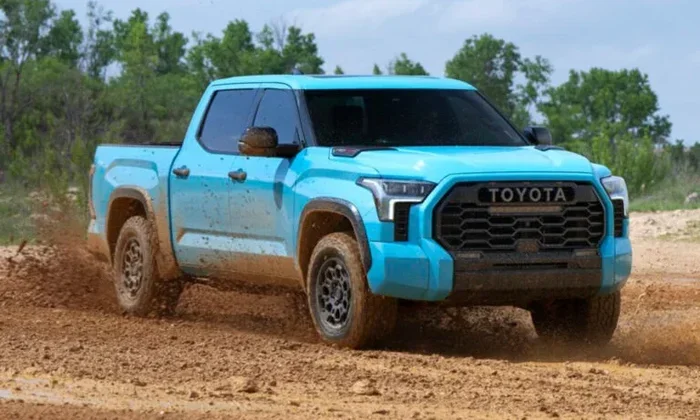
The Tundra comes in TRD Off-Road and TRD Pro trims that are built for trails and rough terrain. The instant torque from the twin turbos helps the Tundra crawl over rocks and navigate muddy paths with confidence. The 4WD system works seamlessly with the engine to deliver power where you need it.
Quick Tips for Tundra Owners
- Always use the recommended octane fuel for best performance.
- Check your oil level regularly, especially if you tow frequently.
- Use the tow/haul mode when pulling heavy loads to optimize shifting.
- Let the turbo cool down for a minute before shutting off the engine after hard driving.
- Keep up with scheduled maintenance to protect the twin-turbo system.
Common Mistakes and What to Avoid
Even with a great engine like the i-FORCE MAX, there are some common mistakes owners make. Here are a few to watch out for.
Skipping Oil Changes
Turbocharged engines are more sensitive to oil quality than naturally aspirated engines. Skipping oil changes or using the wrong oil grade can lead to premature turbo wear. Stick to Toyota’s recommended oil change intervals and use genuine Toyota oil or a high-quality synthetic equivalent.
Neglecting the Cooling System
The twin-turbo V6 generates more heat than a standard V6. Neglecting the cooling system can lead to overheating, especially when towing in hot weather. Check your coolant levels regularly and have the system inspected at each service interval.
Overloading the Truck
It can be tempting to load up the bed to the max, but exceeding the payload or towing limits puts unnecessary stress on the engine, transmission, and chassis. Always check your owner’s manual for the maximum ratings and stay within those limits.
How the 2025 Tundra Compares to the Competition
Toyota is not the only truck maker offering a smaller, turbocharged engine. Let us see how the Tundra stacks up against the competition.
- Ford F-150: Offers a 3.5L EcoBoost V6 that produces 400 hp and 500 lb-ft of torque. Similar in concept to the Tundra’s i-FORCE MAX.
- Ram 1500: Uses a 3.0L turbo V6 with 260 hp. The Ram offers a diesel V6 option that produces even more torque.
- Chevrolet Silverado: Offers a 2.7L turbo V4 and a 6.2L V8. The base turbo V4 produces 310 hp.
The Tundra’s 389 hp and 479 lb-ft put it right in the sweet spot of the full-size truck segment. It offers more power than the Ram’s base V6 and matches the Ford’s EcoBoost in torque. The hybrid assist gives the Tundra an edge in fuel economy over its rivals.
Is the 2025 Toyota Tundra Right for You?
If you need a full-size truck with strong towing, good fuel economy, and modern technology, the 2025 Tundra is a great choice. The absence of a V8 may disappoint some traditional truck fans, but the twin-turbo V6 more than makes up for it in real-world performance. The hybrid system adds efficiency without sacrificing capability.
Think about how you will use your truck. If you tow heavy loads regularly, the Tundra’s 12,000-pound towing capacity has you covered. If you use it as a daily driver, the improved fuel economy will save you money at the pump. And if you love the sound and feel of a powerful truck, the i-FORCE MAX engine delivers that experience in spades.
The 2025 Toyota Tundra also comes with a range of trims to fit different needs and budgets. From the work-ready SR trim to the luxury-loaded Platinum and Capstone trims, there is a Tundra for everyone. Each trim comes with the same powerful twin-turbo V6, so you do not have to worry about sacrificing performance regardless of which level you choose.
Toyota also offers strong warranty coverage for the Tundra. The basic warranty covers 3 years or 36,000 miles, and the powertrain warranty covers 5 years or 60,000 miles. This gives you peace of mind knowing that your investment is protected.
Final Verdict: Does the 2025 Toyota Tundra Have a V8?
The answer is clear: the 2025 Toyota Tundra does not have a V8 engine. Instead, it features a 3.4L twin-turbo V6 i-FORCE MAX engine that delivers 389 horsepower and 479 lb-ft of torque. This engine provides V8-like performance with better fuel economy and lower emissions. Toyota made a smart move by embracing turbocharging and hybrid technology, and the result is a truck that competes with the best in the full-size segment.
If you are shopping for a 2025 Tundra, do not let the lack of a V8 hold you back. The twin-turbo V6 is a powerhouse in its own right. It pulls heavy loads, handles rough trails, and sips fuel on the highway. The 2025 Toyota Tundra proves that you do not need a V8 to have a great truck. Give it a test drive and see for yourself. You might be surprised by how much you love the i-FORCE MAX engine under the hood.
Frequently Asked Questions
Can I Still Get a V8 in the Toyota Tundra 2025?
No, Toyota does not offer a V8 engine in the 2025 Tundra. The only engine available is the 3.4L twin-turbo V6 i-FORCE MAX. This engine was designed to replace the previous 5.7L V8 and offers comparable or better performance with improved fuel economy.
How Much Horsepower Does the 2025 Toyota Tundra Twin-Turbo V6 Make?
The i-FORCE MAX twin-turbo V6 produces 389 horsepower and 479 lb-ft of torque. These figures make it one of the most powerful engines in the full-size truck class, matching or exceeding many traditional V8 options.
Is the 2025 Toyota Tundra Engine Reliable?
Yes, the 3.4L twin-turbo V6 is a modern and reliable engine. Toyota built it with advanced materials and engineering. Regular maintenance, especially oil changes with the correct oil, will help ensure long-term reliability. The hybrid assist system also reduces strain on the engine during heavy loads.
Can You Jump Start a Toyota Hybrid or TWIN-TURBO Engine Truck?
Yes, you can jump start the 2025 Toyota Tundra just like any other vehicle. The hybrid system does not prevent jump starting. You can use another vehicle or a portable jump starter. Just follow the standard jump-start procedures outlined in your owner’s manual.
Does the 2025 Tundra Have Good Fuel Economy for a Full-Size Truck?
Yes, the 2025 Tundra offers surprisingly good fuel economy for a full-size truck. The EPA estimates around 20 mpg in the city and 24 mpg on the highway. This is a significant improvement over the previous V8 model, which averaged around 13 to 18 mpg depending on driving conditions.
What Trim Levels Are Available for the 2025 Toyota Tundra?
The 2025 Tundra comes in several trims including SR, SR5, Limited, Platinum, Capstone, and TRD Pro. Each trim features the same 3.4L twin-turbo V6 engine but offers different levels of comfort, technology, and off-road features. Higher trims include more luxury amenities and advanced driver-assistance features.