Common Problems With a 2005 Toyota Tundra How to Fix Them
The 2005 Toyota Tundra is a dependable full-size pickup, but it has a few known weak spots. Common Problems With a 2005 Toyota Tundra include rough idling, transmission slip, dead batteries, and rust. This guide gives you clear, step-by-step fixes to save money and keep your truck on the road.
The 2005 Toyota Tundra turned heads when it arrived, offering a V8 heart and a rugged work ethic that American truck buyers love. It quickly became a favorite for towing, hauling, and weekend adventures. But like any vehicle with over 18 years on the road, the 2005 Tundra starts to show its age. Common Problems With a 2005 Toyota Tundra range from minor electrical quirks to more serious drivetrain concerns. The good news is that most of these issues are well-documented and fixable with basic tools or a trip to the shop.
Whether you are a first-time Tundra owner or a longtime fan, understanding what can go wrong helps you stay ahead of costly repairs. This guide breaks down the most frequent complaints, explains why they happen, and gives you clear, practical fixes. You will learn how to spot a failing transmission, quiet a rattling heat shield, and keep your truck’s body rust-free. We also cover towing limits, bed sizes, and battery health so you get the full picture of your 2005 Tundra’s needs.
Key Takeaways
- Engine stalling and rough idle are often caused by a dirty idle air control valve or worn spark plugs.
- Transmission slipping usually points to low or degraded fluid that needs a timely change.
- Electrical gremlins and dead batteries can be traced to corroded terminals or a parasitic draw.
- Rust on the frame and bed is a common aging issue that demands early treatment.
- Loose heat shields and 6 foot truck bed rub create annoying rattles that are easy to tighten yourself.
- Regular maintenance like fluid flushes and brake inspections prevents most of these issues.
📑 Table of Contents
Engine And Transmission Weak Spots
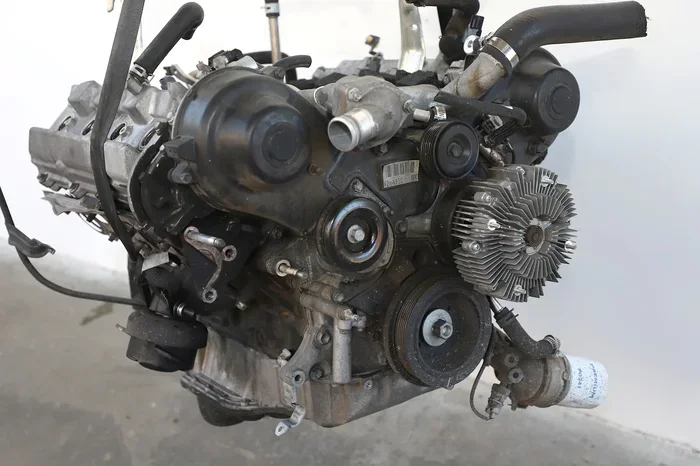
The 4.7L V8 and 5.7L V8 engines in the 2005 Tundra are generally strong, but they are not immune to wear. High-mileage trucks often develop a few telltale symptoms that signal trouble brewing. Catching these early can save you from a blown engine or a stranded weekend.
Rough Idling And Stalling
One of the first signs of trouble is a rough idle or unexpected stalling at stoplights. This usually happens because the idle air control valve gets clogged with carbon deposits. The engine struggles to maintain a steady rhythm when you are stopped.
- Check the throttle body and clean it with a safe cleaner.
- Replace worn spark plugs and ignition coils if the gap is too wide.
- Inspect the mass airflow sensor for dirt and clean it gently.
These simple steps often restore a smooth idle. If the problem persists, a complete drive cycle reset can help the engine computer relearn your driving patterns. Just drive at steady speeds for 20 minutes after the repair.
Transmission Slipping And Delay
The 4-speed automatic transmission in the 2005 Tundra can slip or hesitate when shifting, especially under heavy load. This is often a sign of low or burnt transmission fluid. The fluid turns dark and loses its friction properties over time.
- Check the fluid level with the engine warm and running.
- Look for a burnt smell or dark brown color.
- Perform a full fluid and filter change if needed.
Ignoring slipping can lead to costly transmission failure. If the fluid looks clean but slipping continues, the valve body may need adjustment. A mechanic can diagnose this with a scan tool that reads transmission slip rates.
Electrical And Battery Headaches
The 2005 Tundra’s electrical system is straightforward, but age takes a toll. Corrosion on terminals and aging wiring harnesses can cause a host of frustrating symptoms. Many owners report a dead battery after the truck sits for a few days.
Dead Battery And Starting Problems
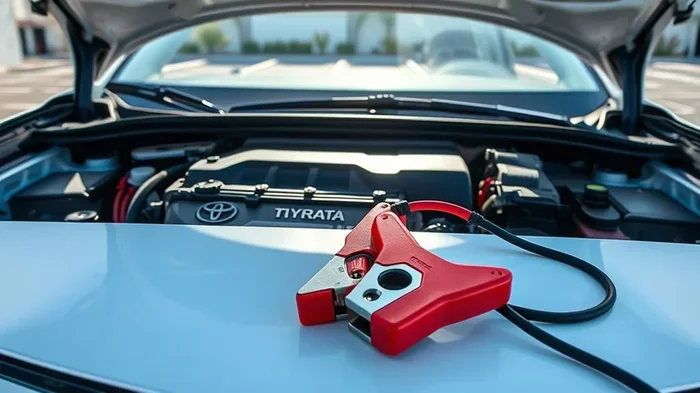
If your car won’t start with a new battery, the problem is often not the battery itself. Corroded cable terminals or a parasitic draw from an old accessory can drain it overnight. A simple multimeter test can reveal the culprit.
- Clean the battery terminals with a wire brush and baking soda solution.
- Check for a parasitic draw by disconnecting the negative cable and measuring current with a multimeter.
- Replace any aftermarket lights or stereos that draw power when the truck is off.
Many people assume a new battery is faulty right away. In reality, the charging system might not be keeping it full. Have the alternator tested to ensure it outputs the correct voltage.
Check Engine Light Mysteries
A glowing check engine light can send anyone into a panic, but it is often a minor sensor issue. The 2005 Tundra’s oxygen sensor or gas cap can trigger the light. If you are unsure whether it is safe to drive, check the article on can I drive my Toyota Camry with the check engine light on for general guidance that applies to the Tundra as well.
- Use an OBD-II scanner to read the fault code.
- Common codes include P0420 for catalytic efficiency and P0300 for random misfire.
- Tighten the gas cap first; a loose cap is a frequent cause.
Once you fix the underlying issue, the light usually turns off after a few drive cycles. Clearing the code with a scanner speeds up the process.
Suspension And Ride Quality Issues
The Tundra’s suspension is built for heavy loads, but the components wear out over time. A bumpy ride or clunking noise over bumps often points to worn parts. Addressing these early keeps your truck stable and safe.
Loose Heat Shield Rattles
A common annoyance is a metallic rattle under the truck, especially when idling. The heat shield around the exhaust system becomes loose with age and vibration. It is a simple fix that does not require a mechanic.
- Jack up the truck and locate the loose shield.
- Tighten the bolts or clamp the shield back in place.
- Use a wire brush to remove rust from the mounting points.
For a detailed walkthrough, you can reference the guide on how do you tighten a loose heat shield. The steps are the same for the Tundra’s exhaust layout. A tight heat shield eliminates that embarrassing rattle and prevents the shield from dragging on the road.
Worn Shock Absorbers And Struts
When the truck bounces more than usual after a bump, the shocks are likely worn out. The 2005 Tundra uses conventional shocks that can be replaced relatively easily. Upgrading to heavy-duty shocks improves ride quality when hauling.
- Inspect the shocks for oil leaks around the body.
- Perform a bounce test: push down on each corner and see if it oscillates more than once.
- Replace shocks in pairs for balanced handling.
Rust And Body Degradation
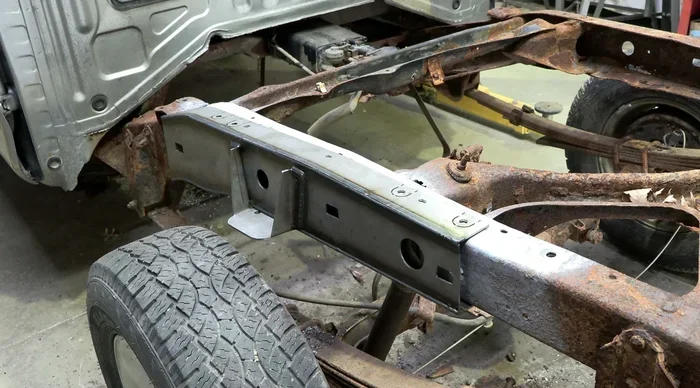
Rust is the silent killer of many Toyota trucks, and the 2005 Tundra is no exception. The frame and bed are vulnerable to moisture, especially in northern climates or coastal areas. Regular inspections can catch rust before it becomes structural.
- Check the frame rails underneath for any bubbling paint or flaking metal.
- Inspect the bed corners and tailgate edges for rust holes.
- Apply a rust converter and sealant to any small spots immediately.
Washing the truck regularly, especially the undercarriage, removes salt and grime that accelerate corrosion. A quality undercoating provides an extra layer of protection. If rust has eaten through a structural member, a weld-in patch panel is the best long-term solution.
Towing And Bed Limitations
The 2005 Tundra was designed as a capable workhorse, but it has limits. Knowing those limits keeps you safe and prevents damage to the truck or the load.
6 Foot Truck Bed Capacity
The 6 foot truck bed is a popular choice for the Tundra, offering a good balance of bed length and overall truck size. However, overloading the bed can strain the rear suspension and affect handling. Always check the payload rating on the door jamb sticker before loading heavy materials.
For exact dimensions and bed specs, the article on how long is a 6 foot truck bed provides helpful context. The 2005 Tundra’s bed is exactly 6 feet long, which fits standard plywood sheets and lumber with a few inches to spare.
Towing Heavy Loads Safely
The Tundra can tow up to its rated capacity, but exceeding it is dangerous. Transmission overheating is a real risk when towing near the limit on steep grades. Use a weight-distributing hitch and ensure your trailer brakes are in sync with the truck’s system.
- Never tow more than the maximum gross combined weight rating.
- Check the hitch receiver and wiring harness for secure connections.
- Give yourself extra stopping distance when towing a heavy load.
How To Fix These Problems
Most of the issues discussed above respond well to straightforward fixes. You do not need to be a master mechanic to tackle them. A basic set of tools, a few hours of time, and a reliable repair manual are all you need.
DIY Fixes And Maintenance Tips
Start with the easiest and cheapest repairs first. Cleaning the throttle body, replacing spark plugs, and tightening a loose heat shield cost almost nothing in parts. Keep a maintenance log to track fluid changes and inspections. This helps you spot patterns before they become expensive repairs.
- Change the engine oil every 5,000 miles with quality conventional or synthetic blend.
- Flush the transmission fluid every 60,000 miles.
- Inspect the brake system at every tire rotation.
- Clean the cabin air filter to maintain airflow and fuel economy.
Small habits like these extend the life of your Tundra dramatically. Many 2005 models with over 300,000 miles still run strong because their owners stayed on top of basic maintenance.
When To See A Mechanic
Some repairs demand professional tools and expertise. Transmission rebuilds, frame rust repairs, and electrical diagnostics fall into this category. If you are unsure about a repair, get a second opinion from a trusted Toyota specialist. They have the factory wiring diagrams and diagnostic software that can pinpoint elusive electrical faults.
Conclusion
The 2005 Toyota Tundra remains a beloved truck, and common problems with a 2005 Toyota Tundra are manageable when you know what to look for. From engine stalling and transmission slip to rust and battery drain, each issue has a clear path to resolution. Staying proactive with inspections and simple fixes keeps your Tundra reliable for years of service. Treat your truck well, and it will reward you with countless miles of dependable performance.
Frequently Asked Questions
What are the most common problems with a 2005 Toyota Tundra?
The most frequent issues include rough idling, transmission slipping, dead batteries, and rust on the frame and bed. These problems are well-documented and usually stem from age, worn fluids, or exposure to moisture. Regular maintenance catches most of them early.
Is it safe to drive a 2005 Tundra with the check engine light on?
In most cases, yes, a check engine light does not mean immediate danger. It often points to a loose gas cap or a faulty oxygen sensor. However, you should scan the code and address the cause soon to avoid worsening the problem. If the light flashes, reduce speed and seek help right away.
How do I fix a loose heat shield on my 2005 Tundra?
You can tighten a loose heat shield with a few bolts and a wrench. Jack up the truck, locate the rattling shield, and secure it back to the exhaust. For a step-by-step guide, you can read the article on how to tighten a loose heat shield, which applies directly to the Tundra’s exhaust setup.
What towing capacity does the 2005 Toyota Tundra have?
The 2005 Tundra can tow between 6,500 and 10,200 pounds depending on the engine and configuration. Always check the door jamb sticker for the exact rating and never exceed the gross combined weight rating. Use proper towing equipment and give yourself extra braking distance.
How often should I change the transmission fluid in a 2005 Tundra?
It is best to change the transmission fluid every 60,000 miles. If you tow frequently or drive in stop-and-go traffic, consider changing it every 40,000 miles. Fresh fluid keeps the transmission shifting smoothly and prevents premature wear.
Can I prevent rust on my 2005 Tundra?
Yes, regular washing of the undercarriage and applying a rust inhibitor can greatly reduce rust. Inspect the frame and bed edges for any bubbling paint and treat spots immediately. A quality undercoating adds an extra protective layer, especially in salty or humid climates.