Do Tundras Hold Their Value Better Than Other Trucks
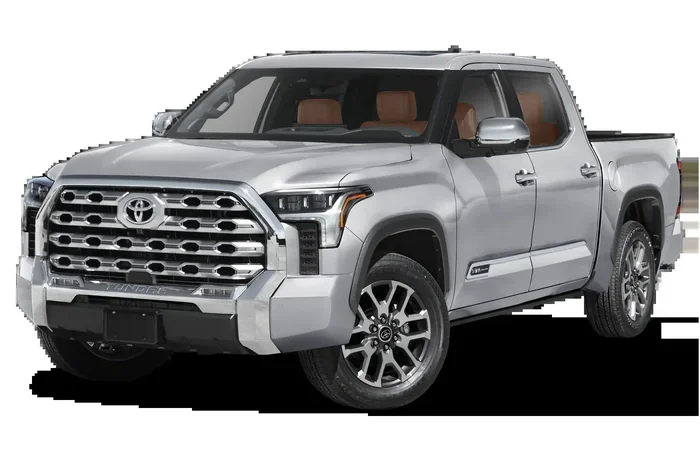
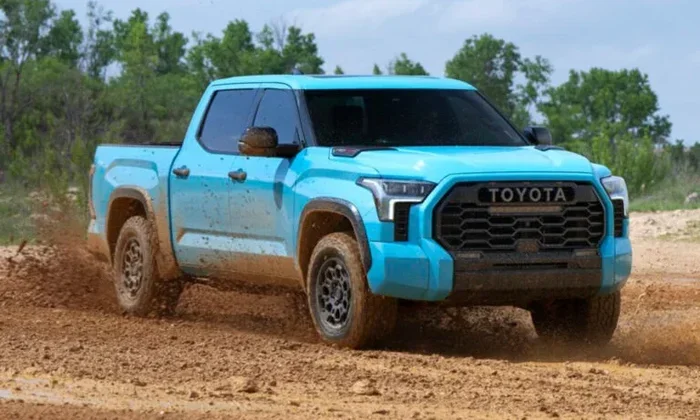
The Toyota Tundra consistently ranks among the top trucks for holding value over time. Compared to rivals like the Ford F-150 and Ram 1500, the Tundra shows slower depreciation thanks to its reputation for reliability and strong demand. Whether you buy new or used, the Tundra proves to be a smart investment that keeps more of its worth.
You have probably heard the saying that cars lose value the moment you drive them off the lot. That is true for most vehicles. But some trucks fight the trend better than others. The Toyota Tundra is one of those trucks that seems to hold onto its worth. If you have ever wondered whether a Tundra is a smart financial choice, you are in the right place.
In this article, we will break down exactly how well the Tundra holds its value compared to other popular trucks. We will look at depreciation numbers, trim-level differences, and the factors that keep resale prices strong. By the end, you will have a clear picture of why the Tundra continues to be a top pick for buyers who care about long-term value.
Key Takeaways
- Slower Depreciation: Toyota Tundras lose value at a slower rate than most full-size competitors.
- Strong Reliability Reputation: The Tundra’s track record for durability drives up used market demand.
- High Demand in Used Market: Buyers actively seek out used Tundras, which helps prices stay firm.
- TRD and Limited Trims Hold Best: Higher trim levels and popular packages retain value longer.
- Toyota Brand Power: The Toyota name carries trust that directly impacts resale numbers.
- Lower Ownership Costs: Fewer repairs and better fuel efficiency on the Toyota Tundras gas mileage add long-term savings.
- Smart Buy for Long-Term Owners: Keeping a Tundra for 5+ years maximizes its value retention advantage.
📑 Table of Contents
- Why Truck Depreciation Matters
- How the Toyota Tundra Compares to Competitors
- What Makes the Tundra Hold Value So Well
- Which Tundra Trims Hold Value Best?
- How Long Should You Keep a Tundra to Maximize Value?
- Common Mistakes That Hurt Tundra Resale Value
- Is a Tundra Worth It If You Want Long-Term Value?
Why Truck Depreciation Matters
Depreciation is the silent cost of owning any vehicle. It is the gradual loss of value over time. Most cars and trucks lose about 15% to 25% of their value in the first year alone. Over five years, that number can climb to 40% or more. For truck buyers, understanding depreciation helps you make smarter purchasing decisions.
The rate at which a truck loses value depends on several things. Brand reputation plays a huge role. Reliability matters just as much. And then there is market demand. When a truck has strong demand in the used market, its price stays higher for longer. The Toyota Tundra benefits from all three of these factors.
What Is Vehicle Depreciation?
Depreciation is simply the difference between what you pay for a vehicle and what it is worth later. A brand-new 2024 Tundra might cost around $40,000 to $75,000 depending on the trim. Five years later, that same truck might be worth $28,000 to $50,000. That is a significant drop, but compared to many competitors, it is relatively modest. To get a precise idea of what your truck is worth at any point, you can check the fair market value using trusted pricing tools.
How Depreciation Affects Your Wallet
When a truck depreciates quickly, you lose money faster. If you plan to sell or trade in after a few years, slow depreciation means more cash back in your pocket. For buyers who prefer used trucks, slow depreciation in previous years means the truck held its value well for the first owner. That often translates to a better-used price that still feels solid.
How the Toyota Tundra Compares to Competitors
The full-size truck market is crowded. Ford, Ram, Chevrolet, and GMC all fight for the same buyers. So how does the Tundra stack up when it comes to holding value? The answer might surprise you.
Tundra vs. Ford F-150
The F-150 is the best-selling truck in America. It also depreciates faster than the Tundra in most years. According to industry data, the F-150 loses roughly 35% to 40% of its value over five years. The Tundra typically loses around 30% to 35% over the same period. That difference might seem small, but it adds up to thousands of dollars over time.
Tundra vs. Ram 1500
Ram trucks offer a smooth ride and strong towing. However, they tend to depreciate at a faster rate than the Tundra. The Ram 1500 loses about 38% to 42% of its value in five years. The Tundra’s slower drop gives it a clear edge in value retention.
Tundra vs. Chevrolet Silverado and GMC Sierra
The Silverado and Sierra are strong competitors. They offer excellent towing and modern tech. But their depreciation rates tend to be slightly higher than the Tundra’s. Over a five-year span, the gap is usually around 3% to 5% in the Tundra’s favor. That may not sound like much, but on a $60,000 truck, it means several thousand dollars more in your pocket.
Quick Comparison Table
Here is a simple breakdown of average five-year depreciation for popular full-size trucks:
- Toyota Tundra: Loses approximately 30% to 35% of value over five years
- Ford F-150: Loses approximately 35% to 40% of value over five years
- Ram 1500: Loses approximately 38% to 42% of value over five years
- Chevrolet Silverado: Loses approximately 36% to 41% of value over five years
- GMC Sierra: Loses approximately 36% to 41% of value over five years
As you can see, the Tundra consistently ranks at or near the top for value retention. This is not a fluke. It reflects years of building trust with truck buyers.
What Makes the Tundra Hold Value So Well
Several factors work together to keep the Tundra’s resale price strong. Let us break down the biggest reasons.
1. Toyota’s Legendary Reliability
Toyota has built its brand on reliability. The Tundra is no exception. Owners report fewer trips to the mechanic and lower long-term repair costs. When a truck is known to last 200,000 miles or more, buyers are willing to pay more for it used. That demand keeps prices elevated in the resale market.
2. Strong Brand Loyalty and Trust
Toyota owners tend to stay loyal. Many buyers choose a used Tundra because they trust the brand. This trust translates directly into stronger resale numbers. The Toyota name carries weight in the used truck market, and that weight helps protect the vehicle’s value.
3. High Demand in the Used Market
There is always a steady stream of buyers looking for used Tundras. Their durability and towing capability make them popular with work crews, families, and outdoor enthusiasts. When demand stays high, prices stay firm. The Tundra does not sit on lots gathering dust.
4. Strong Towing and Payload Capabilities
The Tundra is a genuine workhorse. It offers towing capacities that rival or exceed many competitors. This capability attracts buyers who need a truck for real work, not just weekend errands. Utility value = retained resale value.
5. Lower Cost of Ownership
Toyota trucks are known for affordable maintenance. Parts are widely available, and repairs tend to be straightforward. When combined with competitive fuel economy, the Tundra becomes an attractive option for budget-conscious buyers. The Tundra’s gas mileage has improved in recent generations, making it even more appealing for daily drivers and long-distance commuters alike.
Which Tundra Trims Hold Value Best?
Not all Tundras are created equal when it comes to resale. The trim level and package you choose can make a big difference in how well the truck holds its value.
Tundra SR and SR5
The base SR and mid-level SR5 trims are popular for a reason. They offer strong value right out of the gate. Because they are more affordable new, they attract a wide range of used buyers. The SR5 tends to hold its value very well for the price point.
Tundra TRD Pro and TRD Off-Road
The TRD trims are the sweet spot for value retention. These packages come with upgraded suspension, skid plates, and off-road tires. They attract enthusiasts who are willing to pay a premium used. The TRD Pro, in particular, holds its value exceptionally well because of its limited production and high desirability.
Tundra Limited and Platinum
The higher-end Limited and Platinum trims also hold value strongly. Their premium interiors, advanced tech, and comfort features appeal to buyers who want luxury without sacrificing capability. These trims tend to have the strongest resale numbers overall, though they start from a higher price point.
Quick Tips for Maximizing Tundra Value
- Keep up with regular maintenance and oil changes
- Store the truck in a garage when possible
- Avoid excessive modifications that narrow your buyer pool
- Keep detailed service records to prove care and upkeep
- Choose a popular color and trim when buying new
- Drive the truck regularly to prevent mechanical issues from sitting idle
How Long Should You Keep a Tundra to Maximize Value?
Timing matters when it comes to selling or trading in your Tundra. The sweet spot for maximizing value is typically between 3 and 7 years of ownership. Here is why.
If you sell too early, you take the biggest depreciation hit. The first few years see the steepest drop in value. If you wait too long, maintenance costs start to eat into any remaining value, and older trucks naturally lose appeal to buyers looking for modern features.
Keeping your Tundra for about 5 years gives you the best balance. You avoid the steepest early depreciation, the truck is still mechanically sound, and the used market is still hungry for a truck that is not too old. If you plan to upgrade your vehicle down the road, this timeframe gives you the most equity to put toward your next truck.
Common Mistakes That Hurt Tundra Resale Value
Even great trucks lose value faster when owners make avoidable mistakes. Here are some pitfalls to watch out for.
Skipping Regular Maintenance
Missing oil changes or ignoring warning signs can hurt your truck’s resale value. Buyers want a well-documented service history. A truck with gaps in its maintenance record will always sell for less.
Over-Modifying the Truck
A lifted suspension or custom wheels might look great to you. But they can limit your buyer pool when it is time to sell. Stock trucks with clean histories almost always sell faster and for more money.
Ignoring Minor Damage
Small dents and scratches add up. They signal neglect to potential buyers. Taking care of cosmetic issues before selling can make a noticeable difference in your offer price.
Selling During a Market Downturn
Truck values fluctuate with the economy and fuel prices. Selling during a high-demand period, such as spring or early summer, often nets you a better price. Timing your sale can be just as important as how you maintained the truck.
Is a Tundra Worth It If You Want Long-Term Value?
The answer is a clear yes. The Toyota Tundra consistently proves itself as one of the best trucks for holding value. Its combination of reliability, brand trust, and strong market demand creates a resale advantage that few competitors can match.
Whether you buy new or used, the Tundra delivers long-term value that goes beyond the initial purchase price. Lower depreciation means more money back when you sell. Fewer repairs mean lower ownership costs. And the strong reputation means you always have a ready market for your truck.
If you are someone who keeps trucks for a long time, the Tundra is an excellent choice. If you plan to trade in or sell within a few years, the Tundra still outperforms most competitors in the resale department. The numbers do not lie. The Toyota Tundra holds its value better than most trucks on the road today.
Buying a truck is a big decision. It is not just about horsepower or towing numbers. It is also about what your truck will be worth when you are ready for something new. The Tundra gives you confidence that your investment will pay off, whether you keep it for a decade or trade it in after five years.
So the next time you are in the market for a truck, do not just look at the sticker price. Think about the long game. Think about resale. Think about the Tundra.
Frequently Asked Questions
Do Toyota Tundras hold their value better than other trucks?
Yes, the Tundra consistently ranks among the top trucks for value retention. It loses value at a slower rate than most competitors, including the Ford F-150, Ram 1500, and Chevrolet Silverado. This advantage comes from Toyota’s reliability reputation and strong used market demand.
How much does a Tundra depreciate over five years?
On average, a Tundra loses about 30% to 35% of its value over five years. This is better than the industry average for full-size trucks, which tends to be around 35% to 45%. The exact rate depends on the trim, mileage, and condition of the truck.
Which Tundra trim holds value the best?
The TRD Pro and TRD Off-Road trims tend to hold their value the strongest. The Limited and Platinum trims also perform well due to their premium features. Base SR and SR5 trims hold value well too, especially considering their lower initial price point.
Is it better to buy a used Tundra for value?
Buying used is one of the smartest ways to benefit from the Tundra’s value retention. The first owner absorbs the steepest depreciation, so the second owner gets a truck that still has plenty of life and strong resale potential ahead.
Does the Tundra’s reliability affect its resale value?
Absolutely. Toyota’s reputation for reliability is the single biggest factor in the Tundra’s strong resale numbers. Buyers trust that a used Tundra will last, which keeps demand high and prices firm in the used market.
How can I maximize my Tundra’s resale value?
Keep up with regular maintenance, store the truck properly, avoid excessive modifications, and sell during peak demand seasons. Maintaining a clean interior and exterior also makes a significant difference when it is time to sell or trade in.
=== CONCLUSION ===
The Toyota Tundra stands out as a truck that truly holds its value. From slower depreciation rates to strong used market demand, the reasons are clear. The Tundra offers buyers a combination of reliability, capability, and long-term financial sense that is hard to beat. If you are looking for a truck that will serve you well today and still be worth something tomorrow, the Tundra deserves a spot at the top of your list.