Can I Clean My Engine Air Filter Instead of Replacing It
Yes, you can clean some engine air filters, but not all of them. The answer depends on the type of filter your vehicle uses. Disposable filters should be replaced, while reusable filters like cotton and oiled gauze can be cleaned and reused multiple times. This guide covers everything you need to know about engine air filter cleaning, including step-by-step instructions, cost comparisons, and common mistakes to avoid.
Your car’s engine needs clean air to run well. Dirty air can cause all kinds of problems, from poor fuel economy to serious engine damage. That is where the engine air filter comes in. It traps dust, dirt, and debris before they enter your engine. But here is the big question many car owners ask: can I clean my engine air filter instead of replacing it?
The short answer is: it depends. Some filters can be cleaned and reused. Others must be thrown away and replaced with a new one. Knowing the difference can save you money, time, and a lot of headaches. In this article, we will walk you through everything you need to know about engine air filter cleaning, when it works, when it does not, and how to do it the right way.
Whether you are a DIY mechanic or someone who just wants to understand their car better, this guide has you covered. We will look at different filter types, cleaning methods, cost comparisons, and expert advice. By the end, you will know exactly what to do with your dirty air filter.
Key Takeaways
- Disposable filters cannot be cleaned: Paper and fiber filters are designed for single use and should be replaced when dirty.
- Reusable filters can be cleaned: Cotton, oiled gauze, and foam filters can be cleaned and reinstalled multiple times.
- Cleaning saves money long-term: Reusable filters reduce replacement costs over time, especially for frequent drivers.
- Proper cleaning technique matters: Using the wrong method can damage the filter and reduce engine protection.
- Replacement is sometimes better: Heavily clogged or damaged filters should always be replaced for safety.
- Regular inspection is key: Checking your filter every few months helps you catch problems early.
- Quality filters perform better: Investing in a good aftermarket filter pays off in engine longevity and performance.
📑 Table of Contents
- What Is an Engine Air Filter and Why Does It Matter?
- Can You Clean a Disposable Air Filter?
- How to Clean a Reusable Engine Air Filter
- Cleaning vs. Replacing: Which Option Is Better?
- Signs Your Air Filter Needs Replacement
- Common Mistakes People Make With Air Filter Cleaning
- Expert Tips for Better Air Filter Maintenance
- Conclusion
What Is an Engine Air Filter and Why Does It Matter?
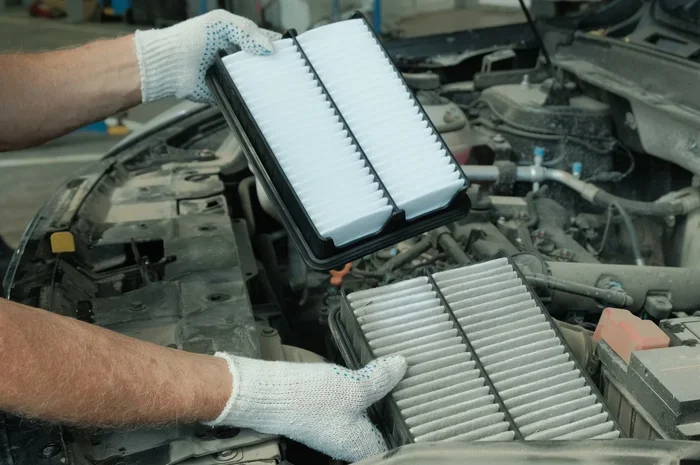
An engine air filter is a simple but essential part of your vehicle. It sits inside the air filter housing and catches airborne particles before they reach the engine. Think of it like a nose for your car. Just like your nose filters dust and pollen, the air filter keeps harmful debris out of the combustion chamber.
Without a working filter, particulate matter like sand, soot, and pollen would enter the engine. This can cause abrasive wear on cylinder walls and piston rings. Over time, this damage adds up and leads to expensive repairs.
How a Dirty Filter Affects Engine Performance
A clogged airflow restriction starves the engine of oxygen. Your engine needs a precise mix of air and fuel to burn efficiently. When the air filter gets dirty, less air gets through. This creates a rich fuel mixture that wastes gas and reduces power.
Here are common symptoms of a dirty air filter:
- Reduced fuel efficiency — your car uses more gas than usual
- Sluggish acceleration — the car feels slow or unresponsive
- Dark exhaust smoke — black or gray smoke from the tailpipe
- Check engine light — the onboard computer detects airflow issues
- Unusual engine sounds — coughing or sputtering during acceleration
If you notice any of these signs, it is time to inspect your air filter inspection. A quick look at the filter can tell you a lot about your engine’s health.
Can You Clean a Disposable Air Filter?
The most common type of engine air filter is the disposable air filter. These are made from paper or fiberglass fibers. They are cheap, effective, and designed to be replaced, not cleaned. Most factory-installed filters fall into this category.
So, can you clean a disposable filter? The honest answer is no. Here is why:
- Paper fibers are delicate: Water or cleaning solutions break down the paper material
- Cleaning removes filtration ability: The tiny pores that trap particles get damaged
- Reinstalling a wet filter causes problems: Moisture can lead to mold and airflow issues
- It is a false economy: A cleaning attempt may cost more in engine damage than a new filter
Many people try to blow out disposable filters with compressed air. While this can remove some surface dust, it does not fix the deeper clogging. The filter media is already compromised. You are better off replacing it with a new replacement air filter.
When a Disposable Filter Should Be Replaced
Most manufacturers recommend replacing disposable filters every 12,000 to 15,000 miles. However, driving conditions matter a lot. If you drive in dusty areas, on gravel roads, or in heavy traffic, your filter may need replacement sooner.
Here are some situations where you should replace rather than attempt cleaning:
- The filter looks dark gray or black from side to side
- You can see heavy dirt accumulation on the filter surface
- The filter feels oily or greasy to the touch
- The filter has tears, holes, or physical damage
- It has been over 15,000 miles since the last change
Remember, the air filter replacement cost is usually between $20 and $50 for the part alone. Labor at a shop adds another $20 to $40. That is a small price compared to the cost of engine damage from a failed filter.
How to Clean a Reusable Engine Air Filter
Not all air filters are disposable. Some are designed to be cleaned and reused many times. These reusable air filters are popular among car enthusiasts and off-road drivers. The most common types are cotton gauze, oiled foam, and synthetic panel filters.
Brands like K&N air filter and AEM are well known for their high-performance reusable options. These filters use durable materials that can handle washing and re-oiling.
Types of Reusable Filters
Let us look at the main types of reusable filters you might encounter:
- Cotton gauze filters: These use layers of cotton fabric treated with oil. They offer excellent airflow and filtration. Brands like K&N are famous for this design.
- Oiled foam filters: Common in off-road vehicles and motorcycles. The foam is soaked in oil to trap particles. They are easy to clean with a solvent wash.
- Synthetic panel filters: These use layered synthetic media. They can be washed with water and mild soap, then dried and reinstalled.
- Dry cotton filters: Some newer designs use dry cotton without oil. These are cleaned with a specialized cleaning solution.
Step-by-Step Cleaning Process
Here is how to properly clean a reusable engine air filter. Follow these steps carefully for the best results:
- Remove the filter: Open the air filter housing and carefully take out the filter. Note how it sits so you can reinstall it correctly.
- Tap out loose debris: Hold the filter upside down and gently tap it against a hard surface. This removes large particles of dust and dirt.
- Apply cleaning solution: Use a dedicated filter cleaning spray or a mixture of warm water and mild dish soap. Spray or soak the filter thoroughly.
- Gently scrub: Use a soft brush to work the cleaning solution into the filter material. Be careful not to tear or damage the media.
- Rinse thoroughly: Rinse the filter with clean water until all soap and dirt are washed out. Avoid high-pressure water, which can damage the filter.
- Dry completely: Let the filter air dry for 24 hours or more. Never reinstall a damp filter — moisture in the engine is bad news.
- Re-oil if needed: For oiled filters, apply a light, even coat of filter oil after drying. Use only the oil recommended by the filter manufacturer.
- Reinstall the filter: Place the clean, dry filter back into the housing. Make sure it seats properly and the housing closes securely.
Quick Tip: Always use cleaning products designed for air filters. Household cleaners can leave residues that affect airflow and filtration. Stick with products made specifically for engine air filter cleaning.
Cleaning vs. Replacing: Which Option Is Better?
This is the question at the heart of the debate. Both cleaning and replacing have their pros and cons. The right choice depends on your filter type, driving conditions, and budget.
Cost Comparison
Let us break down the costs so you can make an informed decision.
| Factor | Cleaning Reusable Filter | Replacing Disposable Filter |
|---|---|---|
| Upfront Cost | $30-$100 (one-time filter purchase) | $20-$50 per filter |
| Ongoing Cost | Cleaning kit ($10-$20 every 15K miles) | $20-$50 every 12K-15K miles |
| Lifespan | 50,000+ miles with proper care | 12,000-15,000 miles per filter |
| Labor | Same as replacement | Same as cleaning |
| Engine Protection | Excellent when maintained properly | Good with fresh filters |
| Convenience | Requires cleaning time | Quick swap and go |
As you can see, reusable filters save money over time. But they require more effort and attention. Disposable filters are simpler but add up in cost over the life of the vehicle.
Performance Considerations
Reusable filters often offer better airflow than standard disposable filters. More air means better combustion, which can improve fuel efficiency and engine power. This is why many performance cars and trucks use aftermarket reusable options.
However, a poorly maintained reusable filter can actually perform worse than a new disposable one. If the filter is not cleaned properly or re-oiled incorrectly, it can restrict airflow and let dirt through.
Expert Insight: “A clean reusable filter can outperform a new disposable filter in both airflow and filtration. But it only works if the owner commits to regular maintenance,” says automotive engineer Mark Stevenson.
Environmental Impact
Another factor worth considering is the environment. Disposable filters end up in landfills every few months. Reusable filters reduce waste significantly over time. If you care about reducing your environmental footprint, cleaning and reusing your filter is the greener choice.
Signs Your Air Filter Needs Replacement
Even with the best maintenance, there comes a time when a filter must be replaced. Knowing the warning signs helps you avoid engine problems.
Here are the top signs that your filter needs to be replaced, not cleaned:
- Visible damage: Tears, holes, or bent filter media cannot be fixed by cleaning
- Oil saturation: If the filter is soaked in oil from a blow-by issue, replacement is the only safe option
- Excessive clogging: When the filter is caked with grime and no cleaning method restores airflow
- Mold or mildew: Moisture damage creates mold growth that cannot be fully removed
- Filter age: Even if it looks okay, a filter older than 30,000 miles on a reusable should be inspected closely
- Post-accident or water exposure: If the filter got wet from flooding or an accident, replace it immediately
Do not ignore these signs. A compromised filter lets particulate matter enter your engine. This causes wear on internal components that can cost thousands to repair.
How Often Should You Check Your Filter?
Make it a habit to inspect your air filter every time you check your oil. For most drivers, this means checking it every 3,000 to 5,000 miles. In dusty or harsh conditions, check it more frequently.
A simple visual inspection takes less than five minutes. Pull the filter out, hold it up to a light source, and look through it. If you cannot see light through the filter media, it is time for cleaning or replacement.
Common Mistakes People Make With Air Filter Cleaning
Cleaning an air filter sounds simple, but many people make mistakes that cause more harm than good. Here are the most common errors to avoid:
Using the Wrong Cleaning Method
One of the biggest mistakes is using a pressure washer or soaking the filter in harsh chemicals. High-pressure water can destroy the filter media. Harsh solvents can dissolve the filter material or leave behind residues that affect combustion.
Always use cleaning products designed for air filters. If you are unsure, check the filter manufacturer’s instructions for the recommended cleaning method.
Not Letting the Filter Dry Completely
Installing a damp filter is a serious mistake. Moisture inside the air filter housing can cause rust on metal parts and promote mold growth. It also disrupts the air-fuel mixture, leading to poor engine performance.
Always let your filter dry completely before reinstalling it. If you are in a hurry, use clean, compressed air to speed up the drying process. But never use heat like a hair dryer or oven, as this can warp the filter material.
Over-Oiling the Filter
For oiled filters like K&N, applying too much oil is a common mistake. Excess oil can migrate into the mass airflow sensor, causing inaccurate readings and engine issues. A light, even coat is all you need.
After applying oil, gently squeeze the filter to distribute it evenly. Wipe away any excess oil that pools on the surface.
Skipping Regular Maintenance
Some people clean their reusable filter once and forget about it. But reusable filters need regular cleaning based on driving conditions. A filter that is not cleaned on schedule loses its effectiveness and can actually become worse than a disposable filter.
Expert Tips for Better Air Filter Maintenance
Want to get the most out of your engine air filter? Follow these expert-backed tips for better air filter maintenance and engine longevity.
1. Choose the Right Filter for Your Driving Conditions
If you drive in dusty or rural areas, consider a reusable filter designed for harsh conditions. If you drive mostly on highways in clean air, a standard disposable filter works great and keeps things simple.
2. Keep a Spare Filter on Hand
Always have a spare filter in your garage. If you clean a reusable filter and it does not look right after drying, you can swap in the spare while you troubleshoot. This keeps you driving and prevents delays.
3. Upgrade to a High-Performance Filter
Consider upgrading to a cold air intake system with a high-quality reusable filter. These systems improve airflow, boost engine performance, and look great under the hood. Just make sure the filter is compatible with your specific vehicle model.
4. Document Your Maintenance
Keep a log of when you clean or replace your filter. This helps you stay on track and gives you a record to reference if problems arise later. A simple notebook or phone reminder works great for this.
5. Inspect the Air Filter Housing
While you have the filter out, take a moment to inspect the housing and intake duct. Look for cracks, loose clamps, or debris. A damaged housing can let unfiltered air bypass the filter, defeating the purpose of your maintenance.
6. Trust Your Mechanic
If you are unsure about cleaning or replacing your filter, ask a trusted mechanic. They can inspect the filter, advise on the best option, and even do the work for you. Many shops include a basic air filter inspection with every oil change.
Conclusion
The question can I clean my engine air filter instead of replacing it does not have a one-size-fits-all answer. The right choice depends on your filter type, driving habits, and budget. Disposable filters must be replaced when dirty. Reusable filters can be cleaned and reused many times with proper care.
Engine air filter cleaning is a simple process that can save you money and extend the life of your vehicle. But it only works when done correctly. Use the right cleaning method, let the filter dry completely, and re-oil if needed. Never attempt to clean a disposable filter — it will not work and could damage your engine.
Regular air filter inspection is the key to keeping your engine healthy. Check your filter often, watch for warning signs, and act quickly when the filter needs attention. A clean filter means better fuel efficiency, stronger engine performance, and longer engine life.
Take the time to care for your air filter today. Your engine will thank you tomorrow with smoother running, better gas mileage, and fewer trips to the mechanic.
Frequently Asked Questions
Can I clean a paper engine air filter with water?
No, you should never clean a paper air filter with water. Water breaks down the paper fibers and destroys the filter’s ability to trap particles. Paper filters are designed to be disposable. Always replace a dirty paper filter with a new one.
How often should I clean a reusable engine air filter?
Most reusable filters should be cleaned every 15,000 to 30,000 miles, depending on driving conditions. If you drive in dusty or off-road environments, you may need to clean it more often. Check the manufacturer’s recommendations for your specific filter model.
Is cleaning my air filter cheaper than replacing it?
For reusable filters, cleaning is significantly cheaper over time. A cleaning kit costs around $10 to $20 and can be used for many maintenance cycles. Disposable filters cost $20 to $50 each and must be replaced every 12,000 to 15,000 miles.
What happens if I drive with a dirty air filter?
Driving with a dirty air filter reduces engine performance and fuel efficiency. It can also cause acceleration problems, rough idling, and increased emissions. Over time, severe clogging can lead to engine damage from unfiltered particles entering the combustion chamber.
Can I reuse an engine air filter after cleaning it?
Yes, but only if you have a reusable filter made of cotton, oiled foam, or synthetic material. Disposable paper filters cannot be reused after cleaning. Attempting to reuse a disposable filter will result in poor filtration and potential engine damage.
Does a clean air filter improve gas mileage?
Yes, a clean air filter can improve fuel efficiency by allowing proper airflow to the engine. When the engine gets the right air-fuel mixture, it burns fuel more efficiently. Many drivers notice a small but measurable improvement in gas mileage after replacing or cleaning their air filter.