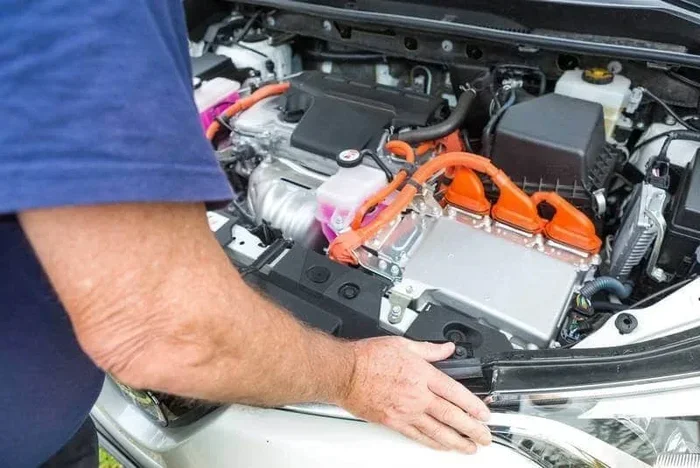
Why Wont My Hybrid Car Start Heres How You Can Fix It
Your hybrid car won’t start because of a dead 12-volt battery, a faulty key fob, or a failing hybrid battery. Learning how to diagnose these issues early can save you time, money, and a lot of frustration. This guide walks you through every common cause and practical fix for hybrid car start problems.
There’s nothing worse than turning the key or pressing the start button and hearing nothing. Your hybrid car just sits there, silent and unresponsive. If you’ve ever asked yourself, “Why won’t my hybrid car start,” you’re not alone. This is one of the most common questions hybrid owners ask, and it’s a problem that can happen to anyone.
Hybrid vehicles are clever machines. They use two power sources, which means there are more things that can go wrong than with a regular car. The good news is that most hybrid start problems have simple causes and even simpler fixes. Whether it’s a dead 12-volt battery, a weak key fob, or something more serious, this guide will help you figure out what’s going on and how to solve it.
We’ll walk through every common reason your hybrid car won’t start. We’ll look at how the hybrid start system works, what to check first, and when it’s time to call a professional. By the end, you’ll have the knowledge and confidence to handle most hybrid start problems on your own.
Key Takeaways
- Dead 12-volt battery: This is the #1 reason hybrid cars won’t start. The 12-volt battery powers the car’s electronics and start system.
- Hybrid battery failure: A weak or damaged high-voltage hybrid battery can prevent your car from starting at all.
- Key fob issues: A dead key fob battery or faulty immobilizer can stop your hybrid from recognizing the key.
- Regular maintenance matters: Simple checks and timely replacements keep your hybrid running smoothly.
- Know when to call a pro: Some hybrid start problems need a certified technician and specialized diagnostic tools.
- Preventive care saves money: Following a maintenance schedule reduces the risk of unexpected start failures.
📑 Table of Contents
Common Reasons Why Your Hybrid Car Won’t Start
Hybrid cars use both a gasoline engine and an electric motor. This hybrid powertrain relies on two separate battery systems. When either one fails, your car might not start. Let’s look at the most common reasons this happens.
Dead 12-Volt Battery
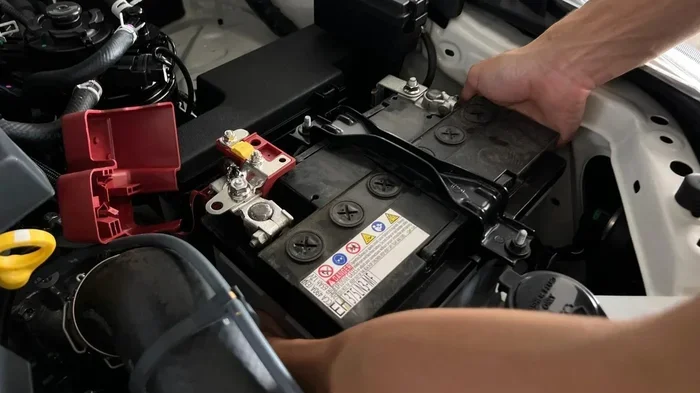
The 12-volt battery is the hidden hero of your hybrid car. It powers everything from the lights to the computer systems that tell your car to start. Without a working 12-volt battery, your hybrid vehicle simply won’t turn on.
This is the number one cause of hybrid car start problems. The 12-volt battery can die for many reasons:
- Leaving lights or accessories on overnight drains the battery.
- Extreme cold weather reduces battery performance significantly.
- Old age — most 12-volt batteries last three to five years.
- Parasitic drain from electronics that pull power even when the car is off.
If your hybrid car won’t start and the dashboard lights are dim or flickering, the 12-volt battery is the first thing to check. You can test it with a multimeter. A healthy battery should read 12.6 volts or higher. Anything below 12.0 volts means it’s time for a replacement or a jump start.
Hybrid Battery Failure
Your hybrid car also has a high-voltage battery pack that powers the electric motor. This hybrid battery is very different from the standard 12-volt battery. When the hybrid battery starts to fail, your car may refuse to start entirely.
Hybrid battery problems can show up in different ways:
- The car starts but immediately shuts off.
- Warning lights appear on the dashboard, especially the hybrid system alert.
- Reduced power or hesitation when you try to drive.
- Strange noises coming from the powertrain area.
Hybrid battery failure is more expensive to fix than a dead 12-volt battery. However, many hybrid batteries last 100,000 to 150,000 miles or more with proper care. Regular hybrid car maintenance can extend the life of your hybrid battery significantly.
Faulty Key Fob or Immobilizer
Most modern hybrid cars use a push-button start system. The car communicates wirelessly with your key fob. If the fob’s battery dies, the car might not recognize it and won’t start.
This is an easy fix that many people overlook. Try replacing the battery in your key fob. It’s usually a small CR2032 coin cell battery that costs just a few dollars. You can find instructions in your owner’s manual.
Sometimes the problem is more serious. The immobilizer system in your hybrid car is designed to prevent theft. If the system malfunctions, it can block the start process even with a working key fob. In this case, you’ll need a professional diagnosis.
Starter Motor or Starter Relay Issues
The starter motor is what cranks the engine when you turn the key or press the start button. In a hybrid car, the electric motor often serves double duty as the starter. If the hybrid starter motor fails, you won’t hear any cranking sound at all.
Starter relay problems are also common. The relay sends electrical current to the starter motor. When it goes bad, the motor never gets the signal to engage. You might hear a single click when you press the start button, but nothing else happens.
Fuel System Problems
It might sound obvious, but hybrid cars still need gasoline to run in many situations. If your fuel tank is empty or the fuel pump fails, your hybrid car won’t start — even if the electric system is working perfectly.
Hybrid cars have a fuel pump just like regular cars. When it goes bad, fuel can’t reach the engine. Signs of a failing fuel pump include:
- A whining noise from the rear of the car near the fuel tank.
- Difficulty starting that gets worse over time.
- Stalling while driving, especially under load.
How the Hybrid Start System Works
Understanding how your hybrid car starts can help you troubleshoot problems faster. The system is more complex than a regular car, but the basic idea is simple.
The Role of the 12-Volt Battery
The 12-volt battery in a hybrid car has the same job as in a regular car. It powers the computer, the lights, and the start system. When you press the start button, the car’s computer checks that everything is ready. Then it sends a signal to the starter system to engage.
In a hybrid car, the 12-volt battery also manages communication between the high-voltage system and the car’s electronics. If this battery is weak, the whole system can shut down as a safety measure. This is why a dead 12-volt battery causes so many hybrid start problems.
How the Hybrid Powertrain Engages
When you start your hybrid car, here’s what happens behind the scenes:
- The 12-volt battery powers up the car’s computer and systems.
- The computer checks the hybrid battery to make sure it has enough charge.
- The inverter converts DC power from the hybrid battery to AC power for the electric motor.
- The electric motor either starts the car directly or assists the gasoline engine.
- The gasoline engine kicks in when more power is needed.
If any step in this process fails, your car won’t start. The hybrid inverter is a common failure point. It can overheat or develop electrical faults that interrupt the entire start sequence.
Troubleshooting Steps When Your Hybrid Car Won’t Start
Before you panic or call a mechanic, try these basic troubleshooting steps. Most hybrid start problems are something simple you can check yourself.
Step-by-Step Diagnostic Checklist
Follow this checklist in order. It will help you narrow down the cause quickly.
- Check the dashboard lights. Do they turn on when you press the start button? If not, the 12-volt battery is likely dead or weak.
- Listen for sounds. Do you hear any clicking, buzzing, or whirring? No sound at all often points to a dead 12-volt battery or a faulty starter relay.
- Check the key fob battery. Try the backup key or replace the fob battery. This solves the problem more often than you’d think.
- Look at the hybrid warning lights. Any warning lights on the dashboard give you clues about what’s wrong.
- Check the fuel level. It sounds silly, but running out of gas happens more often in hybrids because the electric motor can mask low fuel warnings.
- Try a jump start. If the 12-volt battery is dead, a jump start from another car or a portable jump starter can get you going again.
When to Call a Professional
Some hybrid start problems need a trained technician. You should call a professional if:
- The hybrid warning light is flashing. This indicates a serious issue with the high-voltage system.
- You smell burning or notice leaks. Both are safety concerns that need immediate attention.
- The car starts but stalls immediately. This could point to a hybrid battery or inverter problem.
- You’ve tried all basic checks and the car still won’t start.
Always choose a technician who is certified to work on hybrid vehicles. The high-voltage system in a hybrid car can be dangerous if handled improperly. A qualified hybrid car repair specialist knows how to work safely with these systems.
Preventive Maintenance Tips for Hybrid Owners
The best way to avoid hybrid start problems is through regular maintenance. A little prevention goes a long way with hybrid vehicles.
Regular Battery Checks
Have your 12-volt battery tested at every service visit. Most auto parts stores will test it for free. Replace the battery every three to five years, even if it seems to be working fine. Preventing a dead battery is always easier than dealing with one.
For the hybrid battery, follow the maintenance schedule in your owner’s manual. Most manufacturers recommend checking the hybrid battery health every 30,000 to 60,000 miles. Keeping the battery cool and avoiding extreme discharge cycles will help it last longer.
Keeping Your Hybrid System Healthy
Here are some simple habits that keep your hybrid car in top shape:
- Drive the car regularly. Hybrid batteries maintain their charge better when the car is used consistently.
- Avoid letting the fuel tank run too low. Running on empty can strain the fuel pump and the hybrid system.
- Keep software updated. Many hybrid cars have software updates that fix known issues with the start system.
- Replace the key fob battery annually. Don’t wait until it dies. A fresh battery prevents unexpected start failures.
- Follow the recommended service intervals. Regular oil changes, filter replacements, and inspections keep everything running smoothly.
Quick Tips to Avoid Hybrid Start Problems
Tip 1: Keep a portable jump starter in your trunk. It’s a lifesaver for dead 12-volt batteries and works for hybrid cars too.
Tip 2: Park in a garage when possible. Extreme temperatures are the enemy of car batteries.
Tip 3: Turn off all accessories before shutting off the engine. This reduces parasitic drain on the 12-volt battery.
Tip 4: Read your owner’s manual. Every hybrid model has unique features and troubleshooting steps specific to that vehicle.
Hybrid Car Start Problems by Model
Different hybrid models have different common issues. Here’s a look at some of the most popular hybrid vehicles and their known start problems.
Toyota Hybrid Start Issues
Toyota is the world’s leader in hybrid technology with models like the Prius, Camry Hybrid, and RAV4 Hybrid. Toyota hybrid cars are generally very reliable, but they do have a few known start issues:
- The 12-volt battery tends to drain faster in Toyota hybrids with smart key systems.
- The hybrid battery control module can develop faults that prevent starting.
- Some older Prius models have reported issues with the starter relay wearing out prematurely.
Toyota has addressed many of these issues through software updates and improved components. Staying current with recalls and service bulletins is important for Toyota hybrid owners.
Honda Hybrid Start Issues
Honda hybrids like the Accord Hybrid and CR-V Hybrid are also popular choices. Common Honda hybrid start problems include:
- IMA (Integrated Motor Assist) system failures that prevent the car from starting.
- Key fob recognition problems in cold weather or with low fob battery.
- 12-volt battery terminal corrosion that disrupts the electrical connection.
Honda recommends using genuine OEM parts for battery replacements and keeping the key fob clean and dry. These simple steps can prevent many Honda hybrid start issues.
Ford and Other Hybrid Models
Ford hybrids like the Escape Hybrid and Fusion Hybrid have their own quirks. The Ford hybrid system uses a different architecture than Toyota or Honda, which means the start problems can be different too. Common issues include the Ford hybrid battery management system and the 12-volt battery drain from the SYNC infotainment system.
No matter what brand you drive, the troubleshooting principles are the same. Start with the simple checks and work your way up to more complex diagnostics.
Expert Insights and Final Thoughts
Dealing with a hybrid car that won’t start can be stressful, but it doesn’t have to be. The vast majority of hybrid start problems come down to three things: a dead 12-volt battery, a weak key fob, or a failing hybrid battery. Once you know what to look for, most issues are straightforward to diagnose and fix.
Regular maintenance is your best defense against hybrid start problems. Keep your 12-volt battery fresh, replace the key fob battery on schedule, and follow your manufacturer’s service recommendations. These simple habits will keep your hybrid car running reliably for years.
If you ever find yourself stuck with a hybrid car that won’t start, don’t rush to expensive repairs. Work through the troubleshooting steps in this guide first. You might be surprised at how often the fix is simple and inexpensive. And when the problem is beyond a DIY fix, you’ll know exactly what to tell the technician, which saves you time and money.
Hybrid technology is amazing, and these cars are designed to be dependable. With the right knowledge and a little proactive care, you can keep your hybrid running strong and avoid most start problems altogether.
Frequently Asked Questions
Why won’t my hybrid car start even with a new battery?
If you’ve replaced the 12-volt battery and the car still won’t start, the problem might be with the key fob, the immobilizer system, or the hybrid battery itself. Check the key fob battery first, as this is the most overlooked cause. If that’s not it, a professional diagnostic scan can reveal what’s blocking the start sequence.
How much does it cost to fix a hybrid car that won’t start?
The cost varies widely depending on the cause. A dead 12-volt battery replacement costs between $100 and $250. A new key fob battery is under $10. However, a hybrid battery replacement can range from $2,000 to $8,000 depending on the model. Always get a proper diagnosis before committing to expensive repairs.
Can extreme weather cause a hybrid car not to start?
Yes, extreme cold and extreme heat both affect hybrid car batteries. Cold weather reduces the capacity of the 12-volt battery and can slow the hybrid battery’s chemical reactions. Hot weather can cause the hybrid battery to overheat and trigger protective shutdowns. Parking in a climate-controlled garage helps prevent weather-related start issues.
Is it safe to jump-start a hybrid car?
Yes, it is safe to jump-start a hybrid car, but you need to follow the correct procedure. Always consult your owner’s manual for the proper jump-starting instructions. Hybrid cars have both a 12-volt system and a high-voltage system, and you must connect the jumper cables to the correct terminals. Never attempt to jump-start the high-voltage battery.
How do I know if my hybrid battery is failing?
Signs of a failing hybrid battery include reduced fuel economy, unusual noises, warning lights on the dashboard, and difficulty starting the car. Many auto parts stores and hybrid specialists offer free hybrid battery health checks. Catching a failing battery early can save you from a complete breakdown.
Can a hybrid car start with a completely dead hybrid battery?
In most cases, no. The hybrid battery is essential for starting and running the vehicle. However, some hybrid models have a limited “limp mode” that allows the gasoline engine to run alone if the hybrid battery fails completely. This is rare and usually accompanied by warning lights and reduced performance.
=== CONCLUSION ===
Your hybrid car won’t start for a reason, and in most cases, that reason is something you can fix. The hybrid car start system might be more complex than a regular car, but the troubleshooting process is similar. Start with the simple things: check the 12-volt battery, test the key fob, and make sure you have fuel. From there, dig deeper into the hybrid battery, the starter motor, and the inverter.
Hybrid car maintenance is the key to avoiding most start problems. Keep your batteries healthy, follow the service schedule, and don’t ignore warning signs. Your hybrid car is a sophisticated machine that rewards good care with reliable performance.
Remember, every hybrid model is a little different. Your owner’s manual is your best resource for model-specific troubleshooting. And when in doubt, don’t hesitate to consult a certified hybrid technician. With the right knowledge and a little patience, you’ll have your hybrid car back on the road in no time.