Does the Toyota RAV4 Hybrid Really Need to Be Plugged In
The Toyota RAV4 Hybrid does not need to be plugged in to charge. It is a self-charging hybrid that uses regenerative braking and the gas engine to keep the battery powered. You can drive it just like a regular car without ever finding a charging station. However, if you want the plug-in version called the RAV4 Prime, that one does need external charging for its larger battery.
So you are thinking about buying a Toyota RAV4 Hybrid, and one question keeps popping up in your head. Does the Toyota RAV4 Hybrid really need to be plugged in? It is a fair question, especially with all the different hybrid and electric vehicles on the road today. The short answer is no. The standard RAV4 Hybrid does not need to be plugged in at all. But there is a lot more to know about how this system works, and why Toyota designed it this way.
In this article, we will break down everything you need to know about the RAV4 Hybrid charging system. We will talk about how the battery charges itself, what happens if you try to plug it in, and how the RAV4 Prime fits into the picture. By the end, you will have a clear picture of what to expect and whether the RAV4 Hybrid is the right choice for your lifestyle.
Key Takeaways
- The RAV4 Hybrid charges itself: It does not need to be plugged in at all. The hybrid system handles everything automatically.
- Regenerative braking does the work: Every time you slow down or brake, the system recaptures energy and stores it in the battery.
- The RAV4 Prime is different: This plug-in version has a bigger battery and does need to be charged externally for full electric driving.
- Fuel economy is still excellent: Even without plugging in, the RAV4 Hybrid delivers around 40 mpg combined, which is impressive for an SUV.
- No special charging equipment needed: You just drive and refuel at the gas pump like any normal car.
- Maintenance is straightforward: The hybrid battery is designed to last the life of the vehicle with minimal upkeep.
📑 Table of Contents
- What Is the Toyota RAV4 Hybrid?
- Does the RAV4 Hybrid Need to Be Plugged In?
- How Does the RAV4 Hybrid Battery Charge While Driving?
- RAV4 Hybrid vs. RAV4 Prime: What Is the Difference?
- Fuel Efficiency: How Much Can You Really Save?
- Maintenance and Ownership Costs
- Common Misconceptions About the RAV4 Hybrid
- Final Thoughts: Is the RAV4 Hybrid Worth It?
What Is the Toyota RAV4 Hybrid?
The Toyota RAV4 Hybrid is a compact SUV that combines a gas engine with an electric motor. Together, they work as a team to deliver power and save fuel. This is called a self-charging hybrid system. Toyota has been perfecting this technology for decades, and the RAV4 Hybrid is one of the most popular hybrid SUVs on the market.
Unlike fully electric vehicles, the RAV4 Hybrid does not rely solely on a battery. It uses a small nickel-metal hydride or lithium-ion battery pack, depending on the model year. This battery is much smaller than what you would find in a pure electric car. And here is the key point. You do not need to plug it in to keep it charged.
How the Hybrid System Works
The Toyota hybrid powertrain is clever. It uses two motors. One is a gas engine, and the other is an electric motor. These two power sources switch between each other based on driving conditions. When you start the car, the electric motor often handles low-speed driving. This is perfect for stop-and-go traffic. When you need more power, the gas engine kicks in. The system decides which motor to use automatically.
The battery gets recharged while you drive. This happens through a process called regenerative braking. When you take your foot off the accelerator or hit the brakes, the electric motor reverses its role. Instead of using energy, it becomes a generator. It captures energy that would normally be lost as heat and stores it back in the battery. This is why the RAV4 Hybrid is called a self-charging system.
Does the RAV4 Hybrid Need to Be Plugged In?
The direct answer is no. The standard Toyota RAV4 Hybrid does not need to be plugged in. There is no charging port on the outside of the vehicle. You do not need to install a home charger. You do not need to stop at a public charging station. You simply fill up the gas tank and drive.
This is one of the biggest advantages of the RAV4 Hybrid over a plug-in hybrid or a fully electric vehicle. There is no range anxiety. You do not need to plan your trips around charging stations. You can drive as far as the gas tank allows, which is typically over 500 miles on a single tank. This makes the RAV4 Hybrid incredibly convenient for daily driving and road trips alike.
Why Toyota Chose a Self-Charging Design
Toyota made a deliberate choice with the RAV4 Hybrid. They wanted to create a vehicle that felt just like a regular car but with better fuel economy. By making the hybrid self-charging, they removed the biggest barrier to hybrid ownership. Most people do not have access to a home charging station. Even if they do, plugging in every night can feel like a chore.
The self-charging system solves this problem entirely. You never have to think about charging. The car handles it for you while you drive. This is a major reason why the RAV4 Hybrid has been such a success. It gives drivers the benefits of hybrid technology without the inconvenience of plugging in.
What Happens If You Try to Plug It In?
There is no charging port to plug into on the standard RAV4 Hybrid. If you look at the front or rear of the vehicle, you will not see any EV charging inlet. The car simply does not have one. This is by design. The hybrid battery is meant to stay charged through the regenerative braking system and the gas engine.
Some people confuse the RAV4 Hybrid with the RAV4 Prime, which is the plug-in hybrid version. The RAV4 Prime does have a charging port. We will talk more about that in a moment. But if you are looking at the standard RAV4 Hybrid, there is nothing to plug in. Period.
How Does the RAV4 Hybrid Battery Charge While Driving?
Understanding how the RAV4 Hybrid battery charges itself is fascinating. The process is seamless and happens in the background while you drive. You never have to do anything special to keep the battery charged.
Regenerative Braking Explained
Every time you slow down or brake, the regenerative braking system goes to work. The electric motor acts as a generator. It converts the kinetic energy from the wheels into electrical energy. This energy flows back into the hybrid battery pack. The more you brake or coast, the more energy you recapture.
This is why hybrid drivers often notice the battery charge level staying steady or even increasing during a drive. The system is constantly replenishing the battery. It is a brilliant use of energy that would otherwise be wasted. And it means you never have to plug the car in.
The Role of the Gas Engine
The gas engine also plays a role in charging the battery. When the engine is running efficiently, it can generate excess power. Some of this power goes to the wheels, and some goes to the electric motor. The electric motor can then act as a generator and send energy back to the battery. This is called engine-driven charging.
Toyota designed this system to work in harmony. The gas engine and electric motor constantly communicate and adjust their output. This ensures the battery stays at the optimal charge level for the best performance and fuel economy.
Battery Management System
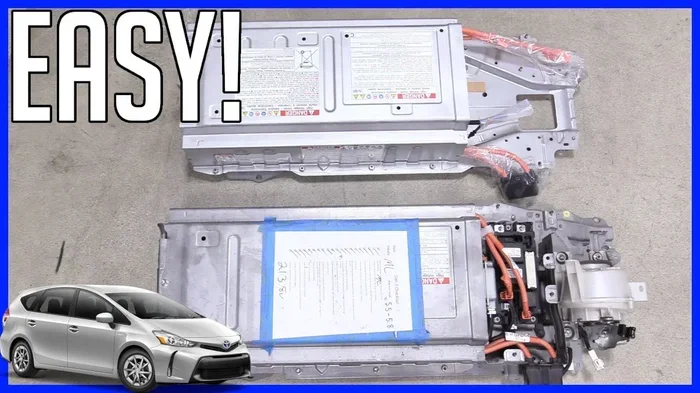
Under the hood, there is a sophisticated battery management system. This computer monitors the battery state of charge, temperature, and overall health. It decides when to charge, when to discharge, and how to balance the cells. The system is designed to protect the battery and extend its lifespan.
Toyota engineers have designed the hybrid battery to last the life of the vehicle. In many cases, the battery outlasts the car itself. This is a testament to the durability and smart design of the Toyota hybrid technology. You do not need to worry about replacing the battery anytime soon.
RAV4 Hybrid vs. RAV4 Prime: What Is the Difference?
This is where things get interesting. Toyota offers two versions of the electrified RAV4. The standard RAV4 Hybrid and the RAV4 Prime. They share many similarities, but they are quite different in how they charge and how they drive.
| Feature | RAV4 Hybrid | RAV4 Prime |
|---|---|---|
| Needs to Be Plugged In | No | Yes |
| Battery Size | Smaller (1.6 kWh) | Larger (18.1 kWh) |
| Electric-Only Range | Short (1-2 miles) | Up to 42 miles |
| Total System Power | 219 hp | 302 hp |
| Fuel Economy (Combined) | ~40 mpg | ~38 mpg (with charging) |
| Charging Time (0-100%) | N/A | ~2.5 hours (240V) |
| Home Charging Required | No | Recommended |
The RAV4 Prime is a plug-in hybrid electric vehicle, or PHEV. It has a much larger battery that can power the car in EV mode for up to 42 miles. This means you can drive to work or run errands using only electricity if you charge it regularly. Once the battery is depleted, it operates like a regular hybrid.
The standard RAV4 Hybrid, on the other hand, is designed for simplicity. You drive it, you fill up gas, and you go. There is no plugging in, no charging schedule, and no range anxiety. Both are excellent vehicles, but they serve different needs.
Which One Is Right for You?
If you want the simplest ownership experience, go with the RAV4 Hybrid. You never have to think about charging. Just drive and enjoy the fuel savings. If you have access to a home charger and want maximum electric driving, the RAV4 Prime might be a better fit.
Many people choose the RAV4 Hybrid because it fits seamlessly into their daily routine. You do not need to change any habits. You do not need to install equipment at home. You just drive. This simplicity is a huge selling point for the Toyota RAV4 Hybrid.
Fuel Efficiency: How Much Can You Really Save?
One of the main reasons people choose a hybrid is to save on fuel. The RAV4 Hybrid fuel economy is impressive. The 2024 model gets an estimated 41 mpg in the city and 38 mpg on the highway. That adds up to about 40 mpg combined. For a compact SUV, this is outstanding.
To put this in perspective, a gas-only RAV4 gets around 27 mpg combined. That means the hybrid saves you roughly 30% on fuel costs. Over several years of driving, those savings can really add up. You could save thousands of dollars at the pump compared to a gas-only version.
Does Plugging In Improve Efficiency?
For the standard RAV4 Hybrid, plugging in is not an option because there is no port. The efficiency comes from the hybrid system itself. The electric motor assists the gas engine, which means the gas engine does not have to work as hard. This leads to better fuel economy.
The RAV4 Prime can achieve even better efficiency if you plug it in regularly. When charged daily, you may rarely use gas at all for short trips. However, if you never plug in the RAV4 Prime, it still gets decent fuel economy as a regular hybrid. But you will not get the full benefit of the larger battery.
Real-World Driving Tips for Maximum Efficiency
Here are some practical tips to get the best fuel economy from your RAV4 Hybrid. First, drive smoothly. Avoid hard acceleration and sudden braking. The hybrid system works best when you maintain a steady speed. Second, use eco mode when possible. This adjusts the throttle and air conditioning to prioritize efficiency.
Third, keep your tires properly inflated. Low tire pressure increases rolling resistance and reduces fuel economy. Fourth, reduce excess weight in the vehicle. The less the car has to carry, the less energy it needs. Finally, plan your trips to avoid heavy traffic when possible. Stop-and-go driving can reduce efficiency, though the regenerative braking system does help recover some energy.
Maintenance and Ownership Costs
One concern people have with hybrid vehicles is maintenance. They wonder if the hybrid system is expensive to maintain. The good news is that the Toyota RAV4 Hybrid is designed for low maintenance costs. The hybrid battery is built to last a very long time, and Toyota stands behind it with a generous warranty.
Toyota offers an 8-year or 100,000-mile warranty on the hybrid battery, whichever comes first. This gives owners peace of mind. If the battery fails within that period, Toyota will cover the replacement cost. In practice, most RAV4 Hybrid batteries last well beyond the warranty period.
Regular Maintenance Is Similar to a Gas Car
The routine maintenance on an RAV4 Hybrid is very similar to a gas-powered RAV4. You still need oil changes, tire rotations, brake inspections, and fluid checks. The hybrid system does not add a lot of extra maintenance tasks. In fact, the regenerative braking system reduces wear on the traditional brake pads, which can save you money over time.
If you ever notice warning lights on your dashboard, it is important to address them promptly. For example, if your maintenance light stays on, it may be a reminder to service the vehicle. Similarly, if the check engine light comes on, you should have it checked. The good news is that you can still drive the RAV4 Hybrid with the maintenance light on for short distances, but you should get it serviced soon.
What About the Oil?
Using the right oil in your RAV4 Hybrid matters. Toyota recommends specific oil grades for optimal performance. You should check your owner manual or ask your dealer about the best oil for your model. Using the wrong oil can affect the hybrid system’s efficiency and potentially void your warranty.
It is also worth noting that you can take your RAV4 to any Toyota dealership for service and warranty work. You do not have to go to a specific dealer. This flexibility makes ownership much easier and more convenient.
Common Misconceptions About the RAV4 Hybrid
There are several misconceptions about the Toyota RAV4 Hybrid that can confuse potential buyers. Let’s clear up a few of the most common ones.
Misconception 1: You need to plug it in every night. This is simply not true for the standard RAV4 Hybrid. It charges itself while you drive. There is nothing to plug in.
Misconception 2: The battery will die quickly. The hybrid battery is designed to last the lifetime of the vehicle. Toyota uses proven technology that has been refined over millions of miles of real-world driving.
Misconception 3: Hybrids are slow and underpowered. The RAV4 Hybrid delivers 219 horsepower, which is plenty for daily driving and highway merging. The electric motor provides instant torque, which makes the car feel responsive.
Misconception 4: You cannot drive in the snow. The RAV4 Hybrid comes with all-wheel drive as standard. It handles snow and rain just as well as any other AWD SUV. The hybrid system actually helps with traction because the electric motor can provide immediate torque to the wheels.
Final Thoughts: Is the RAV4 Hybrid Worth It?
The Toyota RAV4 Hybrid is an excellent choice for anyone who wants a practical, efficient SUV without the hassle of plugging in. The self-charging hybrid system does all the work for you. You get great fuel economy, smooth power delivery, and the peace of mind that comes with Toyota reliability.
If you are comparing the RAV4 Hybrid to a plug-in hybrid or a fully electric vehicle, it is important to understand your needs. If you want maximum simplicity and no charging at all, the RAV4 Hybrid is hard to beat. If you have a charger at home and want to drive on electricity for short trips, the RAV4 Prime is worth considering.
Either way, Toyota has delivered a compelling hybrid SUV that fits into almost any lifestyle. The RAV4 Hybrid proves that you do not need to plug in to enjoy the benefits of hybrid technology. Just drive, enjoy the fuel savings, and let the car do the rest.
Before making your final decision, test drive the RAV4 Hybrid at your local Toyota dealership. Feel how the car drives, see how the hybrid system works in real time, and decide for yourself. Most people who drive a RAV4 Hybrid end up loving the experience. It is a smart, practical, and efficient SUV that continues to earn its place as one of the best-selling hybrids in America.
The Toyota RAV4 Hybrid truly represents the best of both worlds. You get the versatility and space of an SUV with the fuel efficiency of a hybrid. And you never have to worry about plugging in. That is a winning combination for millions of drivers, and it could work for you too.
Frequently Asked Questions
Can I Drive the RAV4 Hybrid Without Ever Plugging It In?
Yes, absolutely. The standard RAV4 Hybrid is a self-charging hybrid. It does not have a charging port and does not need to be plugged in. The hybrid battery charges itself through regenerative braking and the gas engine while you drive.
What Is the Difference Between the RAV4 Hybrid and the RAV4 Prime?
The RAV4 Hybrid is a self-charging hybrid that does not need to be plugged in. The RAV4 Prime is a plug-in hybrid with a larger battery that can drive up to 42 miles on electricity alone. The Prime does need to be plugged in to charge the battery fully.
How Long Does the RAV4 Hybrid Battery Last?
Toyota designed the RAV4 Hybrid battery to last the life of the vehicle. The battery comes with an 8-year or 100,000-mile warranty. In real-world use, many RAV4 Hybrid batteries last well beyond 200,000 miles with no issues.
Can I Install a Home Charger for the RAV4 Hybrid?
No, there is no charging port on the standard RAV4 Hybrid, so a home charger would not work. The battery charges itself while driving. If you want a plug-in option, you would need the RAV4 Prime instead.
Does the RAV4 Hybrid Have Good Fuel Economy?
Yes, the RAV4 Hybrid delivers approximately 40 mpg combined, which is excellent for a compact SUV. This is significantly better than the gas-only RAV4, which gets around 27 mpg combined.
Is the RAV4 Hybrid Worth the Extra Cost Over the Gas Version?
For many buyers, yes. The fuel savings over time can offset the higher upfront cost. Plus, the RAV4 Hybrid comes with additional features and better resale value. The exact payback period depends on your driving habits and local fuel prices.