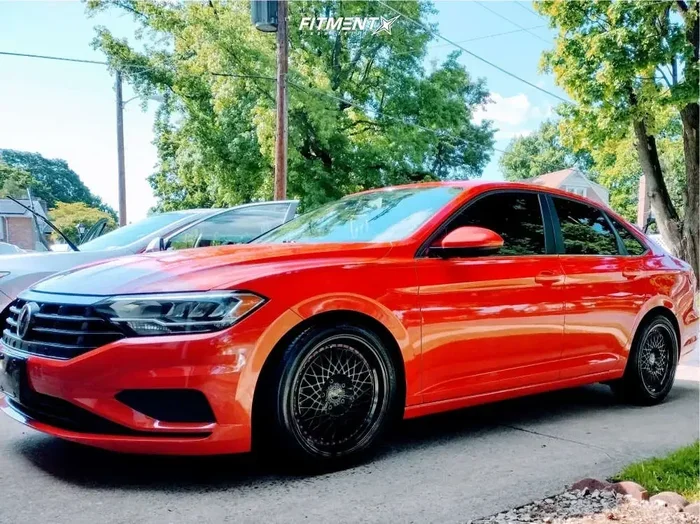
How Much Are Tires for a Volkswagen Jetta Right Now
Tires for a Volkswagen Jetta typically cost between $120 and $350 per tire, depending on the type, brand, and size you choose. All-season tires are the most popular and affordable option, while performance and run-flat tires cost more. Factor in installation, alignment, and warranty to get the true total cost of your tire purchase.
If you own a Volkswagen Jetta, sooner or later you will need to replace your tires. Whether you just got a flat or you are simply tired of worn tread, the big question is always the same: how much are tires going to cost me?
The answer is not as simple as picking a price off a shelf. Tire prices for a Volkswagen Jetta vary widely based on the type of tire, the brand, the size, and where you buy them. A set of basic all-season tires might run you around $500 installed. A premium set of performance or run-flat tires could push past $1,000. Understanding what drives the cost helps you make a smart decision and avoid overpaying.
In this guide, we break down everything you need to know about Volkswagen Jetta tire costs. We cover tire sizes, price ranges by type, brand comparisons, and practical tips to save money. By the end, you will know exactly what to expect and how to get the best deal.
Key Takeaways
- Average Cost Range: Expect to pay $120 to $350 per tire for a Volkswagen Jetta, with most drivers spending around $200 to $280 per tire.
- Tire Type Matters: All-season tires are the most budget-friendly, while performance, winter, and run-flat tires carry a higher price tag.
- OEM vs Aftermarket: OEM tires from Volkswagen cost more but offer a perfect fit, while aftermarket brands like Michelin and Continental deliver great value.
- Installation Adds Cost: Tire installation, balancing, and alignment can add $80 to $200 to your total bill.
- Maintenance Extends Life: Regular tire rotations and proper pressure checks can add thousands of miles to your tire lifespan.
📑 Table of Contents
- What Size Tires Does a Volkswagen Jetta Need
- Average Tire Prices for a Volkswagen Jetta Right Now
- OEM vs Aftermarket Tires: What’s the Difference
- How to Save Money on Volkswagen Jetta Tires
- When Should You Replace Your Jetta Tires
- Tire Maintenance Tips for Volkswagen Jetta Owners
- Common Mistakes to Avoid When Buying Jetta Tires
- Expert Insights on Volkswagen Jetta Tire Costs
- Conclusion
What Size Tires Does a Volkswagen Jetta Need
Before you look at prices, you need to know what size tires your Jetta takes. The wrong size will not fit, and the wrong tire type can affect your fuel economy and handling. Volkswagen Jetta tire sizes vary by model year and trim level, so always double-check your owner’s manual or the sticker on the driver’s door jamb.
Common Jetta Tire Sizes by Model Year
Here are the most common tire sizes you will find on different Jetta generations:
- 2011-2014 Jetta: 195/65R15 (standard), 205/55R16 (sport trims)
- 2015-2018 Jetta: 205/55R16, 215/45R17 (GLI and sport models)
- 2019+ Jetta: 225/45R17, 215/50R17 (depending on trim)
Tire size affects price directly. Larger wheels and low-profile tires cost more. A 2019 Jetta with 17-inch wheels will need pricier tires than a 2012 model with 15-inch wheels. Keep this in mind when budgeting for your replacement set.
Average Tire Prices for a Volkswagen Jetta Right Now
So, how much are tires for a Volkswagen Jetta actually going to set you back? Let us break it down by tire category. These are current market averages as of 2024 and early 2025.
Budget All-Season Tires
Budget-friendly all-season tires are the go-to choice for most Jetta owners. These tires offer solid performance in dry and wet conditions and handle light snow reasonably well.
- Price per tire: $100 to $180
- Popular brands: General Tire, Falken, Kumho
- Installed cost for a set of four: $500 to $800
Budget tires are a great option if you drive a moderate number of miles each year and want to keep costs low. Brands like General Tire and Falken offer reliable tread life and decent handling at a fraction of the price of premium options.
Mid-Range All-Season Tires
Mid-range tires give you a noticeable step up in comfort, noise reduction, and tread life. Many drivers find this the sweet spot between price and performance.
- Price per tire: $150 to $250
- Popular brands: Michelin Defender, Continental TrueContact, Bridgestone Ecopia
- Installed cost for a set of four: $750 to $1,100
Michelin and Continental are top choices for Jetta owners who want durability and a smooth ride. These tires often come with longer tread warranties, sometimes up to 80,000 miles. The upfront cost is higher, but you get more miles out of each set.
Performance and Summer Tires
If you drive a Jetta GLI or simply want better handling and grip, performance tires are worth considering. These tires are designed for warmer weather and spirited driving.
- Price per tire: $200 to $350
- Popular brands: Michelin Pilot Sport, Continental SportContact
- Installed cost for a set of four: $1,000 to $1,500
Performance tires sacrifice tread life for grip and responsiveness. You will notice a big difference in cornering and braking. But they wear faster than all-season tires, so factor in more frequent replacements.
Run-Flat Tires
Some Jetta models come equipped with run-flat tires from the factory. These tires allow you to drive a limited distance after a puncture, which eliminates the need for a spare tire.
- Price per tire: $220 to $400
- Installed cost for a set of four: $1,000 to $1,600
Run-flat tires are convenient but expensive. They also tend to provide a firmer ride compared to standard tires. If your Jetta came with run-flats, replacing them with the same type is usually recommended for the best driving experience.
OEM vs Aftermarket Tires: What’s the Difference
When shopping for Volkswagen Jetta tires, you will hear the terms OEM and aftermarket. Understanding the difference helps you make an informed choice.
OEM Tires
OEM tires are the tires that came on your Jetta from the factory. Volkswagen partners with tire manufacturers like Continental, Pirelli, and Goodyear to supply these tires. They are specifically chosen to match the car’s handling, ride quality, and fuel economy targets.
- Pros: Perfect fit, matched to vehicle specifications, often covered under warranty
- Cons: Higher price, limited brand options, sometimes overpriced for the performance level
Aftermarket Tires
Aftermarket tires are any tires made by a third-party brand. You can choose from hundreds of options across every price range and performance category.
- Pros: More choices, often better value, widely available at tire shops and online retailers
- Cons: Requires research to find the right fit, quality varies by brand
Most Jetta owners save money by going aftermarket. A Continental TrueContact or Michelin Defender aftermarket tire often outperforms the OEM tire at a lower price. That said, if you are near the end of your warranty period, sticking with OEM tires can simplify the process.
How to Save Money on Volkswagen Jetta Tires
Replacing tires is not cheap, but there are smart ways to reduce the cost without sacrificing quality. Here are practical tips that actually work.
Buy Tires Online
Online tire retailers like Tire Rack, SimpleTire, and Discount Tire often offer prices well below what you find at local shops. You pay for shipping and installation at a partner location, but the total savings can be significant. Many online retailers include free mounting and balancing with your purchase.
Look for Tire Rebates
Major tire brands run rebates throughout the year. Michelin, Continental, and Bridgestone frequently offer mail-in rebates of $50 to $120 per tire. These rebates can knock $200 or more off a full set. Check brand websites and tire shop flyers before you buy.
Time Your Purchase
Tire prices fluctuate with the seasons. Spring and fall are peak replacement seasons, and prices can be higher. Shopping in late winter or early summer sometimes yields better deals. Do not wait until you have a flat to start shopping, since emergency purchases often mean paying premium prices.
Ask About Tire Packages
Many tire shops offer bundled packages that include tires, installation, balancing, alignment, and a road hazard warranty. These packages can save you $50 to $150 compared to buying each service separately. Always ask what is included in the price before you commit.
Maintain Your Current Tires
The best way to save money on tires is to make your current set last longer. Regular tire rotations every 5,000 to 7,500 miles promote even wear. Keeping your tire pressure at the recommended level improves fuel economy and prevents uneven tread wear. Small habits add up to thousands of extra miles from each set.
One thing that helps a lot: get your alignment checked every 12,000 miles or whenever you notice the car pulling to one side. A misaligned suspension eats through tire tread fast and leaves you shopping for new tires sooner than you should.
When Should You Replace Your Jetta Tires
Knowing when to replace your tires keeps you safe and prevents costly repairs down the road. Do not wait until the tread is completely gone. Here are the key signs that your Jetta needs new tires.
Check the Tread Depth
The easiest way to check your tread depth is the penny test. Insert a penny into the tread groove with Lincoln’s head pointing down. If you can see the top of his head, your tread is too worn and it is time for new tires.
New tires typically have about 10/32 of an inch of tread. Most states require a minimum of 2/32 of an inch, but driving on nearly bald tires is dangerous, especially in wet or snowy conditions. Aim to replace tires when the tread reaches 4/32 of an inch for optimal safety and performance.
Watch for Visible Damage
Inspect your tires regularly for cracks, bulges, and punctures. Even a small nail or screw can lead to a slow leak that damages the tire over time. Sidewall damage is especially concerning because it cannot always be repaired safely.
Age Matters Too
Tires degrade over time even if the tread looks fine. Most manufacturers recommend replacing tires that are six years old or older, regardless of tread depth. Check the DOT code on the sidewall to find the manufacture date. The last four digits tell you the week and year.
If your Jetta is sitting in a garage and barely driven, the tires can still become brittle and unsafe. Age-related tire failure is a real risk, so do not ignore the date.
Tire Maintenance Tips for Volkswagen Jetta Owners
Once you invest in a new set of Volkswagen Jetta tires, proper maintenance ensures you get the most value out of them. Follow these simple steps to extend tire life and improve your driving experience.
Rotate Your Tires Regularly
Tire rotation means moving each tire to a different position on the car. Front tires wear faster because they handle steering and braking. Rotating them every 5,000 to 7,500 miles promotes even wear across all four tires.
Most tire shops include rotation with tire purchases. Some brands like Michelin and Continental offer free rotation services for the life of the tires when you buy from an authorized dealer. This is a great perk that saves you time and money.
Keep Tires Properly Inflated
Underinflated tires are the number one killer of tire tread. They create more rolling resistance, which reduces fuel economy and causes the outer edges of the tread to wear prematurely. Check your tire pressure at least once a month with a reliable gauge.
The recommended pressure for your Jetta is listed on the sticker inside the driver’s door jamb, not on the tire sidewall. The sidewall number is the maximum pressure, not the optimal pressure for your vehicle.
Store Tires Properly
If you switch between seasonal tires, proper storage matters. Store tires in a cool, dry place away from direct sunlight and ozone sources like electric motors. Stack them flat or hang them on hooks to prevent flat spots and deformation.
One quick tip: if you keep all-season tires on year-round, wash them regularly to remove brake dust and road grime. This simple step prevents rubber degradation and keeps them looking good.
Monitor Tire Pressure Monitoring System
Modern Volkswagen Jettas come equipped with a tire pressure monitoring system (TPMS). This dashboard light alerts you when tire pressure drops below a safe level. If your TPMS light comes on, check your tire pressure immediately.
Do not ignore the TPMS light. Driving on underinflated tires reduces handling, increases stopping distances, and can cause a blowout at highway speeds. A simple check at a gas station can prevent a dangerous situation.
Common Mistakes to Avoid When Buying Jetta Tires
Even experienced car owners make mistakes when buying tires. Avoid these common pitfalls to save money and stay safe.
Buying Based on Price Alone
The cheapest tire is not always the best value. Ultra-budget tires may save you $50 per tire upfront but wear out twice as fast as a mid-range option. Over the life of the tire, you could end up paying more. Look at price per mile rather than just the sticker price.
Ignoring Tire Warranty Details
Every tire comes with a warranty, but the details vary widely. Some warranties cover tread life only, while others include road hazard protection and workmanship defects. Read the fine print before you buy. A good warranty can save you hundreds of dollars if something goes wrong early.
Skipping the Alignment
Skipping an alignment after new tire installation is one of the most common and costly mistakes. A misaligned car causes uneven tire wear, which can eat through a new set of tires in just 10,000 to 15,000 miles. Always get an alignment when you install new tires, especially if your car pulls to one side or the steering wheel is off-center.
Mixing Tire Types
Never mix different tire types on the same axle. Putting an all-season tire on one side and a performance tire on the other creates an imbalance in grip and handling. This is especially dangerous in wet or emergency braking situations. Always replace tires in pairs or as a full set.
Expert Insights on Volkswagen Jetta Tire Costs
We talked to tire professionals and compiled their top insights on buying tires for a Volkswagen Jetta.
Tip 1: Check what came on your car. If your Jetta has run-flat tires, replacing them with standard tires changes the driving feel and eliminates the spare tire option. Make sure you understand the trade-offs before switching.
Tip 2: Consider tire age when buying used. If you are buying a used Jetta, check the tire age first. Tires older than six years should be replaced regardless of tread depth. This is a hidden cost many buyers overlook.
Tip 3: Factor in total cost of ownership. A $250 tire that lasts 60,000 miles costs less per mile than a $150 tire that lasts 30,000 miles. Always calculate the long-term value, not just the upfront price.
Tip 4: Do not forget about the spare. Some newer Jettas do not come with a full-size spare tire. Instead, they include a compact temporary spare or a tire repair kit. If you need a full-size spare, factor that into your budget.
Conclusion
How much are tires for a Volkswagen Jetta? The answer depends on your choices, but with the information in this guide, you are now equipped to make a confident decision. Budget all-season tires can keep costs around $500 to $800 installed, while premium options push toward $1,000 to $1,500 for a full set.
The key is balancing upfront cost with long-term value. A slightly more expensive tire that lasts longer and performs better is almost always the smarter choice. Focus on reputable brands, maintain your tires properly, and do not skip the alignment.
Your Volkswagen Jetta deserves tires that match its engineering. Whether you choose OEM or aftermarket, budget or premium, the right set of tires improves your safety, comfort, and fuel economy every time you drive. Take your time, do your research, and you will find the perfect set at the right price.
Start by checking your tire size and browsing prices online. Compare at least three retailers before you buy, and always ask about bundled services and warranties. A little effort upfront saves you real money in the long run.
Frequently Asked Questions
How often should I replace tires on my Volkswagen Jetta?
Most tires last between 40,000 and 70,000 miles depending on the brand, type, and driving habits. Check your tread depth regularly and replace tires when the tread reaches 4/32 of an inch for safe driving in all conditions.
Can I use different tire brands on my Volkswagen Jetta?
Yes, but always replace tires in pairs on the same axle. Mixing different tire brands or types on the same axle can cause handling imbalances. For best results, replace all four tires at once or at least both tires on the same axle.
Are run-flat tires worth the extra cost for a Jetta?
Run-flat tires offer convenience by allowing you to drive a limited distance after a puncture. They eliminate the need for a spare tire and save trunk space. However, they cost more upfront and provide a firmer ride than standard tires.
Does tire brand really matter for a Volkswagen Jetta?
Yes, tire brand matters for performance, durability, and safety. Premium brands like Michelin and Continental typically offer better tread life, handling, and wet braking performance compared to budget brands. The difference is especially noticeable in rainy or snowy conditions.
How can I tell if my Jetta needs an alignment with new tires?
Signs that your Jetta needs an alignment include the car pulling to one side, a crooked steering wheel when driving straight, or uneven tire wear. Always get an alignment when installing new tires to maximize their lifespan and ensure safe handling.
What is the best tire brand for a Volkswagen Jetta?
Michelin and Continental are widely considered the best tire brands for the Volkswagen Jetta. They offer excellent all-around performance, long tread life, and strong wet and dry grip. Bridgestone and Goodyear are also reliable choices at a slightly lower price point.