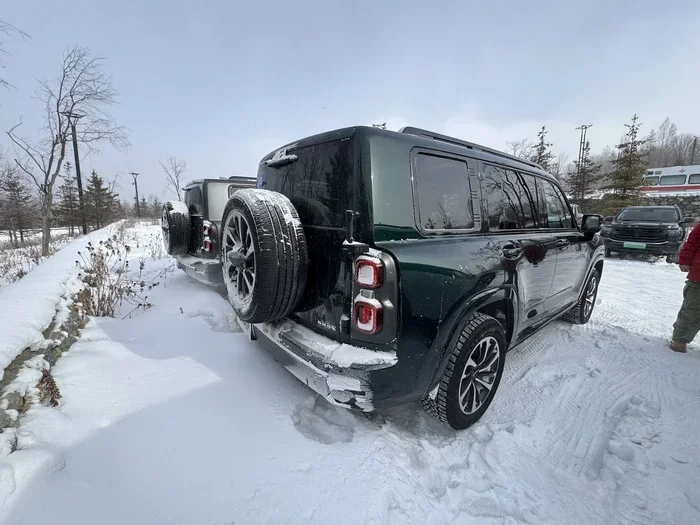
How Haval Handles Snow Even in the Harshest Winters
Haval vehicles are engineered to handle snow and icy roads with impressive capability. Their all-wheel drive systems, ground clearance, and traction control make them a strong choice for winter driving. Whether you own a Haval H6 or Haval Jolion, understanding how your SUV performs in snow can keep you safe and confident on the road.
Winter driving can be stressful. Snow, ice, and freezing temperatures make every trip on the road feel risky. But if you drive a Haval, you have a real advantage. How Haval handles snow is something that surprises many new owners. These SUVs are built with cold weather in mind. From the moment you turn the key, Haval vehicles are ready to face winter head-on.
So what makes Haval so good in the snow? It comes down to engineering. The drivetrain, the tires, the electronic systems, and the overall design all work together. In this article, we will break down exactly how Haval handles snow. We will cover the best models, the tech that helps, and simple tips you can use this winter. By the end, you will feel much more confident driving your Haval in even the harshest conditions.
Winter is not something you need to fear. With the right vehicle and the right knowledge, you can drive safely all season long. Let us dive into what makes Haval a strong choice for snow driving.
Key Takeaways
- Haval SUVs come equipped with advanced AWD and 4WD systems that deliver excellent traction in snow.
- Ground clearance and drivetrain design give Haval vehicles a real advantage on icy roads.
- Winter tires and proper maintenance boost snow performance significantly.
- Haval models like the H6 and Jolion are well-suited for cold climate driving.
- Electronic stability control and traction features help drivers stay safe in harsh winter conditions.
- Regular cold-weather maintenance keeps your Haval running at its best all season long.
📑 Table of Contents
- Why Haval Vehicles Are Built for Winter Driving
- How Haval’s All-Wheel Drive System Works in Snow
- Best Haval Models for Snow Driving
- Winter Driving Tips for Haval Owners
- Maintenance Tips for Haval in Cold Weather
- How Haval Compares to Other SUVs in Snow
- Common Mistakes Haval Drivers Make in Snow
- Final Thoughts
Why Haval Vehicles Are Built for Winter Driving
Haval is a brand that designs SUVs for real-world conditions. That means snow and ice are not afterthoughts. They are part of the engineering process from day one. Haval vehicles come from the factory ready to handle cold weather challenges. This is not something you have to add or modify later.
The brand focuses on three main areas when building for winter performance. First is the drivetrain system. Second is the body and suspension design. Third is the electronic safety technology. Together, these three areas create a vehicle that feels stable and sure-footed on snow-covered roads.
Drivetrain Engineering for Cold Weather
Haval offers both all-wheel drive and four-wheel drive options across its lineup. These systems send power to all four wheels at the same time. This is crucial when roads are covered in snow. When one tire starts to slip, the system adjusts instantly. Power shifts to the wheels that have the most grip. This happens in fractions of a second.
Many drivers wonder whether their Haval has 4WD capability. If you are unsure, you can check your vehicle’s settings or consult your owner manual. Knowing your drivetrain helps you use it correctly in snow. For more information on confirming your drivetrain type, you can read how to know if your truck is in 4WD.
Suspension and Ground Clearance
Haval SUVs sit higher off the ground than most passenger cars. This extra ground clearance matters a lot in snow. It keeps the undercarriage from dragging on snow-packed roads. It also helps the vehicle clear deeper snow without getting stuck.
The suspension system is tuned to handle uneven winter surfaces. Bumps, ice patches, and packed snow are all things Haval suspensions manage well. The result is a smoother ride even when the roads are rough. You do not have to worry about every pothole or snow drift.
How Haval’s All-Wheel Drive System Works in Snow
The AWD system in Haval vehicles is smart and responsive. It does not just send equal power to all wheels. Instead, it constantly monitors traction. When the system detects that one wheel is slipping on ice, it redirects power to the wheels that are gripping the road. This is called torque vectoring, and it makes a big difference.
Here is how the system works in real-world snow driving:
- Sensor monitoring: The system checks each wheel’s speed and grip hundreds of times per second.
- Power distribution: When slippage is detected, power shifts to the wheels with better traction.
- Stability correction: If the vehicle starts to slide, the system applies brakes to individual wheels to correct direction.
- Automatic engagement: You do not need to switch between two-wheel drive and AWD manually.
All of this happens automatically. You do not need to do anything except drive normally. The system takes care of the rest. This makes Haval vehicles very user-friendly for drivers who are new to winter conditions.
Comparing Haval AWD to Other Systems
Not all AWD systems are created equal. Some systems are reactive, meaning they only kick in after slippage occurs. Haval’s system is proactive. It anticipates loss of traction and adjusts before you even feel the slide. This gives you a head start on staying safe.
For drivers who also want to compare how other vehicles handle snow, you might check how Honda Civics perform in snow. While the Civic is a great car, it is a front-wheel-drive sedan and handles snow very differently than a Haval SUV with AWD.
Best Haval Models for Snow Driving
Not all Haval models are the same when it comes to snow performance. Some are better suited for winter driving than others. Here are the top Haval models that shine in snowy conditions.
Haval H6
The Haval H6 is one of the most popular SUVs in the brand’s lineup. It comes with standard AWD on many trims. The H6 has good ground clearance, a sturdy build, and modern safety features. It is a great all-around winter vehicle. Families love it because it has plenty of space and can handle school runs and grocery trips in any weather.
Haval Jolion
The Haval Jolion is a compact SUV that still delivers strong winter performance. It is smaller than the H6, which makes it easier to park and maneuver in tight spaces. The Jolion also offers AWD options and comes with electronic stability control. It is a great choice for single drivers or couples who face winter commutes every day.
Haval Big Dog
The Haval Big Dog is a rugged-looking SUV that is built for adventure. It has a boxy design that helps it push through snow. The Big Dog offers 4WD on higher trims, making it one of the most capable Haval models for deep snow. If you live in an area with heavy snowfall, the Big Dog is worth considering.
| Model | Drivetrain | Ground Clearance | Best For |
|---|---|---|---|
| Haval H6 | AWD | High | Families, all-around winter use |
| Haval Jolion | AWD | Medium | Commuting, compact winter SUV |
| Haval Big Dog | 4WD (higher trims) | Very High | Heavy snow, off-road winter trails |
Winter Driving Tips for Haval Owners
Owning a Haval in a snowy climate is a great position to be in. But even the best vehicle needs help from the driver. Here are some practical tips to keep you safe and get the most out of your Haval this winter.
Install Winter Tires
This is the single most important thing you can do for snow driving. Winter tires are made with a rubber compound that stays flexible in cold temperatures. This gives them better grip on ice and snow than all-season tires. Even with AWD, summer or all-season tires will struggle on icy roads.
Look for tires with the mountain-snowflake symbol on the sidewall. This symbol means the tire meets strict winter performance standards. Your Haval will feel completely different with winter tires installed. The improvement in traction is immediate and noticeable.
Keep Your Fuel Tank at Least Half Full
This is a simple habit that makes a big difference. A half-full tank prevents fuel lines from freezing. It also gives you extra weight in the rear of the vehicle, which can improve traction. In an emergency, having more fuel means you can stay warm and run the heater longer if you get stuck.
Drive Slowly and Increase Following Distance
Even with AWD, you need to adjust your driving style for snow. Accelerate gently. Brake early and smoothly. Turn the steering wheel gradually. Sudden movements are the enemy of winter driving.
Increase your following distance to at least six seconds behind the vehicle in front of you. This gives you more time to react if the car ahead stops suddenly on ice. It is a simple change that can prevent a lot of accidents.
Clear Snow From Your Vehicle Completely
Before you drive, clear all snow from your car. This includes the roof, hood, trunk, and all windows. Snow on the roof can fly off at highway speeds and block the view of drivers behind you. It is also a safety hazard. In many places, driving with snow on your roof is actually illegal.
Make sure your headlights and taillights are clear too. Visibility matters in snow, and other drivers need to see you clearly.
Know Your Vehicle’s Weight Limits
Adding snow gear, emergency supplies, and passengers adds weight to your Haval. It is important to know how much weight your vehicle can safely carry. Overloading can affect handling and braking, especially on slippery roads. Understanding your vehicle’s limits helps you pack smart for winter trips.
Maintenance Tips for Haval in Cold Weather
Cold weather puts extra stress on your vehicle. A little maintenance goes a long way toward keeping your Haval running smoothly all winter. Here are the key areas to focus on.
Check Your Coolant and Antifreeze Levels
Antifreeze keeps your engine from freezing in cold temperatures. Check the coolant level before winter starts. If it is low, top it off with the recommended mixture. Most Haval models use a 50/50 mix of coolant and water. This protects your engine down to about negative 34 degrees Fahrenheit.
Test Your Battery
Cold weather is hard on car batteries. A battery that works fine in summer might struggle in winter. Have a mechanic test your battery before the cold season arrives. If it is more than three years old, consider replacing it proactively. A dead battery in the snow is no fun.
Check Your Windshield Wipers and Fluid
Winter wipers make a big difference. They are designed to handle snow and ice without bending or skipping. Use winter-grade windshield washer fluid, which does not freeze in the reservoir. You will go through fluid quickly in winter, so keep a spare bottle in your trunk.
Inspect Your Brakes
Brakes are your most important safety feature in snow. Have your brake pads and rotors inspected before winter. Worn brakes take longer to stop on icy roads. Fresh brakes give you the confidence to drive safely in any condition.
How Haval Compares to Other SUVs in Snow
There are many SUVs on the market that claim good winter performance. How does Haval stack up? The truth is that Haval vehicles offer strong value for winter driving. They come well-equipped from the factory, and their AWD systems are competitive with brands that cost significantly more.
One area where Haval stands out is price. You get AWD, electronic stability control, and good ground clearance at a lower price point than many competitors. This makes winter-ready capability accessible to more buyers.
Another strength is the warranty and reliability record. Haval offers competitive warranty coverage, and their vehicles have proven to hold up well in cold climates. Owners in northern states and Canada report positive experiences with Haval in snow.
The Haval H6, in particular, has become a popular choice in regions with heavy snowfall. Its combination of size, capability, and comfort makes it a versatile winter vehicle. Whether you are commuting to work or heading out on a weekend trip, the H6 handles the job well.
Common Mistakes Haval Drivers Make in Snow
Even with a capable vehicle, drivers make mistakes that reduce safety and performance. Here are some common errors to avoid.
- Relying only on AWD: AWD helps with acceleration, but it does not improve braking. Winter tires are still essential.
- Using cruise control on snow: Cruise control can cause wheel spin on slippery surfaces. Turn it off in snow and ice.
- Ignoring warning lights: If your stability control or traction light comes on, slow down immediately.
- Overloading the vehicle: Too much weight affects handling and braking distance on snow.
- Neglecting to clear snow from sensors: Modern Haval vehicles have sensors for braking and stability systems. Snow covering these sensors can reduce their effectiveness.
Avoiding these mistakes will help you get the most out of your Haval in winter conditions. Simple awareness goes a long way toward staying safe on the road.
Final Thoughts
How Haval handles snow is a topic that deserves attention from any winter driver. Haval has built vehicles that are genuinely capable in harsh winter conditions. Their AWD systems, ground clearance, and electronic safety features work together to give you confidence on snow and ice. The Haval H6, Jolion, and Big Dog are all excellent choices for cold climate drivers.
But your vehicle is only half the equation. Your driving habits, maintenance routine, and preparation all matter too. Install winter tires, drive defensively, and keep up with cold-weather maintenance. Do these things and your Haval will serve you well all winter long.
Winter does not have to be scary. With the right SUV and the right knowledge, you can face the harshest conditions with confidence. Haval gives you a strong foundation. Now it is up to you to use it wisely. Stay safe out there this winter.
Frequently Asked Questions
Is Haval good in heavy snow?
Yes, Haval SUVs perform well in heavy snow. Their AWD systems and high ground clearance give them an advantage on deep snow. Models like the Haval Big Dog and H6 are especially capable in heavy snowfall conditions.
Do I need winter tires if my Haval has AWD?
Yes, winter tires are still essential even with AWD. AWD helps with acceleration and traction, but it does not improve braking or cornering on ice. Winter tires provide the grip you need in all driving situations during winter.
Which Haval model is best for snow driving?
The Haval H6 is the most popular choice for snow driving. It offers AWD, high ground clearance, and plenty of space. The Haval Big Dog is also excellent for heavy snow thanks to its rugged build and available 4WD system.
Can a Haval handle icy roads?
Haval vehicles handle icy roads well thanks to their electronic stability control and traction systems. However, safe driving habits are still important. Drive slowly, brake gently, and keep a safe following distance on icy surfaces.
How do I prepare my Haval for winter?
Start by installing winter tires and checking your coolant and battery. Replace worn wiper blades and use winter washer fluid. Inspect your brakes and keep your fuel tank at least half full throughout the winter season.
Are Haval SUVs reliable in cold climates?
Haval SUVs have a solid reliability record in cold climates. Their engines and drivetrain systems are designed to perform in low temperatures. Regular maintenance and proper winter preparation will keep your Haval running strong all season.